

Introduction
The journey of dog ownership often involves a commitment to training, fostering a well-behaved companion, and strengthening the bond between pet and owner. Integral to this process are dog training aids, a broad category encompassing various tools, devices, and methods designed to assist in teaching, reinforcing, and managing canine behaviors. These aids serve as invaluable resources for owners at all experience levels, from navigating basic obedience to addressing more complex behavioral challenges. Understanding the appropriate use and selection of these tools can significantly enhance communication, reduce frustration, and accelerate a dog’s learning curve. When chosen and applied thoughtfully, training aids contribute to a dogs overall well-being, promoting confidence, safety, and a harmonious living environment within the family.
💡 Pet Care Key Takeaways:
- Core Focus: Practical health, nutrition, and wellness guidelines for Dog Training Aids.
- Target Scope: Pet owners, animal caregivers, and veterinary support staff.
- Best Recommendation: Maintain consistent daily routines and consult an accredited veterinarian before introducing major diet or medical changes.
Common Causes and Key Factors
Owners often seek out dog training aids when encountering specific challenges or pursuing particular training goals. A primary factor is the presence of persistent unwanted behaviors, such as leash pulling, excessive barking, jumping on guests, or house-training difficulties, which conventional verbal commands alone may not adequately address. Owners might also turn to aids to improve communication clarity with their dog, especially during the initial stages of training or when introducing new concepts. For more related activities, check out our Iaabc Dog Behavior Welfare Enrichment Training Resources.
Considerations regarding a dog’s age, breed, and physical attributes also play a significant role. For instance, a strong, large-breed dog might benefit from specific harnesses or head halters for better leash control, while a young puppy could thrive with crate training for house-breaking and establishing a safe den. Furthermore, the owner’s experience level is a key determinant; novice trainers may find certain aids simplify techniques, making the training process less daunting and more effective. Specific training objectives, ranging from basic obedience and socialization to advanced skill development like agility or scent work, frequently necessitate specialized equipment to facilitate learning and execution. Environmental factors, such as distractions during outdoor walks, also influence the choice of aids aimed at maintaining focus and control.
Signs and Symptoms to Observe
Recognizing when dog training aids could be beneficial often involves observing specific behaviors or situations. A dog consistently pulling on the leash, demonstrating difficulty in focusing during walks, or exhibiting an inability to master basic commands despite consistent effort are common indicators. Persistent house-soiling indoors, destructive chewing, or excessive barking when left alone may suggest a need for management tools like crates, gates, or enrichment toys.
Furthermore, signs of frustration in either the dog or the owner during training sessions can signal a need to explore alternative approaches, potentially involving a training aid to bridge communication gaps. Dogs that appear easily overwhelmed by new environments or lack confidence might benefit from aids that provide a sense of security, such as a comfortable harness for walks or a designated safe space within the home. The dog’s responsiveness to different types of reinforcement, its energy level, and its general temperament can also inform the selection of appropriate aids, ensuring they align with individual needs and learning styles.
Practical Solutions and Management Strategies
Effective utilization of dog training aids involves careful selection, proper application, and integration with positive reinforcement techniques. These tools are designed to complement, not replace, consistent training and positive interactions.
1. Positive Reinforcement Tools
- Clickers and Treat Pouches: Clickers are invaluable for marking the exact moment a dog performs a desired behavior, followed immediately by a reward from a treat pouch. This precise communication helps dogs understand what action earned the reward.
- High-Value Treats and Interactive Toys: Using highly motivating rewards ensures the dog remains engaged. Interactive toys and puzzle feeders provide mental stimulation and can be used to reward good behavior or manage boredom.
2. Leash and Collar Systems
- Front-Clip Harnesses: These harnesses redirect a dog’s pulling power to its chest, making it more challenging for them to pull forward. They are generally considered gentle and effective for leash training.
- Head Halters: Offering gentle control over the dog’s head, head halters can be highly effective for strong pullers or for teaching focus, as where the nose goes, the body follows. Proper introduction and fit are crucial to ensure comfort.
- Long Lines: Essential for practicing recall in safe, open environments, long lines allow a dog freedom to explore while remaining under control.
3. Containment and Management Aids
- Crates and Playpens: Crates provide a safe, den-like space for house-training, managing unsupervised time, and offering a retreat. Playpens offer a larger contained area for puppies or for situations requiring temporary confinement.
- Baby Gates: These are useful for restricting access to certain areas of the home, helping to manage behavior and prevent unwanted habits.
4. Behavior-Specific Aids (Used with Caution and Professional Guidance)
- Muzzles: Primarily a safety tool, muzzles can be used for short durations during vet visits, grooming, or when managing a dog with a bite history, always under the guidance of a professional. Muzzles are for management, not for training aggression away.
- Vibration or Citronella Collars: When used responsibly and as a last resort, some collars can provide a mild deterrent (e.g., vibration or a spray of citronella) for nuisance barking, though positive reinforcement-based solutions are always preferred.
When implementing any training aid, proper fit, gradual introduction, and consistent application are paramount. The goal is always to empower the dog to make desirable choices, eventually phasing out reliance on the aid as the desired behavior becomes ingrained.
When Professional Help May Be Needed
While dog training aids can be incredibly helpful, certain situations warrant the expertise of a professional dog trainer, behaviorist, or veterinarian. If persistent behavioral issues, such as aggression, severe anxiety, or deep-seated fears, do not improve with the consistent and correct use of training aids and positive reinforcement, professional intervention is strongly advised. These complex behaviors often have underlying causes that require specialized assessment and tailored modification plans.
Furthermore, if an owner is struggling to use an aid correctly, leading to frustration for both the dog and the human, or if there is any concern that an aid is causing discomfort or distress, a professional can provide guidance on proper technique and alternative solutions. A veterinarian should also be consulted if behavioral changes appear suddenly, as pain, illness, or other medical conditions can often manifest as behavioral problems. Seeking professional help ensures the dog’s safety, welfare, and the effectiveness of the training process, providing a path toward lasting behavioral improvement.
Conclusion
Dog training aids represent a diverse array of tools designed to support and enhance the training journey for both dogs and their human companions. From clickers that facilitate clear communication to harnesses that provide gentle control, these aids serve as valuable assets in fostering positive behaviors and managing challenges. The key to their effective use lies in thoughtful selection, understanding their intended purpose, and applying them consistently alongside positive reinforcement principles. By observing a dog’s individual needs, recognizing behavioral cues, and responsibly integrating appropriate aids, owners can significantly improve their dog’s training outcomes. This thoughtful approach not only leads to a well-behaved dog but also deepens the understanding and bond shared, contributing to a happy and enriched life for all involved.
Pet Care & Wellness Overview Table
| Life Stage | Daily Activity Level | Key Nutrition / Care Focus |
|---|---|---|
| Puppy / Kitten | High (frequent short bursts) | High-protein growth diet & early socialization |
| Adult Companion | Moderate (30–60 mins daily) | Balanced maintenance nutrition & dental hygiene |
| Senior Pets | Low to Gentle (mindful walks) | Joint support (Glucosamine) & routine vet checks |
Images References


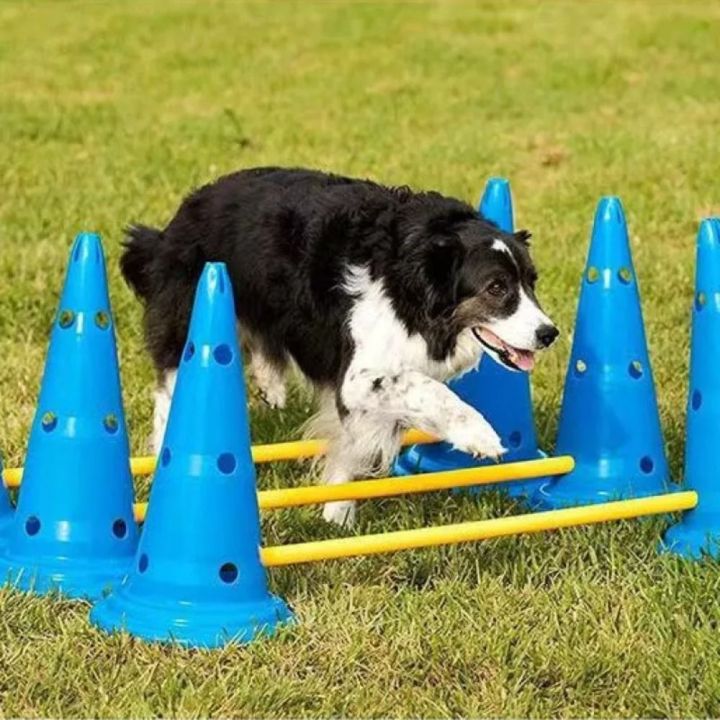


For more expert pet care tips and advice, check out our dedicated Dog Training guides to keep your companions healthy and happy.




