

Introduction
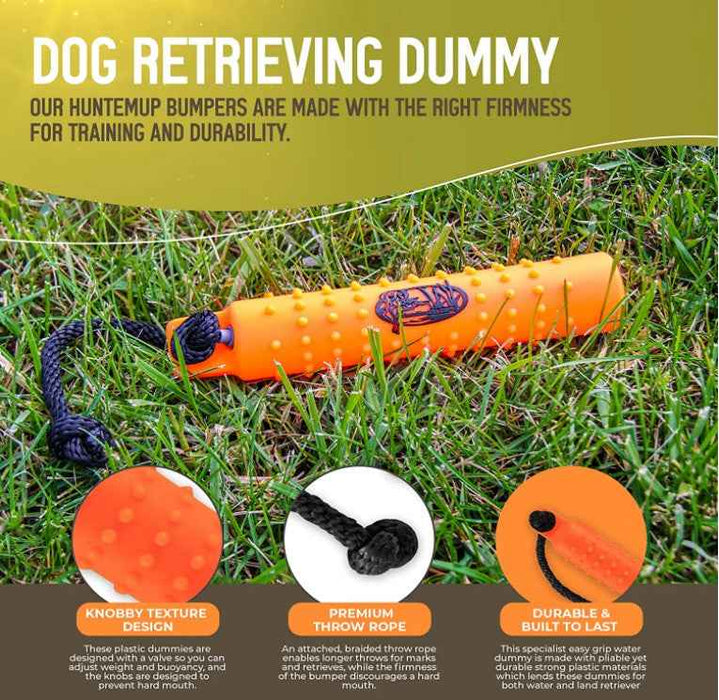
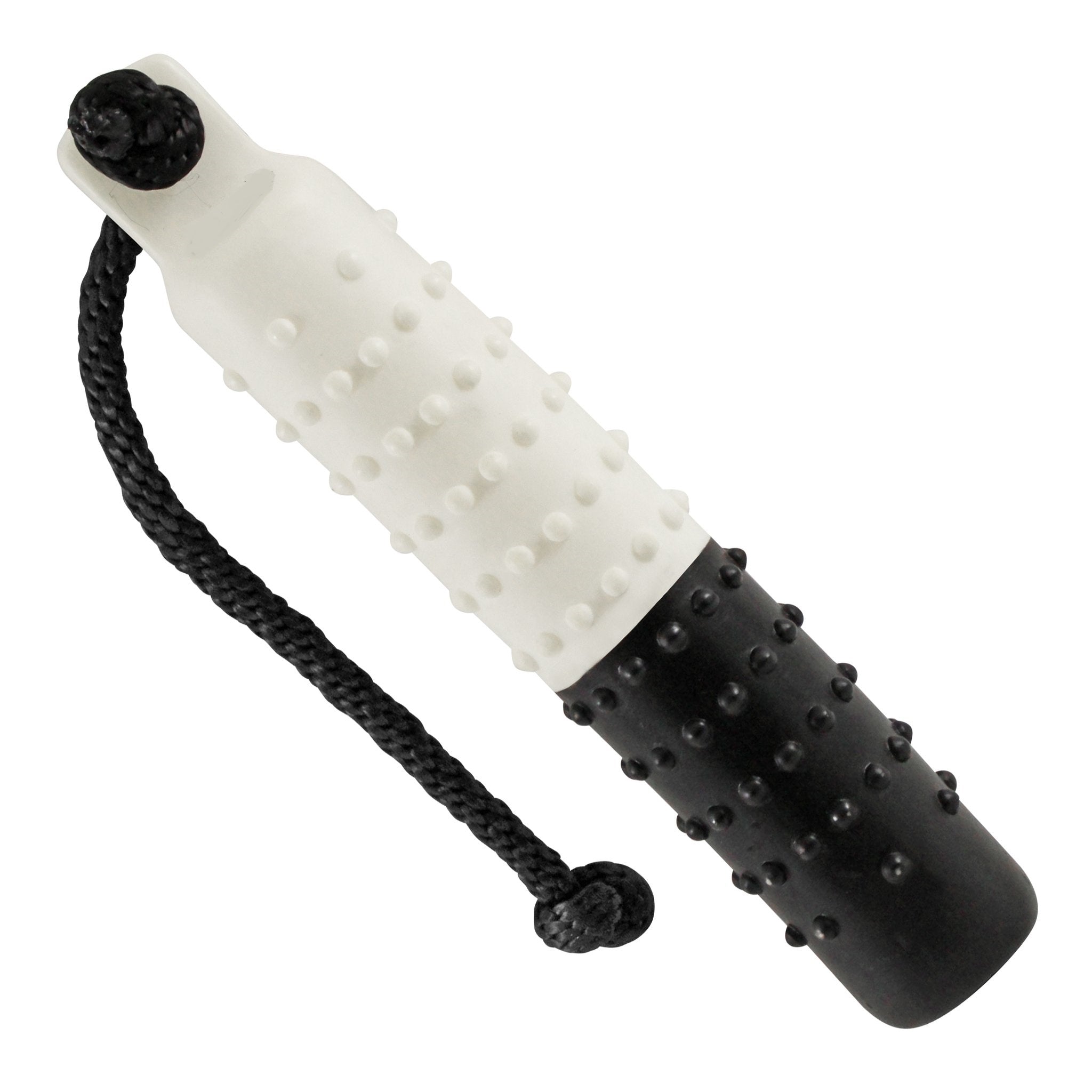
For many dog owners and enthusiasts, especially those engaged in field training, hunting, or simply a robust game of fetch, understanding the role of dog training bumpers is essential. These specialized tools are more than just toys; they are meticulously designed implements used to teach, reinforce, and refine a dog’s retrieving skills. Dog training bumpers are typically cylindrical objects, often made from durable plastic, rubber, or canvas, and crafted to mimic the size and feel of game birds or other retrieve items without the associated difficulties of using actual game from the outset. Their importance stems from their ability to provide a consistent, repeatable, and non-distracting object for a dog to retrieve, making them an indispensable part of a comprehensive training regimen. By introducing dog training bumpers correctly, owners can significantly improve a dogs focus, develop a soft mouth, build strong retrieve drive, and enhance overall obedience, ultimately contributing to a more well-behaved and engaged canine companion.
💡 Pet Care Key Takeaways:
- Core Focus: Practical health, nutrition, and wellness guidelines for Dog Training Bumpers.
- Target Scope: Pet owners, animal caregivers, and veterinary support staff.
- Best Recommendation: Maintain consistent daily routines and consult an accredited veterinarian before introducing major diet or medical changes.
Common Causes and Key Factors
The effectiveness of dog training bumpers in developing a proficient retriever hinges on several key factors and considerations. One primary factor involves the material and texture of the bumper. Different materials, such as buoyant plastic for water retrieves, softer rubber for puppies or dogs prone to a hard mouth, and canvas for varied textures, serve distinct purposes. The chosen material impacts a dog’s comfort and grip, influencing the development of a desired ‘soft mouth’ that avoids damaging the retrieved item. For more related activities, check out our How Much Do Animal Behaviorists Cost.
Another crucial aspect is the weight and buoyancy of the bumper. Bumpers designed for water work are often weighted to float correctly and made from buoyant materials, while land bumpers might have different weight distributions. Furthermore, the color of the bumpers plays a significant role in training progression. High-visibility colors like orange, white, or yellow are excellent for initial marked retrieves, helping a dog easily locate the object. Conversely, camouflage or natural colors are used for advanced training, challenging a dog to rely more on scent and memory rather than sight.
The ability to impart scent is also a key factor. Many dog training bumpers are designed with scent channels or are made from materials that can absorb game scents, allowing for realistic scent work and preparing a dog for retrieving actual game. Finally, successful training with dog training bumpers is deeply rooted in understanding and tapping into a dog’s natural retrieve drive and prey instinct, gradually shaping these innate behaviors into controlled, enthusiastic retrieves through consistent practice and positive reinforcement.
Signs and Symptoms to Observe
When working with dog training bumpers, observing a dog’s behavior provides valuable insights into its progress and potential training hurdles. Positive indicators of successful training often include an eager and focused anticipation of the retrieve, where the dog displays enthusiasm and watches the bumper intently as it is thrown. A crucial sign is a soft mouth grip, where the dog carries the bumper gently but securely, avoiding crushing, chewing, or mouthing the object excessively. A dog displaying good retrieve skills will typically make a quick and direct return to the handler, delivering the bumper promptly and willingly releasing it upon command. Strong focus during drills and consistent adherence to commands like “fetch,” “hold,” and “give” also indicate effective learning.
Conversely, several signs may suggest difficulties or areas requiring further attention. A hard mouth is a common issue, characterized by a dog biting down too hard on the bumper, leaving teeth marks, or even damaging it. Reluctance to retrieve or a lack of interest in picking up the bumper can signal insufficient drive or negative associations. Dogs might also exhibit running away with the bumper, treating it as a toy to be played with rather than an item to be delivered. Excessive chewing, mouthing, or playing with the bumper instead of returning it directly are also signs that require correction. Observing these behaviors helps trainers adjust their methods to address specific challenges effectively, ensuring the dog develops the desired retrieving habits.
Practical Solutions and Management Strategies
Effective utilization of dog training bumpers involves a systematic approach, beginning with proper introduction and progressing through various stages. Initially, introducing the bumper should be a positive experience. Present the bumper as a desirable object, perhaps by gently rolling it a short distance and encouraging the dog to pick it up, immediately rewarding any interaction. Avoid forcing the bumper into a dog’s mouth, as this can create negative associations.
For basic retrieve training, start with short, controlled tosses in a distraction-free environment. Use clear, consistent commands such as “fetch” or “retrieve.” As the dog picks up the bumper, encourage an immediate return with praise and a gentle recall. Upon return, use a command like “give” or “drop” to encourage release, followed by a reward. This positive reinforcement cycle builds enthusiasm and strengthens the desired behavior.
Addressing common issues requires targeted strategies. For a hard mouth, consider using softer bumpers initially or even a rolled-up towel. Focus on the “hold” command, gently guiding the dog to hold the bumper without biting down, and rewarding a relaxed grip. If a dog is unwilling to retrieve or runs away with the bumper, increase the playfulness of the interaction, make the retrieve a highly rewarding game, and perhaps use a long lead or fenced area to ensure compliance and prevent escape. For dogs that chew or play with the bumper excessively, immediate intervention is necessary; interrupt the undesirable behavior, reinforce the “hold” and “give” commands, and redirect their focus.
As a dog progresses, gradually increase the distance, introduce mild distractions, and vary the terrain. Incorporate different types of dog training bumpers, including those designed for water retrieves or scented options, to generalize their skills. Consistency, patience, and positive reinforcement are paramount, ensuring the training remains enjoyable and builds a strong working relationship between the dog and its handler.
When Professional Help May Be Needed
While many aspects of training with dog training bumpers can be managed by dedicated owners, certain situations warrant the expertise of a professional. If a dog exhibits persistent training plateaus despite consistent effort and varied approaches, a professional trainer can offer fresh perspectives, identify subtle behavioral cues, and introduce advanced techniques that may not be apparent to the average owner. This is particularly relevant when attempting to correct ingrained habits like a hard mouth or a refusal to retrieve, which can be challenging to modify without expert guidance.
Additionally, if a dog displays aggression, fear, or significant anxiety during training sessions, or if behavioral issues unrelated to retrieving skills begin to impact training, consulting a professional is crucial. These underlying behavioral concerns require a nuanced understanding and often a tailored intervention plan from a certified professional dog trainer or a veterinary behaviorist. For owners with specific, high-level training goals, such as preparing for field trials or hunting tests, specialized retriever trainers offer invaluable expertise in advanced marked retrieves, blind retrieves, and intricate handling skills that are often beyond the scope of general obedience training. Seeking professional assistance ensures the dog’s well-being is prioritized and training goals are achieved efficiently and safely.
Conclusion
Dog training bumpers are indispensable tools in the realm of canine education, offering a structured and effective way to develop and refine retrieving skills. From teaching basic fetch to preparing for advanced field work, their versatility and design make them central to a comprehensive training regimen. Understanding the different types of bumpers, observing a dog’s responses, and applying consistent, positive training methods are crucial for success. By recognizing both positive signs and areas needing improvement, owners can tailor their approach, addressing challenges such as a hard mouth or lack of retrieve drive with patience and appropriate strategies. While much can be accomplished through diligent owner effort, knowing when to consult a professional trainer ensures that persistent issues are resolved and specialized goals are met. Ultimately, the journey of training with dog training bumpers fosters a deeper bond, enhances a dog’s physical and mental engagement, and contributes significantly to a well-rounded and confident canine companion.
Pet Care & Wellness Overview Table
| Life Stage | Daily Activity Level | Key Nutrition / Care Focus |
|---|---|---|
| Puppy / Kitten | High (frequent short bursts) | High-protein growth diet & early socialization |
| Adult Companion | Moderate (30–60 mins daily) | Balanced maintenance nutrition & dental hygiene |
| Senior Pets | Low to Gentle (mindful walks) | Joint support (Glucosamine) & routine vet checks |
Images References






For more expert pet care tips and advice, check out our dedicated Dog Training guides to keep your companions healthy and happy.




