

Introduction
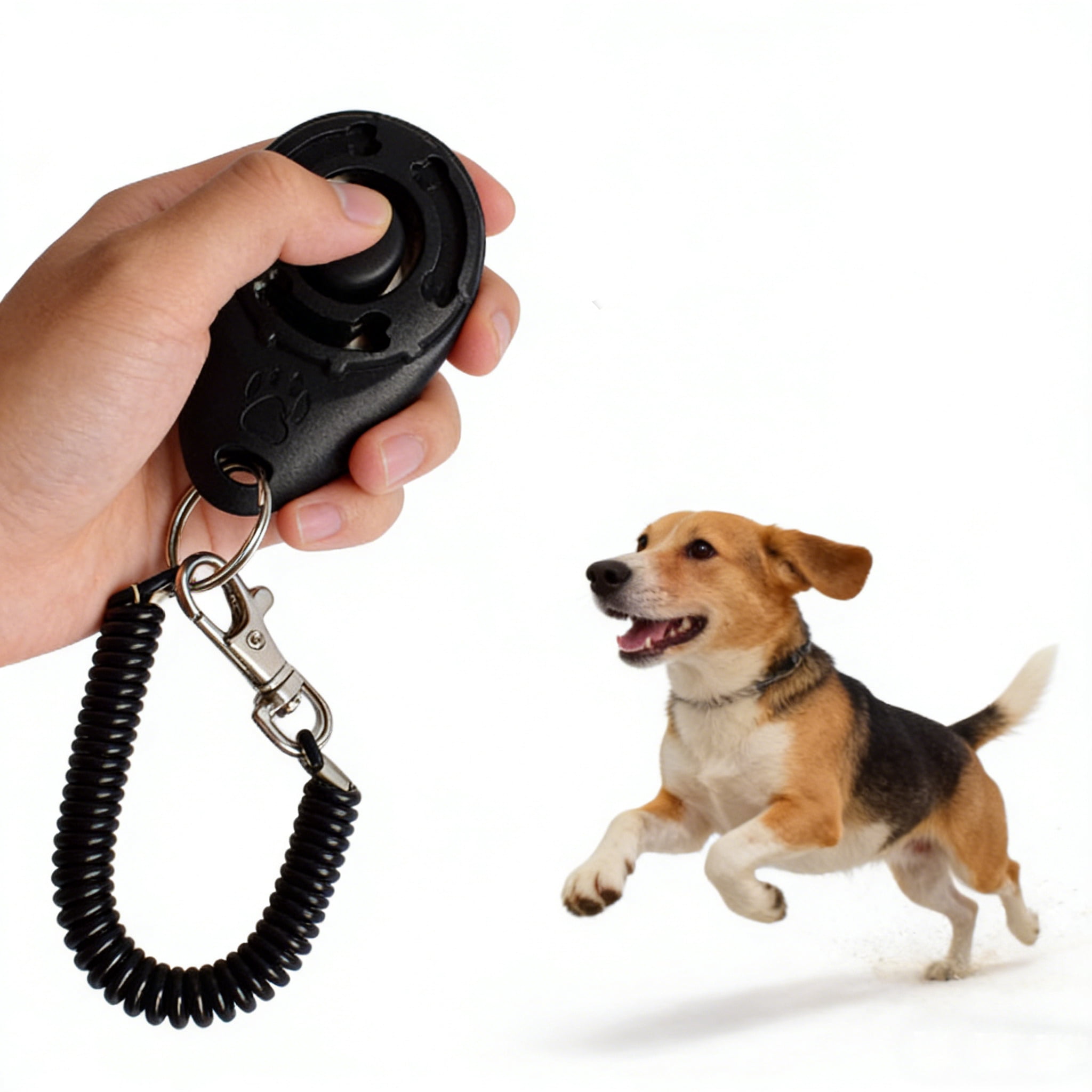
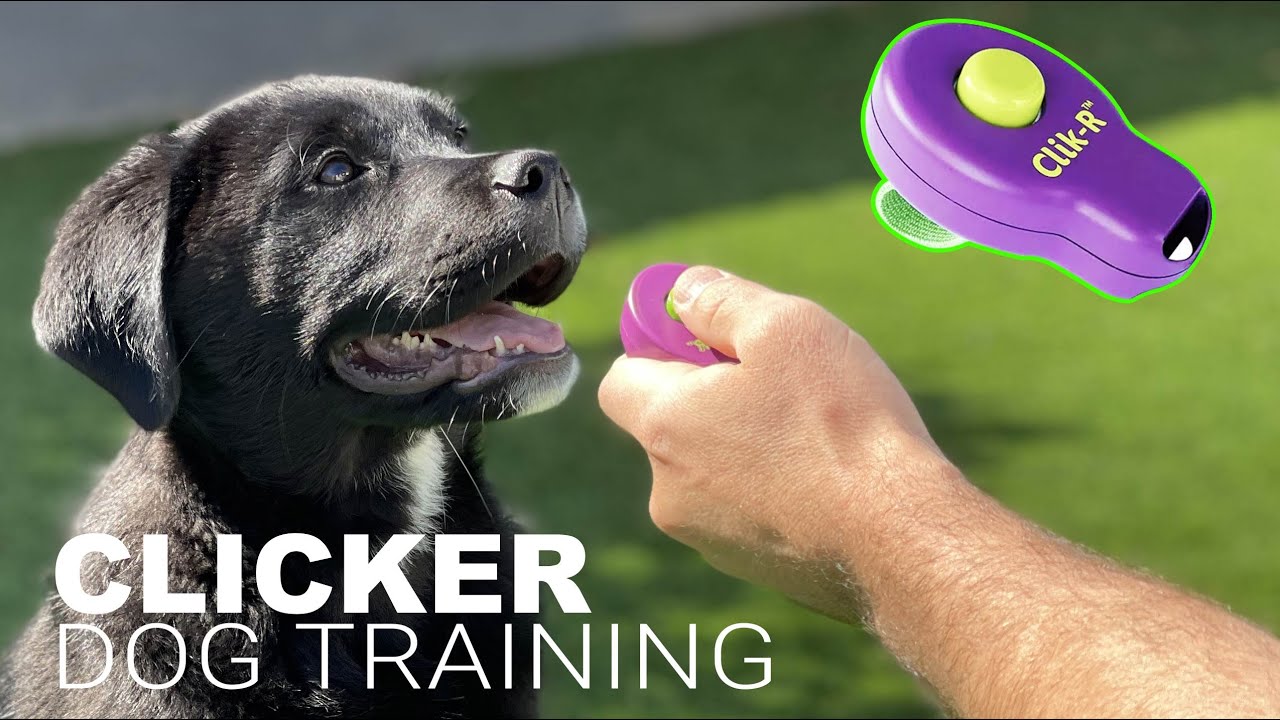
The concept of a dog training clicker represents a cornerstone in modern, humane animal training methodologies. Essentially, a clicker is a small device that produces a distinct, consistent sound. Its significance in dog training lies in its ability to facilitate precise communication between a dog and its owner. This tool allows for the instantaneous marking of desired behaviors, creating a clear signal that tells the dog, “Yes, that’s exactly what I want, and a reward is coming!” Understanding the principles and application of a dog training clicker can profoundly impact a dog’s learning speed, reduce frustration during training, and ultimately enhance the bond between pet and owner through positive and effective reinforcement. This approach is widely adopted because it capitalizes on how dogs naturally learn through association, making complex behaviors more attainable and training a more enjoyable experience for both parties.
💡 Pet Care Key Takeaways:
- Core Focus: Practical health, nutrition, and wellness guidelines for Dog Training Clicker.
- Target Scope: Pet owners, animal caregivers, and veterinary support staff.
- Best Recommendation: Maintain consistent daily routines and consult an accredited veterinarian before introducing major diet or medical changes.
Common Causes and Key Factors
The effectiveness of a dog training clicker stems from several key psychological principles and practical advantages. Foremost among these is the principle of classical conditioning. When the unique clicker sound is consistently paired with a high-value reward, such as a tasty treat, the click itself quickly becomes a “secondary reinforcer.” The dog learns to associate the click with good things, developing a positive emotional response to the sound. For more related activities, check out our Iaabc Dog Behavior Welfare Enrichment Training Resources.
Another critical factor is precision and timing. Dogs live in the moment; their learning is most effective when feedback is immediate. A human voice, while capable of praise, often lacks the instantaneous nature needed to mark the exact moment a dog performs a desired action. The clicker’s sharp, consistent sound can be delivered in a fraction of a second, precisely coinciding with the peak of the correct behavior. This eliminates ambiguity, allowing the dog to clearly understand what action earned the reward.
Furthermore, the emotional neutrality of the clicker is a significant advantage. Unlike human voices, which can carry varied tones, emotions, or inconsistencies, the clicker’s sound is always the same. This unwavering signal provides clear, unbiased feedback, preventing confusion that might arise from an owner’s frustration or excitement. This consistency builds confidence in the dog, encouraging more active participation in training. Its distinct sound also helps cut through environmental distractions, focusing the dog’s attention on the specific action being rewarded.
Signs and Symptoms to Observe
When a dog training clicker is used effectively, several observable signs indicate a dog’s positive engagement and successful learning. One of the primary indicators is the dog showing anticipation and excitement immediately after the click. This might manifest as a head turn, a sudden look towards the owner, a tail wag, or an expectant sniff for a treat, confirming the click has become a strong secondary reinforcer.
As training progresses, dogs typically exhibit increased focus and willingness to try various behaviors when the clicker is present. They become more attentive to cues and more engaged in the training process, often offering behaviors proactively in an attempt to earn a click. This proactive engagement is a clear sign that the dog understands the training game and is actively participating in problem-solving.
Another crucial sign is a noticeable acceleration in learning new commands or tricks. The clear and precise feedback provided by the clicker allows dogs to grasp concepts more quickly than with less specific methods. Reduced frustration in both the dog and the owner also points to effective clicker use; the dog is less confused about expectations, leading to a smoother and more positive learning experience. These positive indicators are generally consistent across various breeds and ages, though the speed of learning can vary depending on individual temperament and prior training experiences.
Practical Solutions and Management Strategies
Effective utilization of a dog training clicker involves several structured steps and consistent application. The initial phase is “charging the clicker,” which establishes the click as a positive predictor of a reward. This involves simply clicking and immediately giving a high-value treat, repeated many times over several short sessions, until the dog clearly associates the sound with something good.
Timing is paramount in clicker training. The click must occur at the exact moment the dog performs the desired behavior, not a second before or after. This precise marker clearly communicates to the dog what action earned the reward. For instance, if teaching a “sit,” the click should sound the instant the dog’s hindquarters touch the ground.
Training sessions should be kept short, typically 2-5 minutes, and frequent to maintain the dog’s focus and enthusiasm. Techniques like luring, where a treat guides the dog into a position (e.g., holding a treat over the dog’s head to encourage a sit), and shaping, where successive approximations of a behavior are rewarded, are excellent ways to initiate behaviors with the clicker. As the dog consistently performs the action, the lure should be gradually faded, relying instead on verbal cues or hand signals.
Once a behavior is reliably performed with a verbal cue, the clicker can be phased out. The verbal cue becomes the new marker, and reinforcement moves to an intermittent schedule. This means not every correct behavior receives a click and a treat, but rewards remain unpredictable and highly motivating, ensuring the behavior is maintained long-term. Incorporating varied reinforcers beyond food, such as praise, toys, or access to desired activities, keeps the dog engaged and reinforces the positive association with training.
When Professional Help May Be Needed
While the dog training clicker is an incredibly versatile and effective tool for many owners, there are specific circumstances where professional guidance can be invaluable. If a dog exhibits significant behavioral challenges such as persistent aggression, severe anxiety, or debilitating fear that impedes any progress in training, a certified professional dog trainer or a veterinary behaviorist should be consulted. These specialists possess the expertise to diagnose underlying issues and develop comprehensive behavior modification plans that complement clicker training.
Additionally, if owners consistently struggle to make headway despite diligent efforts with clicker training, or if they encounter difficulty in applying the techniques correctly (e.g., timing issues, selecting appropriate reinforcers), a professional can offer personalized, hands-on instruction. For those aspiring to teach complex behaviors, engage in competitive dog sports, or train a service dog, the nuanced understanding and advanced techniques provided by an experienced trainer are often essential for achieving desired outcomes efficiently and effectively. Consulting a professional ensures that training remains positive, safe, and tailored to the individual needs of the dog and owner.
Conclusion
The dog training clicker stands as a powerful, humane, and highly effective communication tool in the world of canine education. Its ability to provide precise, instantaneous feedback dramatically clarifies expectations for a dog, accelerating the learning process and fostering a more confident, engaged learner. By harnessing the principles of positive reinforcement, clicker training transforms potentially frustrating training sessions into enjoyable opportunities for connection and mutual understanding. Awareness of its proper application, coupled with consistent practice, forms the bedrock of a well-behaved companion and a strengthened human-animal bond. Embracing this method not only aids in developing specific behaviors but also contributes significantly to a dog’s overall well-being and positive outlook on learning.
Pet Care & Wellness Overview Table
| Life Stage | Daily Activity Level | Key Nutrition / Care Focus |
|---|---|---|
| Puppy / Kitten | High (frequent short bursts) | High-protein growth diet & early socialization |
| Adult Companion | Moderate (30–60 mins daily) | Balanced maintenance nutrition & dental hygiene |
| Senior Pets | Low to Gentle (mindful walks) | Joint support (Glucosamine) & routine vet checks |
Images References





For more expert pet care tips and advice, check out our dedicated Dog Training guides to keep your companions healthy and happy.




