Understanding the Role of Specialized Handling Gear in Canine Interaction
The bond between humans and dogs relies heavily on clear communication and physical touch. As canine owners seek tools to enhance their daily interactions, the market has introduced various aids, including specialized gloves designed for handling, grooming, and training. According to the American Society for the Prevention of Cruelty to Animals (ASPCA), positive reinforcement and clear, consistent communication are the foundations of effective canine education. While traditional training relies on voice commands and hand signals, tactile aids can sometimes bridge the gap between human intent and canine response. Understanding when these tools are helpful, and when they might be unnecessary, is essential for maintaining a healthy relationship with a canine companion.
💡 Pet Care Key Takeaways:
- Core Focus: Practical health, nutrition, and wellness guidelines for Dog Training Gloves.
- Target Scope: Pet owners, animal caregivers, and veterinary support staff.
- Best Recommendation: Maintain consistent daily routines and consult an accredited veterinarian before introducing major diet or medical changes.
Defining Dog Training Gloves and Their Intended Use
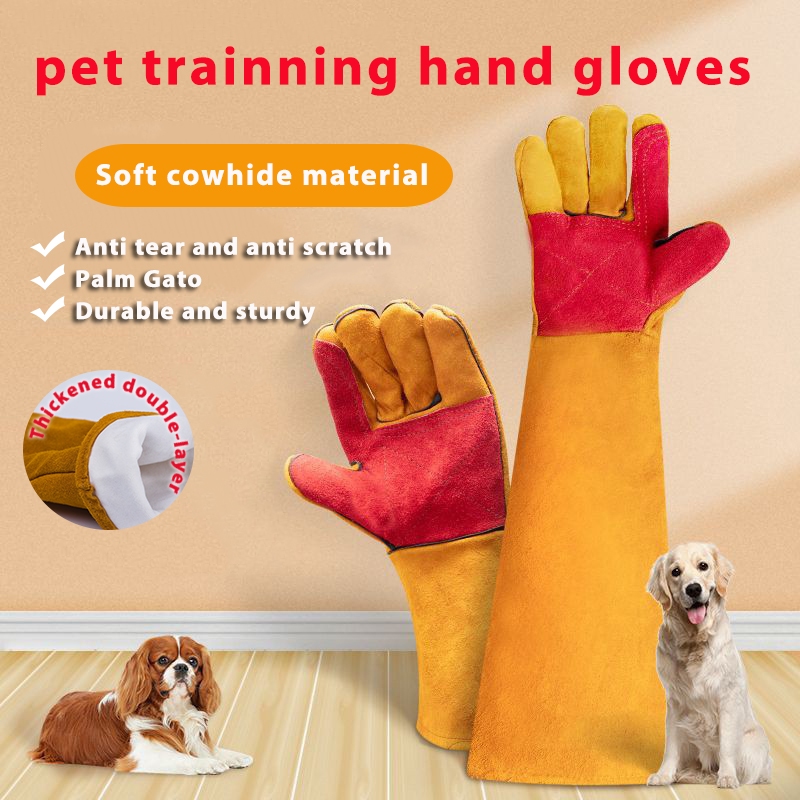
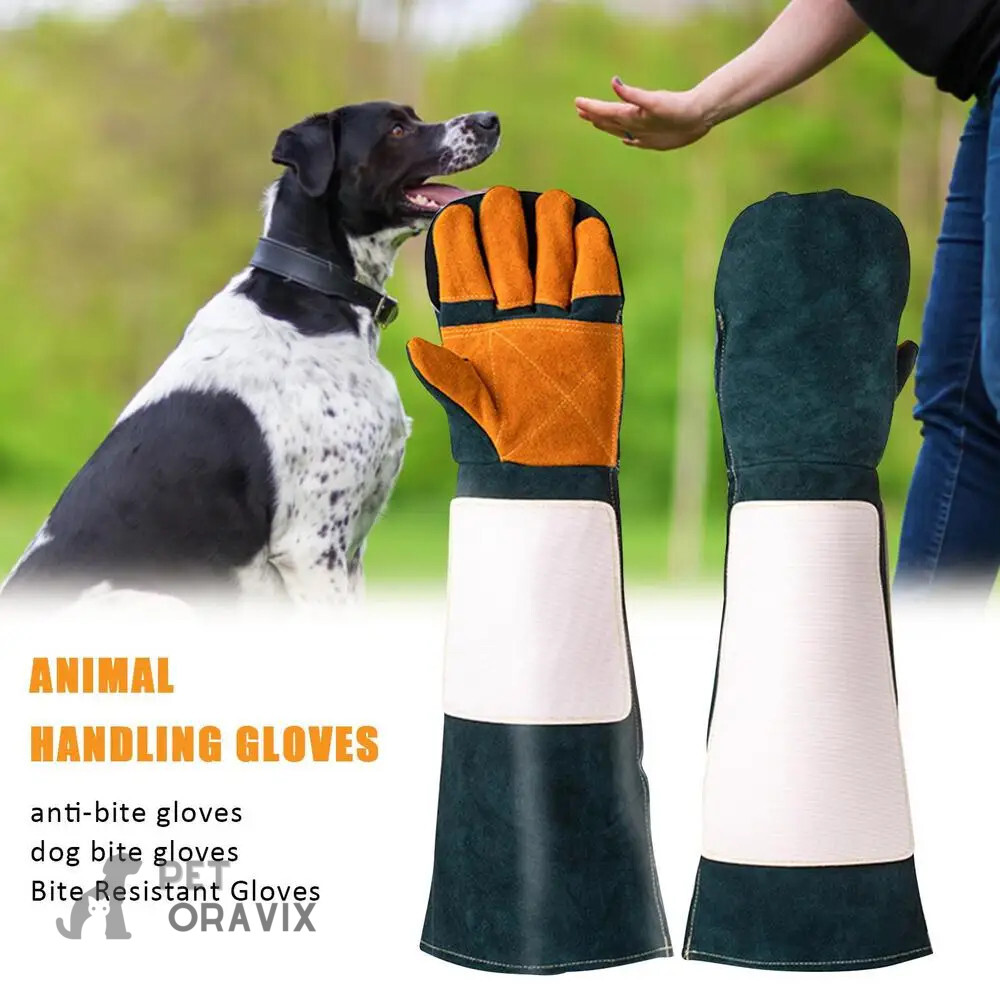
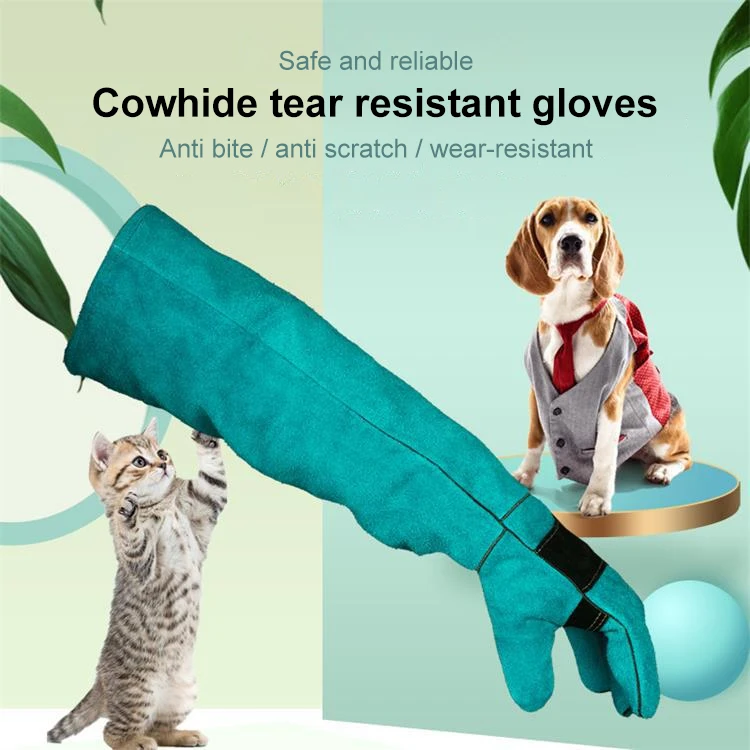
Dog training gloves, often categorized as grooming or handling mitts, are wearable accessories designed to provide a textured surface or a protective layer between human hands and a dog’s coat. These items typically feature silicone nubs, rubberized palms, or durable, bite-resistant fabrics. In a training context, these are rarely used for formal obedience commands like “sit” or “stay.” Instead, they are frequently utilized during desensitization exercises, where a dog learns to accept being touched in various areas, such as the paws, ears, or tail. By providing a consistent, predictable texture, these gloves can help calm a dog that is sensitive to handling, making the process of grooming or health checks less intimidating. For more related activities, check out our Dog Training Fort Worth.
The Behavioral and Sensory Impact of Tactile Handling Tools
The primary benefit of using textured gloves during Dog Training lies in sensory habituation, which allows a dog to become comfortable with the sensation of being groomed or inspected. For many dogs, the sudden touch of a human hand can feel startling, especially if the dog is prone to anxiety or has not been properly socialized to physical contact. Using a glove with soft, rubber bristles mimics the feeling of a massage, which may trigger a relaxation response in some animals. This can be particularly beneficial for dogs that are wary of brushes or combs, as the glove allows the handler to maintain a more natural, hand-like posture while grooming. This approach prioritizes the comfort of the animal, fostering trust during routine Dog Care activities.
Positive reinforcement training, which involves rewarding desired behaviors rather than punishing unwanted ones, is recommended by the American Veterinary Medical Association (AVMA) as a humane and effective method for canine behavioral management. — AVMA
Implementing Handling Gloves in Daily Routines
Effective use of handling gloves requires patience and a gradual introduction to the dog. Owners should first allow the dog to sniff the gloves while they are inactive to ensure the item does not cause alarm. Once the dog appears comfortable, the handler can gently stroke the dog’s back or shoulders, pairing the touch with verbal praise or small, healthy treats. It is vital to monitor the dog’s body language throughout this process; signs of stress—such as lip licking, yawning, or moving away—indicate that the session should be paused or simplified. The goal is to create a positive association with the sensation of the glove, eventually allowing for more thorough grooming or minor health inspections without the dog becoming distressed.
Best Practices and Common Handling Mistakes
When utilizing any handling aid, consistency and safety remain the highest priorities. One frequent error is rushing the desensitization process, which can lead to a dog becoming fearful of the glove itself. Owners should avoid forcing contact if the dog shows signs of resistance. Additionally, it is important to remember that these gloves are not a substitute for professional behavioral intervention. If a dog exhibits signs of resource guarding, intense fear, or aggression, the use of a glove will not resolve the underlying issue. In such cases, seeking guidance from a certified professional is the most responsible course of action to ensure the safety of both the handler and the animal.
Socialization is a critical developmental period for puppies, typically occurring between three and fourteen weeks of age, during which they learn to interact safely with their environment, other animals, and humans. — ASPCA
Pet Care & Wellness Overview Table
| Life Stage | Daily Activity Level | Key Nutrition / Care Focus |
|---|---|---|
| Puppy / Kitten | High (frequent short bursts) | High-protein growth diet & early socialization |
| Adult Companion | Moderate (30–60 mins daily) | Balanced maintenance nutrition & dental hygiene |
| Senior Pets | Low to Gentle (mindful walks) | Joint support (Glucosamine) & routine vet checks |
Images References




Considering Breed, Age, and Temperament
The suitability of handling gloves often depends on the specific characteristics of the individual dog. Breeds with dense, double coats may require gloves with longer, sturdier bristles to effectively reach the skin, whereas short-haired breeds might find stiff bristles uncomfortable. Age is another significant factor; puppies often benefit from gentle handling exercises to prepare them for lifelong care, while senior dogs may have sensitive joints or skin that require a lighter touch. Temperament plays the largest role; a confident, well-adjusted dog may quickly accept the new sensation, while a shy or reactive dog may require a much slower, more methodical approach to building confidence. Evaluating the individual needs of the dog ensures that the training tools used are supportive rather than intrusive.
When to Seek Professional Guidance
While handling gloves can be a useful tool for general care, they are not a medical or behavioral panacea. If a dog displays persistent signs of anxiety, fear, or aggression during handling, it is imperative to consult a veterinarian or a certified professional trainer. These experts can assess whether the behavior stems from physical discomfort, such as pain or an underlying health condition, or from a behavioral trigger that requires a tailored modification plan. Never attempt to “train through” aggressive behavior without professional support, as this can increase the risk of injury and exacerbate the dog’s distress. Prioritizing the dog’s physical and emotional well-being remains the cornerstone of responsible ownership.
Conclusion and Further Resources
Incorporating tools like handling gloves into a dog’s routine can be a gentle way to improve grooming habits and build trust. By focusing on positive reinforcement and respecting the individual boundaries of the dog, owners can create a stress-free environment for daily care. For more information on maintaining a happy and healthy life for a canine companion, explore the resources available at PetsAnimalsWorld.com. Further insights into Dog Behavior and Dog Health can provide the knowledge needed to support a dog at every stage of life.