

Introduction
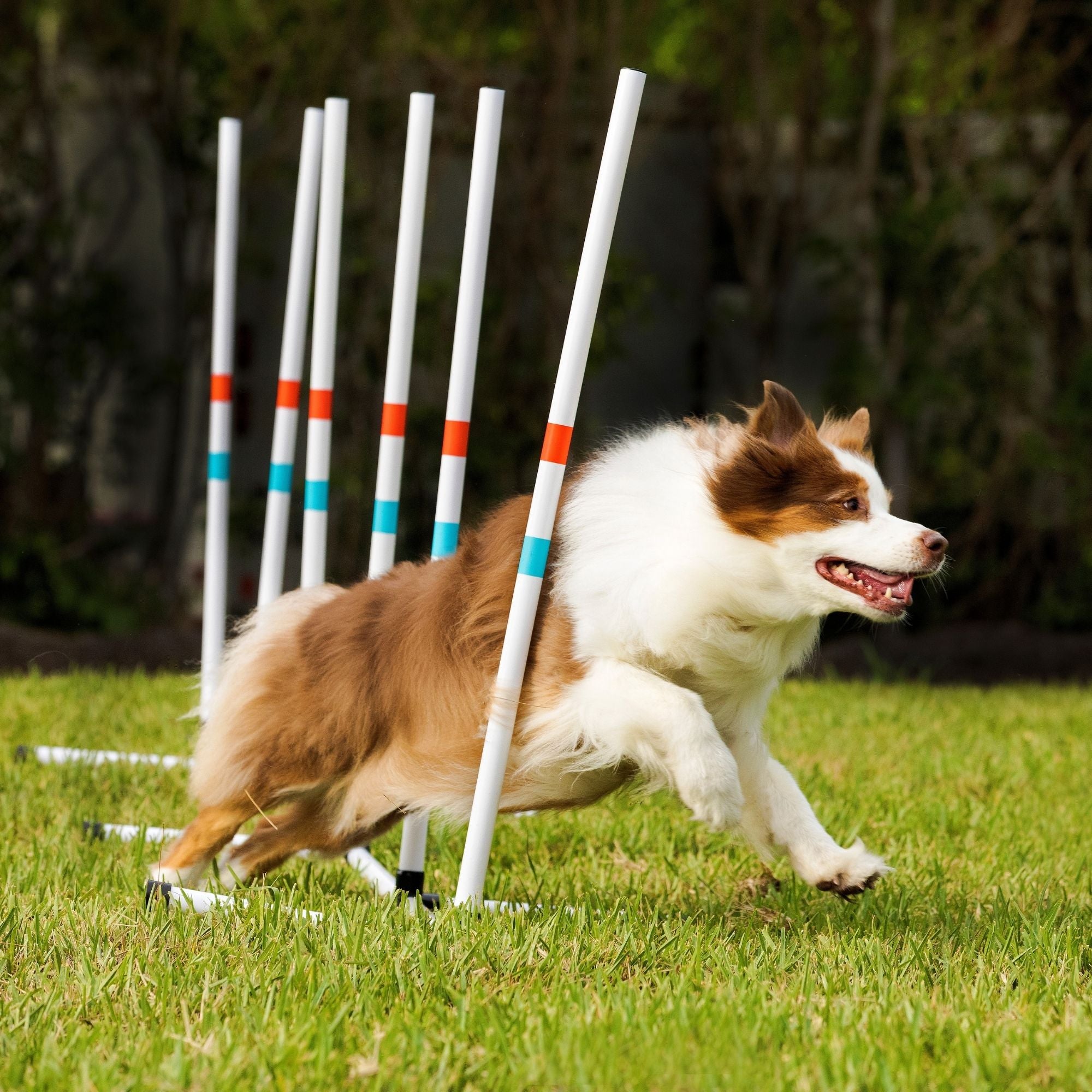
Dog weave poles represent one of the most iconic and visually impressive obstacles in the exciting sport of dog agility. For many observers, watching a dog fluidly navigate a series of upright poles is a testament to the animal’s athleticism, intelligence, and deep bond with its handler. These poles, typically arranged in a straight line, challenge a dog to weave in and out, entering the first pole with its shoulder on a specific side (usually the left) and continuing through the entire sequence. Understanding dog weave poles involves appreciating not just the physical demands but also the mental engagement required from a canine participant. This activity offers significant benefits beyond competition, serving as an excellent form of physical exercise, mental stimulation, and a powerful tool for strengthening the partnership between a dog and its owner. Mastering weave poles contributes to a dog’s overall well-being, enhancing coordination, focus, and confidence, while also deepening communication and trust within the human-canine team.
💡 Pet Care Key Takeaways:
- Core Focus: Practical health, nutrition, and wellness guidelines for Dog Weave Poles.
- Target Scope: Pet owners, animal caregivers, and veterinary support staff.
- Best Recommendation: Maintain consistent daily routines and consult an accredited veterinarian before introducing major diet or medical changes.
Common Causes and Key Factors for Training Weave Poles
Successfully training a dog to navigate weave poles involves understanding various factors that influence a dog’s learning process and performance. A dog’s inherent drive and breed characteristics often play a significant role; certain breeds, known for their agility and eagerness to work, may grasp the concept more readily. However, enthusiasm and patience from the handler are universally critical. A solid foundation in basic obedience commands, such as “stay,” “come,” and directional cues, provides the necessary groundwork. Physical condition is another crucial factor; dogs must be healthy, free from joint pain, and possess adequate muscle strength and flexibility to execute the intricate movements. Environmental factors, such as distractions during training sessions or the consistency of the training setup, can either aid or hinder progress. Furthermore, the handler’s ability to communicate clearly, use positive reinforcement effectively, and adapt training methods to the individual dog’s learning style profoundly impacts success. A dog’s natural curiosity and willingness to engage with its handler are foundational elements that can be nurtured through positive experiences with agility equipment. For more related activities, check out our What Trick Can Only A Border Collie Learn.
Signs and Symptoms to Observe During Weave Pole Training
During the process of teaching a dog to use weave poles, handlers should carefully observe various behaviors and physical cues that indicate understanding, confusion, or potential issues. A dog demonstrating confusion might hesitate at the entrance to the poles, look back at the handler for guidance, or attempt to go around the entire sequence rather than entering it. Skipping poles, where a dog misses one or more poles in the sequence, or “coring,” which involves hitting the poles with its body, are common signs that the dog has not fully grasped the required motion or is losing momentum. Frustration can manifest as barking, digging at the ground, or a general disengagement from the activity. Conversely, a dog that is engaged and understanding will exhibit eager anticipation, maintain focus on the task, and show enthusiasm for successive attempts. It is also important to monitor for any physical signs of discomfort, such as limping, stiffness, or reluctance to move through the poles, which could suggest an underlying physical issue requiring veterinary attention. Observing these signs helps handlers adjust their training approach and ensure the dog’s comfort and safety.
Practical Solutions and Management Strategies for Training
Effective training for dog weave poles relies on a systematic approach, patience, and positive reinforcement. Several proven methods can be employed to teach this complex skill. The “channel method” involves setting up two rows of poles initially widened to create a funnel, gradually narrowing them as the dog learns the weaving motion. The “2×2 method” breaks the weave poles into smaller, two-pole segments, teaching the dog to enter and exit correctly before combining more poles. Both methods emphasize positive reinforcement with high-value treats or toys for successful attempts, no matter how small. Consistency in training sessions, kept short and fun, is vital to prevent burnout and maintain a dog’s motivation. Handlers should focus on clear body language and verbal cues, positioning themselves strategically to guide the dog. Gradually increasing the number of poles once a dog is proficient with fewer ensures a smooth progression. It is also important to ensure the equipment is stable and correctly spaced, typically 22-24 inches apart, to provide a consistent learning environment. Regular warm-up and cool-down routines before and after training sessions help prevent injuries and maintain physical well-being.
When Professional Help May Be Needed
While many dog owners can successfully teach their dogs weave poles with dedication, certain situations warrant seeking professional guidance. If a dog exhibits persistent refusal, fear, or anxiety around the weave poles despite consistent positive training efforts, consultation with a certified professional dog trainer specializing in agility or a veterinary behaviorist may be beneficial. These professionals can identify underlying behavioral issues or fears that may be hindering progress. Any signs of physical discomfort, lameness, or decreased mobility during or after training should prompt an immediate veterinary examination. This ensures that no underlying medical condition, such as arthritis or soft tissue injury, is exacerbated by the physical demands of weave poles. Additionally, handlers aspiring to compete in dog agility at higher levels often benefit immensely from the nuanced instruction and specialized techniques offered by experienced agility coaches, who can refine technique, improve speed, and address specific challenges that arise during advanced training.
Conclusion
Dog weave poles represent more than just an agility obstacle; they symbolize a journey of partnership, discipline, and shared accomplishment between a dog and its handler. The process of mastering this challenging skill offers profound benefits, including enhanced physical fitness, improved mental focus, and a significant boost in a dog’s confidence. Through patient training, consistent positive reinforcement, and careful observation of a dog’s responses, owners can guide their companions to achieve this impressive feat. Understanding the appropriate training methods, recognizing signs of struggle or discomfort, and knowing when to seek professional assistance are all crucial components of a responsible approach. Ultimately, engaging with weave poles is a rewarding experience that strengthens the human-canine bond, making it a valuable addition to any dog’s activity repertoire. Prioritizing a dog’s well-being and making the training process enjoyable ensures a positive and enriching experience for all involved.
Pet Care & Wellness Overview Table
| Life Stage | Daily Activity Level | Key Nutrition / Care Focus |
|---|---|---|
| Puppy / Kitten | High (frequent short bursts) | High-protein growth diet & early socialization |
| Adult Companion | Moderate (30–60 mins daily) | Balanced maintenance nutrition & dental hygiene |
| Senior Pets | Low to Gentle (mindful walks) | Joint support (Glucosamine) & routine vet checks |
Images References


For more expert pet care tips and advice, check out our dedicated Dog Training guides to keep your companions healthy and happy.




