

Understanding the Role of Doggy Daycare Yuma AZ for Modern Pet Parents
Finding reliable daytime supervision is a fundamental aspect of responsible animal guardianship, particularly for households managing demanding work schedules or busy routines. According to the American Society for the Prevention of Cruelty to Animals (ASPCA), environmental enrichment and social stimulation are vital for maintaining psychological wellness in companion animals. For residents in the desert Southwest, exploring professional doggy daycare yuma az options provides a structured environment where dogs can expend physical energy away from home. Maintaining an active lifestyle keeps dogs balanced, yet desert climates require careful management of outdoor routines to protect sensitive paw pads and prevent heat-related stress. Explore more in our Pets collection.
💡 Pet Care Key Takeaways:
- Core Focus: Practical health, nutrition, and wellness guidelines for Doggy Daycare Yuma Az.
- Target Scope: Pet owners, animal caregivers, and veterinary support staff.
- Best Recommendation: Maintain consistent daily routines and consult an accredited veterinarian before introducing major diet or medical changes.
Defining Doggy Daycare Yuma AZ and Facility Standards
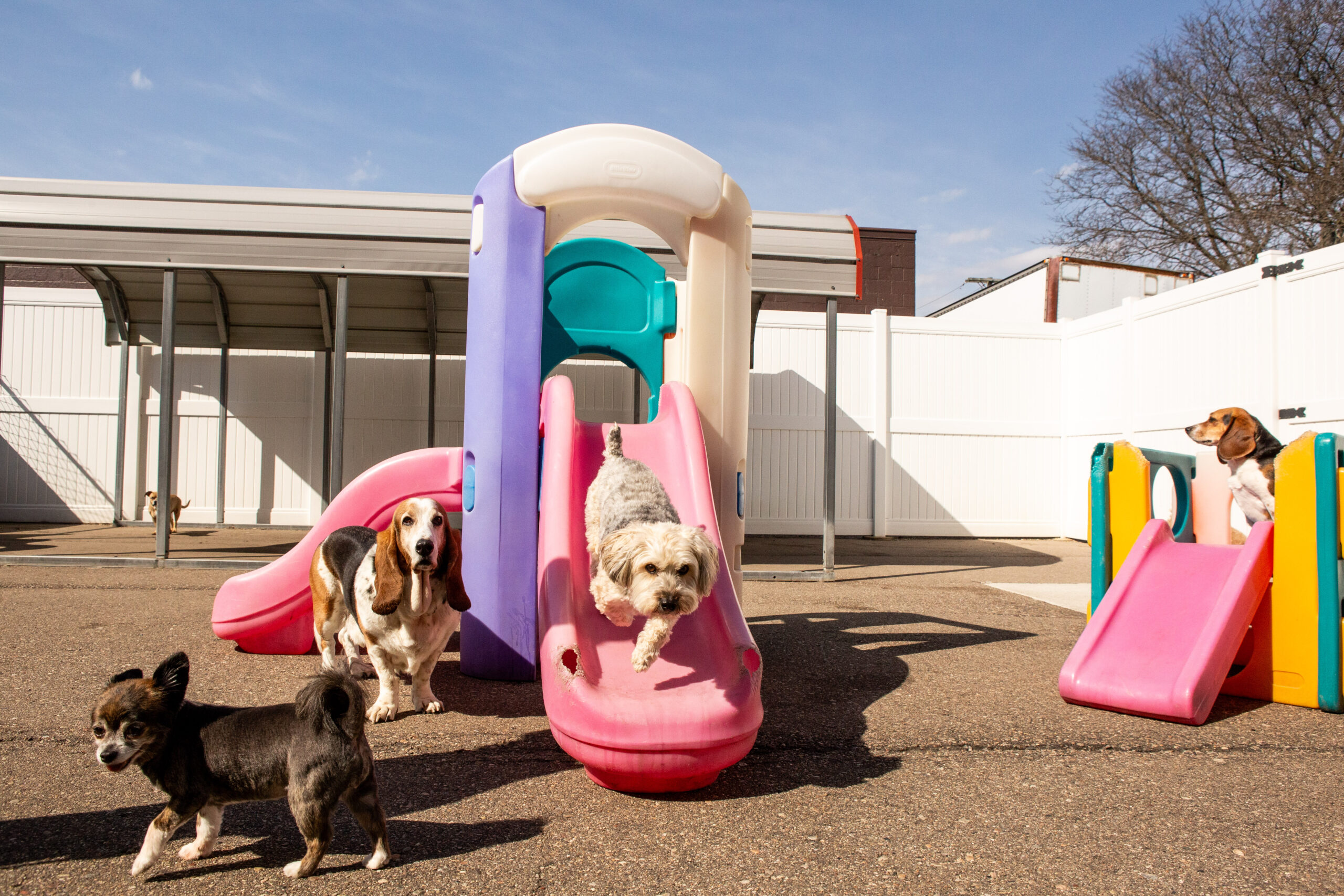
Doggy daycare yuma az refers to supervised group facilities designed to look after dogs during daytime hours while pet guardians are away. Quality establishments provide secure indoor and outdoor play spaces, attentive human supervision, and structured schedules that balance active play with mandatory rest periods. A well-managed center prioritizes animal safety through strict temperament evaluations, vaccination verification, and appropriate group sizing. Facility layout matters significantly in arid environments, as reliable climate control and shaded outdoor structures are essential to ensure the comfort and safety of participating dogs during periods of elevated ambient temperatures. For more related activities, check out our Doggy Daycare Kidderminster.
Evaluating Health and Behavioral Impacts of Group Play
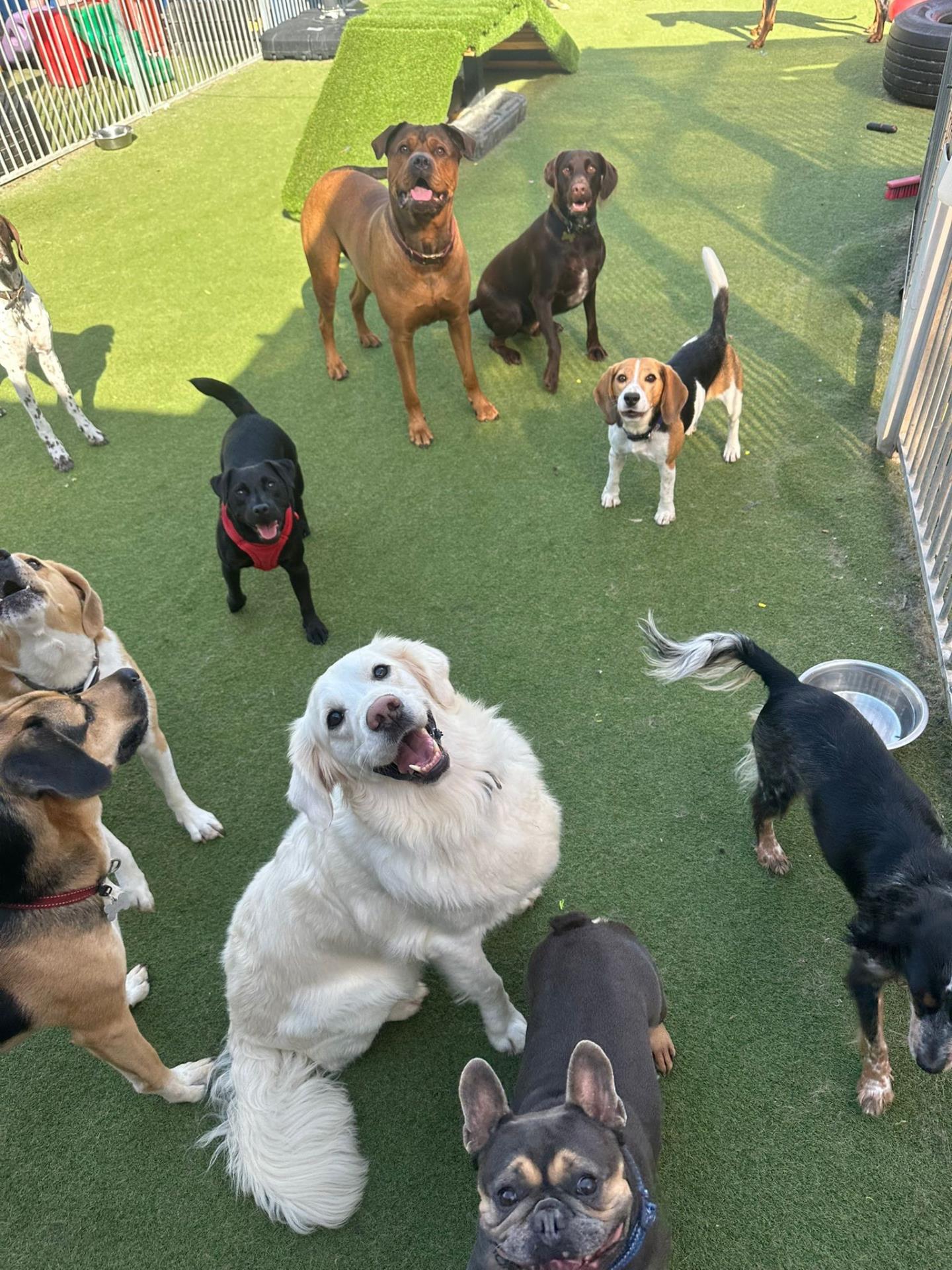
Participating in structured group settings influences both physical conditioning and social development in companion dogs. Regular supervised play supports cardiovascular health, muscle maintenance, and appropriate peer socialization. However, group environments also present potential challenges, such as the transmission of infectious respiratory illnesses or minor soft-tissue injuries from overexertion. Careful observation by trained handlers helps mitigate these risks by identifying early signs of canine fatigue or social tension before conflicts escalate. Establishing clear routines for hydration and cool-down periods further protects overall health.
Proper socialization in controlled environments helps reduce fear-based behaviors and supports lifelong adaptability in companion animals — American Kennel Club (AKC)
Selecting and Preparing for Doggy Daycare Yuma AZ
Integrating a dog into a communal daytime program requires deliberate preparation and careful facility selection. Guardians should research local establishments, tour the premises to assess cleanliness and staff-to-dog ratios, and inquire about emergency protocols. During initial visits, observing how staff members interact with animals offers valuable insight into their handling philosophy. Positive, reward-based management strategies create a low-stress atmosphere, whereas punitive or intimidation-based techniques should be strictly avoided in professional settings.
Best Practices and Common Mistakes to Avoid
Avoiding abrupt transitions is crucial when introducing a dog to a new daytime facility. Owners should arrange a trial day rather than committing immediately to a full-week schedule, allowing the dog to adjust to the novel sights, sounds, and unfamiliar peers at a manageable pace. A common mistake is assuming every dog naturally thrives in large playgroups; some animals actually prefer smaller, quieter environments or individual attention. Monitoring physical indicators such as panting rate, body posture, and appetite helps determine whether a specific program aligns with an individual dog’s comfort level.
Vaccination protocols, parasite prevention, and routine health checks are essential safeguards for animals participating in group housing or daycare — American Veterinary Medical Association (AVMA)
Pet Care & Wellness Overview Table
| Life Stage | Daily Activity Level | Key Nutrition / Care Focus |
|---|---|---|
| Puppy / Kitten | High (frequent short bursts) | High-protein growth diet & early socialization |
| Adult Companion | Moderate (30–60 mins daily) | Balanced maintenance nutrition & dental hygiene |
| Senior Pets | Low to Gentle (mindful walks) | Joint support (Glucosamine) & routine vet checks |
Images References






Breed, Age, and Temperament Considerations
Individual characteristics heavily influence how a dog experiences daytime group care. Brachycephalic breeds, such as Bulldogs and Pugs, possess anatomical traits that restrict efficient airflow, making them particularly vulnerable to heat stress in warm climates and requiring constant access to climate-controlled indoor spaces. Adolescent dogs often possess high energy levels that benefit from structured outlets, while senior dogs may find high-intensity group play overwhelming and more suited to gentle, low-impact settings. Understanding an animal’s unique behavioral profile ensures that placement decisions prioritize safety and emotional well-being over general convenience.
When to Consult a Veterinary Professional or Behavioral Specialist
Seeking expert guidance is necessary when a dog exhibits persistent anxiety, sudden behavioral shifts, or chronic health issues related to group environments. If an animal displays severe fear, continuous vocalization, or reactive responses during drop-off or pickup, guardians should consult a certified professional dog trainer or veterinary behaviorist for tailored support. Additionally, any signs of persistent coughing, lethargy, or unexplained injuries following a daycare session warrant an immediate evaluation by a licensed veterinarian to rule out infectious disease or physical trauma.
Ensuring Long-Term Success with Daytime Care Resources
Balancing convenience with animal welfare ensures that daytime supervision remains a positive addition to a dog’s routine. Pet guardians are encouraged to continue researching best practices through trusted resources such as Dog Behavior and Dog Training. Maintaining an open dialogue with facility staff and monitoring overall demeanor at home guarantees that the chosen arrangement consistently serves the best interests of the animal. Explore further guidance across related topics on PetsAnimalsWorld.com to support lifelong wellness.


