

Introduction
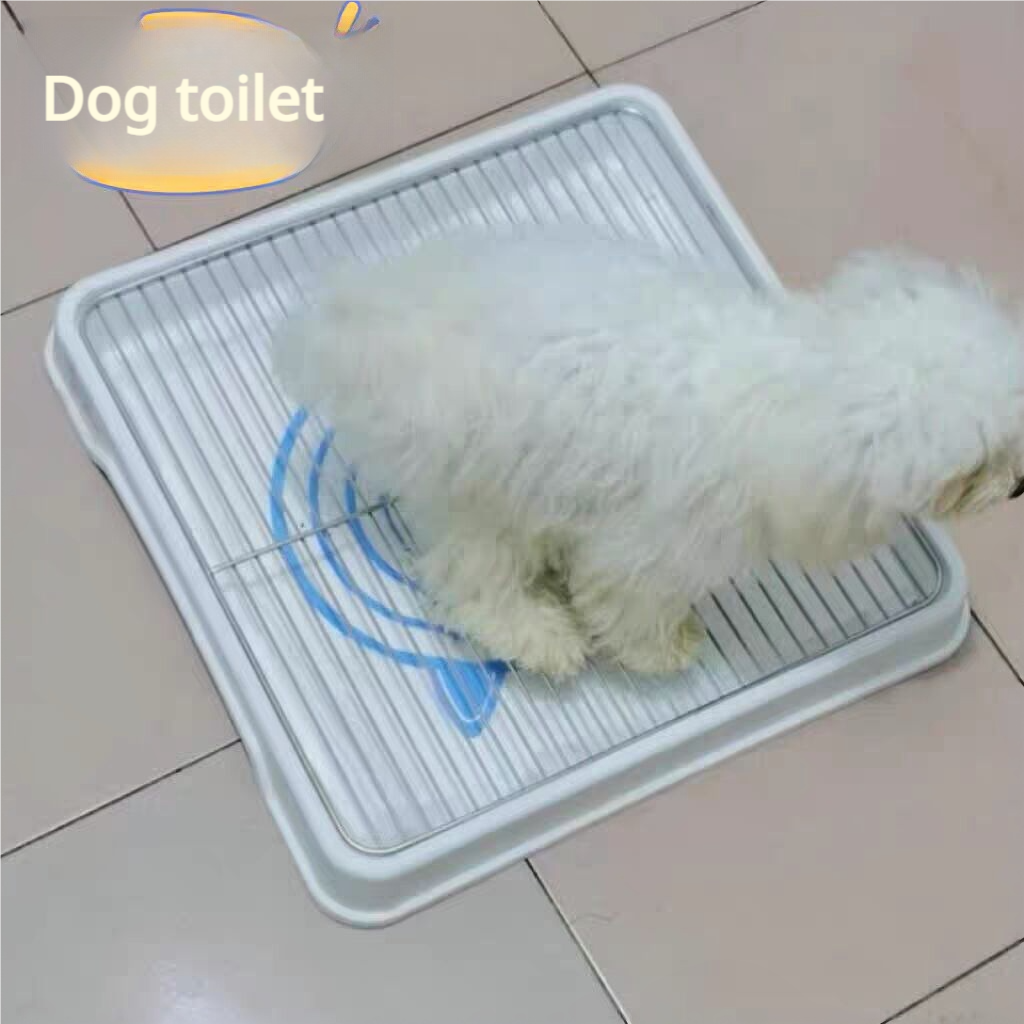
The term “doggy toilet” refers to a designated indoor area or device specifically designed for dogs to relieve themselves. This invaluable solution, often consisting of pee pads, artificial grass patches, or specialized litter box systems, provides a convenient and hygienic option for canine elimination when outdoor access is limited or impractical. For dog owners, particularly those residing in apartments, managing puppies, or caring for senior or recuperating dogs, understanding and implementing a doggy toilet system can significantly enhance a dogs well-being and simplify daily routines. It plays a crucial role in house-training, prevents indoor accidents, and offers a reliable alternative during inclement weather or when immediate outdoor trips are not feasible. Embracing the concept of a doggy toilet can lead to a more predictable environment for dogs, reducing stress for both canine companions and their human caregivers.
💡 Pet Care Key Takeaways:
- Core Focus: Practical health, nutrition, and wellness guidelines for Doggy Toilet.
- Target Scope: Pet owners, animal caregivers, and veterinary support staff.
- Best Recommendation: Maintain consistent daily routines and consult an accredited veterinarian before introducing major diet or medical changes.
Common Causes and Key Factors
The necessity and utility of a doggy toilet are influenced by several common factors. One primary reason is puppy house-training. Young puppies have limited bladder control and require frequent elimination opportunities, making an indoor doggy toilet an essential tool before they are fully vaccinated or capable of holding their bladder for extended periods. For more related activities, check out our Cesar Millan How To Stop Puppy Biting.
Urban living and limited outdoor access also contribute significantly. For dogs living in apartments or high-rise buildings, frequent trips outside can be challenging and time-consuming. A doggy toilet offers a practical solution, allowing pets to relieve themselves without immediate outdoor excursions.
Inclement weather conditions present another common scenario. Extreme heat, heavy rain, snow, or icy conditions can make outdoor potty breaks uncomfortable or even unsafe for dogs and their owners. An indoor option ensures continuity of routine regardless of the weather.
Senior dogs or those with mobility issues often benefit immensely. Older dogs may have reduced bladder control or difficulty navigating stairs or long walks, making easy indoor access to a doggy toilet a compassionate choice. Similarly, dogs recovering from surgery or managing chronic health conditions that affect mobility or bladder function find these systems incredibly helpful.
Lastly, owner schedules and lifestyle can be a factor. Pet owners with long working hours or unpredictable schedules might find a doggy toilet provides peace of mind, knowing their dog has a designated place to go when they cannot be immediately present.
Signs and Symptoms to Observe
Observing a dogs interaction with a doggy toilet, or their general potty habits, provides valuable insights. The most positive sign is consistent and correct usage of the designated doggy toilet area, indicating successful training and comfort with the system.
Conversely, inconsistent use or frequent accidents outside the doggy toilet suggest potential issues. This might manifest as urination or defecation on rugs, hard floors, or furniture. Such behavior could stem from confusion about the toilet’s purpose, stress, or an aversion to the type of doggy toilet provided (e.g., preference for a different texture than a pee pad).
Hesitation or reluctance to approach or use the doggy toilet is another indicator. A dog might circle the area, sniff around, and then move away to relieve itself elsewhere. This could point to the location being unappealing, the toilet not being clean enough, or a general discomfort.
Preference for other surfaces is also common, where a dog consistently chooses a specific texture (like carpet) over the doggy toilet. This often highlights the importance of matching the doggy toilet material to a dog’s natural preferences. Age and breed can influence these observations; puppies have more frequent needs and shorter warning signs, while some small breeds may have particular texture preferences.
Practical Solutions and Management Strategies
Effective management of a doggy toilet system centers on consistency, positive reinforcement, and understanding canine preferences. The first crucial step is establishing a consistent schedule. Regularly guide the dog to the doggy toilet after waking up, after meals, before bedtime, and after playtime.
Location is paramount. Place the doggy toilet in an easily accessible, quiet, and consistent spot, away from the dogs eating and sleeping areas. If possible, avoid high-traffic zones to minimize distractions.
Positive reinforcement is the most effective training method. Immediately after a dog successfully uses the doggy toilet, offer enthusiastic praise, a small treat, or a brief playtime session. This creates a strong positive association with using the correct spot. Avoid punishment for accidents, as this can lead to fear and secretive elimination.
Consider scent attraction. Some doggy toilets or training pads come with built-in attractants, or a specific “potty attractant” spray can be used. Placing a small, soiled piece of paper (from a previous successful use) under a clean pad can also help, as the scent guides the dog to the appropriate area.
For initial training, confining the dog to a smaller space with easy access to the doggy toilet can be beneficial. As proficiency increases, gradually expand the dog’s freedom. Ensure the doggy toilet is always clean; dogs are naturally inclined not to eliminate in a dirty area. Regular cleaning prevents odors and encourages continued use.
Experiment with different types of doggy toilets. Options include absorbent pads, artificial grass patches, and even real grass systems. Observing which texture or material a dog prefers can significantly improve success rates. If the ultimate goal is outdoor elimination, a doggy toilet can be gradually moved closer to an exit, helping transition the dog to outdoor potty breaks.
When Professional Help May Be Needed
While many challenges related to doggy toilet training and use can be resolved with consistent training and patience, certain situations warrant professional intervention.
Sudden changes in potty habits in a previously house-trained dog or one successfully using a doggy toilet should always prompt a veterinary visit. An abrupt increase in urination frequency, difficulty urinating, straining, or a complete refusal to use the designated area could indicate underlying medical conditions such as urinary tract infections, kidney issues, diabetes, or other health problems requiring diagnosis and treatment.
If persistent accidents occur despite diligent and consistent training efforts, or if a dog seems to actively avoid the doggy toilet even with proper setup and positive reinforcement, consulting a professional dog trainer or a certified canine behaviorist is advisable. They can assess the situation for behavioral issues such as anxiety, fear, or territorial marking that may not respond to standard training techniques.
Incontinence, where a dog leaks urine involuntarily, particularly while resting or sleeping, is another clear sign that veterinary attention is needed. This can be due to age-related changes, neurological issues, or other medical causes.
Any signs of aggression or resource guarding around the doggy toilet, or when a dog is approached during elimination, also require professional behavioral guidance to ensure safety and resolve underlying issues. Seeking professional help ensures a comprehensive approach to a dog’s health and behavioral well-being.
Conclusion
The “doggy toilet” stands as a versatile and practical solution for managing canine elimination needs, offering benefits ranging from simplifying puppy house-training to providing convenience for urban dwellers and comfort for senior or ailing pets. Successful implementation hinges on understanding a dog’s individual needs, consistent training, and positive reinforcement. Awareness of common factors influencing its use, vigilance in observing a dogs behavior, and proactive application of management strategies are vital for success. While most challenges can be overcome with patience and dedication, recognizing when to seek professional veterinary or behavioral support ensures that a dog’s health and well-being remain prioritized. Ultimately, a well-managed doggy toilet system contributes significantly to a harmonious living environment and a happy, healthy canine companion.
Pet Care & Wellness Overview Table
| Life Stage | Daily Activity Level | Key Nutrition / Care Focus |
|---|---|---|
| Puppy / Kitten | High (frequent short bursts) | High-protein growth diet & early socialization |
| Adult Companion | Moderate (30–60 mins daily) | Balanced maintenance nutrition & dental hygiene |
| Senior Pets | Low to Gentle (mindful walks) | Joint support (Glucosamine) & routine vet checks |
Images References


For more expert pet care tips and advice, check out our dedicated Dog Training guides to keep your companions healthy and happy.




