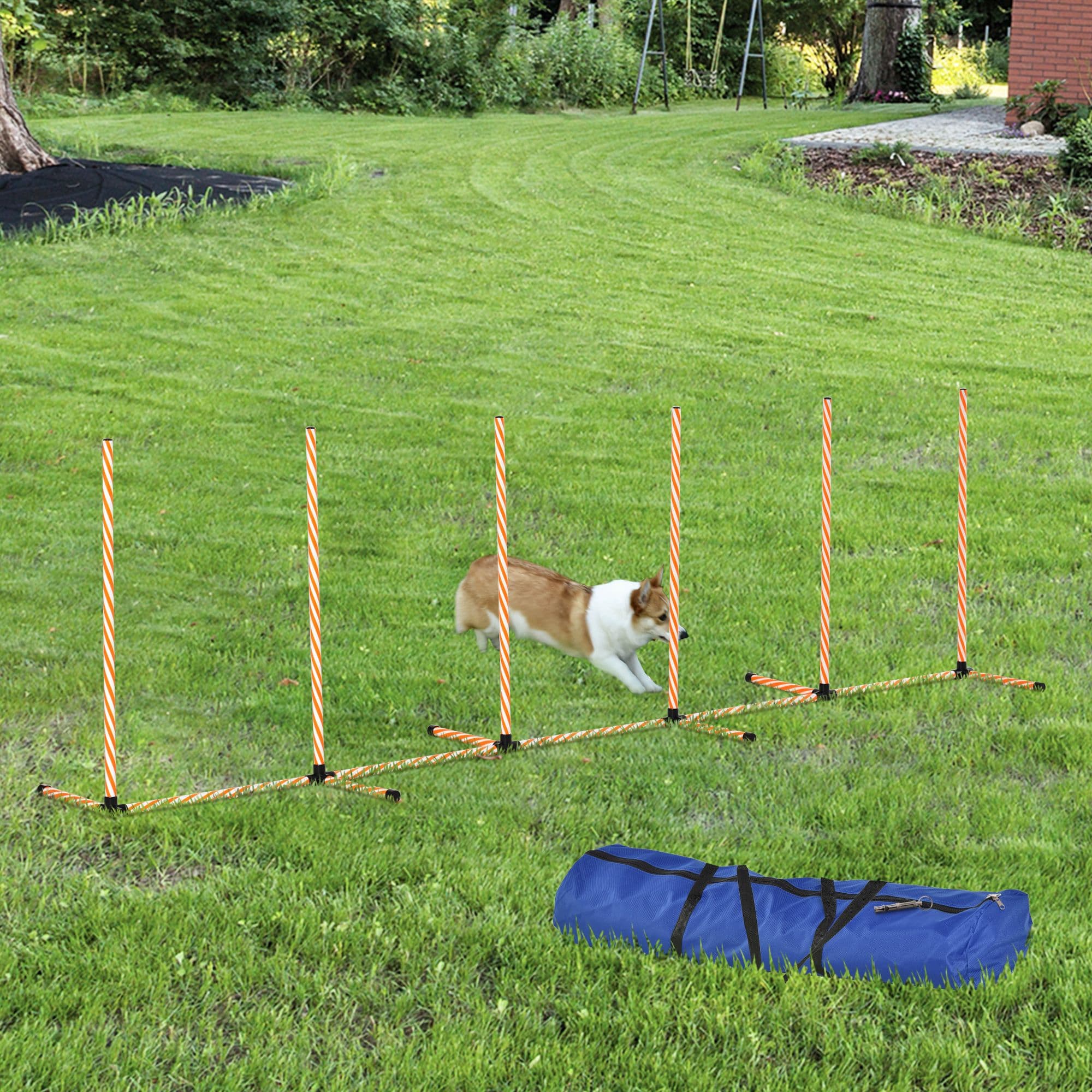
Introduction
In the dynamic world of dog sports, few obstacles capture the imagination and demonstrate a dog’s agility quite like the weave poles. This challenging yet highly rewarding discipline involves a dog navigating a precise zig-zag path through a series of upright poles. Understanding weave poles is crucial for dog owners interested in agility training, as it offers profound benefits beyond just competition. It serves as an excellent mental and physical exercise, enhancing a dog’s coordination, focus, and body awareness. For many companion dogs, mastering weave poles can provide an unparalleled outlet for energy and intellect, significantly improving their overall well-being and strengthening the bond with their handler. Explore more in our Dog Training collection.
💡 Pet Care Key Takeaways:
- Core Focus: Practical health, nutrition, and wellness guidelines for Weave Poles.
- Target Scope: Pet owners, animal caregivers, and veterinary support staff.
- Best Recommendation: Maintain consistent daily routines and consult an accredited veterinarian before introducing major diet or medical changes.
Common Causes and Key Factors
Success in teaching a dog to perform weave poles depends on several key factors and a solid foundation. A dog’s inherent aptitude often plays a role, with certain breeds known for their agility and drive demonstrating a natural inclination. However, almost any dog can learn with the right approach. The dog’s age and physical condition are paramount; puppies require gentler, shorter sessions to protect developing joints, while senior dogs may need modifications to avoid strain. For more related activities, check out our Iaabc Dog Behavior Welfare Enrichment Training Resources.
The handler’s consistency, patience, and clear communication are critical. Effective training relies on precise timing of rewards and clear verbal or physical cues. A dog’s motivation and enthusiasm also directly influence learning speed. Foundation skills such as strong recalls, “send-aways” (sending a dog ahead to an obstacle), and basic body awareness exercises contribute significantly to a dog’s readiness for this complex task. External factors like environmental distractions during training can impede progress, making a quiet, controlled setting ideal for initial learning. Furthermore, the chosen training method, whether channel weaves, V-set weaves, or 2×2 weaving, will impact the learning curve and approach. Discover more free resources across our collection library.
Signs and Symptoms to Observe
During weave pole training, observing a dog’s behavior provides valuable insights into its understanding and comfort level. Positive indicators include a dog showing enthusiasm for the activity, demonstrating a smooth, fluid weaving motion, maintaining speed and focus, and executing correct entries and exits into the pole sequence. These signs suggest the dog is engaged and comprehending the task.
Conversely, several “symptoms” can indicate challenges. These might include knocking over poles, running around poles instead of through them, incorrect entries (e.g., entering on the wrong side of the first pole), or a noticeable decrease in speed or enthusiasm. A dog may also exhibit signs of frustration, such as barking, disengaging from the task, or looking to the handler for excessive guidance without performing the action. These signs can vary depending on a dog’s confidence level, energy, and prior training experiences. For instance, a highly driven dog might become frustrated more vocally, while a timid dog might simply shut down or refuse to attempt the obstacle.
Practical Solutions and Management Strategies
Teaching weave poles effectively requires a systematic approach, starting with solid foundation work. Building a dog’s drive for toys or treats and establishing a reliable “send-away” command are excellent first steps. Several proven methods exist for introducing weave poles:
- Channel Weaves: This method uses poles that are initially set wide apart, creating a “channel” through which the dog runs straight. Gradually, the poles are moved closer together until they are in the standard upright position, helping the dog learn the motion organically.
- V-Set Weaves: Poles are angled to form a “V” shape, guiding the dog through the correct path. As the dog understands the movement, the poles are progressively straightened.
- 2×2 Weaving: This technique involves training a dog to weave through two poles at a time, mastering entries and exits. Once proficient with pairs, these segments are linked together to create the full weave pole sequence.
Regardless of the method, consistency and positive reinforcement are paramount. Training sessions should be short (5-10 minutes) and frequent, ending on a successful note to maintain the dog’s motivation. Using high-value rewards, such as favorite toys or tasty treats, helps mark and reinforce correct movements precisely. Handlers must pay attention to their body language and verbal cues, ensuring they are clear and consistent.
Troubleshooting common errors is an integral part of the process. If a dog struggles with entries, practicing entries from various angles can help solidify understanding. For dogs that skip poles, slowing down the exercise and providing clearer guidance or using more pronounced body cues can be beneficial. A lack of speed can often be addressed by increasing the dog’s drive and rewarding enthusiastic attempts more generously. Physical conditioning, ensuring the dog is fit and healthy, also plays a role in comfortable and agile weaving.
When Professional Help May Be Needed
While many dog owners can successfully introduce weave poles to their companions, certain situations warrant professional intervention. If a dog or handler experiences persistent frustration, leading to a breakdown in communication or enjoyment, seeking guidance from an experienced agility instructor is advisable. Professionals can assess individual learning styles and provide tailored strategies.
Safety concerns are paramount; if a dog appears to be injuring itself or exhibiting signs of physical discomfort during training, a veterinary consultation is crucial to rule out underlying health issues. Behavioral challenges that emerge during training, such as severe anxiety or uncharacteristic aggression, also necessitate a professional trainer or behaviorist. For those aspiring to compete in dog agility, professional instruction offers invaluable insights into advanced techniques, course strategies, and fine-tuning skills. Ultimately, if progress stalls despite consistent effort, or if a deeper understanding of agility mechanics is desired, a professional can provide the expertise needed to navigate these complex challenges effectively and safely.
Conclusion
The weave poles stand as a testament to a dog’s agility, intelligence, and the powerful partnership forged with its handler. More than just an obstacle, mastering weave poles offers significant benefits, fostering physical fitness, mental engagement, and a deeper bond between dog and owner. The journey involves understanding key factors, observing a dog’s cues, and applying practical, positive reinforcement-based training strategies. With patience, consistency, and a willingness to adapt training methods, any dog can experience the joy and accomplishment of weaving. Embracing this exciting aspect of dog sports not only enhances a dog’s overall well-being but also opens up a world of shared activity and mutual respect, aligning perfectly with the educational mission of petsanimalsworld.com to enrich the lives of pets and their human companions.
Pet Care & Wellness Overview Table
| Life Stage | Daily Activity Level | Key Nutrition / Care Focus |
|---|---|---|
| Puppy / Kitten | High (frequent short bursts) | High-protein growth diet & early socialization |
| Adult Companion | Moderate (30–60 mins daily) | Balanced maintenance nutrition & dental hygiene |
| Senior Pets | Low to Gentle (mindful walks) | Joint support (Glucosamine) & routine vet checks |
Images References