Introduction
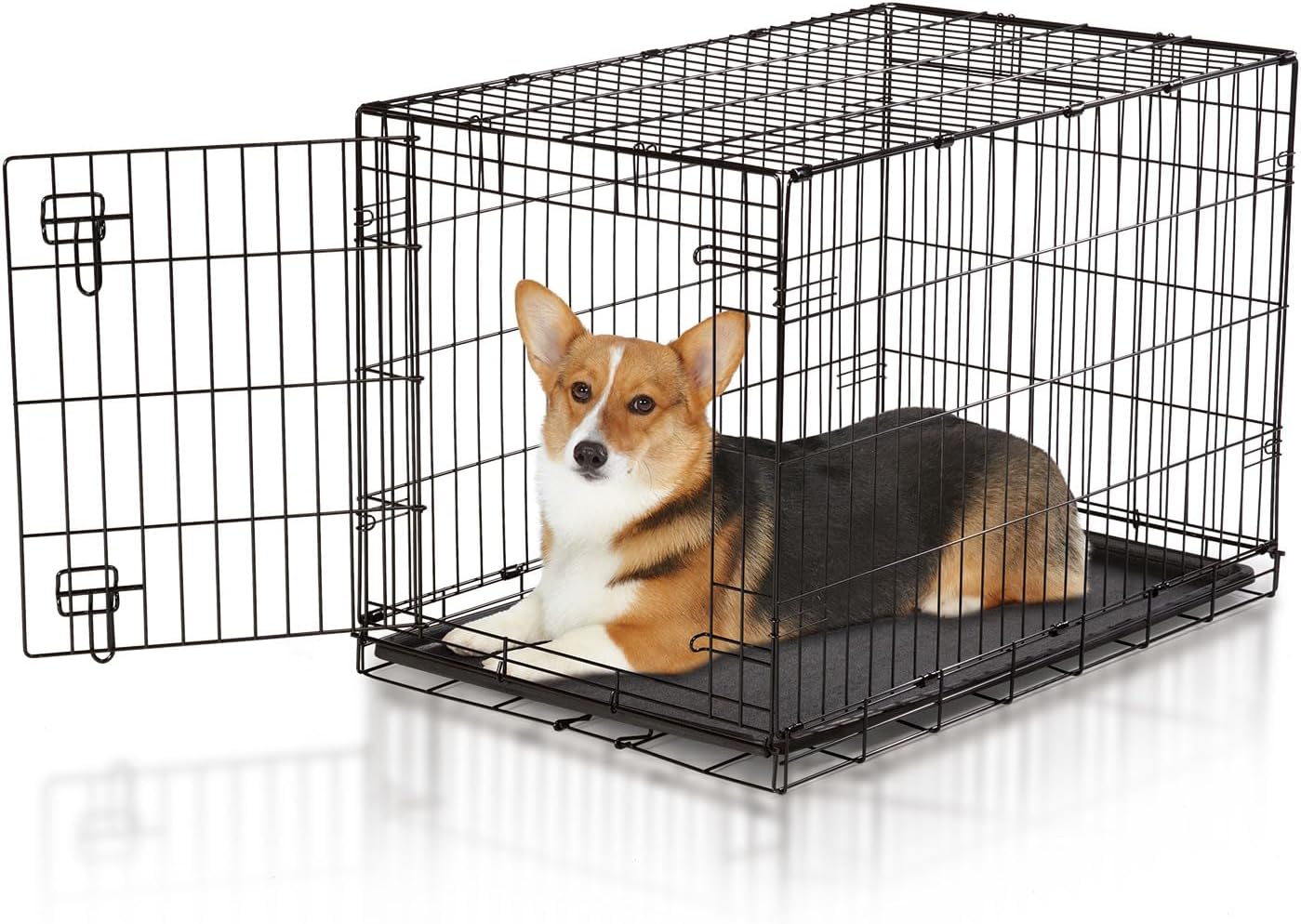
Crates for dogs are enclosed spaces, often made of wire, plastic, or fabric, designed to serve various purposes in a canine companion’s life. These structures function much like a den, providing a secure and personal space for a dog within a home or during travel. Understanding the proper use and benefits of dog crates is crucial for responsible dog ownership, as they can significantly aid in house-training, manage behavioral challenges, ensure safety, and offer a comfortable retreat. The concept of crating is often introduced with puppies for house-training and preventing destructive behaviors, but it remains a valuable tool for adult dogs as well, contributing to their overall well-being and a more harmonious household environment. Explore more in our Dog Training collection.
💡 Pet Care Key Takeaways:
- Core Focus: Practical health, nutrition, and wellness guidelines for Dogs Crates.
- Target Scope: Pet owners, animal caregivers, and veterinary support staff.
- Best Recommendation: Maintain consistent daily routines and consult an accredited veterinarian before introducing major diet or medical changes.
Common Causes and Key Factors
The primary reasons for introducing dogs to crates are rooted in canine psychology and practical management needs. One significant factor is the natural denning instinct of dogs, which leads them to seek out small, enclosed spaces for security and rest. A properly introduced crate fulfills this innate desire, providing a sense of safety. For more related activities, check out our Kikkopupbiting.
House-training is another common impetus for crate use. Dogs instinctively avoid soiling their sleeping areas, making a crate an effective tool for teaching bladder and bowel control when used correctly alongside a consistent potty schedule. Furthermore, crates are invaluable for preventing destructive behaviors, such as chewing furniture or inappropriate urination, particularly when a dog is unsupervised or during initial adjustment periods. Discover more free resources across our collection library.
Key factors influencing successful crate use include selecting the appropriate size and type of crate. A crate should be large enough for a dog to stand up, turn around, and lie down comfortably, but not so large that it can relieve itself in one corner and sleep in another. Crate types vary from durable wire models for ventilation to solid plastic options for travel and a den-like feel. The placement of the crate also matters; a quiet, draft-free spot in a central area of the home often helps a dog feel included and secure. Gradual, positive introduction methods are paramount to ensuring a dog views its crate as a safe haven rather than a place of punishment or confinement.
Signs and Symptoms to Observe
Observing a dogs behavior when it interacts with its crate can provide significant insights into its comfort level and acceptance of the space. Positive indicators include voluntarily entering the crate, settling down quickly, appearing relaxed inside, and seeking out the crate for naps or quiet time. Such behaviors suggest the dog views its crate as a secure and personal den.
Conversely, signs of discomfort or stress require attention. Vocalization, such as persistent whining, barking, or howling when crated, often indicates distress or a lack of proper acclimation. Attempts to escape, including scratching, biting at the crate, or pushing against the door, signal anxiety or frustration. Elimination accidents inside the crate, especially if a dog has recently had a potty break, can point to stress, an improperly sized crate, or an underlying medical issue.
Other concerning behaviors include destructive chewing of bedding or toys within the crate, excessive drooling, panting, trembling, or persistent pacing. A dogs refusal to enter the crate, backing away, cowering, or struggling when guided towards it are clear indicators of aversion. These signs can vary depending on a dogs age, previous experiences with crates, and individual temperament, with puppies often exhibiting initial resistance that typically subsides with proper training.
Practical Solutions and Management Strategies
Effective management of dogs and their crates revolves around creating a positive association and implementing gradual training methods. The foundation of successful crate training is positive reinforcement, ensuring that a dog perceives its crate as a rewarding and safe place. This involves feeding meals inside the crate, placing high-value treats and favorite toys within it, and offering verbal praise when a dog enters voluntarily.
A gradual introduction is crucial. Initially, allow a dog to explore the crate with the door open, never forcing entry. Once comfortable, introduce very short periods with the door closed, gradually extending the duration as a dogs comfort level increases. It is imperative that the crate is never used as a form of punishment, as this can create negative associations and fear.
Ensuring the crate environment is comfortable and stimulating contributes significantly to success. Providing soft, comfortable bedding and safe, durable chew toys can help a dog relax and engage positively within its space. For some dogs, covering the crate with a blanket can help reduce visual stimulation and enhance the den-like feel. Establishing a consistent daily schedule that includes adequate exercise and frequent potty breaks before crating can also prevent accidents and promote calm behavior. For dogs exhibiting signs of separation anxiety, specialized desensitization and counter-conditioning techniques may be necessary, often requiring patience and consistency.
When Professional Help May Be Needed
While many dogs successfully adapt to crates with consistent positive reinforcement, certain situations warrant professional intervention. Persistent and severe anxiety symptoms, such as incessant howling, destructive behavior that damages the crate or causes self-harm, or extreme distress whenever confined, suggest a deeper issue that may require expert guidance.
Aggressive behaviors related to the crate, including growling or biting when approached while inside or resisting entry with aggression, are serious signs that necessitate professional evaluation. Similarly, consistent elimination issues within the crate, despite proper sizing, frequent potty breaks, and a clean environment, could indicate underlying medical problems or significant behavioral stress, making a veterinary check-up advisable.
If a dog exhibits a long-term aversion to the crate, showing no improvement despite diligent and positive training efforts, consultation with a certified professional dog trainer or a veterinary behaviorist is highly recommended. These experts can assess the specific situation, rule out medical causes, and develop a tailored behavior modification plan to address the challenges effectively. Seeking professional assistance ensures a dog’s well-being and can prevent the escalation of behavioral issues.
Conclusion
Crates, when used thoughtfully and humanely, are invaluable tools for enhancing the safety, training, and overall well-being of dogs. They provide a secure den, aid in house-training, prevent destructive behaviors, and facilitate safe travel. The success of crating hinges on proper introduction, consistent positive reinforcement, and careful observation of a dogs responses. By understanding the principles of crate training and remaining attentive to a dogs individual needs, owners can transform the crate from a mere enclosure into a cherished sanctuary. Responsible and informed crate use fosters a more secure, well-behaved, and ultimately happier life for canine companions, aligning perfectly with the educational mission of petsanimalsworld.com.
Pet Care & Wellness Overview Table
| Life Stage | Daily Activity Level | Key Nutrition / Care Focus |
|---|---|---|
| Puppy / Kitten | High (frequent short bursts) | High-protein growth diet & early socialization |
| Adult Companion | Moderate (30–60 mins daily) | Balanced maintenance nutrition & dental hygiene |
| Senior Pets | Low to Gentle (mindful walks) | Joint support (Glucosamine) & routine vet checks |
Images References