

Introduction
An extra long dog lead represents a valuable tool in responsible dog ownership, offering an extended connection between a dog and its handler. This type of lead, typically ranging from 10 feet to over 50 feet in length, provides a significant increase in the dog’s freedom to explore, sniff, and move within a controlled environment. The importance of understanding and correctly utilizing an extra long dog lead stems from its potential to profoundly improve a dogs physical exercise, mental stimulation, and training outcomes. This concept is particularly relevant for owners seeking to enhance recall training, provide decompression walks, or simply allow a dog more naturalistic movement in safe, open spaces, ultimately contributing to better behavior and an enriched quality of life.
💡 Pet Care Key Takeaways:
- Core Focus: Practical health, nutrition, and wellness guidelines for Extra Long Dog Lead.
- Target Scope: Pet owners, animal caregivers, and veterinary support staff.
- Best Recommendation: Maintain consistent daily routines and consult an accredited veterinarian before introducing major diet or medical changes.
Common Causes and Key Factors
The primary motivation behind employing an extra long dog lead is to grant a dog greater autonomy within a secure boundary. One key factor is its indispensable role in recall training. By extending the distance from the handler, it allows a dog to practice returning from a greater range, building confidence and reliability before transitioning to off-leash scenarios. For more related activities, check out our How Much Do Animal Behaviorists Cost.
Another significant factor involves facilitating decompression walks. These walks prioritize a dog’s natural sniffing and exploration behaviors over structured heeling, which is crucial for mental well-being and stress reduction. An extra long lead enables this freedom while maintaining safety.
For reactive or anxious dogs, an extra long lead can provide necessary space from triggers, allowing them to observe and process their environment from a safe distance without feeling constrained or overwhelmed. This can be instrumental in behavior modification protocols.
Furthermore, dogs with high energy levels or those in environments without secure fencing can greatly benefit. It permits a dog to exercise and move more freely than on a standard leash, satisfying physical needs while preventing wandering or unsafe encounters. Environmental factors, such as open fields, quiet parks, and beaches, are ideal settings for effective and safe use of an extra long dog lead, whereas crowded urban areas may pose practical challenges due to entanglement risks and limited space.
Signs and Symptoms to Observe
When utilizing an extra long dog lead, careful observation of a dog’s behavior and the surrounding environment is crucial to ensure a positive and safe experience. Key indicators revolve around the dog’s comfort, engagement, and adherence to established training.
A dog exhibiting relaxed body language, such as a loose wagging tail, sniffing the ground extensively, and moving freely without excessive pulling, suggests beneficial engagement. Conversely, signs of discomfort might include a dog constantly looking back at the handler, frequently becoming tangled, or demonstrating reluctance to explore the full lead length.
Observation of the dog’s responsiveness to commands at a distance is also vital. A well-trained dog should respond promptly to recall, “leave it,” or “wait” commands, even when given the freedom of the longer lead. Inconsistent responses may indicate a need for further training reinforcement.
The dog’s interaction with its surroundings provides further insight. A dog safely navigating obstacles, avoiding other individuals or animals with appropriate distance, and not exhibiting excessive reactivity demonstrates good management. Variances in these observations can depend on the dog’s age and breed; for instance, a scent hound might become more absorbed in smells, requiring more attentive handling. The environment also plays a role; a busy park requires more vigilance than a secluded field.
Practical Solutions and Management Strategies
Effective utilization of an extra long dog lead requires a blend of appropriate equipment, consistent training, and mindful handling. The first step involves selecting the right equipment. Leads should be made from durable, lightweight material, such as biothane or nylon, and feature a robust clip. Lengths typically vary from 15 to 50 feet, and the choice depends on the intended use and available space. A comfortable, well-fitting harness is preferred over a collar to avoid neck strain if the dog suddenly reaches the end of the lead.
Training fundamentals must be solidified before relying heavily on an extra long lead. Strong recall, “leave it,” and “wait” commands are paramount. Practice these commands initially in a quiet, low-distraction environment, gradually increasing distance and complexity. Positive reinforcement, such as high-value treats and praise, reinforces desired behaviors.
Handling techniques are crucial for safety and control. The lead should be held securely but not tightly, allowing for quick adjustments. Instead of letting the entire lead drag, coiling or gathering sections can help manage excess length. Footwork is essential; handlers should be prepared to move with the dog and anticipate directional changes to prevent tangles or sudden jerks. Dropping the lead and stepping on it can be a quick way to stop a dog if it heads towards danger, but this requires practice in a controlled setting.
Location selection is equally important. Choose spacious, open areas free from heavy traffic, dense brush that could cause tangles, or excessive distractions. Always be aware of other dogs, people, and potential hazards in the environment. Gradually introduce the extra long lead, starting with shorter lengths or in less stimulating environments, and progressively increase the challenge as the dog’s confidence and reliability grow. Regular inspection of the lead for wear and tear is also a vital safety protocol.
When Professional Help May Be Needed
While an extra long dog lead is a highly beneficial tool, there are specific situations where professional guidance from a certified dog trainer or veterinary behaviorist becomes appropriate. This ensures the safety and well-being of both the dog and its handler, as well as the public.
If a dog consistently exhibits strong pulling or lunging behaviors even when given ample lead length, indicating a lack of understanding or control, professional intervention may be necessary. These behaviors can pose injury risks to the handler and compromise the lead’s integrity.
Difficulties with recall or other critical obedience commands persist despite consistent training efforts using the extra long lead. If a dog ignores commands, potentially leading to unsafe situations, a trainer can assess the training methods and suggest more effective strategies.
For dogs with significant reactivity, fear, or aggression issues, an extra long lead is often part of a management plan. However, if using the lead inadvertently escalates the dogs reactivity or if owners struggle to manage these behaviors effectively, a professional behaviorist can provide tailored strategies and support.
Furthermore, if a handler finds it consistently challenging to safely manage the lead, frequently getting tangled, tripping, or feeling overwhelmed, a trainer can offer practical handling techniques and build confidence. Any sudden or persistent new behavioral concerns observed during the use of the extra long lead, such as increased anxiety or frustration, warrant consultation with a professional to rule out underlying issues and adjust training approaches. Seeking professional input in these scenarios ensures that the extra long dog lead remains a positive and productive tool rather than a source of stress or danger.
Conclusion
The extra long dog lead serves as an invaluable asset for dog owners committed to enhancing their canine companion’s physical and mental well-being. By providing extended freedom within a secure framework, it supports crucial training goals like recall, facilitates enriching decompression walks, and offers vital space management for reactive dogs. Responsible use hinges on careful equipment selection, consistent reinforcement of core obedience commands, and skilled handling techniques to navigate diverse environments safely. Ongoing awareness of a dog’s behavior and the surrounding area is paramount. When challenges arise, particularly concerning persistent pulling, unreliable recall, or escalating behavioral issues, seeking professional guidance from a qualified dog trainer or veterinary behaviorist ensures that the tool is applied most effectively and safely. Embracing the extra long dog lead with knowledge and diligence can significantly strengthen the bond between a dog and its owner, fostering a more harmonious and fulfilling life for both.
Pet Care & Wellness Overview Table
| Life Stage | Daily Activity Level | Key Nutrition / Care Focus |
|---|---|---|
| Puppy / Kitten | High (frequent short bursts) | High-protein growth diet & early socialization |
| Adult Companion | Moderate (30–60 mins daily) | Balanced maintenance nutrition & dental hygiene |
| Senior Pets | Low to Gentle (mindful walks) | Joint support (Glucosamine) & routine vet checks |
Images References



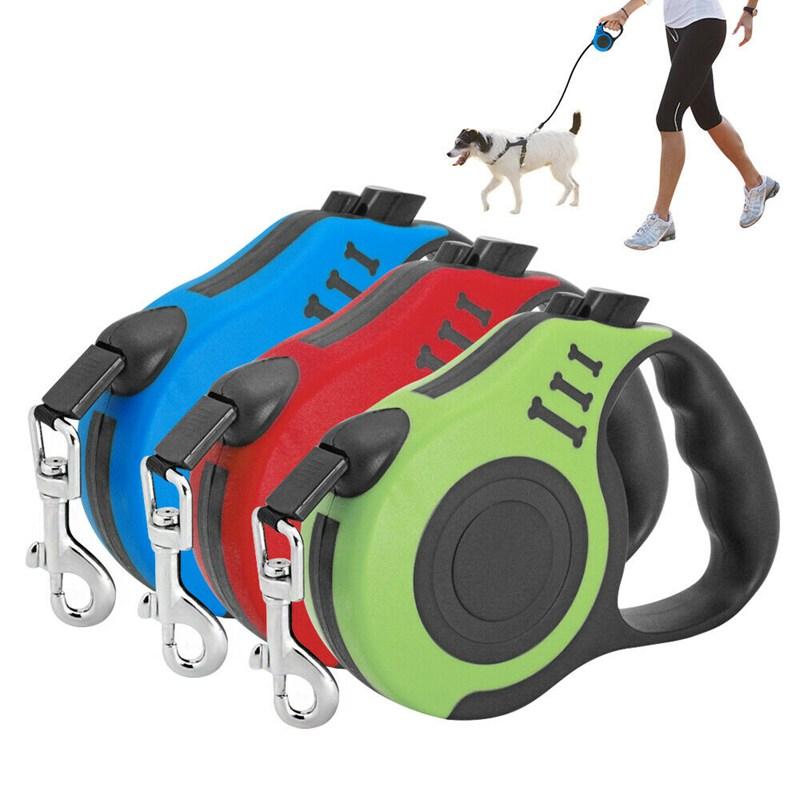


For more expert pet care tips and advice, check out our dedicated Dog Training guides to keep your companions healthy and happy.




