
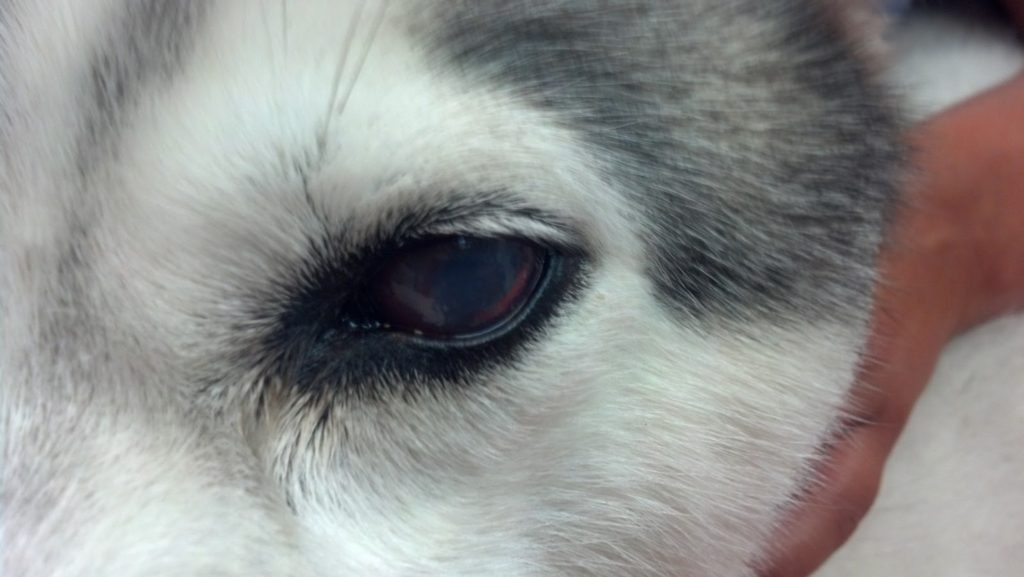
Understanding the unique ocular health needs of the striking Siberian breed requires careful attention from every dedicated canine guardian.
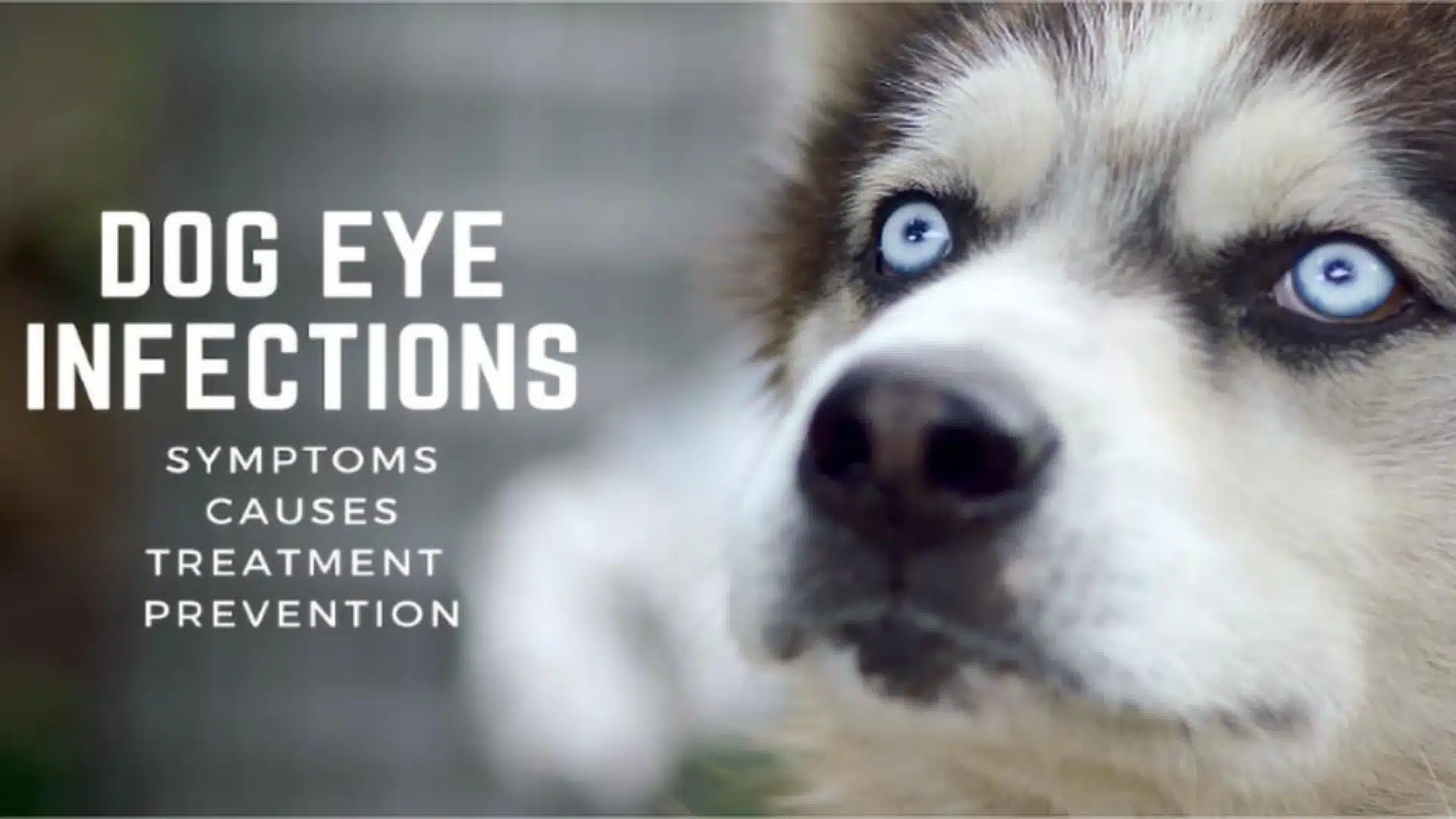
According to the American Kennel Club (AKC), striking blue or multi-colored eyes are a signature trait of the Siberian Husky, yet these captivating features also require specialized vigilance from caregivers. Walking through a clinic door, veterinarians often notice that these northern dogs possess an intense, piercing gaze that stops people in their tracks. Beneath that striking appearance, however, lies a distinct physiological makeup that can occasionally predispose the breed to specific visual challenges. Recognizing these vulnerabilities early allows owners to protect their companion’s sight for a lifetime.
💡 Pet Care Key Takeaways:
- Core Focus: Practical health, nutrition, and wellness guidelines for Eye Conditions Husky.
- Target Scope: Pet owners, animal caregivers, and veterinary support staff.
- Best Recommendation: Maintain consistent daily routines and consult an accredited veterinarian before introducing major diet or medical changes.
Juvenile cataracts represent one of the most widely documented inherited visual impairments affecting this northern working breed.
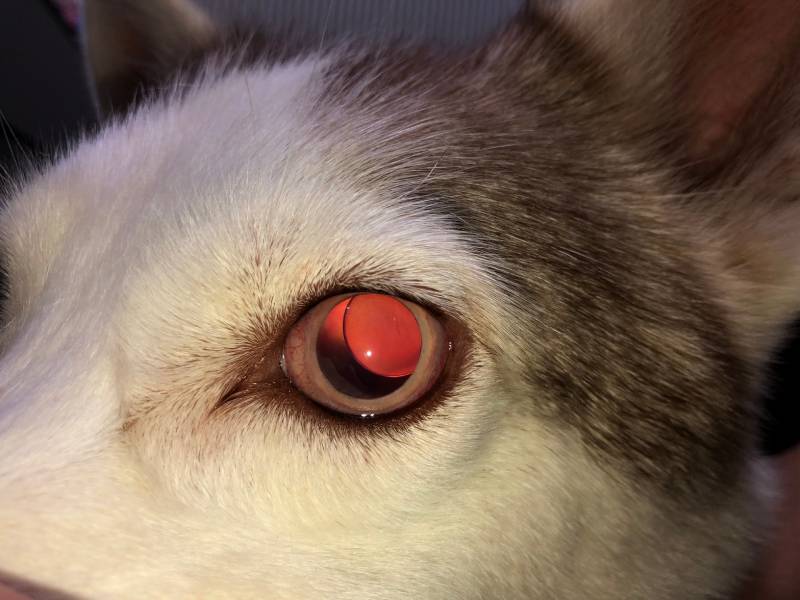
Juvenile cataracts refer to an opacity or clouding of the crystalline lens inside the eye that develops during a dog’s youth, typically between the ages of six months and three years. Unlike age-related changes seen in older seniors, this inherited condition can obstruct light from reaching the retina, gradually diminishing clarity and altering perception. During routine physical examinations, veterinary specialists look for subtle grey or white discs forming behind the pupil. While some minor opacities remain static and cause minimal disruption, others progress rapidly and require specialized surgical intervention to restore functional vision. For more related activities, check out our Dog Illness Symptoms.
Canine glaucoma and progressive retinal atrophy bring severe physiological consequences that demand prompt medical recognition.
Canine glaucoma is a painful condition characterized by elevated pressure within the eye caused by inadequate drainage of aqueous humor, the clear fluid inside the front chambers. Meanwhile, progressive retinal atrophy (PRA) involves the gradual degeneration of photoreceptor cells in the retina, ultimately leading to total blindness. Both conditions cause profound physiological stress and alter how a canine interacts with its environment, often leading to hesitancy in dim light or unexpected clumsiness around familiar household furniture. Left unmanaged, fluid pressure buildup triggers chronic headaches and irreversible tissue damage.
Hereditary eye disorders such as cataracts and progressive retinal atrophy are among the top health concerns monitored in purebred canine registries — American Kennel Club (AKC)
Proactive daily care and structured veterinary monitoring serve as the ultimate defense against vision loss.
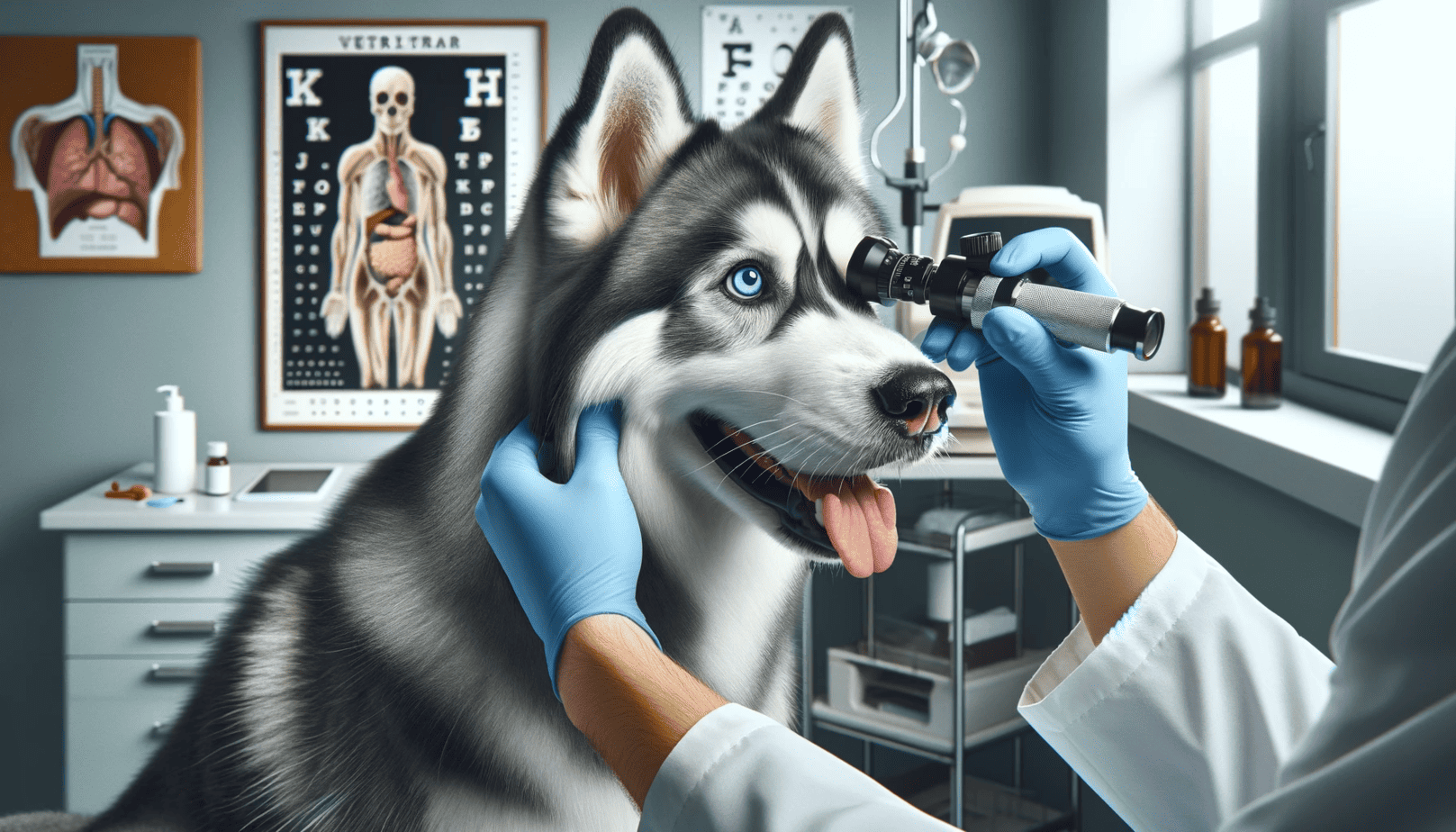
Routine physical assessments at home involve gently lifting the dog’s chin under good lighting to inspect the clarity of the cornea and the color of the sclera. Owners should watch for warning signs such as excessive tearing, squinting, persistent pawing at the face, or a bluish-white film developing over the iris. When outdoor adventures take these active canines through dense brush or snowy fields, protective measures help prevent traumatic corneal abrasions from sharp twigs and harsh winter glare. Establishing a baseline of ocular health ensures that any sudden shift in appearance or behavior gets addressed immediately.
Avoiding common management missteps ensures that minor irritations never escalate into emergency situations.
A frequent mistake among pet owners is assuming that a cloudy eye is simply a normal sign of aging rather than a medical red flag requiring professional diagnosis. Furthermore, utilizing leftover human eye drops or unprescribed medications can severely compromise corneal integrity and exacerbate underlying infections. Careful observation prevents delayed treatment, while regular ophthalmic screenings by a board-certified veterinary ophthalmologist catch microscopic changes before they manifest as overt behavioral shifts. Maintaining a clean facial environment free of debris reduces localized irritation significantly.
Routine veterinary ophthalmology screenings can identify inherited ocular anomalies during the early stages when medical management is most effective — American Veterinary Medical Association (AVMA)
Pet Care & Wellness Overview Table
| Life Stage | Daily Activity Level | Key Nutrition / Care Focus |
|---|---|---|
| Puppy / Kitten | High (frequent short bursts) | High-protein growth diet & early socialization |
| Adult Companion | Moderate (30–60 mins daily) | Balanced maintenance nutrition & dental hygiene |
| Senior Pets | Low to Gentle (mindful walks) | Joint support (Glucosamine) & routine vet checks |
Images References


Breed genetics and individual aging processes heavily influence the likelihood of developing specific visual anomalies.
The genetic predisposition tied to certain lineages means that reputable breeders conduct certified eye clearances through organizations like the Orthopedic Foundation for Animals (OFA) prior to breeding. As these energetic companions transition into their golden years, natural cellular aging compounds any underlying genetic vulnerabilities. Understanding the specific background of a canine lineage provides valuable insight into potential future health trajectories. Responsible guardianship bridges the gap between genetic risk and a long, visually vibrant life.
Professional veterinary intervention remains absolutely non-negotiable when dealing with any acute signs of discomfort or sudden vision changes.
Any sudden redness, cloudiness, or signs of ocular pain warrant an immediate veterinary evaluation rather than a wait-and-see approach. Because conditions like acute glaucoma can cause permanent blindness within hours, rapid diagnostic testing—such as measuring intraocular pressure with a tonometer—is critical. Veterinarians utilize specialized staining techniques to rule out painful surface ulcers before prescribing appropriate medical therapies. Partnering closely with a trusted veterinary team guarantees that every furry companion receives accurate diagnostics tailored precisely to their physiological status.
Protecting your canine companion’s precious sight requires ongoing education, careful observation, and a strong partnership with your veterinary team.
Safeguarding the health of these magnificent animals extends far beyond providing daily meals and long runs; it encompasses total body wellness, including ocular preservation. By staying informed about potential breed-specific challenges, every owner contributes to a higher quality of life for their four-legged friend. Explore more expert advice and comprehensive guides right here on PetsAnimalsWorld.com, including specialized resources on Dog Health and essential Dog Care strategies.


