
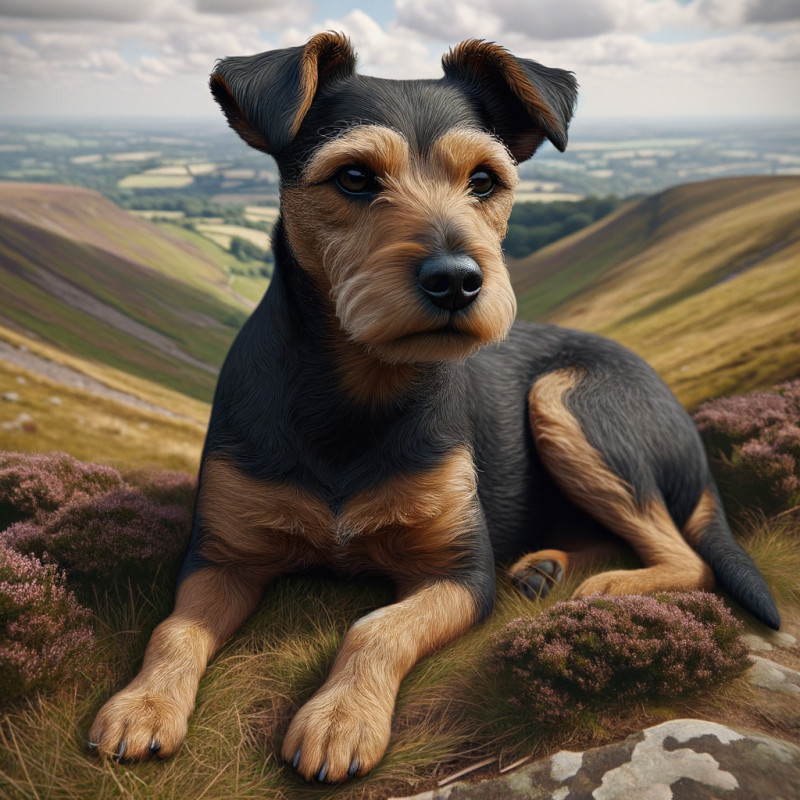
Understanding the deep historical roots and modern appeal of fell terrier dogs requires looking into the rugged landscapes where they originated.
According to the American Kennel Club, working terrier breeds were historically developed to function independently in harsh, rocky terrains, shaping instincts that persist in modern dogs today. When professionals observe these resilient canines in clinical or training environments, a distinct tenacity immediately stands out. Fell terrier dogs encompass a group of working hunting terriers originating from the mountainous Northern England fells, bred specifically to dispatch vermin and flush quarry from subterranean dens. Because these environments demanded absolute fearlessness and stamina, the resulting phenotype and psychology differ significantly from standard companion breeds. Recognizing these innate characteristics allows households to provide an environment where such high-energy, intelligent working dogs can thrive without friction.
💡 Pet Care Key Takeaways:
- Core Focus: Practical health, nutrition, and wellness guidelines for Fell Terrier Dogs.
- Target Scope: Pet owners, animal caregivers, and veterinary support staff.
- Best Recommendation: Maintain consistent daily routines and consult an accredited veterinarian before introducing major diet or medical changes.
Fell terrier dogs are a specialized category of working terriers shaped by centuries of upland pest control in Northern England.
Rather than representing a single uniform breed, the term describes regional types—such as the Patterdale, Border, and Fell-derived crosses—sharing physical adaptations for tight underground work. These animals typically feature narrow chests, weather-resistant double coats, and unyielding drive, traits collectively known as gameness. In practice, a veterinary technician often notices how their compact, muscular frames pack surprising strength for their size. Their physical resilience matches a formidable mental independence, meaning these dogs were never bred to wait for human instruction during a hunt; instead, they were engineered to assess situations and act autonomously.
Managing the intense prey drive and high activity levels of fell terrier dogs remains crucial for preventing destructive behaviors at home.
Because their genetic programming prioritizes digging, tracking, and chasing, unchanneled energy frequently manifests as barrier frustration, excessive vocalization, or ruined backyard landscaping. During hands-on behavioral evaluations, it becomes apparent that physical exercise alone rarely tires out these intelligent working dogs; mental stimulation is equally vital. Puzzle toys, scent-work games, and structured obedience sessions help satisfy their cognitive needs. Furthermore, owners must account for their strong predatory instincts around smaller household animals like rabbits, hamsters, or cats, ensuring proper socialization and secure containment protocols are always maintained.
Working terrier breeds possess high predatory motor patterns that require dedicated daily mental and physical outlets to prevent stress-related behavioral issues. — American Kennel Club
Providing proper daily management and positive reinforcement training ensures a harmonious relationship with fell terrier dogs.
Successful stewardship of these spirited canines relies on consistency, clear boundaries, and reward-based methodologies that engage their sharp minds. Traditional punitive corrections often backfire, causing shutdown or defensive reactions due to the breed’s innate toughness. Instead, guiding their natural inclination to problem-solve through game-based training yields reliable obedience. Establishing a secure perimeter is equally paramount, as their propensity to dig and follow scent trails can lead to impromptu outdoor excursions if boundaries are left unreinforced.
One frequent mistake involves off-leash walking in un-fenced open areas, underestimating how quickly a fresh scent can override recall commands. Socialization must start early and continue throughout life, exposing them gently to various people, environments, and other animals to temper their natural suspicion of strangers and perceived rivals. Additionally, routine veterinary checks should monitor dental health and joint function, keeping these active athletes comfortable through every life stage. Consulting professional resources on Dog Training can offer targeted strategies for channeling high drive into productive tasks.
Early and continuous socialization significantly reduces the likelihood of reactive or defensive behaviors in high-drive terrier breeds. — American Society for the Prevention of Cruelty to Animals
Pet Care & Wellness Overview Table
| Life Stage | Daily Activity Level | Key Nutrition / Care Focus |
|---|---|---|
| Puppy / Kitten | High (frequent short bursts) | High-protein growth diet & early socialization |
| Adult Companion | Moderate (30–60 mins daily) | Balanced maintenance nutrition & dental hygiene |
| Senior Pets | Low to Gentle (mindful walks) | Joint support (Glucosamine) & routine vet checks |
Images References





Temperament considerations for fell terrier dogs highlight their bold, loyal, yet fiercely independent nature.
These companions form deep, affectionate bonds with their human families, often acting as vigilant watchdogs while remaining remarkably playful indoors. However, their low tolerance for rough handling means they require careful supervision around very young children who might inadvertently provoke a defensive snap. Their confidence borders on audacity, meaning they rarely back down from perceived challenges posed by larger dogs. Prospective owners must appreciate this fearless disposition, ensuring their household environment matches the robust personality of a true upland working terrier.
Knowing when to consult a veterinarian or professional behaviorist ensures minor issues never escalate into complex challenges.
Professional guidance becomes necessary whenever sudden behavioral shifts, persistent fear responses, or intractable resource guarding appear in daily life. A comprehensive medical examination by a qualified veterinarian is always the first step to rule out underlying pain or metabolic disorders that frequently influence conduct. For complex behavioral concerns such as severe leash reactivity or predatory aggression, working alongside a certified veterinary behaviorist ensures safe, science-based intervention strategies. Exploring insights found within Dog Health and Dog Behavior can further equip caregivers to recognize early signs of distress.
Embracing the unique journey of living with these resilient animals creates a deeply rewarding bond built on mutual respect.
Sharing life with such historical, high-spirited canines transforms ordinary routines into engaging adventures filled with curiosity and loyalty. By respecting their evolutionary background and meeting their physical and mental requirements, owners unlock the very best qualities these remarkable companions have to offer. For more guidance on keeping your household companions thriving, visit PetsAnimalsWorld.com and explore valuable resources across Dog Care and Dog Breeds today.


