

Decoding the Biological Blueprint Behind the Mastador Breed
According to the American Kennel Club, mixed-breed dogs make up a significant portion of the canine population, bringing together diverse biological traits that capture the attention of modern pet parents. Understanding the science of inheritance in hybrid dogs helps owners anticipate physical traits, health predispositions, and temperament markers before bringing a puppy home. Mastador genetics specifically refers to the biological combination found in crossbreeds resulting from a Mastiff and a Labrador Retriever. In clinical practice, working with these gentle giants reveals a fascinating interplay of robust bone structure and eager-to-please working drive. Recognizing how these parental lineages merge offers profound insight into daily management, ensuring long-term wellness for these impressive companions.
💡 Pet Care Key Takeaways:
- Core Focus: Practical health, nutrition, and wellness guidelines for Mastador Genetics.
- Target Scope: Pet owners, animal caregivers, and veterinary support staff.
- Best Recommendation: Maintain consistent daily routines and consult an accredited veterinarian before introducing major diet or medical changes.
Mastador genetics determines the physical and temperamental traits inherited from the Mastiff and Labrador Retriever parent breeds.
Phenotypic expression—meaning the observable physical characteristics of an animal—in a Mastador is a genetic lottery governed by dominant and recessive traits passed down from the foundation breeds. The Mastiff contribution typically introduces a massive skeletal frame, heavy jowls, deep chests, and a protective, calm demeanor. Conversely, the Labrador Retriever heritage brings a strong retrieving instinct, a water-resistant double coat, high energy levels, and a notoriously friendly outlook toward strangers. Because these designer dogs are first-generation crosses, offspring can inherit any combination of these traits rather than a uniform standard. Consequently, one puppy might possess the sleek, athletic build of a Lab while a littermate displays the heavy-boned, wrinkly profile of a Mastiff. Observing these puppies grow highlights how polygenic traits—characteristics controlled by multiple gene interactions—shape everything from adult body weight to ear shape.
Health and behavioral outcomes in mixed-breed dogs are heavily influenced by hybrid vigor balanced against inherited breed-specific predispositions.
Hybrid vigor, known scientifically as heterosis, often results in increased biological fitness and reduced expression of certain recessive disorders when combining two distinct gene pools. However, Mastador genetics also carries inherent risks, as both parent breeds are predisposed to specific orthopedic conditions such as hip and elbow dysplasia. Joint laxity and structural abnormalities can manifest during rapid puppy growth phases if nutritional intake and exercise are not carefully managed. Behavioral expressions are similarly dual-natured, blending the watchful guarding instincts of the Mastiff with the social gregariousness of the Retriever. Early socialization plays a vital role in channeling these inherited drives into stable, confident adult behavior. Neglecting this crucial developmental window can lead to over-protection or barrier frustration, making professional guidance from Dog Training specialists an invaluable resource.
Large-breed mixed dogs require balanced calcium-to-phosphorus ratios during early development to mitigate genetic predispositions toward skeletal disorders — American Kennel Club (AKC)
Proactive management of inheritance factors requires tailored veterinary oversight and structured daily routines.
Managing the physical and biological needs of a large hybrid companion demands a proactive approach to Dog Health and daily husbandry. Because growth plates in large-breed crosses close later than those in smaller dogs, high-impact activities like repetitive jumping must be restricted during puppyhood to protect developing joints. Furthermore, monitoring caloric density prevents excess weight gain, which places undue stress on the skeletal framework. Regular health screenings, including cardiac evaluations and orthopedic assessments, help catch potential hereditary conditions before clinical signs appear. Establishing consistent boundaries early on ensures that protective instincts remain manageable as the dog reaches full physical maturity.
Best practices for supporting physical development and emotional stability include proper nutrition and positive reinforcement.
Supporting the unique biological makeup of a large crossbreed involves avoiding common pitfalls such as overfeeding or allowing unmanaged stair climbing during developmental months. Incorporating puzzle toys and scent games satisfies the mental stamina inherited from the working dog lineages without overworking growing joints. Positive reinforcement methods build a trusting bond, ensuring that protective tendencies are met with calm, confident leadership rather than fear. Maintaining open communication with a primary care veterinarian guarantees that dietary adjustments align with changing life stages. Ultimately, understanding the foundational science of these crosses empowers owners to provide a high quality of life tailored to individual needs.
Canine hip dysplasia remains one of the most frequently diagnosed hereditary orthopedic conditions affecting large and giant mixed-breed dogs — Orthopedic Foundation for Animals (OFA)
Pet Care & Wellness Overview Table
| Life Stage | Daily Activity Level | Key Nutrition / Care Focus |
|---|---|---|
| Puppy / Kitten | High (frequent short bursts) | High-protein growth diet & early socialization |
| Adult Companion | Moderate (30–60 mins daily) | Balanced maintenance nutrition & dental hygiene |
| Senior Pets | Low to Gentle (mindful walks) | Joint support (Glucosamine) & routine vet checks |
Images References



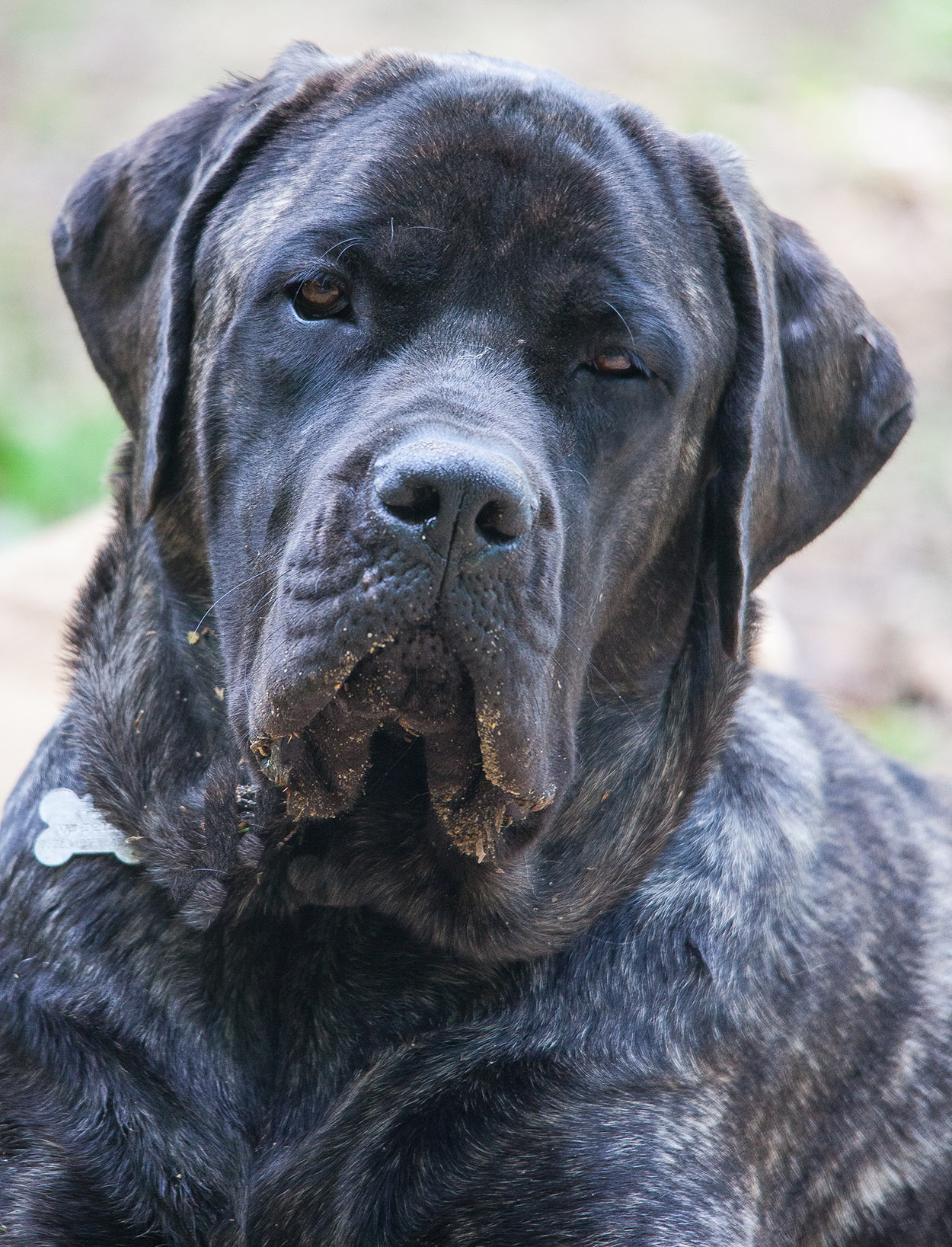



Individual variation in size and temperament depends heavily on which parental genes dominate during embryonic development.
Adult weight in this hybrid group can range dramatically anywhere from eighty to over one hundred60 pounds, depending largely on sex and parental lineage. Energy levels also fluctuate significantly; some individuals retain the tireless play drive of a working Retriever, while others exhibit the laid-back, low-key pacing typical of a mature Mastiff. Coat colors vary widely too, spanning classic black, yellow, and chocolate shades from the Lab side, alongside brindle, fawn, or mask patterns from the Mastiff side. Prospective owners should prepare for a powerful companion that requires adequate living space and robust equipment, such as heavy-duty leashes and sturdy crates. Exploring general insights through resources on Dog Breeds assists in setting realistic expectations for household integration.
Professional veterinary guidance is essential for monitoring hereditary conditions and establishing personalized wellness plans.
Consulting a licensed veterinarian or a certified animal behaviorist becomes necessary if signs of joint discomfort, behavioral anxiety, or sudden temperament shifts occur. Professional assessments ensure that any emerging medical issues receive prompt intervention, preserving mobility and overall well-being throughout the life of the animal. Furthermore, tailored nutritional counseling from a veterinary professional helps maintain an optimal body condition score, reducing long-term stress on weight-bearing joints. Never attempt to diagnose complex skeletal or behavioral issues independently, as professional expertise is required for accurate evaluation.
Building a strong foundation of care ensures a long, healthy, and happy life for your canine companion.
Embracing the complex biological heritage of a large mixed-breed dog opens the door to a deeply rewarding companionship built on understanding and respect. By staying informed about potential health factors and implementing structured daily routines, owners set the stage for a thriving partnership. For further guidance on maintaining optimal well-being, explore the comprehensive resources available across Dog Care and PetsAnimalsWorld.com to ensure every life stage is met with confidence.




