Understanding the striking appearance and genetic roots of the formentino mask in puppies
According to the American Kennel Club (AKC), canine coat colors and facial pigmentations are governed by complex genetic interactions that determine eumelanin and phaeomelanin production. Stepping into a litter of newborn dogs often reveals a breathtaking array of shades, but certain unique facial patterns capture immediate attention. Among these, the warm, fawn-toned muzzle marking known as the formentino mask stands out for its distinct aesthetic appeal. Recognizing this feature helps enthusiasts appreciate the rich diversity within specific canine bloodlines while understanding that coat aesthetics are only one facet of a developing animal.
💡 Pet Care Key Takeaways:
- Core Focus: Practical health, nutrition, and wellness guidelines for Formentino Mask In Puppies.
- Target Scope: Pet owners, animal caregivers, and veterinary support staff.
- Best Recommendation: Maintain consistent daily routines and consult an accredited veterinarian before introducing major diet or medical changes.
In clinical practice, watching young dogs mature from their neonatal stage into robust adolescents offers a fascinating look at shifting pigmentation. Many puppies born with striking facial contrast undergo gradual color softening or deepening over the first several months of life. This natural evolution makes early documentation of markings both exciting for breeders and a topic of frequent curiosity among new owners entering the realm of Dog Breeds.
A formentino mask in puppies is a diluted black or charcoal facial shading paired with a fawn or red coat
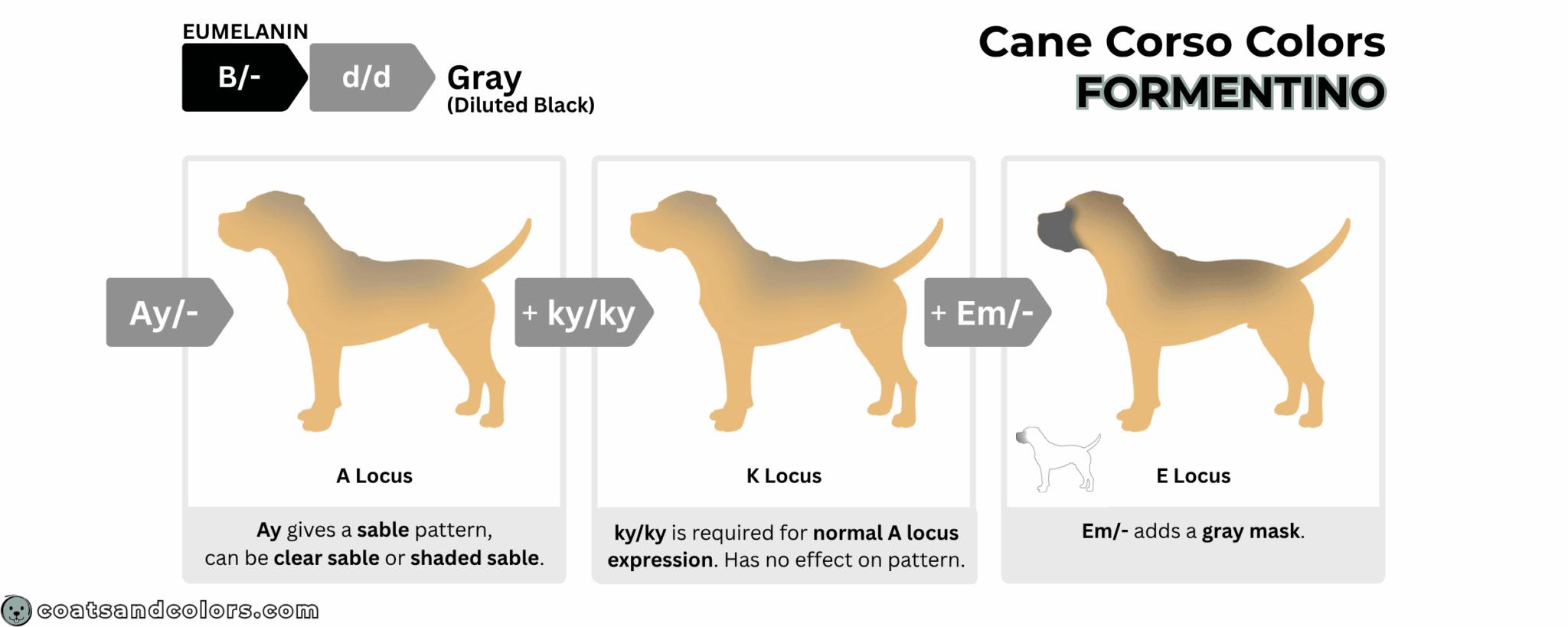
A formentino mask in puppies refers specifically to a genetic variation where a fawn, Isabella, or red-bodied dog displays a muted, charcoal-grey, or brownish-grey muzzle shading instead of a jet-black mask. This coloration is the result of the recessive dilution gene acting upon the standard eumelanin pigment, transforming what would traditionally be a stark black muzzle into a softer, slate-like or cocoa-toned overlay. This pigment pattern is most commonly observed in breeds such as the Cane Corso and certain mastiff varieties, where pigment distribution across the muzzle, eyes, and ears creates a harmonious, warm expression.
Genetically speaking, this expression relies on the interaction between the locus responsible for mask formation and the dilution genes that alter pigment density. The resulting look is neither a pure black mask nor a completely clear face, striking a delicate balance that many breed fanciers find desirable. During routine veterinary examinations, practitioners observe that these unique pigmentations remain stable throughout the animal’s life, though sun exposure can occasionally cause minor lightening of the guard hairs.
Pigment variations and structural coat developments influence overall dermatological health
Pigment variations and structural coat developments influence overall dermatological health by dictating how the skin and hair shafts respond to environmental factors like ultraviolet radiation. While the formentino coloration is primarily a cosmetic trait tied to specific genetic formulas, understanding skin integrity is vital for comprehensive Dog Health. Dogs featuring diluted pigmentation can occasionally exhibit sensitive skin or localized color dilution alopecia, a condition worth monitoring during routine physical evaluations.
Coat color genetics in canines are primarily determined by pigment-producing cells migrating to the skin and hair follicles during embryonic development, establishing permanent shade patterns that remain stable throughout adulthood — American Kennel Club (AKC)
Handling young dogs with unique facial masks requires a gentle touch and an awareness of how sunlight interacts with lighter pigment areas. In clinical settings, practitioners frequently advise caretakers to monitor the hairless or sparsely furred regions around the nose and eyes for signs of irritation or sunburn during peak summer months. Maintaining balanced nutrition and proper hydration further supports resilient skin barriers across all canine coats.
Managing and caring for young dogs with specialized pigment patterns requires targeted grooming routines
Managing and caring for young dogs with specialized pigment patterns requires targeted grooming routines that protect sensitive facial folds and lighter hair shafts. Implementing proper Dog Care practices ensures that the skin beneath the mask remains clean, dry, and free from moisture accumulation that can lead to irritation. Regular, gentle wiping of the muzzle folds using veterinarian-approved, fragrance-free cleansing cloths helps maintain optimal skin health in breeds prone to facial wrinkles.
Observation during daily grooming sessions allows caretakers to catch minor skin fluctuations before they escalate into clinical concerns. When brushing a short-coated breed with this dilution, utilizing a soft-bristle hound glove distributes natural oils evenly across the skin surface without causing friction. Consistency in these minor routines builds trust between the growing animal and the handler, turning necessary maintenance into a positive bonding experience.
Best practices, common grooming mistakes, and daily maintenance tips for distinctive coats
Best practices, common grooming mistakes, and daily maintenance tips for distinctive coats revolve around avoiding harsh chemical shampoos that can strip natural oils from diluted skin. Many well-meaning owners make the mistake of over-washing their puppies, which disrupts the delicate acid mantle of the skin and can trigger localized flaking or redness. Instead, opt for hypoallergenic, moisturizing formulations designed specifically for sensitive canine skin types.
Routine dermatological evaluations help differentiate normal pigment variations from hereditary skin conditions, ensuring that breed-specific markings do not mask underlying health concerns — American Veterinary Medical Association (AVMA)
Pet Care & Wellness Overview Table
| Life Stage | Daily Activity Level | Key Nutrition / Care Focus |
|---|---|---|
| Puppy / Kitten | High (frequent short bursts) | High-protein growth diet & early socialization |
| Adult Companion | Moderate (30–60 mins daily) | Balanced maintenance nutrition & dental hygiene |
| Senior Pets | Low to Gentle (mindful walks) | Joint support (Glucosamine) & routine vet checks |
Images References




Incorporating Omega-3 fatty acid supplements into the daily diet can significantly enhance coat luster and skin resilience, though the exact inclusion should always be confirmed with a veterinarian to match the puppy’s specific developmental stage. Regular assessment of the skin under good lighting helps catch any pigment anomalies early. Patience during grooming acclimation ensures the growing dog remains calm and cooperative throughout life.
Breed standards, age progression, and temperament traits associated with diluted mask markings
Breed standards, age progression, and temperament traits associated with diluted mask markings reflect the rich heritage of guardian and mastiff-type dogs where these aesthetic features are documented. As these puppies grow, their bone structure develops rapidly, requiring careful management of exercise intensity to protect developing joints. Understanding the broader behavioral tendencies of these intelligent, loyal breeds ensures that socialization matches their inherent protective instincts.
Early exposure to diverse environments, novel sounds, and gentle handling helps shape a confident, well-adjusted adult dog. Integrating structured positive reinforcement early in life prevents undesirable habits from forming. Observing how a puppy reacts to new stimuli provides valuable insight into its evolving temperament, guiding future training milestones.
When to consult a veterinary professional regarding skin changes or coat anomalies
When to consult a veterinary professional regarding skin changes or coat anomalies is a crucial decision for any responsible animal caretaker noticing sudden pigment fading, hair loss, or localized inflammation. While genetic masks are entirely normal, abrupt shifts in skin texture or localized scratching require professional diagnostic evaluation to rule out dermatological conditions, parasitic infections, or nutritional imbalances.
Professional guidance ensures that any therapeutic intervention is tailored precisely to the animal’s age, weight, and clinical presentation. Establishing a proactive relationship with a trusted veterinary team guarantees that minor pigment questions or coat concerns receive prompt, evidence-based attention throughout the dog’s life.
Embracing the beauty and responsibility of unique canine genetics
Embracing the beauty and responsibility of unique canine genetics allows owners to appreciate the remarkable diversity found within the animal kingdom while prioritizing health above aesthetics. By staying informed about proper nutrition, gentle grooming, and timely veterinary care, caretakers foster long, healthy lives for their canine companions. Explore further resources on PetsAnimalsWorld.com to deepen your knowledge across topics in Dog Nutrition and beyond, ensuring every animal thrives.