
Introduction
The term “French Bulldog muzzle” can evoke two distinct, yet related, considerations crucial for responsible pet ownership: the unique anatomical structure of the French Bulldog’s face and the practical application of a physical muzzle device. French Bulldogs are renowned for their endearing flat faces, a defining characteristic of brachycephalic breeds. This distinctive facial structure, while charming, carries significant implications for their health, particularly concerning respiratory function and heat regulation. Understanding the nuances of the anatomical French Bulldog muzzle is paramount for maintaining the breed’s well-being. Furthermore, there are instances when a physical muzzle may be required for a French Bulldog, necessitating knowledge of proper fitting and ethical training methods tailored to their specific needs. This exploration aims to provide comprehensive insights into both aspects, empowering dog owners to better understand and care for their beloved companions.
💡 Pet Care Key Takeaways:
- Core Focus: Practical health, nutrition, and wellness guidelines for French Bulldog Muzzle.
- Target Scope: Pet owners, animal caregivers, and veterinary support staff.
- Best Recommendation: Maintain consistent daily routines and consult an accredited veterinarian before introducing major diet or medical changes.
Common Causes and Key Factors
The anatomical French Bulldog muzzle is primarily characterized by its brachycephalic (short-nosed) conformation. This structure results from selective breeding that has shortened the skull, impacting the soft tissues within the airway. Key anatomical factors include stenotic nares (narrow nostrils), an elongated soft palate, a hypoplastic trachea (narrow windpipe), and everted laryngeal saccules. These elements collectively contribute to Brachycephalic Obstructive Airway Syndrome (BOAS), a prevalent health concern in the breed. Environmental factors, such as high temperatures and humidity, significantly exacerbate BOAS symptoms, as the shortened muzzle impedes efficient panting, the primary cooling mechanism for dogs. For more related activities, check out our Golden Spanial.
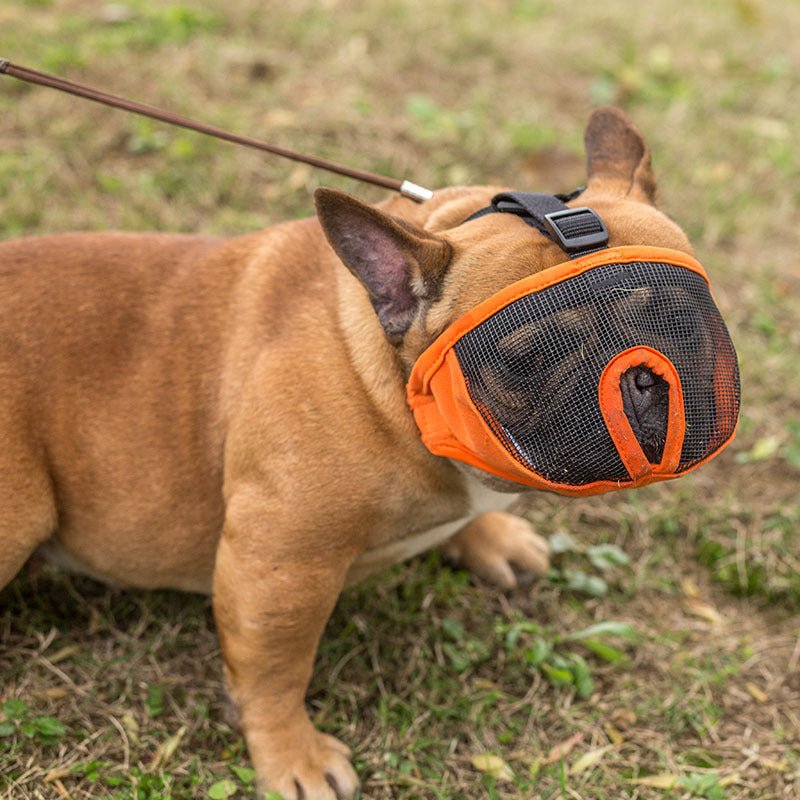
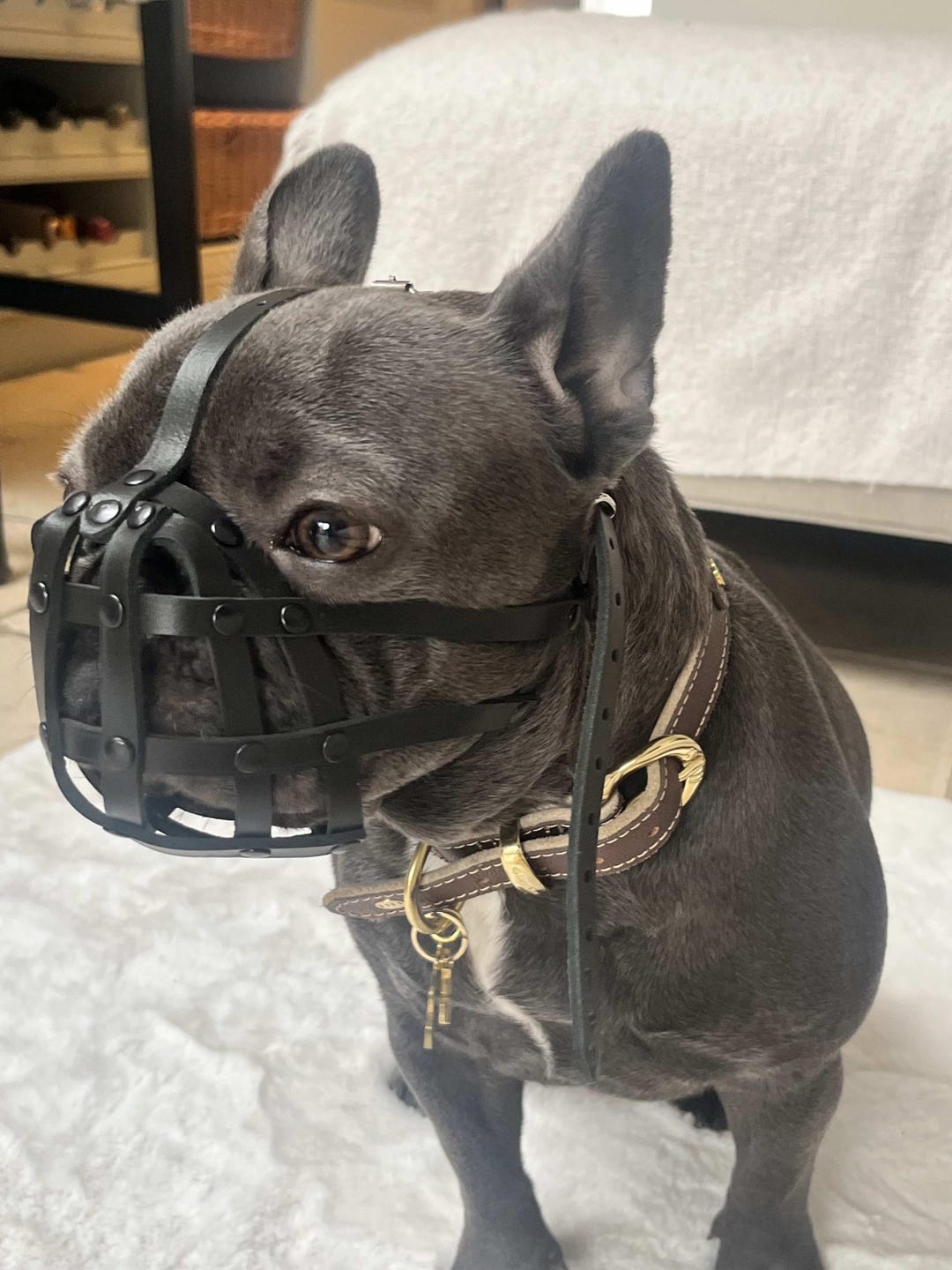
Regarding the use of a physical muzzle for a French Bulldog, several factors may necessitate its application. Veterinary visits, particularly for procedures or examinations that may cause stress or discomfort, often warrant a muzzle for safety. Grooming sessions, especially for dogs unaccustomed to handling or with sensitivities, can also benefit from muzzle training. In some cases, a muzzle may be a tool in behavioral modification programs for dogs exhibiting fear-based reactivity or aggression, though this should always be part of a comprehensive plan under professional guidance. The challenge lies in finding a muzzle that properly fits their unique flat face, ensuring comfort and the ability to pant freely.
Signs and Symptoms to Observe
Observing a French Bulldog’s anatomical muzzle for signs of respiratory distress is critical. Owners should be vigilant for symptoms such as excessive snoring, snorting, or gasping sounds, particularly during sleep or exertion. Labored breathing, characterized by heavy panting even at rest, open-mouth breathing with an extended tongue, and blue-tinged gums, indicates a severe lack of oxygen. Exercise intolerance, heat sensitivity (manifesting as rapid overheating), and frequent gagging or regurgitation are also strong indicators of BOAS. These signs often become more pronounced with excitement, stress, or in warm weather.
When a physical muzzle is in use, or being considered, observing behavioral cues is important. Signs of stress or discomfort from an ill-fitting muzzle include rubbing at the muzzle with paws, excessive drooling, frantic attempts to remove it, or difficulty panting. If a muzzle is used for behavioral management, owners should observe changes in the dog’s demeanor in situations where the muzzle is applied, looking for reduced reactivity or increased calm, which signifies successful conditioning. Conversely, increased anxiety or resistance indicates that further training or professional intervention may be required.
Practical Solutions and Management Strategies
Managing the implications of the French Bulldog’s anatomical muzzle involves several practical strategies. Weight management is crucial, as excess weight places additional strain on the respiratory system. Owners should ensure a high-quality, balanced diet and appropriate portion control. Avoiding heat and humidity is paramount; exercise should be limited to cooler parts of the day, and access to air conditioning or cooling mats is highly recommended. Using a harness instead of a collar prevents pressure on the trachea. Regular cleaning of facial folds helps prevent skin infections that can be exacerbated by their facial structure.
When considering a physical muzzle, proper selection and positive conditioning are key. Basket muzzles are generally recommended for French Bulldogs because they allow the dog to pant, drink, and receive treats, which is vital for a brachycephalic breed. Size and fit are critical; the muzzle should be long enough to clear the nose without touching the end, wide enough to allow panting, and secure enough to prevent removal without rubbing or restricting movement. Muzzle conditioning should be a gradual, positive experience, pairing the muzzle with high-value treats and short, positive durations, slowly increasing wear time. This process helps create a positive association, reducing stress and anxiety when the muzzle is needed.
When Professional Help May Be Needed
Persistent or worsening signs of respiratory distress in a French Bulldog, such as chronic loud breathing, frequent gagging, or episodes of collapse, warrant immediate veterinary attention. A veterinarian can diagnose BOAS and discuss treatment options, which may range from medical management to surgical interventions like soft palate resection or stenotic nares correction, significantly improving the dog’s quality of life. Regular veterinary check-ups are essential for monitoring respiratory health.
For behavioral issues that necessitate muzzle use, or if difficulty is encountered during muzzle conditioning, consultation with a certified professional dog trainer or a veterinary behaviorist is highly recommended. These experts can assess the underlying causes of behavioral concerns and develop a safe, effective training plan. They can also guide owners in selecting the most appropriate muzzle type and size for their French Bulldog and assist with successful, humane conditioning techniques, ensuring the muzzle becomes a tool for safety and positive management rather than a source of fear.
Conclusion
Understanding the “French Bulldog muzzle” encompasses both an appreciation for their unique anatomical features and a responsible approach to using physical muzzles when necessary. The distinctive brachycephalic structure of the French Bulldog demands proactive care and vigilance to manage potential respiratory challenges, ensuring a comfortable and healthy life. Similarly, the responsible selection and positive conditioning of a physical muzzle are vital for situations requiring additional safety or behavioral support. Through awareness, consistent observation, and a commitment to their specific needs, owners can significantly enhance the well-being and overall quality of life for their cherished French Bulldogs. Providing informed care is the cornerstone of a strong human-animal bond and promotes the health and happiness of these beloved companions.
Pet Care & Wellness Overview Table
| Life Stage | Daily Activity Level | Key Nutrition / Care Focus |
|---|---|---|
| Puppy / Kitten | High (frequent short bursts) | High-protein growth diet & early socialization |
| Adult Companion | Moderate (30–60 mins daily) | Balanced maintenance nutrition & dental hygiene |
| Senior Pets | Low to Gentle (mindful walks) | Joint support (Glucosamine) & routine vet checks |
Images References




For more expert pet care tips and advice, check out our dedicated Dog Breeds guides to keep your companions healthy and happy.


