

Introduction
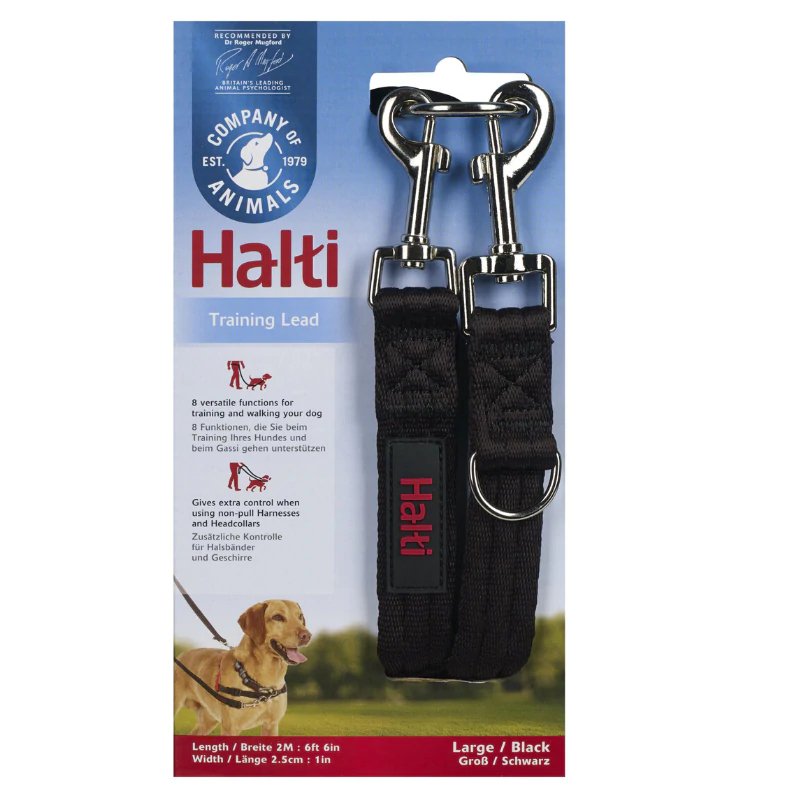
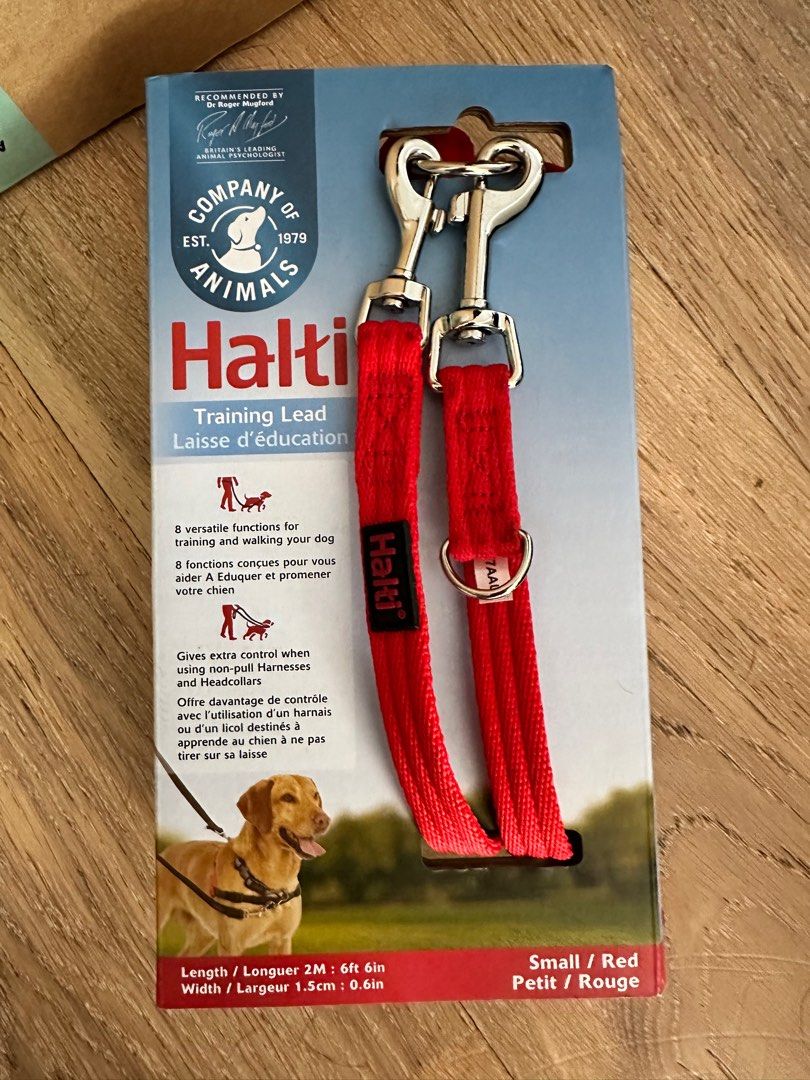
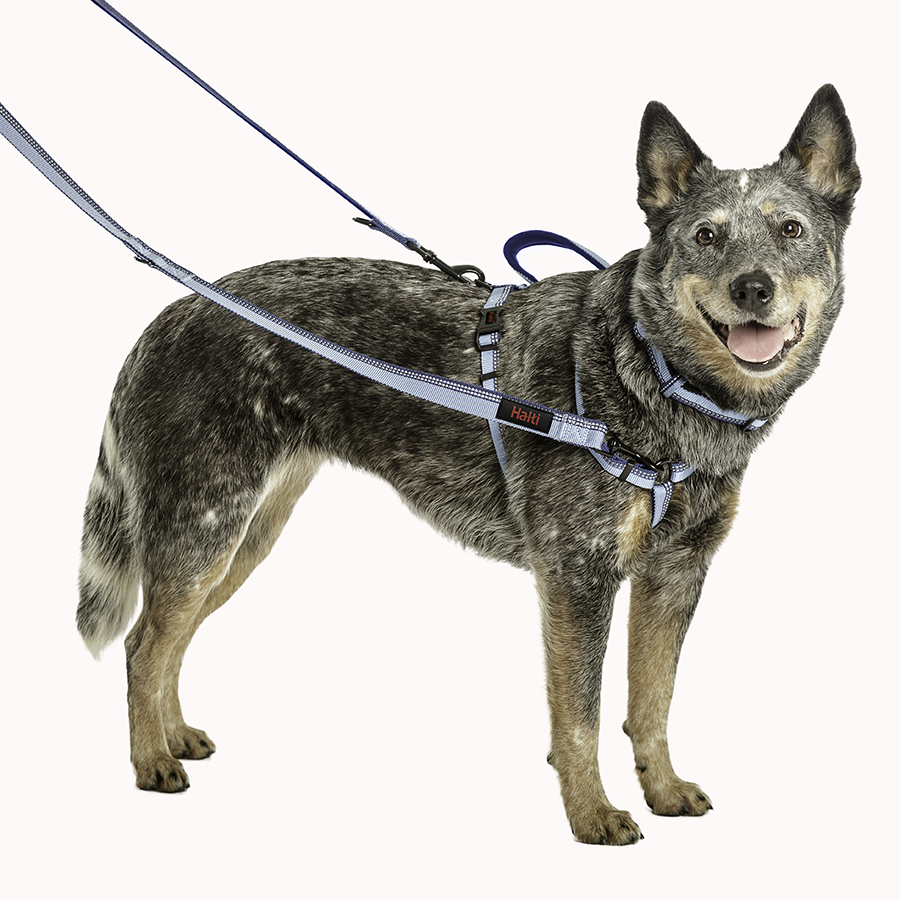
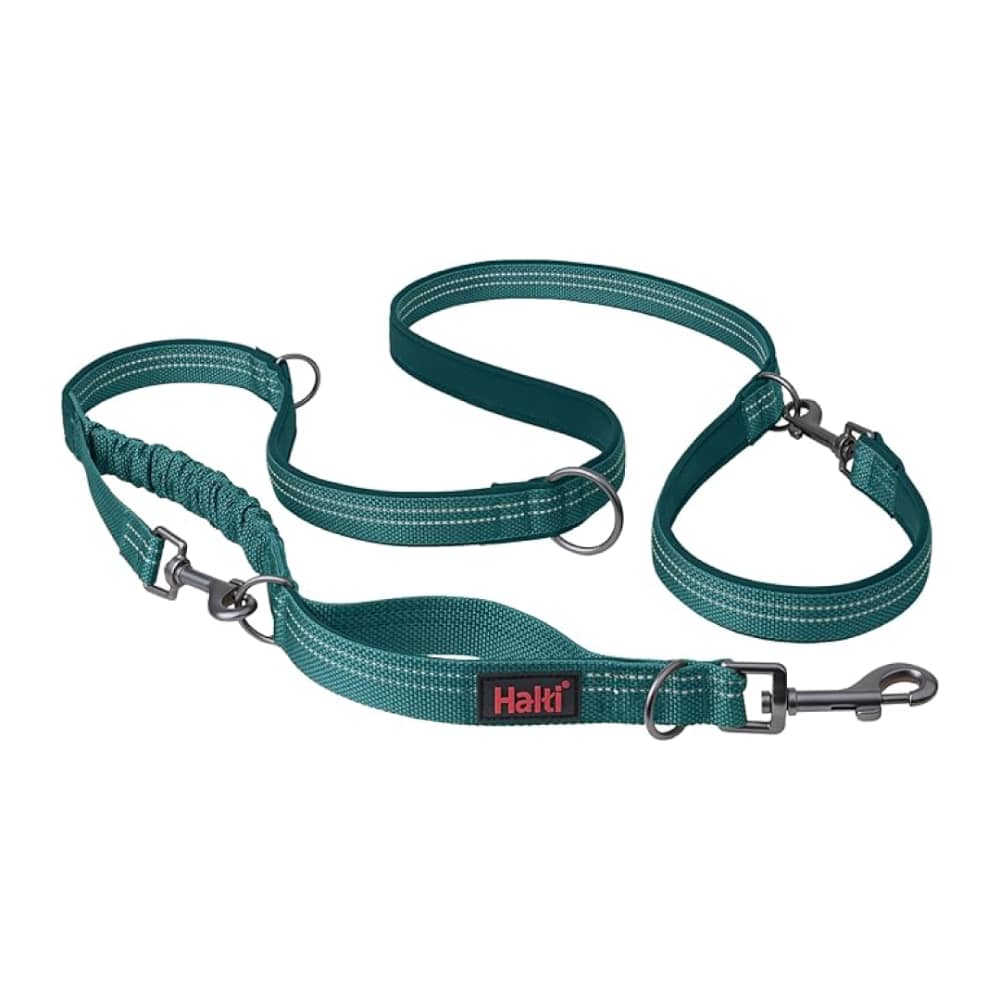
The “halti dog lead” refers to a specific type of head collar, often generically called a Halti, used in conjunction with a standard leash. This innovative piece of equipment is designed to provide gentle yet effective control over a dog’s head, which naturally guides the direction of the dog’s body. For many dog owners, managing a dog that pulls excessively on walks can transform a pleasant outing into a strenuous struggle. The Halti dog lead addresses this common challenge by offering a humane alternative to traditional collars or harnesses that may still allow for significant pulling. Understanding how this tool works and its appropriate application can significantly improve a dog’s leash manners, enhance the safety and enjoyment of walks, and ultimately foster a stronger, more positive relationship between a dog and its handler.
💡 Pet Care Key Takeaways:
- Core Focus: Practical health, nutrition, and wellness guidelines for Halti Dog Lead.
- Target Scope: Pet owners, animal caregivers, and veterinary support staff.
- Best Recommendation: Maintain consistent daily routines and consult an accredited veterinarian before introducing major diet or medical changes.
Common Causes and Key Factors
Excessive pulling on a leash is a widespread issue stemming from several factors. Dogs, by nature, are often eager to explore their surroundings, driven by strong scents and visual stimuli. This enthusiasm can lead to instinctual pulling, especially when a dog is not adequately trained in loose-leash walking. Traditional flat collars, while functional, often place pressure on a dog’s throat when pulling occurs, which can be uncomfortable for the dog and ineffective for the handler. Similarly, some harnesses distribute pressure across the chest, which can still allow strong dogs to pull with considerable force. For more related activities, check out our How Much Do Animal Behaviorists Cost.
The Halti dog lead was developed to address these limitations. Its design incorporates a nose band and a neck strap, with the lead attaching under the chin. This mechanism works on the principle that where the head goes, the body follows. By gently guiding the dog’s head, the Halti system redirects the dog’s attention and momentum without causing discomfort or pain. This makes it a valuable tool for managing dogs with a strong pulling instinct, high energy levels, or those in the early stages of leash training. It provides handlers with increased leverage and control, making walks more manageable and less taxing.
Signs and Symptoms to Observe
Observing certain behaviors in a dog during walks can indicate that a Halti dog lead might be a beneficial training aid. The most common sign is consistent and forceful pulling, where a dog frequently strains against the leash, causing tension on the handler’s arm and potentially gagging or coughing if wearing a flat collar. Dogs may lunge at interesting sights or smells, making control difficult, particularly for handlers with limited physical strength or larger, more powerful breeds.
Other indicators include a dog consistently dictating the pace and direction of a walk, rather than walking calmly alongside the handler. Some dogs may exhibit excitement or anxiety that manifests as an inability to focus or respond to cues while on a leash. While the Halti is not a cure for underlying behavioral issues, it provides a crucial management tool that allows for more effective training in these situations. When initially introduced to a Halti, dogs may show signs of novelty or resistance, such as attempting to paw the head collar off, rubbing their nose, or briefly trying to back out of it. These are common initial reactions that typically subside with proper introduction and positive reinforcement.
Practical Solutions and Management Strategies
Effective use of a Halti dog lead hinges on proper fitting and a gradual, positive introduction. The head collar must be fitted snugly but comfortably, allowing the dog to pant, drink, and eat treats without restriction. The nose band should sit high on the bridge of the nose, and the neck strap should be secure behind the ears, ensuring it cannot easily be pulled off.
Introducing the Halti requires patience. Begin by letting the dog sniff and investigate the head collar. Then, gently place it on for very short periods, immediately offering high-value treats and praise. Gradually increase the duration, initially indoors, before progressing to short, positive walks in a low-distraction environment. The key is to associate the Halti with positive experiences.
During walks, the Halti works best when combined with loose-leash walking techniques. When a dog attempts to pull, a gentle, sideways pressure on the lead attached to the Halti will turn the dog’s head to the side, redirecting its attention back to the handler. The moment the leash slackens, release the pressure and reward the dog with praise or a treat. Consistent repetition of this technique teaches the dog that a loose leash is rewarding, while pulling results in a gentle redirection. It is important to remember that the Halti is a training aid, not a substitute for teaching fundamental leash manners through positive reinforcement.
When Professional Help May Be Needed
While the Halti dog lead is a highly effective tool for many, there are circumstances where professional guidance from a veterinarian or certified dog trainer may be appropriate. If a dog exhibits persistent and severe resistance to the Halti, despite consistent positive introduction and training efforts, it could indicate underlying stress, discomfort, or a need for a different approach.
Furthermore, if excessive pulling is linked to more complex behavioral issues such as reactivity towards other dogs, people, or objects, a professional trainer can provide tailored strategies. The Halti can manage the physical aspect of pulling, but it does not address the root cause of reactive behaviors. In such cases, a comprehensive behavior modification plan developed by an expert can be invaluable.
Lastly, if a dog’s pulling behavior suddenly changes or is accompanied by other symptoms such as lameness, lethargy, or loss of appetite, a veterinary consultation is essential to rule out any underlying medical conditions that could be causing discomfort or influencing behavior. Ensuring a dog’s physical well-being is always the primary concern before embarking on training interventions.
Conclusion
The Halti dog lead serves as a valuable and humane training aid for dog owners grappling with leash-pulling behavior. Its unique design offers a gentle yet effective means of controlling a dog’s head, thereby guiding its body and promoting better leash manners. Successful implementation relies on correct fitting, a positive introduction process, and consistent application of loose-leash training techniques. When used appropriately, the Halti can transform challenging walks into enjoyable experiences, strengthening the bond between a dog and its handler. Understanding the principles behind this tool and knowing when to seek professional assistance ensures a responsible and effective approach to canine training and welfare.
Pet Care & Wellness Overview Table
| Life Stage | Daily Activity Level | Key Nutrition / Care Focus |
|---|---|---|
| Puppy / Kitten | High (frequent short bursts) | High-protein growth diet & early socialization |
| Adult Companion | Moderate (30–60 mins daily) | Balanced maintenance nutrition & dental hygiene |
| Senior Pets | Low to Gentle (mindful walks) | Joint support (Glucosamine) & routine vet checks |
Images References


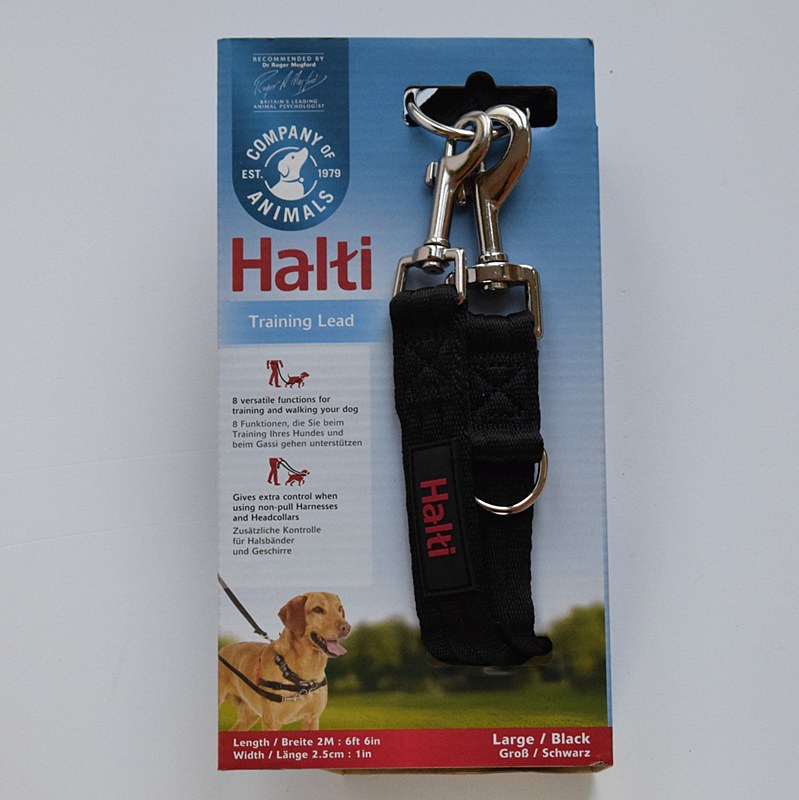
For more expert pet care tips and advice, check out our dedicated Dog Training guides to keep your companions healthy and happy.




