

Introduction
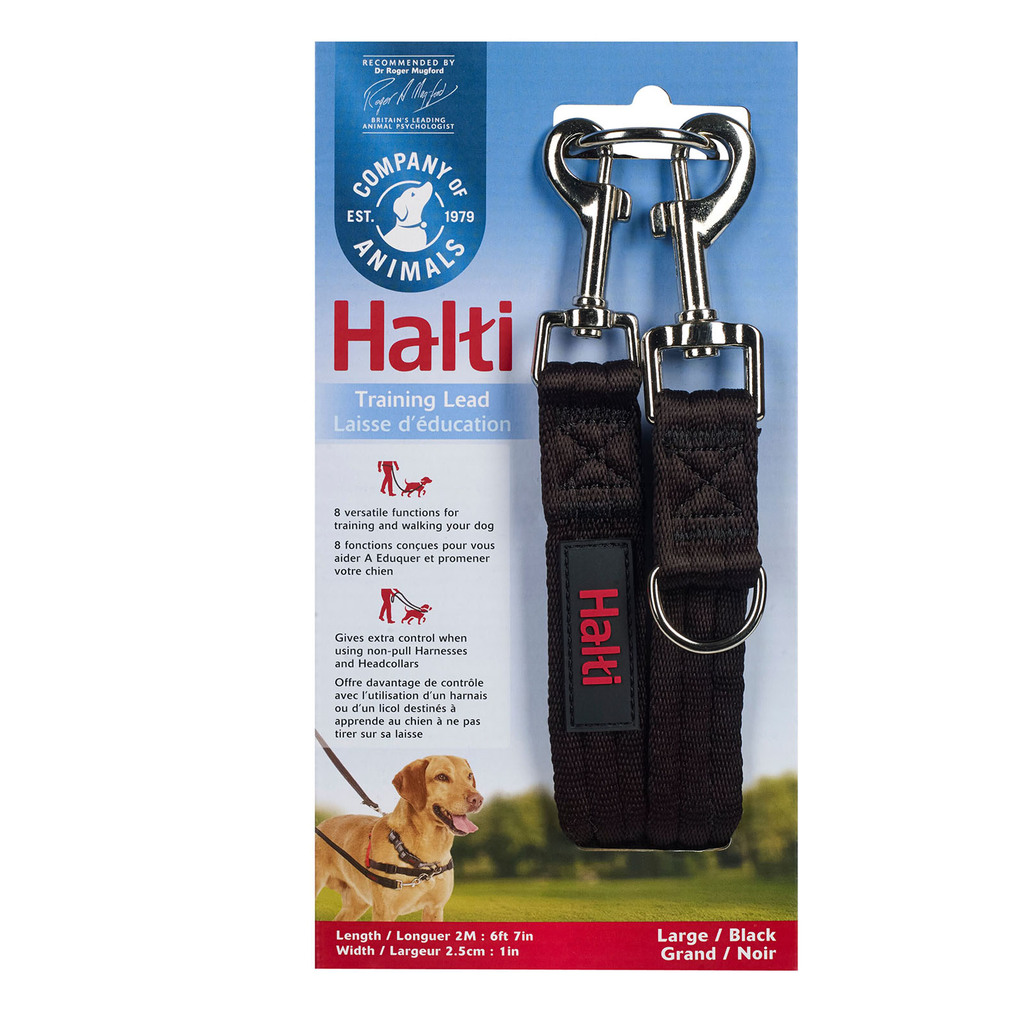
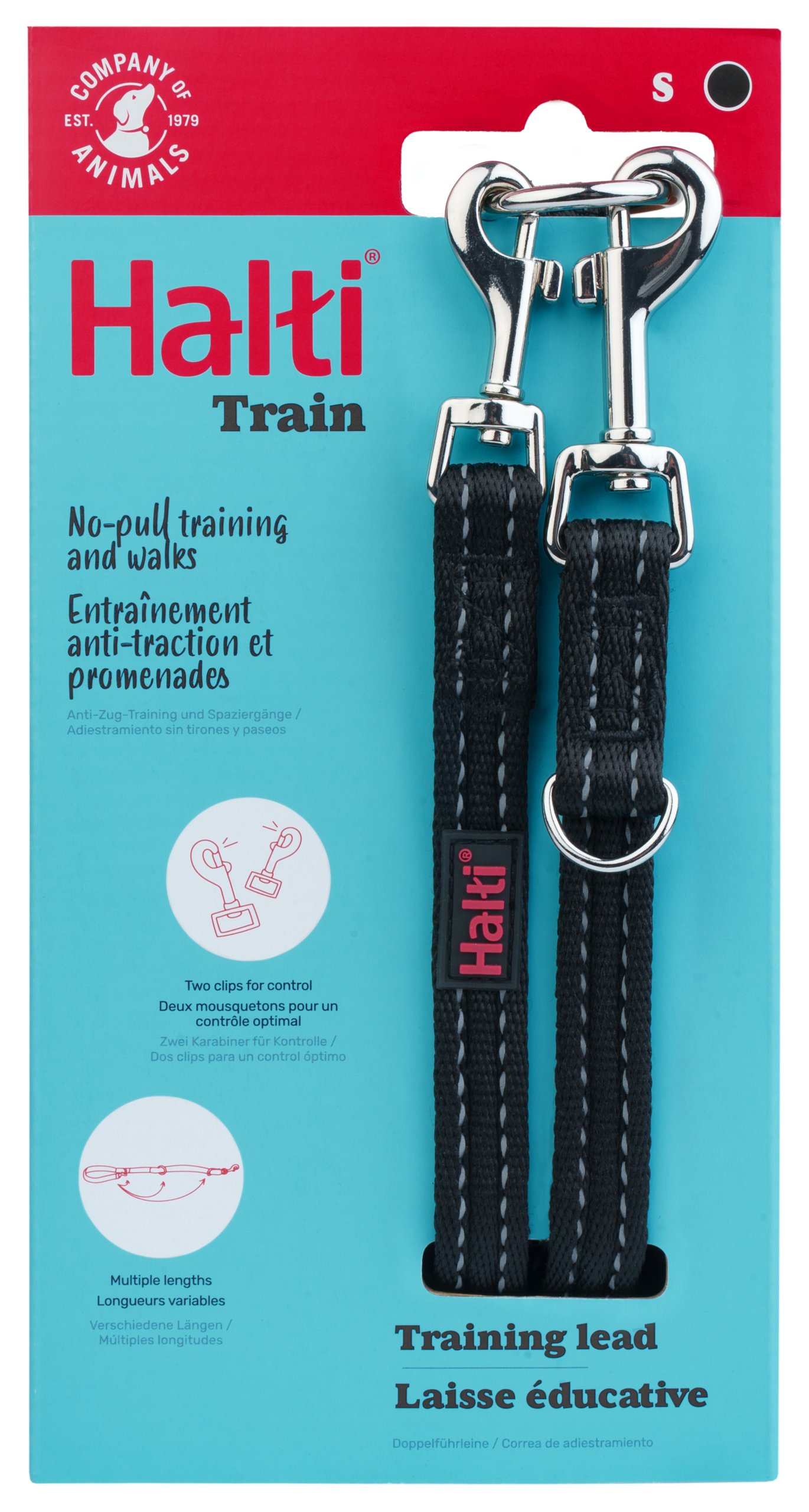
For many dog owners, walks are a cherished part of the day, yet they can become a source of frustration when a dog consistently pulls on the leash. The search for effective and humane training tools often leads to an exploration of various options, among which the Halti lead stands out as a prominent solution. A Halti lead, more accurately known as a Halti head collar, is a specific type of head collar designed to provide gentle control over a dog’s head, which in turn influences the direction of its body. This innovative piece of equipment is not a muzzle, but rather a training aid that can significantly improve leash manners, reduce pulling, and enhance the overall walking experience for both the dog and its handler. Understanding the mechanics and proper application of the Halti lead can be a crucial step toward fostering better communication and a more harmonious relationship during outdoor excursions.
💡 Pet Care Key Takeaways:
- Core Focus: Practical health, nutrition, and wellness guidelines for Halti Lead.
- Target Scope: Pet owners, animal caregivers, and veterinary support staff.
- Best Recommendation: Maintain consistent daily routines and consult an accredited veterinarian before introducing major diet or medical changes.
Common Causes and Key Factors
The primary reason dog owners consider utilizing a Halti lead is often persistent and strong leash pulling. This behavior typically stems from a dog’s natural instinct to move forward and explore, coupled with a lack of understanding or training regarding loose-leash walking. When a dog pulls, its opposition reflex encourages it to pull even harder against pressure on a traditional neck collar, creating a cycle of escalating force. For more related activities, check out our Iaabc Dog Behavior Welfare Enrichment Training Resources.
Other contributing factors include a dog’s size and strength relative to its handler, making control difficult, particularly for larger or more energetic breeds. Environmental distractions, such as other dogs, people, or interesting scents, can also intensify pulling behavior as a dog becomes overly eager to investigate. Furthermore, some dogs may exhibit reactivity or anxiety on walks, manifesting as lunging or barking, which can be challenging to manage without precise directional control. Traditional flat collars or harnesses that attach at the back often do not provide sufficient leverage to address these issues effectively.
Signs and Symptoms to Observe
Several observable signs indicate that a dog and its owner might benefit from the controlled guidance offered by a Halti lead. The most obvious indicator is consistent and forceful pulling on a regular leash, often to the point where the dog gags, chokes, or wheezes due to pressure on its throat. Owners might notice their arms constantly being tugged, leading to discomfort or even pain, and an inability to maintain balance.
Beyond physical strain, a dog may display frantic behavior when encountering distractions, such as lunging towards other animals or people, making walks stressful and unpredictable. For some dogs, a general lack of focus during walks, where the animal seems more interested in pulling ahead than walking alongside its handler, suggests a need for a more direct method of communication and guidance. These behaviors can vary in intensity based on the dog’s breed, temperament, energy level, and the specific environment in which the walk is taking place.
Practical Solutions and Management Strategies
Implementing a Halti lead as a training aid requires a structured and positive approach. The fundamental principle of the Halti lead is that where the nose goes, the body follows, offering a more humane alternative to harsh corrections.
Introduction and Fitting: The first step involves correctly fitting the Halti head collar. It should be snug enough that the dog cannot easily paw it off, but not so tight that it causes discomfort or restricts breathing. The nose band should sit comfortably on the bridge of the nose, and the neck strap should be high and snug behind the ears, similar to how a traditional collar sits.
Positive Association: Introducing the Halti lead gradually is crucial. Initially, the dog may try to rub it off or show resistance. Owners should make the experience positive by offering high-value treats every time the dog tolerates wearing it, even for short periods indoors. Gradually increase the duration and associate putting on the Halti lead with pleasant activities like mealtime or going for a walk.
Training Application: When walking, the Halti lead provides gentle pressure around the muzzle when the dog pulls. Instead of the dog pulling against its throat, the pressure redirects its head gently to the side, breaking its forward momentum. This allows the handler to redirect the dog’s attention more easily. Consistent practice of loose-leash walking techniques, combined with positive reinforcement for walking calmly, is essential. When the dog walks nicely, the lead remains loose, providing no pressure.
Considerations: It is important to remember that the Halti lead is a training tool, not a permanent fix. The goal is to teach the dog how to walk politely on a leash, eventually transitioning to a standard collar or harness if appropriate. Proper usage involves continuous reinforcement of desired behaviors and never using the Halti lead for jerking or harsh corrections.
When Professional Help May Be Needed
While a Halti lead can be a highly effective training tool for many dogs, there are specific situations where professional guidance from a certified dog trainer or a veterinary behaviorist becomes invaluable. If a dog exhibits extreme resistance to wearing the Halti lead despite consistent positive introduction methods, causing distress or significant behavioral regression, expert intervention may be necessary.
Persistent and severe pulling, lunging, or reactivity that does not improve even with diligent and correct use of the Halti lead, coupled with a well-structured training plan, suggests that underlying behavioral issues may be at play. Such issues could include significant anxiety, fear, or aggression that requires a more comprehensive behavior modification strategy. Additionally, if the dog develops any physical discomfort, skin irritation, or rubs raw spots from the Halti lead, a professional can assess the fit and usage, or recommend alternative tools. Responsible pet ownership dictates seeking expert advice when basic management tools and training techniques are insufficient to ensure the dog’s well-being and safety.
Conclusion
The Halti lead serves as a valuable asset in the toolkit of dog owners striving for improved leash manners and a more enjoyable walking experience. By providing gentle control over a dog’s head, it effectively addresses issues such as pulling, lunging, and general lack of focus on walks. The key to its success lies in understanding its mechanism, ensuring correct fitting, and committing to a consistent, positive introduction and training regimen. While not a standalone solution, it acts as an excellent training aid, facilitating better communication between a dog and its handler. Owners are encouraged to observe their dog’s behavior closely, implement these strategies with patience and positive reinforcement, and recognize when professional guidance can further enhance their dog’s training journey. Ultimately, the informed and thoughtful use of a Halti lead can contribute significantly to a dog’s well-being and the strengthening of the bond with its human companions.
Pet Care & Wellness Overview Table
| Life Stage | Daily Activity Level | Key Nutrition / Care Focus |
|---|---|---|
| Puppy / Kitten | High (frequent short bursts) | High-protein growth diet & early socialization |
| Adult Companion | Moderate (30–60 mins daily) | Balanced maintenance nutrition & dental hygiene |
| Senior Pets | Low to Gentle (mindful walks) | Joint support (Glucosamine) & routine vet checks |
Images References




For more expert pet care tips and advice, check out our dedicated Dog Training guides to keep your companions healthy and happy.




