Introduction
Welcoming a puppy into a home is an exciting experience, marking the beginning of a cherished companionship. A foundational step in this journey is the process known as “housebreaking,” or teaching a puppy appropriate elimination habits. This crucial training ensures that a puppy learns to relieve itself in designated outdoor areas, preventing accidents indoors and fostering a clean, harmonious living environment. Without proper housebreaking, a puppy can develop undesirable habits, leading to stress for both the animal and its human companions. Understanding the principles of housebreaking contributes significantly to a puppy’s well-being, strengthens the bond with its caretakers, and improves the overall quality of life for all members of the household. This guide aims to demystify the housebreaking process, offering clear, actionable insights for successful puppy training. Explore more in our Dog Training collection.
💡 Pet Care Key Takeaways:
- Core Focus: Practical health, nutrition, and wellness guidelines for House Break A Puppy.
- Target Scope: Pet owners, animal caregivers, and veterinary support staff.
- Best Recommendation: Maintain consistent daily routines and consult an accredited veterinarian before introducing major diet or medical changes.
Common Causes and Key Factors
Successfully housebreaking a puppy relies on understanding the various factors that influence a young dog’s ability to control its bladder and bowels. Several key elements commonly contribute to, or hinder, effective house training. For more related activities, check out our How Much Do Animal Behaviorists Cost.
- Age and Bladder Control: Young puppies possess limited bladder and bowel control. A general rule suggests that a puppy can “hold it” for approximately one hour per month of age, plus one. For example, a three-month-old puppy might manage for about four hours. Expecting longer durations than this natural physiological limit often leads to indoor accidents.
- Inconsistent Routine: A lack of predictability in feeding schedules, potty breaks, and supervision significantly impedes house training. Puppies thrive on routine, and irregular schedules make it difficult for them to learn when and where to eliminate.
- Inadequate Supervision: Allowing a puppy too much unsupervised freedom indoors means caretakers miss the subtle cues indicating a need to eliminate. Accidents frequently occur because a puppy is not taken outside promptly when it signals its urge.
- Fear or Anxiety: Stressful environments, harsh punishment for accidents, or a lack of positive reinforcement can lead to anxiety. This can manifest as submissive urination or an avoidance of eliminating in front of caretakers, even outdoors.
- Medical Conditions: Occasionally, persistent indoor accidents may stem from underlying health issues such as urinary tract infections (UTIs), intestinal parasites, kidney problems, or other medical concerns. These conditions can increase the frequency or urgency of urination and defecation.
- Incomplete Cleaning of Accidents: If indoor accidents are not cleaned thoroughly with enzymatic cleaners, residual odors can attract a puppy back to the same spot, reinforcing the idea that it is an acceptable elimination area.
- Breed Differences: While all puppies can be house-trained, some breeds may learn faster than others. However, consistency and patience remain paramount for every puppy, regardless of breed.
Signs and Symptoms to Observe
Recognizing a puppy’s signals that it needs to relieve itself is fundamental to successful housebreaking. These indicators can vary slightly among individual puppies, but common patterns emerge, which, when observed closely, provide valuable cues for caretakers to act upon. Discover more free resources across our collection library.
- Restlessness and Circling: A puppy may become noticeably restless, pacing back and forth, or circling a particular area of the room. This indicates discomfort and a search for a suitable spot.
- Sniffing the Ground: Intense sniffing of the floor, especially in corners, behind furniture, or near previously soiled areas, is a strong sign. Puppies often use their sense of smell to locate a place to eliminate.
- Whining or Barking: Some puppies vocalize their need, emitting soft whines or short barks to attract attention. This is particularly common if a puppy is confined and needs to be let out.
- Sudden Disappearance or Heading for a Specific Spot: A puppy might suddenly become quiet and attempt to sneak away to a secluded area. If a puppy has had previous accidents in a particular spot, it may gravitate towards that location.
- Squatting or Lifting a Leg: The most obvious and immediate sign that elimination is imminent. Observing this behavior indoors requires swift action to interrupt and redirect the puppy outside.
- Increased Frequency Based on Age: Younger puppies will exhibit these signs more frequently due to their underdeveloped bladders. A two-month-old puppy typically needs to go out every 1-2 hours, while a four-month-old might manage 3-4 hours. Observing the timing of these needs relative to feeding, waking, and play times is crucial.
By paying close attention to these behavioral shifts, caretakers can pre-empt accidents and guide a puppy to the appropriate outdoor location, reinforcing positive habits.
Practical Solutions and Management Strategies
Effective housebreaking relies on a combination of structured routines, positive reinforcement, and vigilant supervision. Implementing a consistent approach is key to teaching a puppy where and when to eliminate.
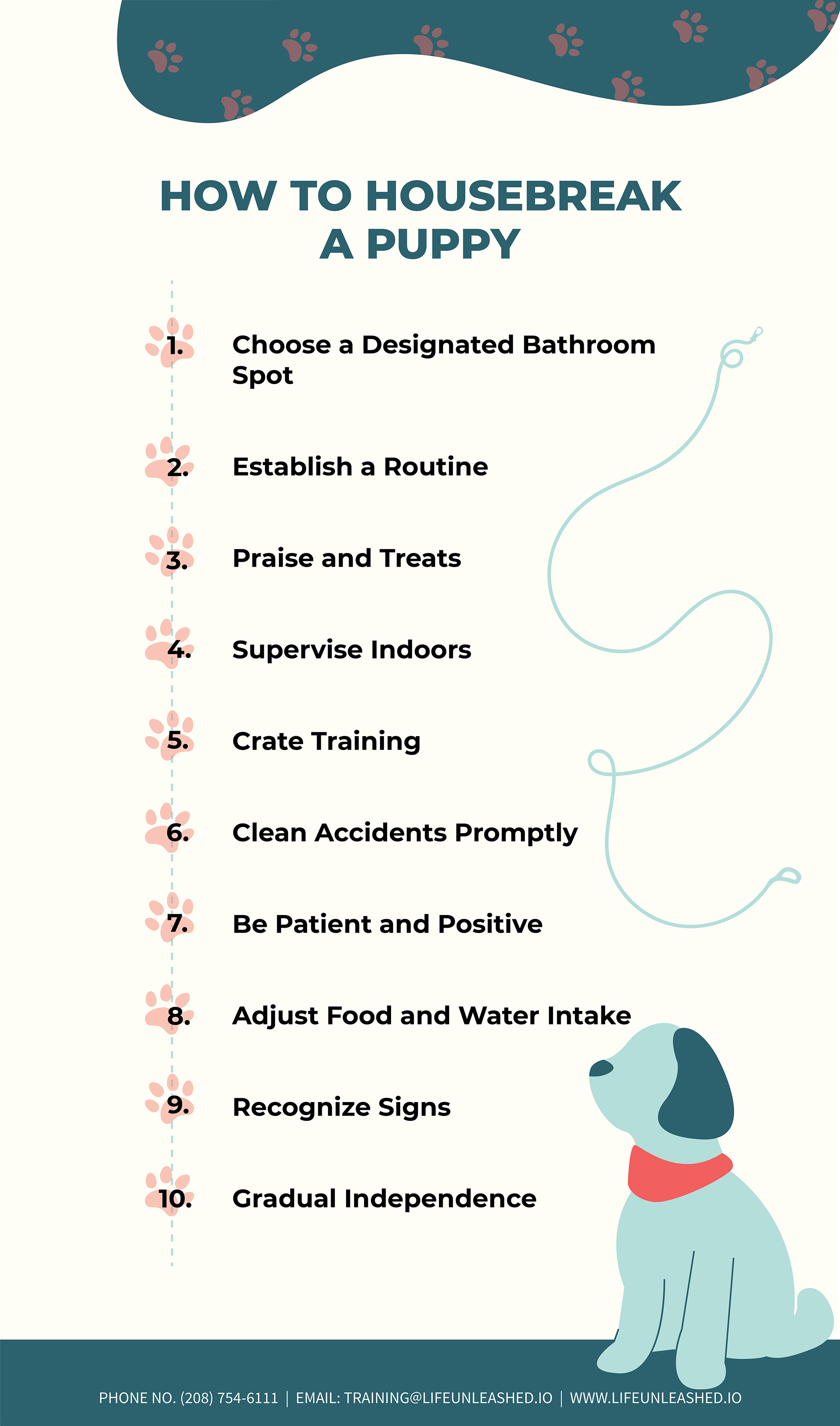
- Establish a Consistent Schedule: Puppies thrive on predictability. Institute a strict schedule for potty breaks, especially upon waking, after eating or drinking, after playing, and before bedtime. For young puppies, this may mean outdoor trips every hour or two.
- Crate Training: The use of a appropriately sized crate can be highly effective. Dogs naturally avoid soiling their sleeping area, which encourages a puppy to hold its bladder and bowels until it can be let out. The crate should be just large enough for the puppy to stand up, turn around, and lie down comfortably.
- Constant Supervision: When a puppy is not in its crate, it should be under direct supervision. This allows caretakers to observe early signs of needing to eliminate and to intervene by taking the puppy outside immediately. Keeping the puppy on a leash tethered to a person or within an enclosed, puppy-proofed area can aid supervision.
- Positive Reinforcement: When a puppy eliminates in the designated outdoor spot, immediate praise, a cheerful voice, and a small, high-value treat should be provided. This positive association strongly encourages the desired behavior.
- Designated Potty Spot: Always take the puppy to the same outdoor area for elimination. The familiar scent helps the puppy understand that this is the correct place. Wait patiently for the puppy to relieve itself.
- Thorough Accident Cleanup: Should an accident occur indoors, clean it immediately and thoroughly with an enzymatic cleaner designed to neutralize pet odors. Standard household cleaners may not remove the scent completely, potentially encouraging the puppy to return to that spot.
- Scheduled Meals and Water Management: Free-feeding can make housebreaking more challenging due to unpredictable elimination times. Scheduled meals (two to three times daily for puppies) allow for more predictable potty breaks. Water should generally be available, but it can be removed an hour or two before bedtime to minimize overnight accidents.
- Interruption and Redirection: If a puppy begins to squat or lift its leg indoors, a quick, sharp clap or verbal interjection (e.g., “No!”) can interrupt the action. Immediately pick up the puppy and carry it to the designated outdoor potty spot.
When Professional Help May Be Needed
While most puppies can be successfully housebroken with consistent effort and patience, certain situations may warrant professional intervention. Recognizing these instances ensures a puppy receives the most appropriate care and support.
- Persistent Accidents Despite Consistent Training: If a puppy continues to have frequent indoor accidents despite adherence to a strict schedule, constant supervision, and positive reinforcement for several weeks, a veterinary consultation is advisable. This persistence might indicate an underlying medical issue such as a urinary tract infection, kidney problem, diabetes, or intestinal parasites, all of which require veterinary diagnosis and treatment.
- Sudden Regression: A previously house-trained puppy that suddenly begins having accidents indoors without any apparent change in routine or environment should be examined by a veterinarian. Such a change in behavior often points to a medical cause.
- Behavioral Issues Beyond Housebreaking: Some puppies exhibit elimination issues linked to deeper behavioral problems. For instance, severe separation anxiety can manifest as urination or defecation when left alone. Submissive urination, often triggered by excitement, fear, or greeting rituals, is another behavioral challenge that might not respond to standard housebreaking techniques. In these cases, consultation with a certified professional dog trainer or a veterinary behaviorist can provide tailored strategies.
- Lack of Progress or Overwhelm: If caretakers feel overwhelmed, frustrated, or are not observing any progress after a dedicated period of consistent training (e.g., several months), seeking guidance from a professional dog trainer can be beneficial. An experienced trainer can assess the specific situation, identify potential roadblocks, and offer personalized advice and hands-on demonstrations.
Seeking professional assistance is not a sign of failure but rather a responsible step towards ensuring a puppy’s health, happiness, and successful integration into the family.
Conclusion
Housebreaking a puppy is an essential and rewarding aspect of responsible pet ownership, laying the groundwork for a well-behaved and cherished companion. This process demands immense patience, unwavering consistency, and a commitment to positive reinforcement. Understanding a puppy’s physiological limitations, recognizing its behavioral cues, and implementing a structured training regimen are all critical components. By providing a predictable routine, constant supervision, and abundant praise for appropriate elimination, caretakers can guide a puppy toward developing clean habits. While challenges may arise, persistent effort and, when necessary, professional guidance, pave the way for a harmonious household. The dedication invested in housebreaking not only fosters a strong bond but also ensures a lifetime of happy, healthy living for both the puppy and its human family, embodying the educational mission of petsanimalsworld.com to support animal well-being.
Pet Care & Wellness Overview Table
| Life Stage | Daily Activity Level | Key Nutrition / Care Focus |
|---|---|---|
| Puppy / Kitten | High (frequent short bursts) | High-protein growth diet & early socialization |
| Adult Companion | Moderate (30–60 mins daily) | Balanced maintenance nutrition & dental hygiene |
| Senior Pets | Low to Gentle (mindful walks) | Joint support (Glucosamine) & routine vet checks |
Images References