

Introduction
The term “housebroken dog” refers to a canine companion that has been successfully trained to relieve itself outdoors or in a specific, designated indoor area, rather than inside the home. This fundamental aspect of dog ownership is crucial for establishing a harmonious living environment, maintaining hygiene, and fostering a strong bond between a dog and its human family. For many pet owners, especially those with new puppies or recently adopted adult dogs, understanding the journey to a reliably housebroken dog is a top priority. Achieving this milestone significantly improves a dogs well-being by providing clear expectations and reduces stress for all members of the household. A housebroken dog enjoys more freedom within the home, fewer behavioral corrections, and a generally happier existence, making this topic central to responsible pet care.
💡 Pet Care Key Takeaways:
- Core Focus: Practical health, nutrition, and wellness guidelines for Housebroken Dog.
- Target Scope: Pet owners, animal caregivers, and veterinary support staff.
- Best Recommendation: Maintain consistent daily routines and consult an accredited veterinarian before introducing major diet or medical changes.
Common Causes and Key Factors
Achieving a housebroken dog involves understanding various underlying factors that can influence a dogs elimination habits. For puppies, the primary reason for indoor accidents is simply a lack of bladder control and prior training; they are not born knowing where to relieve themselves. Inconsistent training methods, such as irregular potty breaks, unclear signals, or punishment for accidents, can further hinder the house-training process. For more related activities, check out our Kikkopupbiting.
Beyond developmental stages, medical issues represent a significant cause for a previously housebroken dog to begin having accidents indoors. Urinary tract infections (UTIs), bladder stones, kidney disease, diabetes, and gastrointestinal problems can all lead to increased frequency or urgency of elimination, making it difficult for a dog to hold it until an appropriate time. In older dogs, age-related conditions like cognitive dysfunction (canine dementia) or weakened sphincter muscles can result in incontinence.
Behavioral factors also play a role. Separation anxiety can manifest as indoor urination or defecation when a dog is left alone. Submissive urination occurs when a dog feels threatened or overly excited, often during greetings. Territorial marking, particularly common in intact males but also seen in females, involves depositing small amounts of urine on vertical surfaces to claim an area. Stress, fear, or significant environmental changes, such as moving to a new home, changes in routine, or the introduction of new pets or people, can also trigger house-soiling behavior. Furthermore, if previous accidents are not thoroughly cleaned with enzymatic solutions, residual odors can encourage a dog to continue eliminating in the same indoor spot.
Signs and Symptoms to Observe
Observing a dogs behavior is key to understanding its house-training status and identifying potential issues. The most obvious sign is, of course, finding urine or feces inside the home. However, dogs often exhibit precursor behaviors before an accident occurs, which, if recognized, can prevent indoor soiling.
Common indicators include increased sniffing of the floor, particularly in areas where previous accidents have occurred, or near exits. Pacing restlessly, circling, whining, or scratching at a door can all signal a dogs need to go outside. Some dogs may suddenly disappear into another room to relieve themselves discreetly. These signs can vary depending on a dogs personality and previous training. A young puppy might simply squat without warning, while an older, previously housebroken dog might show more noticeable distress or attempts to signal.
Beyond typical elimination, specific behaviors might point to underlying issues. Urinating small amounts frequently, straining, or exhibiting discomfort during urination could indicate a medical problem. Urinating when greeted, during periods of excitement, or when scolded (often accompanied by a low posture) points towards submissive or excitement urination. Marking behavior often involves lifting a leg and depositing small amounts of urine on vertical objects rather than puddles on the floor. Any sudden changes in a dog’s regular elimination patterns, such as increased frequency, volume, or a complete loss of control, warrants immediate attention.
Practical Solutions and Management Strategies
Establishing a housebroken dog requires consistency, patience, and a structured approach. A fundamental strategy is to create a predictable schedule for potty breaks. This means taking the dog outside first thing in the morning, last thing at night, after waking from naps, after meals, and after periods of play or excitement. For puppies, more frequent trips (every 1-2 hours initially) are necessary due to their limited bladder control.
Supervision is paramount. When a dog cannot be actively supervised, confinement to a smaller, safe area helps. Crate training is an effective method, as dogs generally possess a natural instinct not to soil their sleeping area. The crate should be appropriately sized, allowing the dog to stand up, turn around, and lie down comfortably, but not so large that it can eliminate in one corner and sleep in another. If a crate is not used, a designated puppy-proofed room or an exercise pen can serve a similar purpose.
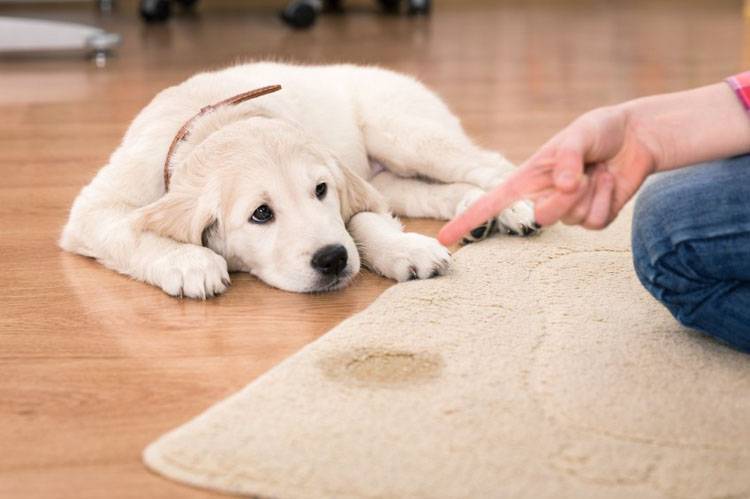
Positive reinforcement is crucial. Every successful outdoor elimination should be immediately rewarded with enthusiastic praise, a favorite treat, or a short play session. This helps the dog associate relieving itself outside with positive outcomes. Avoid punishment for indoor accidents, as this can make a dog fearful of eliminating in front of its owner, leading to more secretive soiling. Instead, if an accident occurs, clean it thoroughly with an enzymatic cleaner designed to neutralize pet odors, which discourages repeat incidents in the same spot.
For specific behavioral issues, targeted strategies are needed. Addressing separation anxiety may involve counter-conditioning and desensitization, alongside ensuring adequate exercise and mental stimulation. For submissive or excitement urination, a calm approach during greetings, avoiding direct eye contact, and allowing the dog to initiate interaction can be helpful. Management of diet and hydration through consistent feeding times can also aid in predicting elimination times. In some cases, spaying or neutering can reduce territorial marking behaviors.
When Professional Help May Be Needed
While many house-training challenges can be resolved with consistent effort and the strategies outlined above, there are specific situations where professional intervention becomes necessary. The most critical scenario is a previously housebroken adult dog suddenly beginning to have accidents indoors. This is often a strong indicator of an underlying medical condition. In such cases, a prompt visit to a veterinarian is essential to rule out urinary tract infections, kidney issues, diabetes, or other health problems. A veterinary examination can provide a diagnosis and appropriate treatment, which is the first step in resolving the house-soiling.
If medical causes have been ruled out and a dog continues to have persistent accidents despite diligent and consistent training efforts, a certified professional dog trainer or a veterinary behaviorist can offer invaluable assistance. These experts can assess the specific behavioral patterns, identify triggers, and develop a tailored training plan. Issues like severe separation anxiety, chronic marking behavior, or fear-based elimination require a nuanced understanding of canine psychology and behavior modification techniques that a professional can provide.
For senior dogs experiencing new incontinence issues, veterinary consultation is also vital. While some age-related changes are inevitable, veterinarians can offer management strategies, medications, or dietary adjustments that can improve bladder control and a dogs quality of life. Seeking professional guidance ensures that both the physical and emotional well-being of the dog are addressed comprehensively.
Conclusion
Achieving a reliably housebroken dog is a cornerstone of responsible pet ownership, contributing significantly to a harmonious household and a dog’s overall well-being. This journey demands patience, consistency, and a clear understanding of a dog’s needs and behaviors. From establishing predictable routines and utilizing effective training methods like positive reinforcement and crate training, to recognizing and addressing potential medical or behavioral root causes, each step is vital. Persistent observation of a dog’s habits and a willingness to adapt strategies are key components of success. When challenges arise that seem insurmountable through owner efforts alone, or when a previously housebroken dog suddenly changes its habits, seeking professional veterinary or behavioral guidance is a responsible and often crucial step. By committing to this process, pet owners not only cultivate a more integrated companion but also strengthen the invaluable bond shared with their beloved dog, fostering a happier and healthier life for all.
Pet Care & Wellness Overview Table
| Life Stage | Daily Activity Level | Key Nutrition / Care Focus |
|---|---|---|
| Puppy / Kitten | High (frequent short bursts) | High-protein growth diet & early socialization |
| Adult Companion | Moderate (30–60 mins daily) | Balanced maintenance nutrition & dental hygiene |
| Senior Pets | Low to Gentle (mindful walks) | Joint support (Glucosamine) & routine vet checks |
Images References




For more expert pet care tips and advice, check out our dedicated Dog Training guides to keep your companions healthy and happy.




