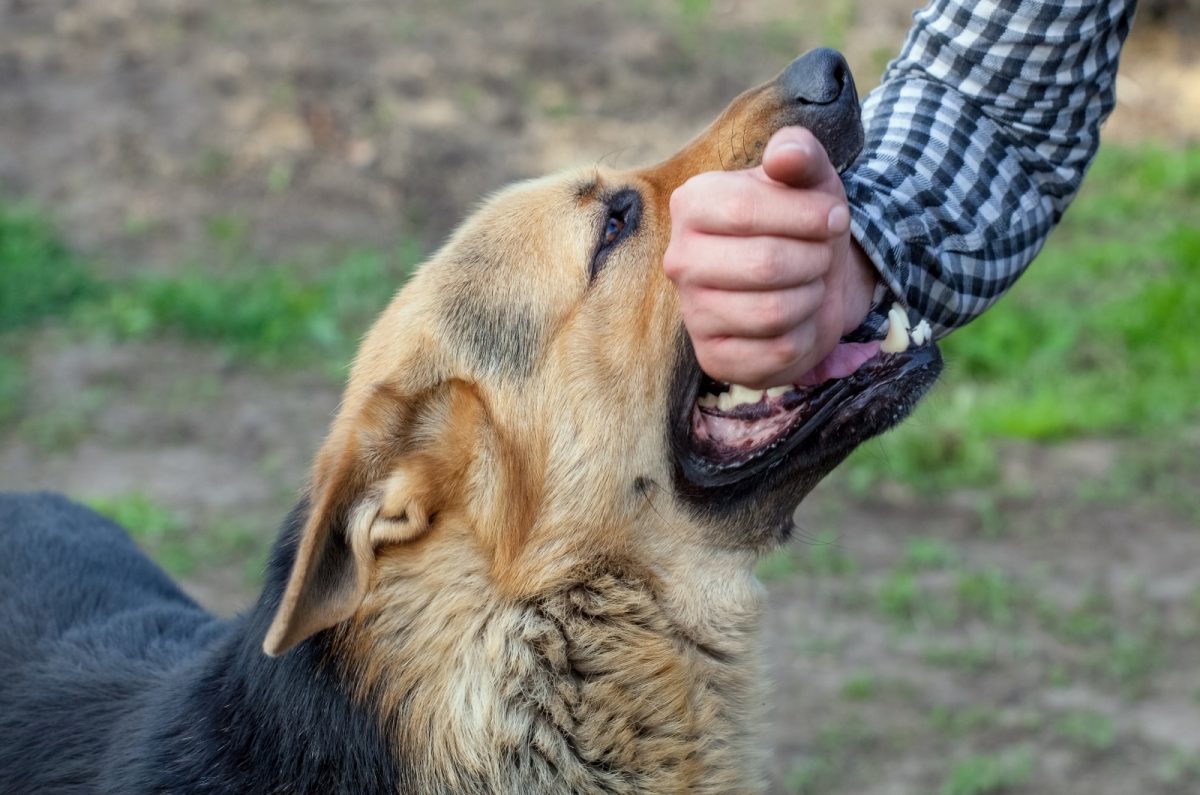
Understanding the Foundations of Canine Recall Mastery
Reliable recall—the ability to summon a dog back to handler control from a distance—remains one of the most vital safety skills in modern canine management. According to the American Kennel Club, establishing a dependable response to a summons is essential for preventing dangerous situations and ensuring community safety during outdoor activities. Throughout the history of domestic dog training, various methodologies have emerged to address this challenge, shaping how handlers communicate with their canine companions. Examining historical techniques provides valuable context for understanding the evolution of humane, effective communication methods utilized in contemporary Dog Training.
💡 Pet Care Key Takeaways:
- Core Focus: Practical health, nutrition, and wellness guidelines for How Barbara Woodhouse Trained Recall.
- Target Scope: Pet owners, animal caregivers, and veterinary support staff.
- Best Recommendation: Maintain consistent daily routines and consult an accredited veterinarian before introducing major diet or medical changes.
Historical Roots of Traditional Obedience Techniques
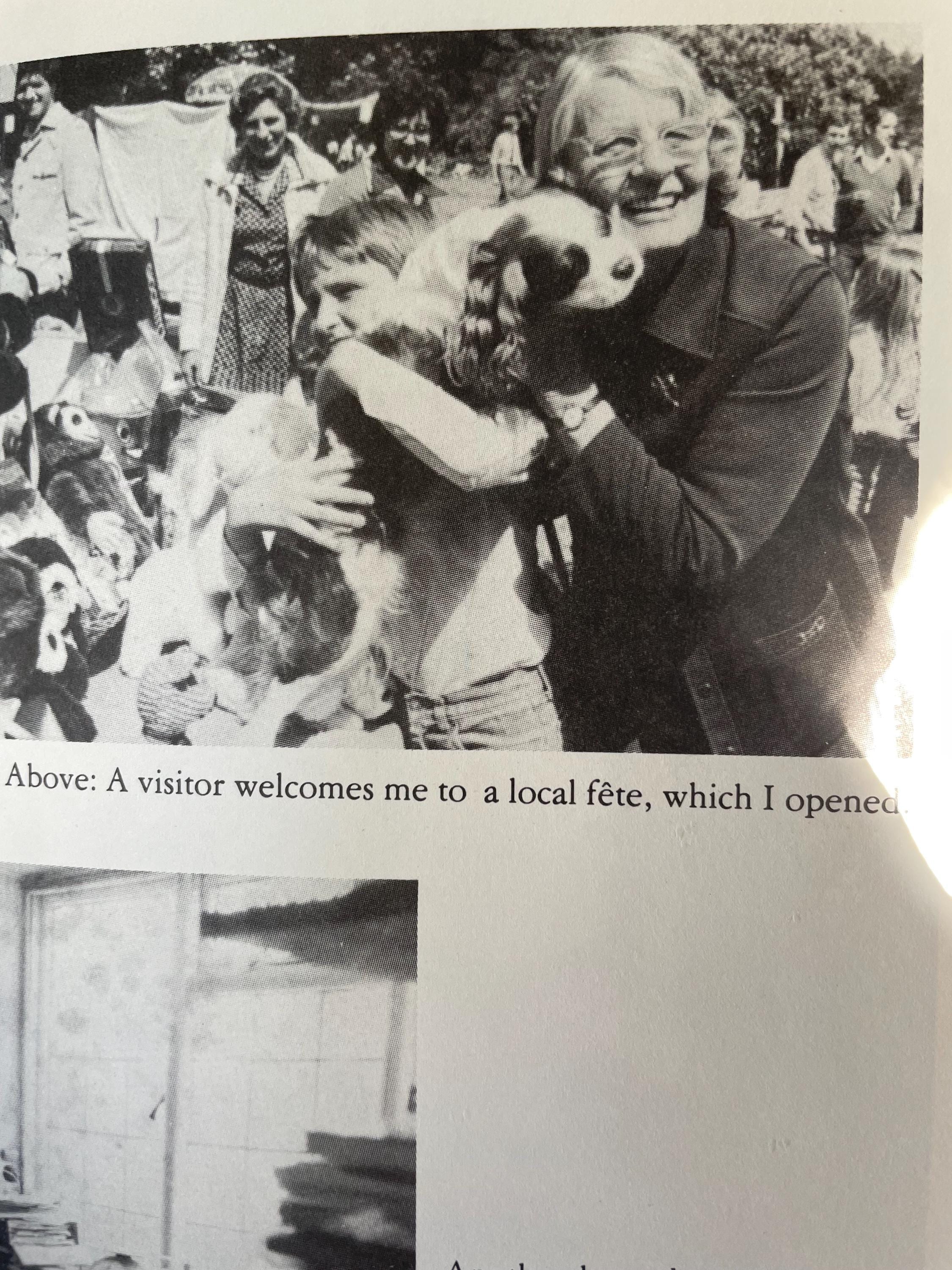
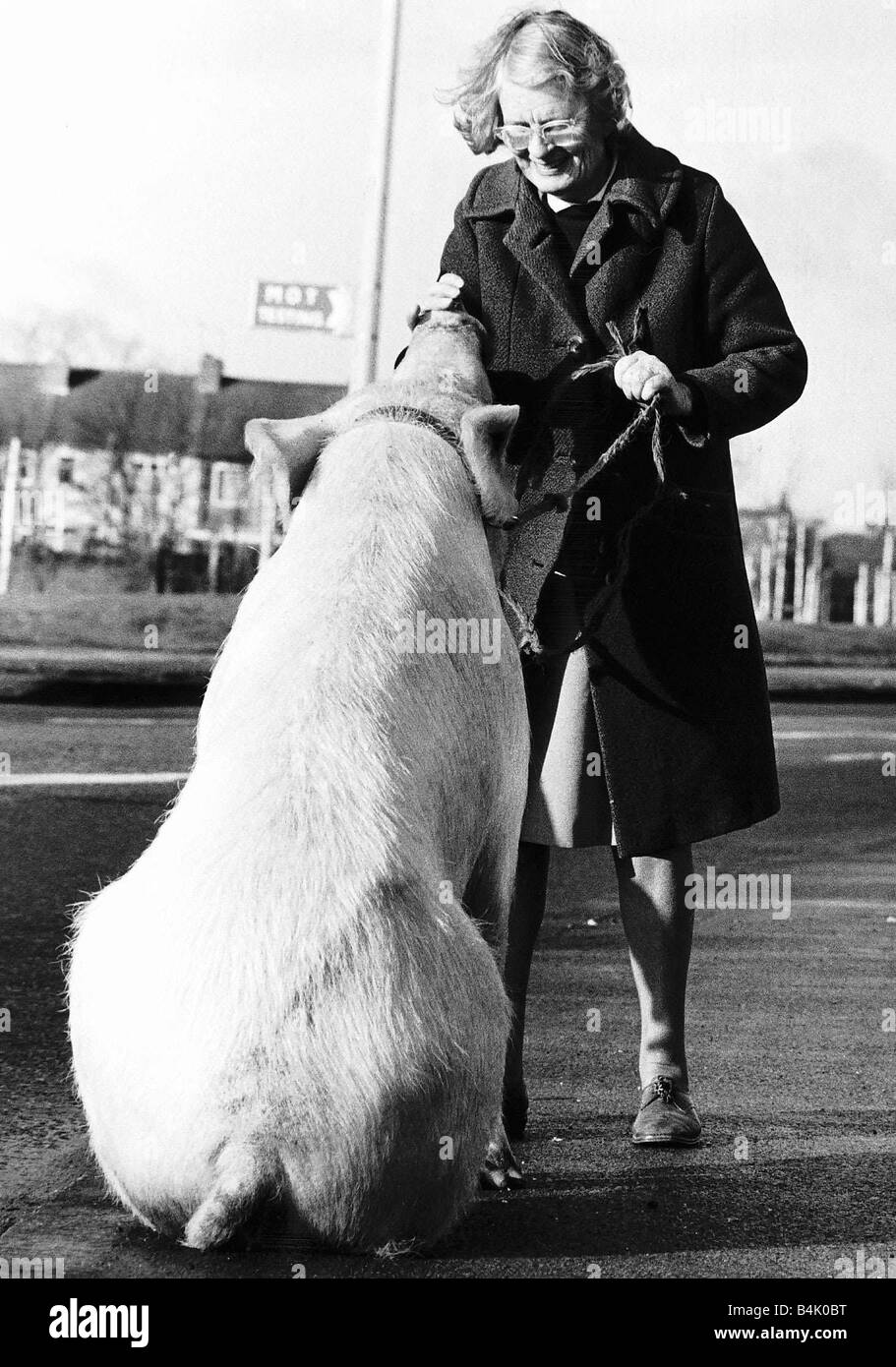
Examining how Barbara Woodhouse trained recall involves looking back at mid-twentieth-century television broadcasting and popular canine education. The renowned British television personality and author popularized a firm, confident, and direct approach to obedience, emphasizing absolute handler leadership and unmistakable voice inflection. Her signature command, delivered with a resounding and authoritative tone, relied heavily on vocal clarity and immediate physical consistency. While modern behavioral science favors positive reinforcement over strict dominance frameworks, historical methods prioritized clear human authority to establish predictable responses in domestic settings.
The Behavioral Impact of Voice Inflection and Handler Presence
Vocal tone and physical posture play significant roles in how dogs interpret human signals during distance communication. Canines are highly perceptive observers of human body language, acoustic pitch, and emotional cadence, using these cues to evaluate safety and intent. Traditional approaches leveraged this sensitivity by coupling a deep, commanding tone for correction with an enthusiastic, high-pitched vocal encouragement for successful returns. Maintaining consistency in verbal cues prevents confusion, allowing animals to associate a specific auditory signal with a predictable outcome.
Canines possess acute auditory discrimination, allowing them to distinguish subtle variations in human vocal tone, pitch, and emotional cadence over significant distances — American Kennel Club
Translating Historical Consistency Into Modern Recall Practices
Implementing effective distance control requires a structured progression that bridges traditional clarity with contemporary, reward-based methodology. Modern professionals recommend pairing a distinct verbal cue, such as a specific name or a dedicated recall word, with high-value incentives to build robust positive associations. Handlers must gradually increase environmental distractions while maintaining a secure baseline using long training lines. This gradual exposure ensures the dog understands the expectation across diverse settings without creating unnecessary stress or confusion.
Best Practices and Common Pitfalls in Distance Control
Achieving long-term reliability demands patience, precise timing, and avoidance of common handler errors that weaken the recall response. A frequent mistake involves repeating the summons multiple times when the animal hesitates, which inadvertently teaches the dog that compliance is optional. Furthermore, handlers should never call a dog toward them for aversive experiences, such as nail trimming, immediate confinement, or scoldings, as this damages trust. Maintaining a positive association with the handler’s proximity ensures the animal approaches willingly and promptly.
Consistent positive reinforcement during foundational obedience exercises significantly enhances behavioral compliance and strengthens the human-animal bond — American Veterinary Medical Association
Pet Care & Wellness Overview Table
| Life Stage | Daily Activity Level | Key Nutrition / Care Focus |
|---|---|---|
| Puppy / Kitten | High (frequent short bursts) | High-protein growth diet & early socialization |
| Adult Companion | Moderate (30–60 mins daily) | Balanced maintenance nutrition & dental hygiene |
| Senior Pets | Low to Gentle (mindful walks) | Joint support (Glucosamine) & routine vet checks |
Images References




Individual Variations Across Breeds, Ages, and Temperaments
Individual differences in motivation, breed characteristics, and developmental stages heavily influence how quickly a dog masters reliable distance responses. Independent working breeds or scenthounds with strong predatory instincts often require more intensive management and higher-value incentives compared to biddable companion types. Exploring specific traits through resources dedicated to Dog Breeds helps handlers tailor their expectations. Additionally, juvenile animals require shorter, highly engaging practice sessions to accommodate developing attention spans and high physical energy levels.
When to Consult a Professional Behaviorist or Trainer
Persistent recall failures, severe distraction-induced flight responses, or underlying fear-based behaviors warrant the guidance of a qualified expert. Handlers encountering severe anxiety, panic responses, or safety risks should avoid punitive or intimidation-based techniques, which often exacerbate fear and worsen behavioral outcomes. Instead, partnering with a certified professional ensures the implementation of evidence-based, humane strategies tailored to the individual animal’s psychological well-being and safety needs.
Building Lifelong Safety Through Clear Communication
Mastering reliable distance control is a continuous journey that deepens mutual trust and protects the health and welfare of companion animals everywhere. By combining historical emphasis on clear vocal communication with modern humane reinforcement principles, handlers can cultivate a dependable response in any environment. Discover more expert guidance on Dog Care and explore valuable resources across PetsAnimalsWorld.com to support a healthy, well-adjusted companion.