
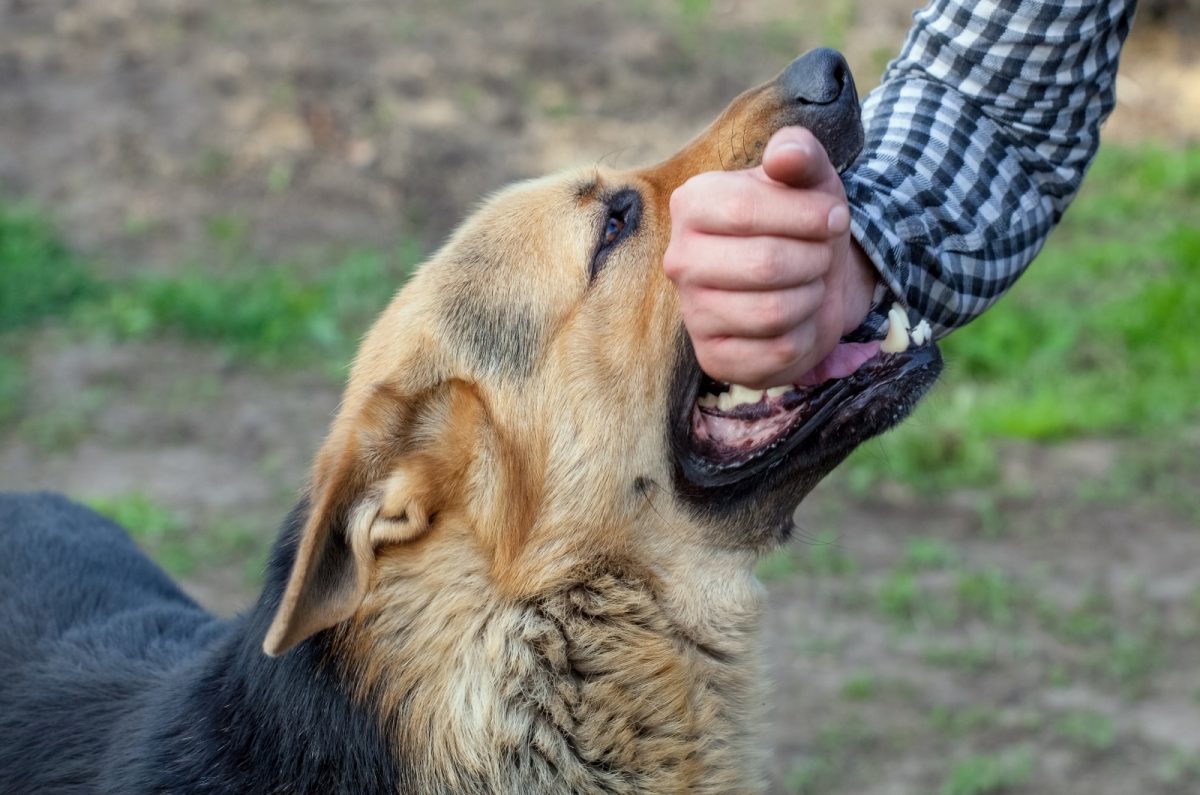
Understanding the Root Causes of Playful Biting in Mature German Shepherds
Understanding why an adult German Shepherd engages in biting behavior during interactive play requires a thorough look at canine instinct, genetics, and learned habits. According to the American Kennel Club, the German Shepherd is a working breed historically bred for herding and protection, which deeply imprints strong working drives and physical enthusiasm into their everyday behavior. When an adult dog catches human skin or clothing during a game, observers often mistake simple overexcitement for outright aggression. Investigating the precise mechanics behind these interactions helps owners protect themselves while supporting healthy canine behavior. To explore more about canine instincts and behavioral backgrounds, readers can look into specialized resources on Dog Breeds.
💡 Pet Care Key Takeaways:
- Core Focus: Practical health, nutrition, and wellness guidelines for What Makes An Adult German Shepherd Bite While Playing.
- Target Scope: Pet owners, animal caregivers, and veterinary support staff.
- Best Recommendation: Maintain consistent daily routines and consult an accredited veterinarian before introducing major diet or medical changes.
Defining Play-Related Mouthing and Grip Behaviors in Mature Dogs
Play-related biting or mouthing in an adult German Shepherd typically stems from unmanaged arousal, residual puppy habits, or misdirected predatory drive. In canine behavior, predatory motor patterns—consisting of eye, stalk, chase, grab-bite, and kill-bite—often manifest in fragments during high-energy games like fetch, tug-of-war, or roughhousing. A grab-bite is a natural reflex where the dog uses their mouth to grasp a moving object or person. When this instinct surfaces without proper inhibition, the dog may fail to gauge the fragility of human skin. This differs fundamentally from fear-based or territorial aggression, as the dog usually exhibits loose body postures, relaxed facial expressions, and a clear desire to continue the game rather than create distance.
Behavioral and Safety Implications of Unchecked Play Biting
Unchecked play biting in a large, powerful breed creates significant physical risks, potential household tension, and legal liabilities if a guest or neighbor is accidentally injured. German Shepherds possess formidable jaw strength and a high bite force capacity, meaning even an accidental graze can break skin or tear clothing. Allowing a forty-kilogram dog to practice gripping human limbs during play normalizes a dangerous boundary. Furthermore, inconsistent human reactions—such as laughing, running away, or yelling—can inadvertently reward the behavior by turning the interaction into an exciting chase game. Establishing early clarity regarding physical boundaries protects everyone in the household environment while maintaining the dog’s enthusiasm for play.
The German Shepherd is consistently ranked among the top registered dog breeds by major kennel registries, reflecting widespread popularity that necessitates proactive education on breed-specific traits and training. — American Kennel Club
Managing and Redirecting High-Energy Play Patterns Safely
Managing play-related biting involves teaching emotional regulation, introducing appropriate toy substitutions, and interrupting games before arousal peaks. When a dog becomes too boisterous, the most effective response is an immediate freeze and withdrawal of attention, which removes the reward of the human interaction. Handlers can redirect the dog’s mouth toward durable tug toys or long rubber fetch objects, ensuring the dog learns that teeth must only make contact with approved items. Consistent application of these rules teaches the dog that calm behavior keeps the game going, while teeth-on-skin causes the fun to stop entirely.
Best Practices and Common Mistakes in Play Management
Successful play modification requires patience, strict consistency, and an awareness of common pitfalls that worsen the behavior. A frequent mistake involves using bare hands to wrestle or slap the dog’s flanks during play, which explicitly teaches the animal that human flesh is an acceptable target for biting. Handlers should also avoid high-pitched squealing or frantic arm waving when teeth touch skin, as this mimics prey movement and triggers the dog’s chase instincts. Instead, maintaining a calm, neutral demeanor during interruptions helps lower the dog’s internal arousal state. For comprehensive advice on establishing structured routines, consult the guides available under Dog Care.
Positive reinforcement methods that focus on rewarding desired alternative behaviors are widely recommended by animal behavior experts for resolving canine behavioral challenges without inducing fear or distress. — American Society for the Prevention of Cruelty to Animals
Pet Care & Wellness Overview Table
| Life Stage | Daily Activity Level | Key Nutrition / Care Focus |
|---|---|---|
| Puppy / Kitten | High (frequent short bursts) | High-protein growth diet & early socialization |
| Adult Companion | Moderate (30–60 mins daily) | Balanced maintenance nutrition & dental hygiene |
| Senior Pets | Low to Gentle (mindful walks) | Joint support (Glucosamine) & routine vet checks |
Images References


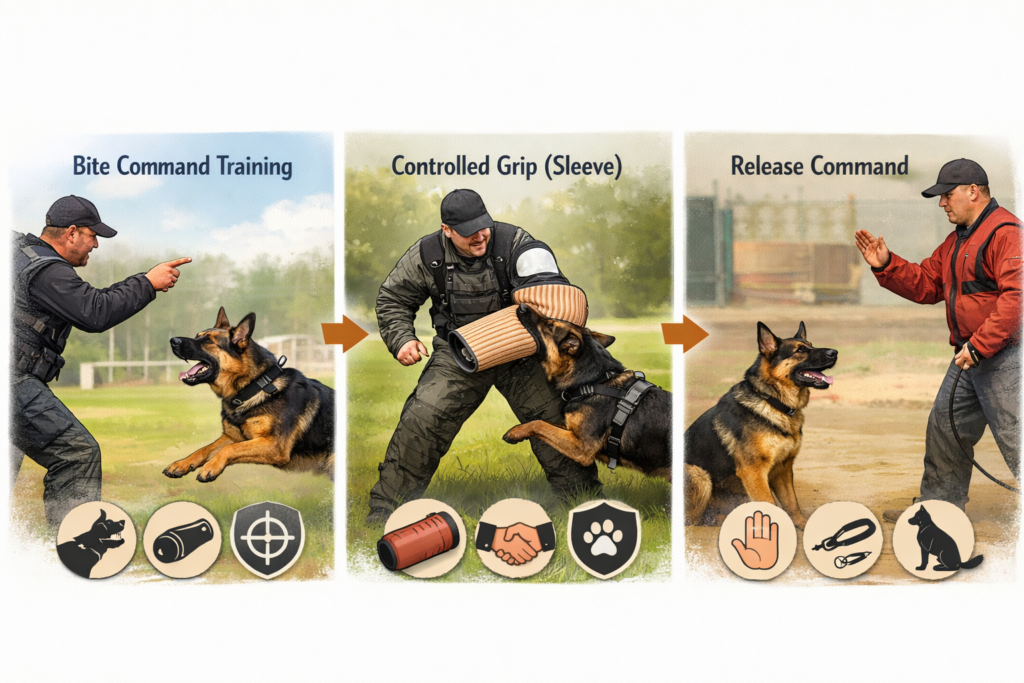


Breed-Specific Characteristics and Developmental Factors
The unique combination of intelligence, physical power, and high drive found in German Shepherds means their play style is naturally intense and demanding. These dogs mature relatively slowly, often retaining adolescent exuberance well past their second year of life. Their strong genetic predisposition to work alongside humans means they thrive when given mental challenges alongside physical exercise. Without adequate outlets for their cognitive needs, working dogs often invent their own games, which may include grabbing clothes, leaping, or mouthing hands to demand attention from their human companions.
When to Seek Professional Guidance from a Certified Behaviorist
Persistent biting that occurs outside of active play, or play biting that escalates into growling, stiffening, or snapping, requires evaluation by a qualified professional. Dog owners facing complex behavioral issues should seek out a certified professional dog trainer or a veterinary behaviorist who utilizes humane, evidence-based methods. Avoid punitive, intimidation-based, or dominance-style techniques, as these approaches can heighten fear and increase the risk of defensive aggression. To explore resources focused on humane learning theory and behavioral modification, visit Dog Training.
Conclusion and Further Resources
Addressing play-related biting in an adult German Shepherd requires patience, clear boundaries, and a solid understanding of canine motivation. By replacing accidental reinforcement with calm redirection and structured rules, owners can enjoy safe, engaging play sessions that strengthen the bond with their canine companion. For ongoing guidance on keeping a canine healthy and well-adjusted, visit PetsAnimalsWorld.com and explore related topics such as Dog Behavior.


