According to the American Society for Prevention of Cruelty to Animals (ASPCA), behavioral issues are among the primary reasons dogs are relinquished to shelters, making modern, science-based intervention vital for keeping families together. Many households struggle when traditional obedience commands fail to resolve deep-seated issues like leash reactivity, separation anxiety, or resource guarding. Watching a beloved companion cower in fear or lunge unexpectedly at passing strangers is heartbreaking for any caregiver. In professional practice, observing dogs freeze, lower their bodies, or scan the environment frantically reveals that these behavioral outbursts stem from underlying stress rather than willful disobedience. Addressing these complex emotional landscapes requires a standardized, professional framework rooted in animal behavior science. This is where specialized behavioral certification bodies play a crucial role in guiding owners toward effective, compassionate solutions.
💡 Pet Care Key Takeaways:
- Core Focus: Practical health, nutrition, and wellness guidelines for Iaabc Dog Training.
- Target Scope: Pet owners, animal caregivers, and veterinary support staff.
- Best Recommendation: Maintain consistent daily routines and consult an accredited veterinarian before introducing major diet or medical changes.
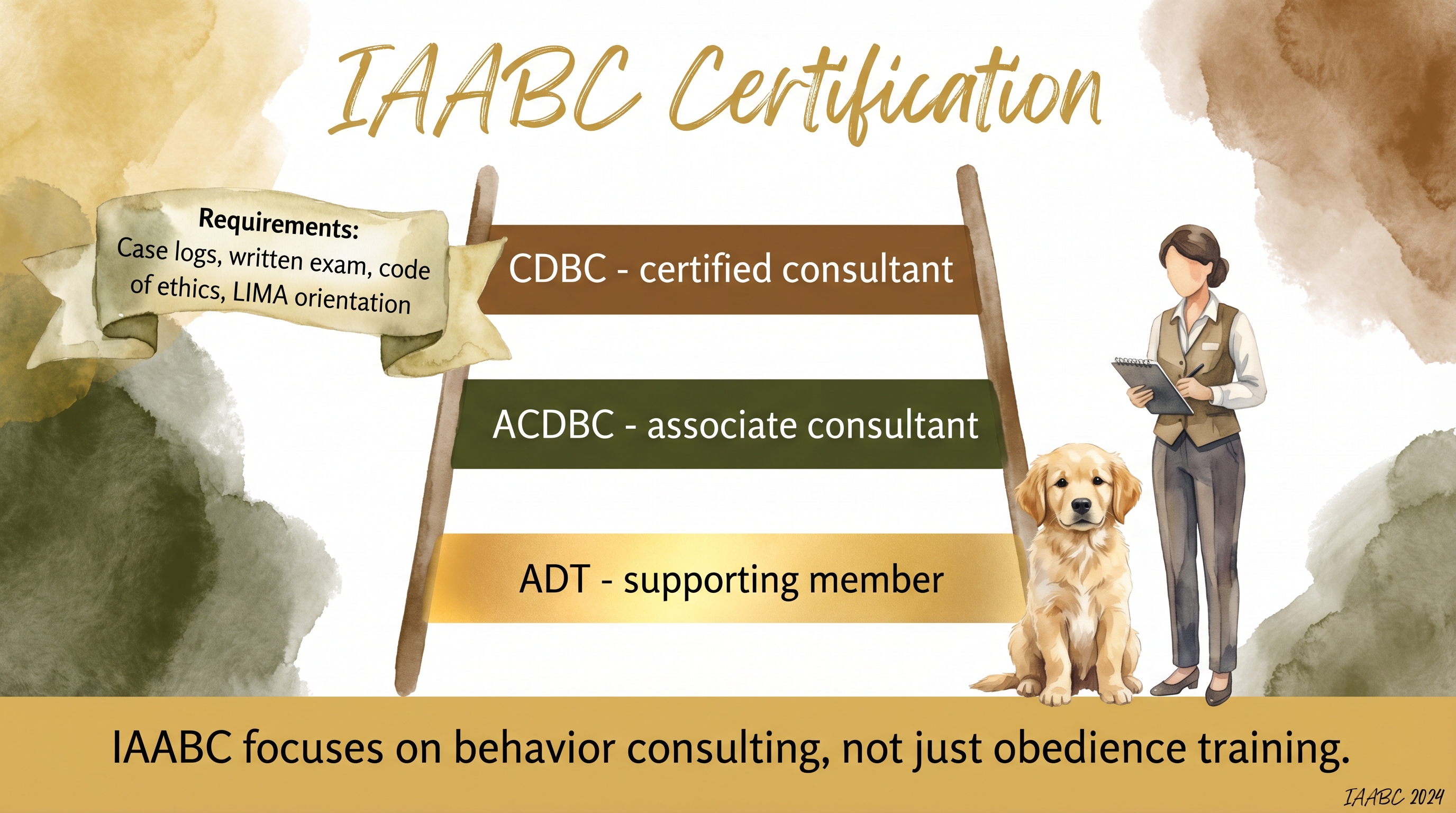
IAABC dog training represents a gold standard in animal behavior consulting, focusing on the LIMA framework—which stands for Least Intrusive, Minimally Aversive methods.
The International Association of Animal Behavior Consultants (IAABC) is a professional credentialing organization that certifies practitioners specializing in the assessment and modification of animal behavior. Unlike traditional trainers who may rely heavily on corrections, an IAABC-certified behavior consultant evaluates the emotional and physiological drivers behind a dog’s actions, such as fear, frustration, or pain. This methodology prioritizes positive reinforcement, environmental management, and desensitization, ensuring that the emotional well-being of the animal remains paramount throughout the rehabilitation process. By shifting the focus from simply stopping an unwanted behavior to understanding *why* the behavior occurs, professionals help create lasting, harmonious relationships between dogs and their human companions.
The impact of science-based behavior modification extends far beyond the training field, fundamentally improving a dog’s long-term neurological health, stress hormone regulation, and overall quality of life.
Chronic stress keeps a dog’s sympathetic nervous system in a constant state of hyperarousal, flooding the body with cortisol and adrenaline that can eventually compromise immune function and exacerbate cognitive decline. Implementing modern behavioral interventions helps lower baseline anxiety, reducing physiological wear and tear on the animal’s body while fostering neurological resilience. Observing a fearful rescue dog finally learn to rest comfortably in a crate without panting or trembling demonstrates the profound physiological relief that comes from humane, low-stress behavior modification. Furthermore, when caregivers learn to read subtle canine body language—such as lip licking, yawning, or averted gazes—they can intervene before a situation escalates, protecting both the animal and the public.
Addressing complex behavioral concerns through structured modification protocols requires patience, careful environmental management, and a commitment to gradual desensitization.
Successful behavior change starts with management, which involves proactively preventing the dog from rehearsing unwanted habits while establishing new, positive emotional associations with previous triggers. For instance, a dog reactive to other canines will benefit tremendously from maintaining a safe distance where the animal remains under threshold—meaning calm enough to accept treats and process cues. Gradual exposure paired with high-value rewards helps rewrite the brain’s emotional response, transforming panic into neutral tolerance or even positive anticipation. Every step forward must be celebrated, recognizing that behavior modification is a marathon rather than a sprint.
Avoiding outdated dominance theories and punitive tools is essential to prevent escalating fear and aggression in vulnerable companion animals.
One of the most critical best practices in modern behavior work is the complete avoidance of physical punishments, prong collars, shock collars, and alpha-rolling techniques, which often suppress warning signals like growling without addressing the underlying fear. When a dog is punished for growling, the warning system is stripped away, which paradoxically increases the likelihood of a sudden bite without warning in the future. Consistency and clear communication build trust, whereas unpredictability and intimidation destroy it. Consulting resources on Dog Training can help caregivers stay aligned with modern, humane methodologies that prioritize the emotional safety of the animal.