

Understanding the Roots of Canine Mouthiness and Early Development
According to the American Kennel Club, play-biting and nipping are entirely normal behaviors for canine youngsters exploring their environment and interacting with littermates. Bringing a new canine companion into a household brings immense joy, yet it frequently introduces the challenge of sharp little teeth making contact with human skin. Professional behaviorists recognize that young dogs do not inherently understand human skin sensitivity. Instead, they use their mouths much like human infants use their hands, grasping to test textures, seek attention, and navigate social dynamics. Examining puppy nipping through a behavioral lens reveals that a young dog lacks malice; rather, the animal is simply engaging in species-typical exploration that requires gentle, consistent redirection.
💡 Pet Care Key Takeaways:
- Core Focus: Practical health, nutrition, and wellness guidelines for Biting Puppy Training Tips Cesar Millan.
- Target Scope: Pet owners, animal caregivers, and veterinary support staff.
- Best Recommendation: Maintain consistent daily routines and consult an accredited veterinarian before introducing major diet or medical changes.
Addressing this early exploratory behavior effectively requires understanding the core philosophy popularized by renowned behavior specialists like Cesar Millan. While classic training methods often focus solely on command execution, balanced canine psychology emphasizes calm, assertive energy and clear communication. When a young dog clamps down on a hand or ankle, traditional reactive responses—such as squealing, pulling away quickly, or shouting—often mimic the high-pitched squeaks and frantic movements of fleeing prey, inadvertently triggering higher prey drive and turning the interaction into an exciting game. Adopting the principles associated with Cesar Millan training strategies means shifting away from emotional reactions and toward calm, neutral boundaries that teach the animal what is acceptable.
Decoding the Methodology Behind Cesar Millan-Inspired Puppy Nipping Management
Applying Cesar Millan-inspired techniques to puppy biting centers on establishing calm energy, structured boundaries, and fulfilling the animal’s fundamental psychological needs. Canine behavior specialists frequently observe that a tired, balanced dog is far less inclined to engage in frantic, destructive nipping than one with pent-up nervous energy. This philosophy teaches that humans must embody a calm, assertive pack leader—acting as a steady, reliable guide rather than a frantic playmate. When addressing unwanted mouthing, the focus remains on energy regulation, timing, and showing the animal that inappropriate teeth-on-skin contact instantly stops all positive engagement.
In a practical setting, observing a mother dog correcting her littermates offers profound insight into effective behavioral redirection. Mother dogs do not scream or become aggressive; instead, they use calm posture, subtle blocking, and immediate withdrawal of attention to signal that a boundary has been crossed. Replicating this natural feedback loop forms the foundation of balanced behavioral correction. When sharp teeth touch human skin, freezing entirely, remaining calm, and calmly blocking the animal teaches a clear cause-and-effect lesson without generating fear or anxiety, aligning with modern humane standards endorsed by organizations like the American Society for the Prevention of Cruelty to Animals.
The Behavioral and Emotional Impact of Unchecked Puppy Mouthiness
Allowing unchecked mouthing to persist during the formative developmental window creates long-term behavioral hurdles that affect household harmony. As dogs grow rapidly into powerful adults, behaviors considered cute in a ten-week-old animal transition into dangerous liabilities. Furthermore, inconsistent human reactions—laughing one moment and scolding harshly the next—create profound confusion, leading to anxiety-driven responses. Proper socialization and structured Dog Behavior guidelines ensure that boundaries remain crystal clear throughout maturation, preventing the development of fear-based aggression or compulsive chewing habits.
Proper early socialization and clear boundary-setting during the first few months of life significantly reduce the incidence of adult canine aggression and relinquishment — American Kennel Club
Beyond immediate household safety, early management directly impacts the psychological well-being of the growing animal. A dog that learns self-regulation develops higher emotional resilience, adapting smoothly to new environments, unfamiliar guests, and veterinary examinations. Conversely, a dog subjected to erratic human emotions or harsh, punitive handling may develop defensive tendencies. Ensuring that every household member responds uniformly to mouthing fosters a secure learning environment where the animal understands exact expectations, laying the groundwork for lifelong obedience and balanced Dog Training milestones.
Practical Implementation of Calm Redirection and Energy Management
Implementing effective bite inhibition requires a structured routine combining physical exercise, mental stimulation, and immediate consequence timing. When a young dog initiates mouthing during play, the human response should be an immediate, motionless pause accompanied by a neutral posture and avoidance of eye contact. This withdrawal of energy acts as an immediate natural consequence. Once the animal calms down and releases the grip, appropriate toys can be offered as an acceptable substitute, satisfying the natural chewing urge while protecting human hands.
Avoiding Common Pitfalls and Establishing Consistent Daily Routines
Many well-meaning pet owners inadvertently encourage aggressive play by using bare hands as wrestling toys or engaging in rough-and-tumble games that escalate arousal levels. To prevent this, always keep a durable chew toy nearby during interaction sessions, acting as a physical barrier between teeth and skin. Additionally, ensure that daily physical exercise matches the specific breed’s stamina requirements, as a physically exhausted animal possesses far less surplus energy for destructive nipping. Integrating structured routines supports overall Dog Care and reinforces calm behavioral habits.
Canine cognitive development during the juvenile phase relies heavily on predictable, calm environmental feedback rather than erratic emotional reactions — American Veterinary Medical Association
Pet Care & Wellness Overview Table
| Life Stage | Daily Activity Level | Key Nutrition / Care Focus |
|---|---|---|
| Puppy / Kitten | High (frequent short bursts) | High-protein growth diet & early socialization |
| Adult Companion | Moderate (30–60 mins daily) | Balanced maintenance nutrition & dental hygiene |
| Senior Pets | Low to Gentle (mindful walks) | Joint support (Glucosamine) & routine vet checks |
Images References






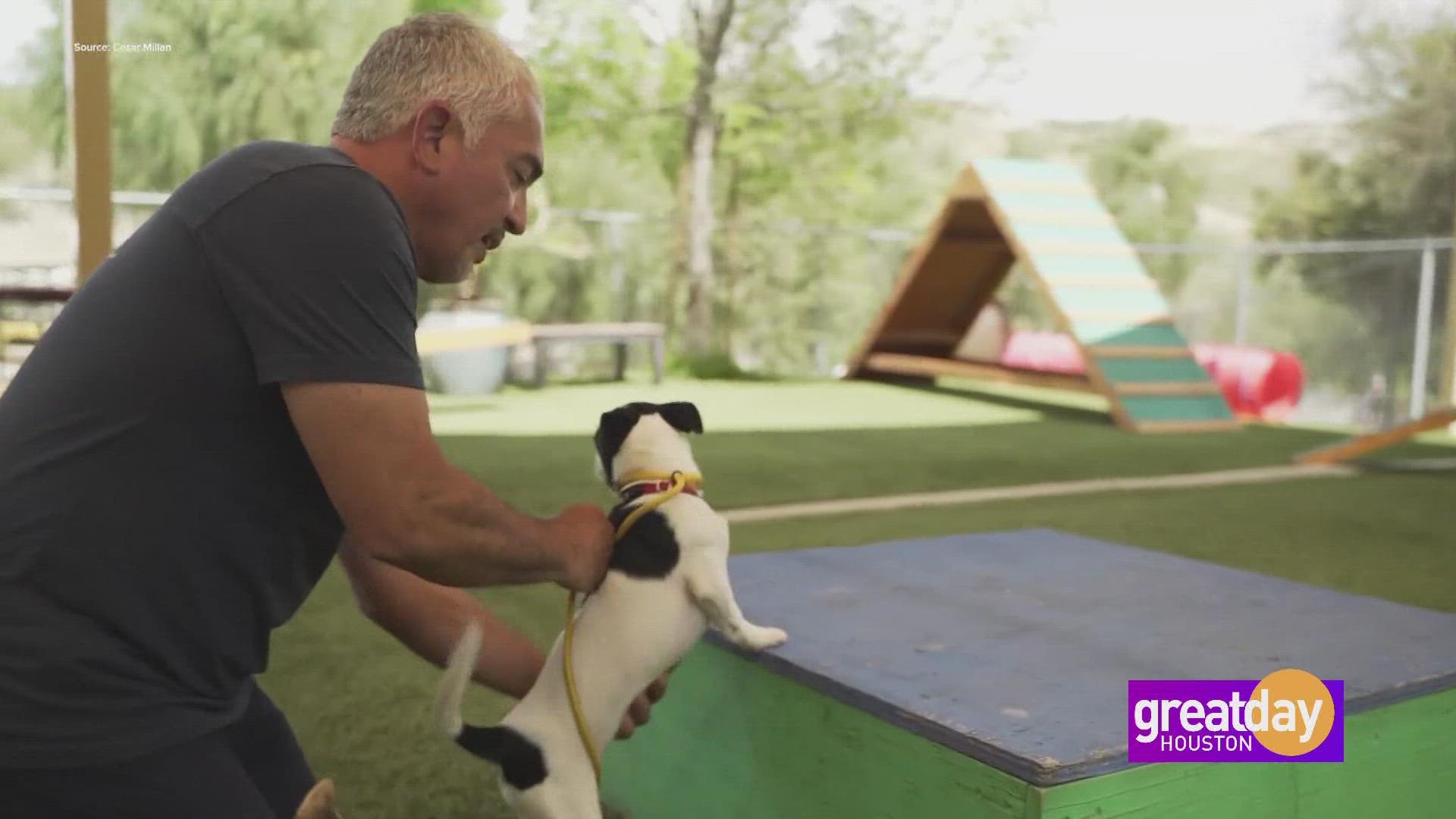


Establishing predictability extends to every interaction throughout the day, ensuring that rules do not change based on human convenience. Consistency eliminates confusion, allowing the young animal to internalize house rules efficiently. Pairing physical outlets with mental puzzles—such as treat-dispensing toys or scent games—further drains excess cognitive energy, resulting in a relaxed, cooperative companion ready to learn advanced obedience commands.
Breed-Specific Considerations and Temperament Variations in Training
Recognizing that different canine lineages possess distinct genetic predispositions is vital when shaping bite inhibition and managing mouthing behaviors. Working and herding breeds, historically bred to grip livestock or collaborate closely with humans using their mouths, often display heightened intensity during play and require robust mental jobs alongside strict boundary management. Conversely, companion or toy breeds may nip out of insecurity or tiny frame fragility, requiring exceptionally gentle handling to avoid instilling defensive fear.
Exploring specific Dog Breeds helps owners tailor their approach, ensuring that training methods match natural instincts rather than fighting against centuries of selective breeding. High-drive working dogs benefit immensely from structured tasks that channel their intense focus productively, while softer breeds thrive on gentle, confidence-building praise. Understanding these inherent differences prevents frustration for both human and animal, fostering a harmonious partnership built on mutual respect and clear communication.
When to Consult a Certified Professional Behaviorist or Veterinarian
While normal puppy mouthing resolves steadily with consistent guidance, certain behavioral red flags require expert intervention from a veterinary professional or certified animal behaviorist. If nipping escalates into genuine aggression—characterized by stiff body posture, low growling, snapping with intent to harm, or biting triggered by resource guarding—immediate professional support is essential. Never rely on punitive or dominance-based techniques for serious behavioral issues, as these can exacerbate fear and increase bite severity.
Furthermore, sudden onset mouthing or biting can sometimes indicate underlying medical discomfort, such as painful teething issues, gastrointestinal distress, or neurological concerns. Consulting a qualified veterinarian ensures that any physical ailments are ruled out before addressing behavioral components. Comprehensive wellness checks support optimal Dog Health, while specialized trainers provide safe, science-backed modification plans tailored to complex behavioral challenges.
Building a Balanced Partnership for Lifelong Harmony
Mastering the art of guiding a young canine through the teething phase demands patience, consistency, and a commitment to understanding canine psychology from the animal’s perspective. By replacing reactive frustration with calm, assertive energy and clear boundaries, households can transform chaotic nipping into polite, affectionate companionship. Exploring comprehensive resources across PetsAnimalsWorld.com, including insights on Dog Nutrition and general wellness, ensures that every aspect of the animal’s development receives expert attention, paving the way for a joyful, well-adjusted life together.



