
Introduction
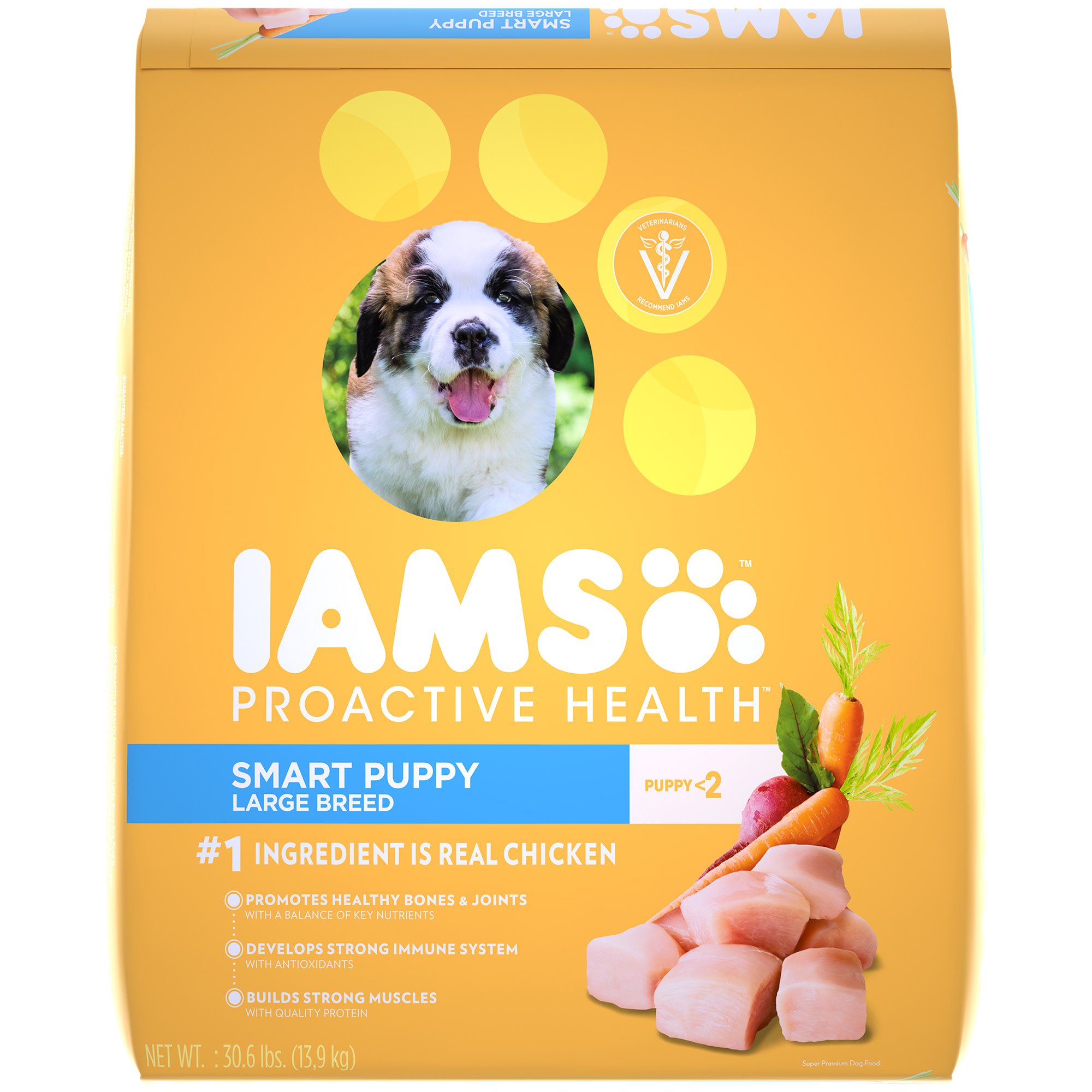
The initial stages of a dog’s life are crucial for its long-term health and well-being, and this is especially true for large and giant breeds. These magnificent animals grow at an astonishing rate, sometimes reaching their adult weight within 18 to 24 months. Providing the right nutrition during this rapid development phase is paramount to ensuring healthy bone and joint formation, preventing common skeletal issues, and supporting overall vitality. This is where specialized diets, such as Iams Large Breed Puppy Food, play a vital role. Understanding the specific nutritional requirements of a large breed puppy and how a properly formulated diet addresses them can significantly improve a dogs physical health, comfort, and quality of life as it matures. The careful selection of a diet tailored to their unique developmental needs can set the foundation for a robust and active adulthood.
💡 Pet Care Key Takeaways:
- Core Focus: Practical health, nutrition, and wellness guidelines for Iams Large Breed Puppy Food.
- Target Scope: Pet owners, animal caregivers, and veterinary support staff.
- Best Recommendation: Maintain consistent daily routines and consult an accredited veterinarian before introducing major diet or medical changes.
Common Causes and Key Factors
Large breed puppies possess distinct nutritional needs that differentiate them from their smaller counterparts. Their rapid growth trajectory requires a diet specifically formulated to support controlled growth, rather than accelerated weight gain, which can be detrimental. A primary factor in this specialization is the delicate balance of calcium and phosphorus. Excessive calcium intake in large breed puppies can lead to skeletal deformities like hip and elbow dysplasia, osteochondrosis, and other bone development disorders. Therefore, responsible diets, including Iams Large Breed Puppy Food, feature carefully controlled levels of these minerals. For more related activities, check out our Home Remedy For Dog With Struvite Crystals.
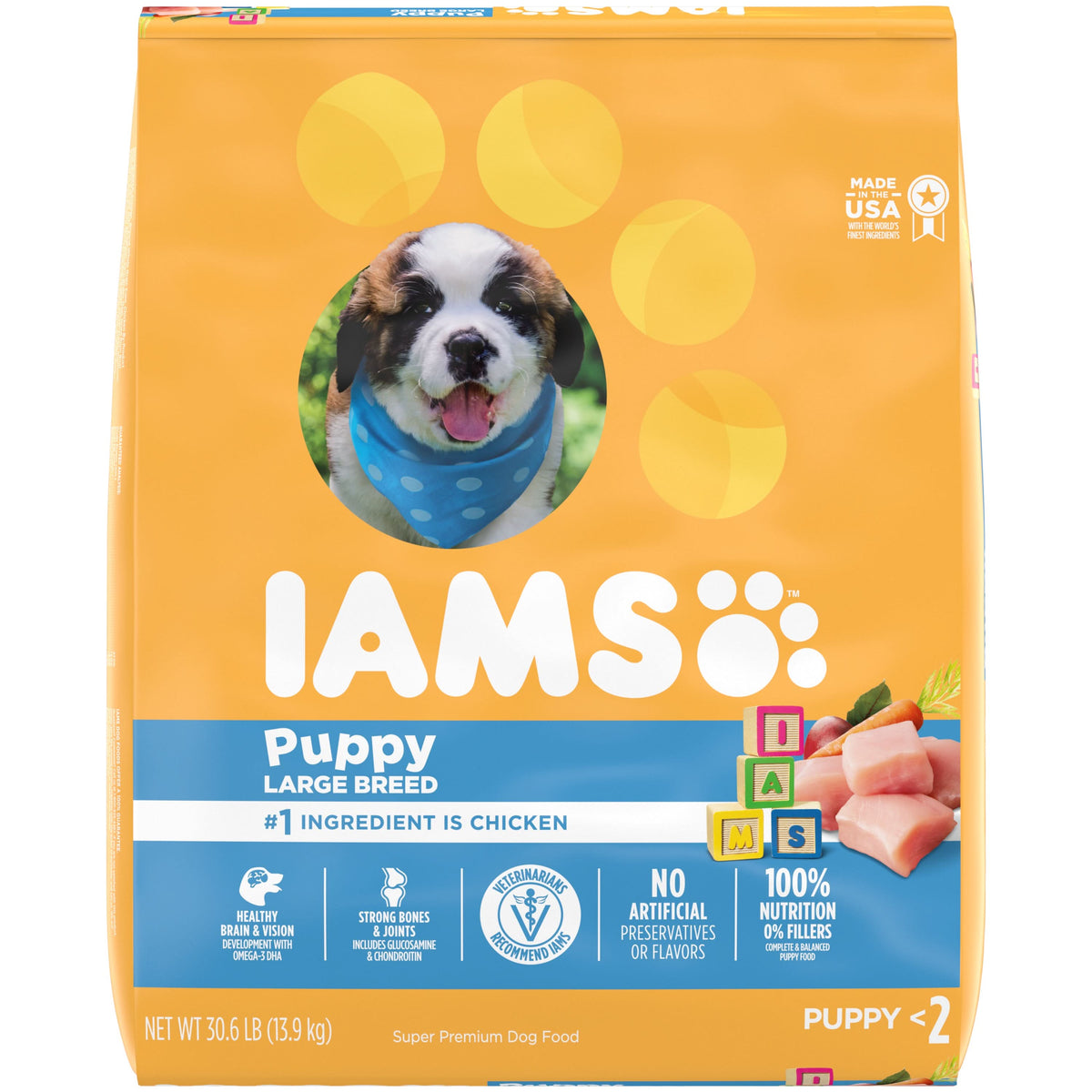
Another crucial element is the protein content. While protein is essential for muscle development, an extremely high protein diet, when combined with uncontrolled calorie intake, can contribute to overly rapid growth. Adequate but not excessive protein, paired with appropriate fat levels, ensures that puppies gain weight steadily and build lean muscle mass without putting undue stress on their developing skeletal structure. Furthermore, large breed puppy foods often include ingredients to support joint health, such as glucosamine and chondroitin, which are beneficial for the cartilage and connective tissues that will bear substantial weight later in life. The kibble size is also a practical consideration, designed to suit larger mouths and encourage proper chewing.
Signs and Symptoms to Observe
Observing a large breed puppy’s development closely is essential to identify any signs that its nutritional needs might not be adequately met. One of the most critical indicators of an inappropriate diet is excessively rapid weight gain or growth. While large breeds are expected to grow quickly, an accelerated rate can manifest as an awkward gait, splayed feet, or apparent joint discomfort. Puppies experiencing such issues may show reluctance to play, lameness after exercise, or difficulty rising.
Other symptoms can include digestive upset, such as persistent diarrhea or constipation, which may indicate an intolerance to certain ingredients or an overall imbalance in the food’s composition. Poor coat quality, characterized by dullness, dryness, or excessive shedding, can also be a sign of nutritional deficiencies. Conversely, obesity in a large breed puppy, though sometimes overlooked as “puppy fat,” poses significant risks for joint health and can predispose the dog to a lifetime of mobility issues. Monitoring a puppy’s energy levels, stool quality, and overall demeanor can provide valuable insights into its dietary suitability.
Practical Solutions and Management Strategies
Selecting a specialized diet like Iams Large Breed Puppy Food is a foundational step in responsible large breed puppy care. Once chosen, adhering strictly to the feeding guidelines provided on the packaging is crucial. These guidelines are formulated based on a puppy’s current weight and anticipated adult weight, aiming to support controlled growth. Avoid free-feeding, as this can easily lead to overconsumption and rapid weight gain. Instead, measure out portions accurately and feed on a consistent schedule, typically two to three times per day for young puppies.
Regular weight checks and body condition scoring are practical strategies to ensure the puppy maintains an ideal physique. It should have a visible waistline when viewed from above and ribs that can be felt but not seen, with a slight fat covering. As puppies grow, their caloric needs change, requiring adjustments to feeding amounts over time. Gradually transitioning between different foods, if necessary, is also important to prevent digestive upset. This involves mixing increasing amounts of the new food with decreasing amounts of the old food over several days. Limiting treats, especially those not specifically formulated for puppies, can also help manage overall caloric intake and maintain a balanced diet.
When Professional Help May Be Needed
While diligent observation and appropriate feeding practices go a long way, there are instances where professional veterinary consultation becomes necessary. If a large breed puppy exhibits persistent limping, an abnormal gait, or signs of pain when moving, a veterinarian should be consulted immediately. These symptoms can indicate serious developmental orthopedic diseases that require early intervention. Similarly, concerns about a puppy’s growth rate whether it appears to be growing too quickly or is unusually small for its age and breed warrant a professional evaluation.
Chronic digestive issues, such as prolonged diarrhea or vomiting, severe lethargy, or a sudden change in appetite that lasts for more than a day or two, also necessitate veterinary attention. A veterinarian can assess the puppy’s overall health, conduct diagnostic tests if needed, and provide tailored dietary recommendations or medical treatments. They can also offer guidance on specific nutritional concerns and help ensure that the puppy is progressing along a healthy growth curve, making adjustments to the diet or care plan as required.
Conclusion
The journey of raising a large breed puppy is rewarding, and proper nutrition is a cornerstone of ensuring a healthy, happy companion. Understanding the unique developmental demands of these breeds and responding with a specialized diet like Iams Large Breed Puppy Food is more than just feeding; it is an investment in their long-term well-being. Awareness of the signs of appropriate growth versus potential issues, coupled with consistent, measured feeding, empowers owners to proactively support their puppy’s foundational health. By prioritizing tailored nutrition and seeking professional guidance when necessary, owners provide their large breed puppies with the best possible start in life, enabling them to grow into strong, vital adult dogs ready to share many active years.
Pet Care & Wellness Overview Table
| Life Stage | Daily Activity Level | Key Nutrition / Care Focus |
|---|---|---|
| Puppy / Kitten | High (frequent short bursts) | High-protein growth diet & early socialization |
| Adult Companion | Moderate (30–60 mins daily) | Balanced maintenance nutrition & dental hygiene |
| Senior Pets | Low to Gentle (mindful walks) | Joint support (Glucosamine) & routine vet checks |
Images References


For more expert pet care tips and advice, check out our dedicated Dog Health guides to keep your companions healthy and happy.


