

Introduction
The intricate world of canine health often hinges on factors not immediately visible, particularly the bustling ecosystem within a dogs digestive tract. Understanding the role of a healthy gut microbiome is fundamental to ensuring a dog’s overall well-being. This complex community of bacteria, fungi, and other microorganisms profoundly influences digestion, nutrient absorption, and even immune function. When this delicate balance is disrupted, a cascade of health issues can emerge, ranging from digestive upset to compromised immunity. Incorporating natural prebiotics and probiotics into a dog’s diet represents a proactive approach to nurturing this vital internal environment. These beneficial dietary components play distinct yet complementary roles in fostering a robust gut, thereby enhancing a dogs health, vitality, and even influencing disposition.
💡 Pet Care Key Takeaways:
- Core Focus: Practical health, nutrition, and wellness guidelines for Natural Prebiotics And Probiotics For Dogs.
- Target Scope: Pet owners, animal caregivers, and veterinary support staff.
- Best Recommendation: Maintain consistent daily routines and consult an accredited veterinarian before introducing major diet or medical changes.
Common Causes and Key Factors
Disruptions to a dog’s gut microbiome can stem from various sources, making awareness of these factors essential for responsible pet ownership. A primary contributor is dietary imbalance; many commercially produced dog foods, particularly those with a high content of highly processed ingredients, can lack the necessary fiber and diverse nutrient profile to support a healthy microbial population. For more related activities, check out our Breeds Susceptable To Diabetes.
Another significant factor involves veterinary interventions. The administration of antibiotics, while crucial for treating bacterial infections, indiscriminately eliminates both harmful and beneficial bacteria in the gut. This can leave the digestive system vulnerable and struggling to regain its balance. Similarly, non-steroidal anti-inflammatory drugs (NSAIDs) and other medications can also impact gut integrity and microbial diversity.
Stress is also a powerful disruptor. Environmental changes, separation anxiety, travel, or even changes in routine can trigger a stress response that influences gut motility and the composition of the microbiome. Age also plays a role; very young puppies and senior dogs may have less resilient gut ecosystems, making them more susceptible to imbalances. Furthermore, exposure to environmental toxins or pathogens can introduce harmful bacteria, further tipping the scales against beneficial microbes.
Signs and Symptoms to Observe
A dog’s gut health often manifests through a variety of observable signs, providing crucial clues about its internal state. Digestive disturbances are perhaps the most direct indicators. Episodes of diarrhea, constipation, excessive gas, bloating, or recurrent vomiting can signal an imbalance in gut flora. These symptoms may vary in intensity and frequency, potentially being more pronounced in puppies or senior dogs with less developed or more fragile digestive systems.
Beyond immediate digestive issues, a compromised gut can affect other bodily systems. Poor skin and coat condition, characterized by a dull, brittle coat, excessive shedding, dry skin, or persistent itchiness, can often be linked to nutrient malabsorption and systemic inflammation originating in the gut. Chronic ear infections or recurring skin allergies are also frequently associated with an imbalanced microbiome and an overactive immune response.
Behavioral changes can also emerge. A dog experiencing chronic gut discomfort may exhibit lethargy, reduced appetite, or irritability. Some research even suggests a link between gut health and anxiety or other behavioral issues, highlighting the “gut-brain axis.” Unexplained weight fluctuations, such as difficulty maintaining weight despite adequate food intake or sudden weight gain, could also point to underlying digestive inefficiencies. Observing these signs carefully and noting their persistence or severity is key to understanding when intervention is warranted.
Practical Solutions and Management Strategies
Addressing gut health through natural prebiotics and probiotics involves strategic dietary adjustments and a holistic approach to care. The primary strategy centers on incorporating specific foods known for their beneficial properties.
Introducing Natural Prebiotics: Prebiotics are non-digestible food ingredients that selectively stimulate the growth and activity of beneficial bacteria already present in the colon. Excellent natural sources include:
- Pumpkin: Cooked, plain pumpkin (not pie filling) is rich in fiber.
- Sweet Potatoes: Cooked and mashed, they offer complex carbohydrates and fiber.
- Chicory Root: Often found in supplements, but also naturally present in some vegetables.
- Dandelion Greens: Fresh, organic dandelion greens can be finely chopped and added to food.
- Asparagus: Lightly steamed, in moderation.
- Mushrooms: Certain types like shiitake and maitake contain beneficial prebiotics.
Incorporating Natural Probiotics: Probiotics are live microorganisms that, when administered in adequate amounts, confer a health benefit on the host. Natural dietary sources include:
- Plain, Unsweetened Yogurt or Kefir: These fermented dairy products contain live active cultures. It is crucial to ensure they are plain, unsweetened, and fed in moderation, particularly to dogs who may be lactose intolerant.
- Fermented Vegetables: Small amounts of unsalted, naturally fermented vegetables like sauerkraut or kimchi (ensure no onions or garlic) can offer diverse probiotic strains.
When integrating these foods, a gradual approach is paramount to prevent digestive upset. Start with very small quantities and slowly increase over several days or weeks, carefully monitoring the dog’s reaction. Beyond specific food items, ensuring a high-quality, balanced commercial dog food, if that is the primary diet, is crucial. Such foods should contain easily digestible ingredients and appropriate fiber levels. Complementing the diet with sufficient hydration and a consistent, low-stress environment further supports gut health and overall physiological balance.
When Professional Help May Be Needed
While dietary adjustments with natural prebiotics and probiotics can significantly improve a dog’s gut health, there are instances when professional veterinary consultation becomes indispensable. Persistent or severe digestive symptoms are a clear signal for immediate veterinary attention. This includes chronic diarrhea, recurrent vomiting, loss of appetite, or significant weight loss that does not resolve with simple dietary changes within a day or two. These symptoms could indicate underlying medical conditions requiring diagnosis and specific treatment.
Furthermore, if a dog exhibits signs of pain, lethargy, or marked changes in behavior alongside digestive issues, a veterinarian should be consulted. Such signs could point to more serious gastrointestinal diseases, pancreatitis, or other systemic illnesses. Before making significant dietary shifts, especially for dogs with pre-existing health conditions like diabetes, kidney disease, or allergies, professional guidance is advisable to ensure the changes are appropriate and safe.
A veterinarian can perform diagnostics to identify the root cause of the issues, rule out serious conditions, and recommend appropriate treatment plans, which may include specific probiotic or prebiotic supplements, dietary prescriptions, or medication. Relying solely on home remedies when a dog’s health is clearly declining can delay critical medical intervention, potentially leading to more severe outcomes.
Conclusion
The profound impact of a healthy gut microbiome on a dog’s overall well-being cannot be overstated. Natural prebiotics and probiotics serve as powerful allies in cultivating a thriving internal environment, influencing everything from digestion and nutrient absorption to immune function and even mood. By understanding the common factors that can disrupt gut balance and recognizing the subtle signs of imbalance, dog owners are empowered to take proactive steps. Integrating fiber-rich foods and fermented products thoughtfully into a dog’s diet offers a natural pathway to support beneficial gut bacteria. Consistent observation and a willingness to adapt dietary strategies are fundamental components of this approach. While natural solutions offer significant benefits, the importance of professional veterinary consultation for persistent or severe health concerns remains paramount. Prioritizing gut health through informed choices about natural prebiotics and probiotics contributes significantly to a dog’s vitality, ensuring a happier, healthier, and more engaged companion.
Pet Care & Wellness Overview Table
| Life Stage | Daily Activity Level | Key Nutrition / Care Focus |
|---|---|---|
| Puppy / Kitten | High (frequent short bursts) | High-protein growth diet & early socialization |
| Adult Companion | Moderate (30–60 mins daily) | Balanced maintenance nutrition & dental hygiene |
| Senior Pets | Low to Gentle (mindful walks) | Joint support (Glucosamine) & routine vet checks |
Images References


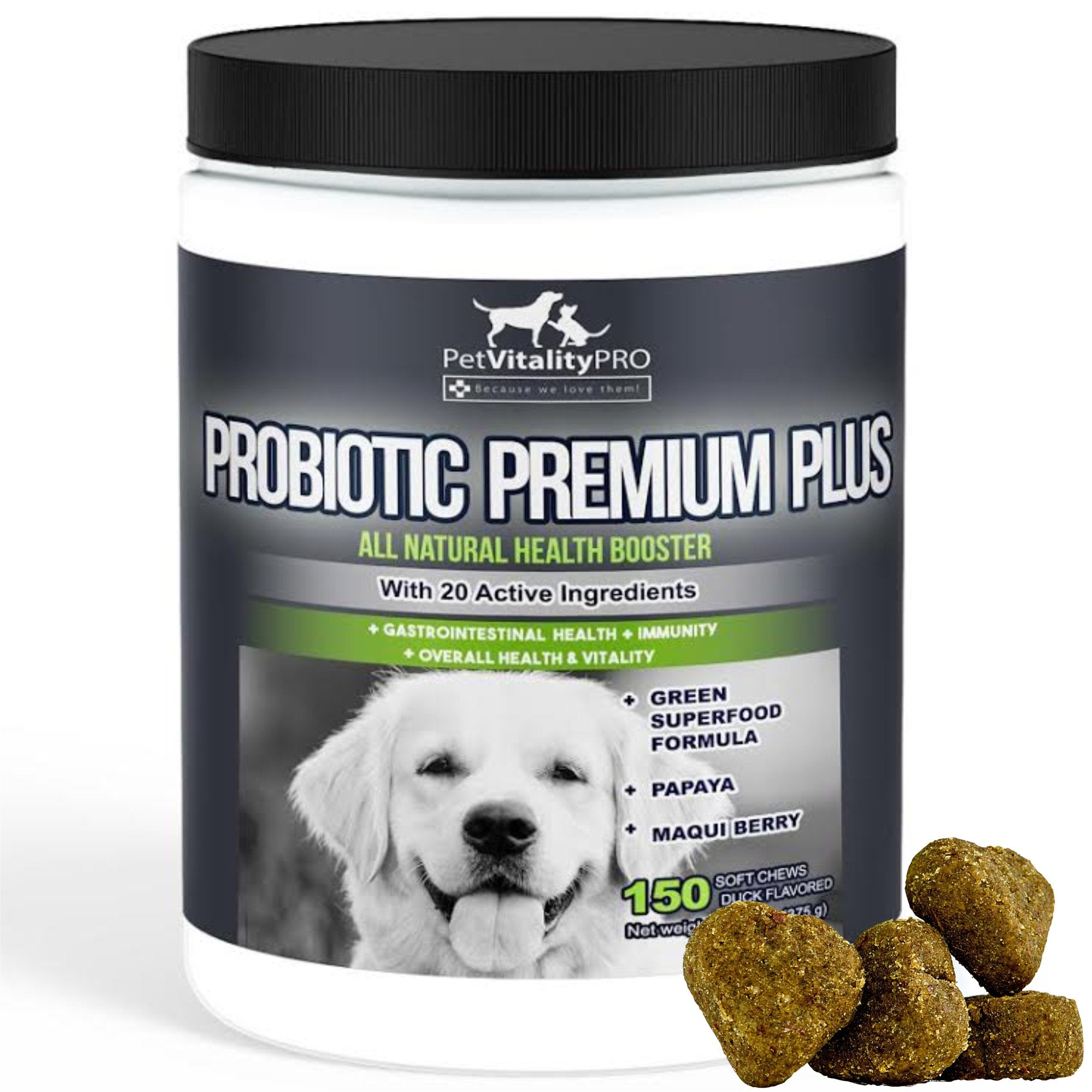


For more expert pet care tips and advice, check out our dedicated Dog Health guides to keep your companions healthy and happy.


