
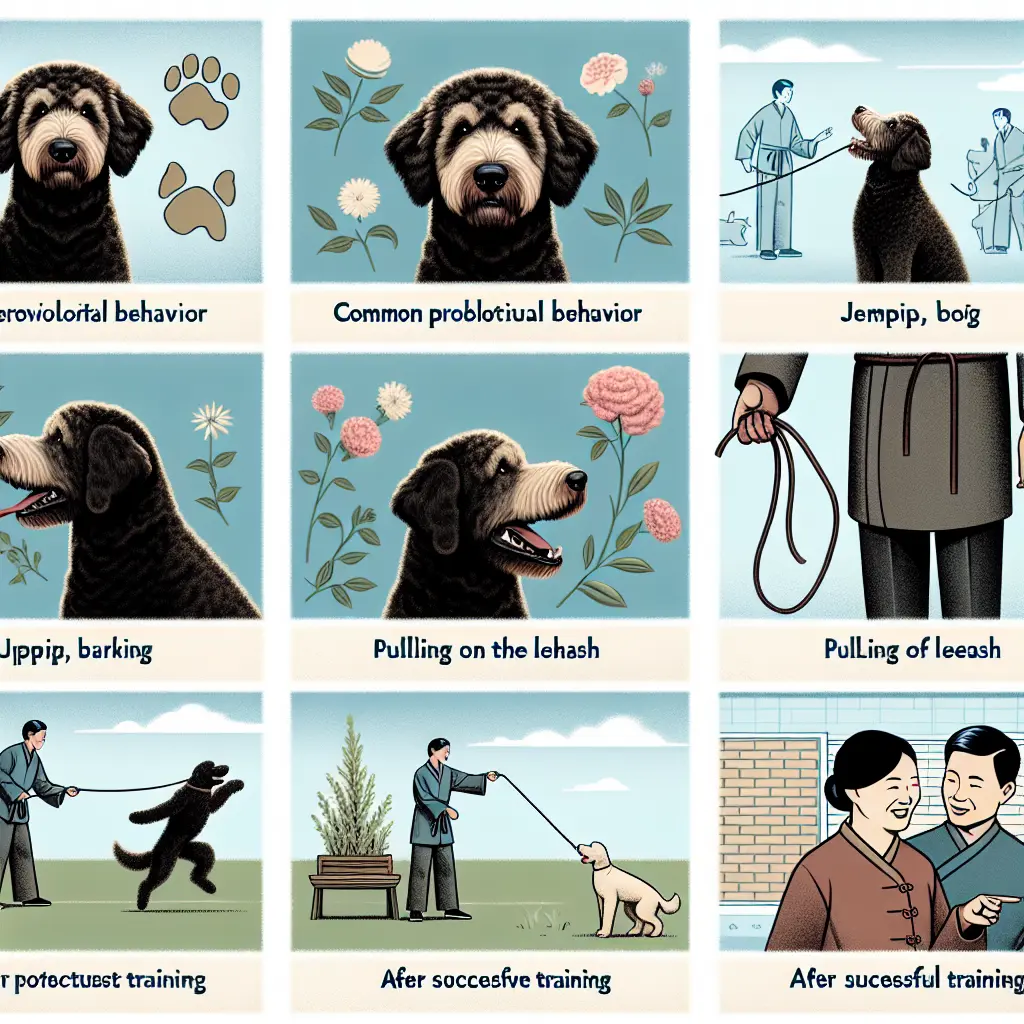
Understanding Labradoodle Behavior Problems in Modern Households
According to the American Kennel Club, designer crossbreeds like the Labradoodle have surged in popularity over recent decades, bringing unique management needs into family homes. When a Labrador Retriever mixes with a Poodle, the resulting offspring inherits a fascinating cocktail of high energy, intense intelligence, and deep-seated social instincts. Yet, this combination frequently leaves households struggling with unexpected behavioral hurdles. Daily consultations in professional behavior practices often reveal that owners feel overwhelmed by the sheer intensity of these dogs. Recognizing why these challenges arise is the first step toward building a harmonious relationship with a curly-coated companion.
💡 Pet Care Key Takeaways:
- Core Focus: Practical health, nutrition, and wellness guidelines for Labradoodle Behavior Problems.
- Target Scope: Pet owners, animal caregivers, and veterinary support staff.
- Best Recommendation: Maintain consistent daily routines and consult an accredited veterinarian before introducing major diet or medical changes.
Labradoodle behavior problems typically stem from a mismatch between innate working drives and domestic routines.
Labradoodle behavior problems encompass a specific set of actions driven by the combination of retrieving instincts and high cognitive capacity. Working lines of Labradors and Poodles were originally bred for endurance, retrieving game from water, and complex problem-solving. Without adequate outlets, that working heritage manifests as relentless jumping, compulsive chewing, and frantic pacing around the living room. In practice, a young Labradoodle will often invent its own full-time job—such as counter-surfing or herding children—simply because the environment lacks structured cognitive engagement. Addressing these issues requires looking past the cute, teddy-bear exterior and acknowledging the powerful working dog genetics beneath the coat.
Unmanaged behavioral issues can severely impact canine welfare and family harmony over time.
Unresolved behavioral challenges frequently lead to chronic stress, destructive separation anxiety, and eventual relinquishment to shelters if left unguided. When high-energy dogs do not burn mental and physical fuel appropriately, stress hormones like cortisol remain elevated in the bloodstream, triggering chronic reactivity. Furthermore, excessive mouthing and jumping present safety risks for elderly family members or small children sharing the home. Comprehensive guidance on canine socialization and structured outlets can be found by exploring expert resources on Dog Behavior to prevent minor puppy habits from escalating into severe adult reactivity.
Behavioral consultations reveal that over half of adolescent crossbreed challenges stem from insufficient mental stimulation rather than lack of physical exercise. — Association of Professional Dog Trainers
Proactive management and positive reinforcement training effectively resolve common Labradoodle behavioral challenges.
Managing Labradoodle behavior problems relies heavily on redirecting natural impulses into structured games, obedience work, and scent-based activities. Instead of punishing a dog for digging or jumping, professional trainers recommend teaching incompatible behaviors like settling on a mat or performing a structured retrieve. Consistency across every household member ensures the dog clearly understands boundaries without experiencing confusion or fear. Setting up daily routines that challenge the dog’s intellect will naturally curb nuisance behaviors before they start.
Avoiding common training pitfalls prevents regression and fosters long-term canine obedience.
A frequent mistake among owners is relying exclusively on physical exercise while completely ignoring mental enrichment. A physically exhausted Labradoodle with a bored brain will still find destructive ways to occupy its time, such as shredding couch cushions or barking persistently at the window. Additionally, utilizing punitive or dominance-based techniques damages trust and can escalate fear-based reactivity in sensitive Poodle mixes. Positive reinforcement remains the gold standard for shaping calm, confident responses in intelligent canine learners.
Positive reinforcement methods reduce long-term anxiety and stress-related reactivity in high-intelligence working crossbreeds more effectively than aversive corrections. — American Veterinary Society of Animal Behavior
Pet Care & Wellness Overview Table
| Life Stage | Daily Activity Level | Key Nutrition / Care Focus |
|---|---|---|
| Puppy / Kitten | High (frequent short bursts) | High-protein growth diet & early socialization |
| Adult Companion | Moderate (30–60 mins daily) | Balanced maintenance nutrition & dental hygiene |
| Senior Pets | Low to Gentle (mindful walks) | Joint support (Glucosamine) & routine vet checks |
Images References







Temperament and developmental stages heavily influence how these crossbreeds express behavioral quirks.
Understanding the influence of generational breeding and developmental milestones is essential for setting realistic expectations at home. First-generation crosses, often called F1 Labradoodles, can vary wildly in coat type, size, and temperament compared to multi-generational crosses whose traits are more reliably set. Adolescence—typically starting around six to eighteen months of age—brings a temporary spike in boundary-testing, impulsive reactivity, and selective listening. Recognizing that this phase is entirely normal helps owners maintain patience and consistency during the challenging teenage months.
Professional veterinary and behavioral guidance is essential when addressing severe or sudden temperament changes.
Consulting a veterinarian or a certified veterinary behaviorist is crucial if behavioral challenges involve sudden aggression, severe phobias, or compulsive habits. Physical discomfort, underlying pain, and neurological conditions can manifest as sudden behavioral shifts that standard obedience training cannot resolve. For structured advice on keeping a canine companion thriving through all life stages, owners can visit Dog Care to learn more about holistic health maintenance. Professional experts will rule out medical causes before designing a customized behavior modification plan suited to the individual dog.
Building a balanced lifestyle ensures a happy, well-adjusted companion for years to come.
Navigating the complexities of canine behavior takes patience, consistency, and a deep understanding of breed genetics. By meeting both the physical and cognitive needs of a clever crossbreed, households can prevent many common pitfalls entirely. Exploring additional insights across Dog Training will further empower owners to build lasting communication and trust with their four-legged friends. Ultimately, a well-guided dog brings immense joy and companionship to PetsAnimalsWorld.com readers who commit to understanding their unique needs.




