
Understanding the fascination behind the rare long haired greyhound look
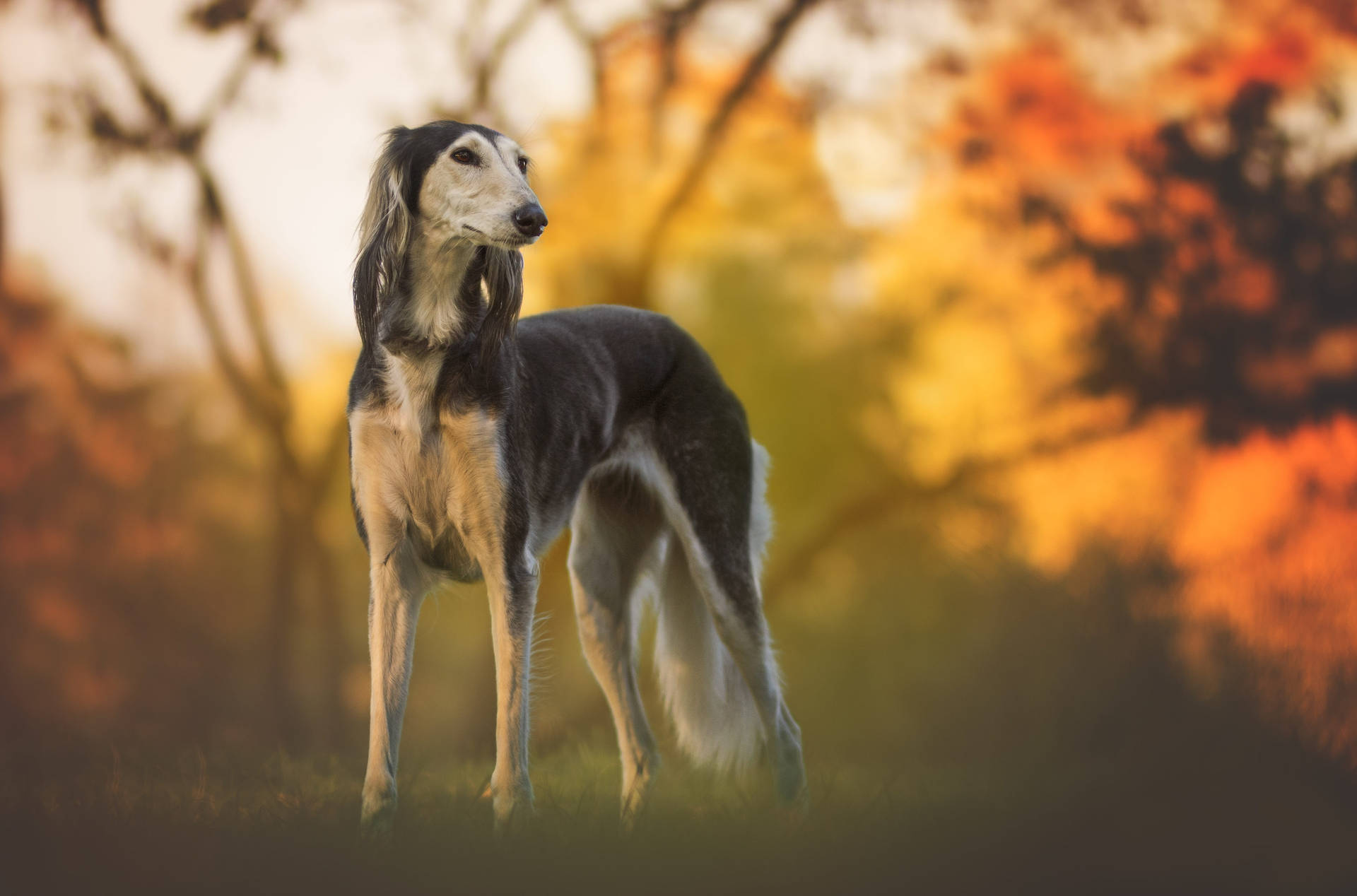
According to the American Kennel Club, purebred Greyhounds are strictly defined by a short, fine single coat that hugs their slender frames. Yet, many animal enthusiasts frequently search for a long haired greyhound when encountering certain elegant sighthounds with flowing coats. This curiosity often bridges the gap between classic racing silhouettes and the rustic charm of wire-coated or heavy-furred breeds. In clinical practice, handlers and practitioners regularly meet owners who fell in love with a sleek hound online only to discover that the specific animal they envisioned belongs to an entirely different lineage. Recognizing the actual genetics behind these variations helps prevent confusion and ensures that prospective owners select a companion matching their lifestyle. Sorting through these distinctions is the first step toward appreciating the diverse world of sighthounds, which can be explored further within the broader context of Dog Breeds.
💡 Pet Care Key Takeaways:
- Core Focus: Practical health, nutrition, and wellness guidelines for Long Haired Grayhound.
- Target Scope: Pet owners, animal caregivers, and veterinary support staff.
- Best Recommendation: Maintain consistent daily routines and consult an accredited veterinarian before introducing major diet or medical changes.
Clarifying what a long haired greyhound actually refers to in canine genetics
A true long haired greyhound does not exist in standard purebred registries, meaning dogs with this appearance are almost always crosses or distinct related breeds. Sighthounds are a specific type of dog bred for pursuing prey primarily by speed and keen eyesight rather than scent. When people picture a silky or rough-coated version of this slender athlete, they are usually looking at a different breed entirely, such as the Borzoi, the Saluki with feathered ears and tails, or the wire-haired Lurcher. Canine coat length is governed by specific recessive genes, and the classic Greyhound lineage lacks the genetic markers required for a full fluffy coat. Consequently, any canine exhibiting that exact body type combined with long fur possesses mixed heritage or belongs to a heavily feathered variant of a closely related desert or alpine sighthound.
Managing the unique grooming and coat care needs of feathered sighthounds
Coat maintenance for a long-coated sighthound requires a dedicated routine to prevent painful matting in their delicate, single-layered fur. Unlike double-coated northern breeds that shed heavily twice a year, feathered sighthounds often possess fine, silky hair that catches debris, burrs, and twigs easily during outdoor excursions. Regular brushing with a pin brush and a metal comb keeps the furnishings—the longer hair found on the legs, tail, and ears—tangle-free and clean. Handlers should inspect these areas after every off-leash run through wooded trails, as the thin skin underneath is prone to irritation if tangles pull too tightly. Furthermore, because these dogs lack significant body fat or heavy fur insulation over their ribs and hips, keeping them comfortable involves balancing grooming with appropriate weather protection.
Sighthound skin sensitivity requires regular, gentle brushing to prevent friction-induced matting without damaging their thin dermal layers. — Veterinary Dermatology Guidelines
Implementing effective daily care strategies for feathered and rough-coated sighthounds
Providing optimal care for a long-coated sighthound demands an understanding of their sensitive physiological makeup and high-speed energy bursts. Owners should establish predictable daily routines that accommodate their need for high-intensity sprinting followed by long hours of resting on plush, supportive surfaces. Because these dogs have very little subcutaneous fat cushioning their bones, hard flooring can quickly lead to pressure sores if soft bedding is not readily available throughout the home. Additionally, maintaining proper dental hygiene and routine nail trims remains vital, as their streamlined structure makes them sensitive to any discomfort in their paws or joints.
Avoiding common mistakes when caring for non-standard sighthound coats
One frequent error among new owners is using harsh, stripping shampoos that strip the natural oils from a sighthound’s fine, sensitive skin. Another pitfall involves neglecting ear inspections on feathered breeds, where long ear leather traps moisture and creates an ideal environment for infections. It is equally important to avoid heavy, restrictive winter coats that cause chafing against their deep chests and narrow waists; instead, lightweight, fitted garments tailored for sighthound anatomy should be utilized. Establishing gentle handling habits early on ensures that grooming sessions remain a stress-free bonding experience rather than a struggle against a naturally sensitive temperament.
Properly fitted apparel prevents friction injuries in thin-skinned sighthounds during cold weather exposure. — Canine Orthopedic and Care Studies
Pet Care & Wellness Overview Table
| Life Stage | Daily Activity Level | Key Nutrition / Care Focus |
|---|---|---|
| Puppy / Kitten | High (frequent short bursts) | High-protein growth diet & early socialization |
| Adult Companion | Moderate (30–60 mins daily) | Balanced maintenance nutrition & dental hygiene |
| Senior Pets | Low to Gentle (mindful walks) | Joint support (Glucosamine) & routine vet checks |
Images References


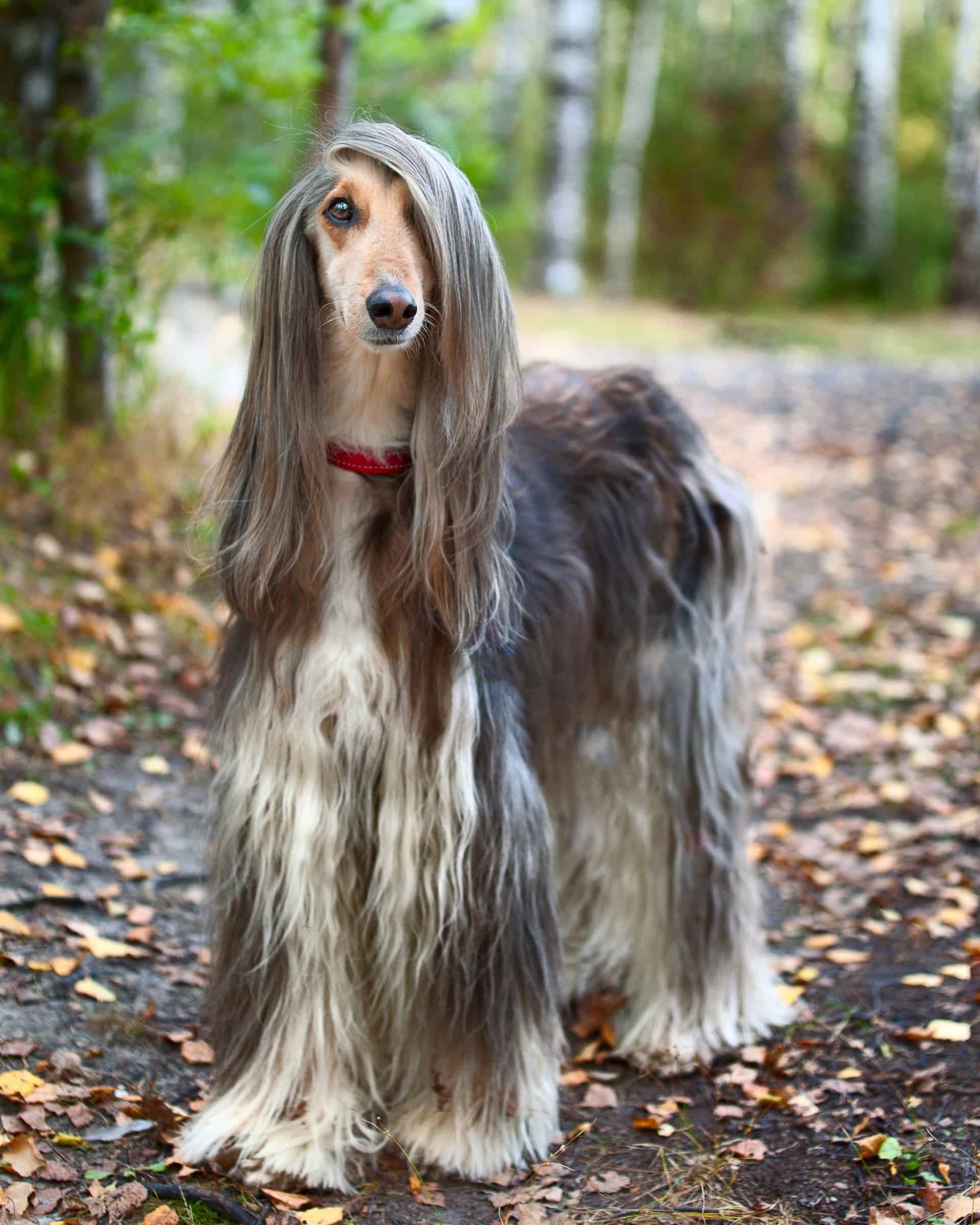
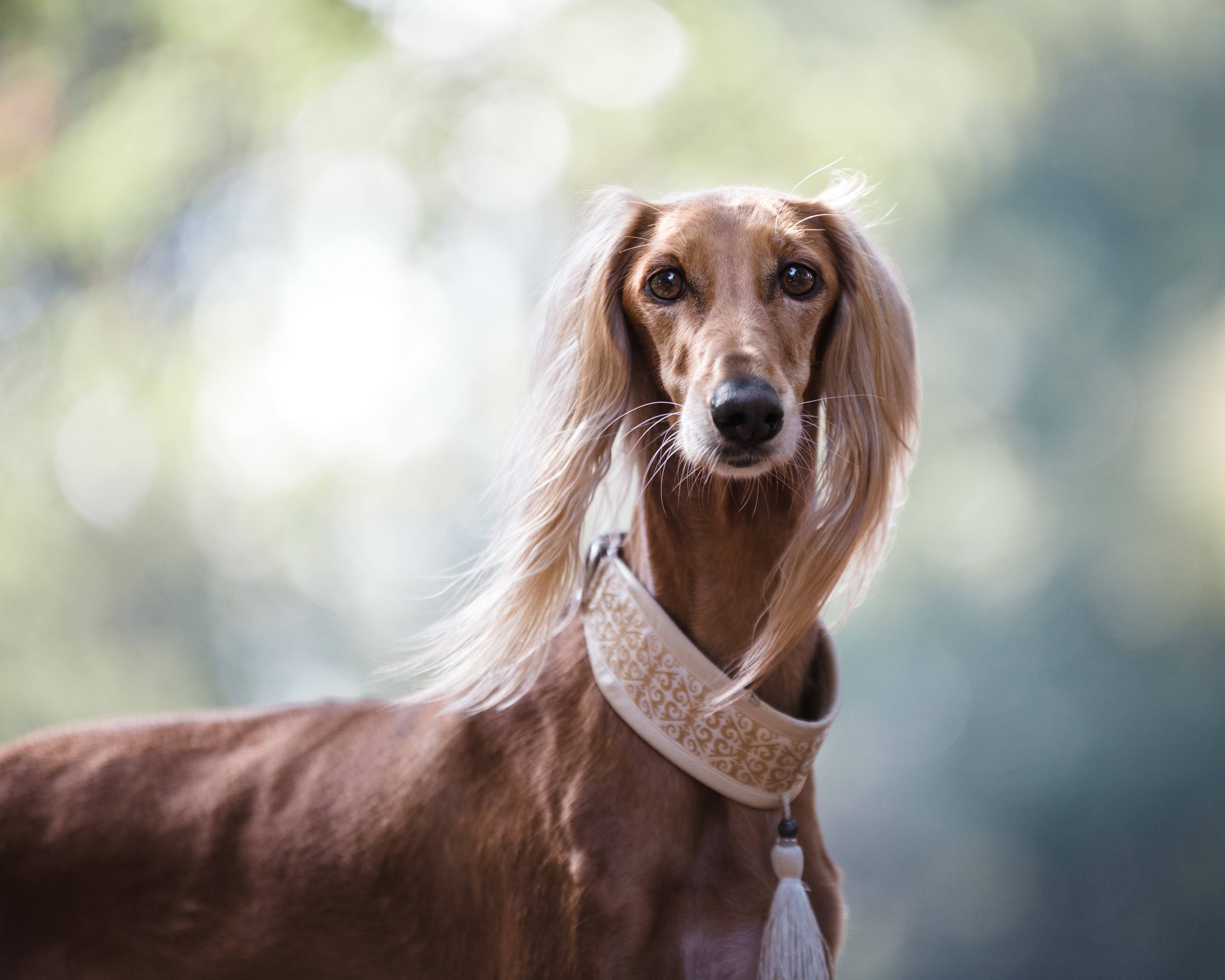
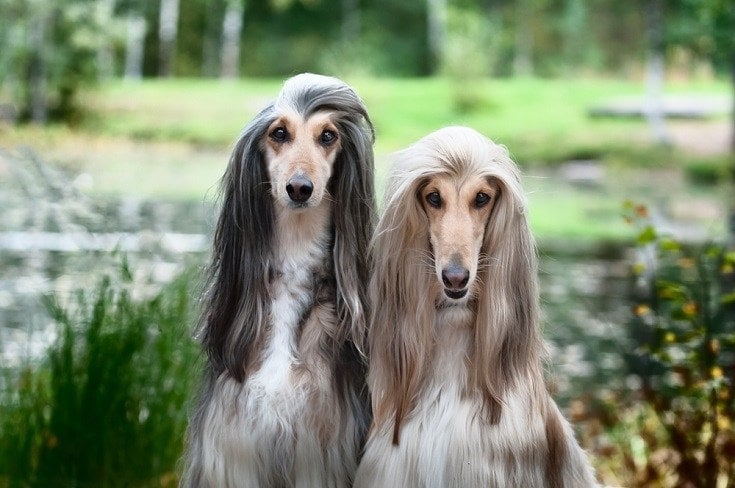
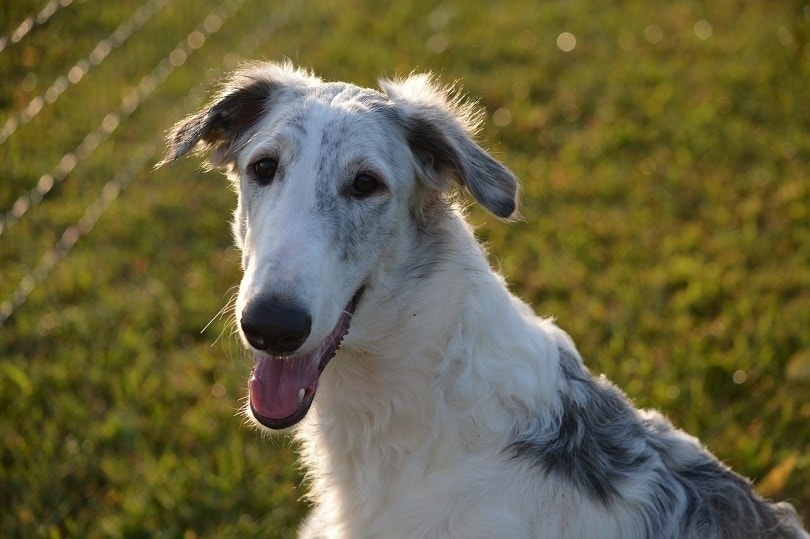
Coated sighthounds typically share the gentle, sensitive, and profoundly affectionate disposition that defines the broader hound family. Beneath their athletic exterior lies a surprisingly sensitive soul that requires positive, reward-based guidance rather than harsh corrections. When considering how to support their mental well-being, reviewing general principles in Dog Behavior can offer valuable insight into their instinctive prey drive and quiet indoor demeanor. They are known for being exceptionally quiet inside the house, often earning the affectionate nickname of couch potatoes despite their incredible burst speed outdoors. Socialization during puppyhood helps temper their natural shyness around strangers and novel environments, ensuring they grow into confident, well-adjusted companions.
Knowing when to consult a veterinarian or professional behaviorist for your hound
Professional guidance becomes essential whenever a sighthound exhibits sudden changes in mobility, persistent skin irritation, or unexplained behavioral withdrawal. Because these dogs have unique metabolic rates and lean body masses, veterinary assessments must be tailored specifically to sighthound physiology rather than standard canine guidelines. For any deep-seated fears, separation anxiety, or reactivity toward fast-moving objects, consulting a certified professional utilizing force-free methods is crucial. Maintaining open communication with a trusted veterinary team ensures that any emerging health concerns—ranging from dental disease to nutritional imbalances—are addressed promptly and effectively, supporting long-term wellness alongside resources found in Dog Health.
Ensuring a wonderful life for your unique sighthound companion
Embracing the unique qualities of a long-coated sighthound or related crossbreed enriches the human-animal bond through patience, understanding, and tailored care. By respecting their physical limitations, providing adequate mental and physical outlets, and maintaining proactive health monitoring, owners set the stage for a thriving partnership. Exploring further educational materials on Dog Care can deepen this journey of responsible pet parenthood. Ultimately, dedicating time to learn about these magnificent animals ensures a safe, happy, and deeply rewarding life for both canine and human companions alike at PetsAnimalsWorld.com.




