

Introduction
As beloved canine companions age, their needs evolve, and nutrition plays a paramount role in maintaining their health and well-being. Understanding the concept of “low calorie senior dog food” is essential for pet owners committed to providing optimal care for their aging dogs. This specialized dietary approach refers to formulations designed with a reduced caloric density, tailored to the unique physiological changes that occur as dogs enter their senior years. Typically, as dogs age, their metabolism slows down, and their activity levels decrease, making them more susceptible to weight gain and obesity. This issue commonly arises when senior dogs continue to consume adult-formula foods that are too rich for their reduced energy expenditure. By transitioning to a low calorie senior dog food, owners can effectively manage their dogs weight, support joint health, and help prevent chronic diseases, ultimately contributing to a longer, healthier, and more comfortable life for their canine friend.
💡 Pet Care Key Takeaways:
- Core Focus: Practical health, nutrition, and wellness guidelines for Low Calorie Senior Dog Food.
- Target Scope: Pet owners, animal caregivers, and veterinary support staff.
- Best Recommendation: Maintain consistent daily routines and consult an accredited veterinarian before introducing major diet or medical changes.
Common Causes and Key Factors
The necessity for low calorie senior dog food stems from several key physiological and environmental factors that impact aging canines. A primary cause is the natural decrease in metabolic rate observed in senior dogs. As they mature, their bodies require less energy to maintain essential functions, meaning they burn fewer calories at rest. Concurrently, many senior dogs experience a significant reduction in their activity levels. Playtime may become less vigorous, walks shorter, and overall movement more limited, especially if they begin to develop conditions like arthritis or joint pain. For more related activities, check out our Ol Roy Ingredients List.
These internal changes are often exacerbated by external factors. Continuing to feed an aging dog the same high-calorie diet formulated for younger, more active adults can quickly lead to an caloric surplus. Overfeeding, whether through excessive meal portions or an abundance of high-calorie treats, further compounds the problem. Furthermore, underlying health issues, although less common, such as hypothyroidism, can also contribute to unexplained weight gain in senior dogs, making a carefully controlled diet even more critical. Addressing these factors through appropriate nutrition helps prevent obesity, a condition that places additional strain on joints, the heart, and other vital organs.
Signs and Symptoms to Observe
Recognizing the signs that an aging dog may benefit from low calorie senior dog food involves careful observation of physical changes and behavioral indicators. The most apparent symptom is noticeable weight gain, where ribs become difficult to feel, and a clear waistline is no longer visible when viewed from above. An increased body fat percentage can lead to a sagging abdomen or rolls of fat, particularly around the chest and tail base.
Behaviorally, a dog requiring a low-calorie diet may exhibit reduced activity levels and general lethargy. This can manifest as less enthusiasm for walks or play, increased sleeping, and a reluctance to jump, climb stairs, or engage in previously enjoyed activities. Joint stiffness, limping, or difficulty getting up after resting are also common indicators, often made worse by excess weight. Additionally, labored breathing or increased panting, especially after minimal exertion, can signal that the dog’s cardiovascular system is under strain due to obesity. These signs can vary depending on a dogs breed size, individual health status, and environment, but a consistent pattern of these indicators warrants attention to dietary adjustments.
Practical Solutions and Management Strategies
Effectively managing a senior dog’s weight through low calorie senior dog food involves a multifaceted approach, starting with the careful selection and implementation of a suitable diet. When transitioning to a new food, a gradual introduction over 7-10 days is crucial to prevent digestive upset. This involves mixing increasing amounts of the new low-calorie food with decreasing amounts of the old food.
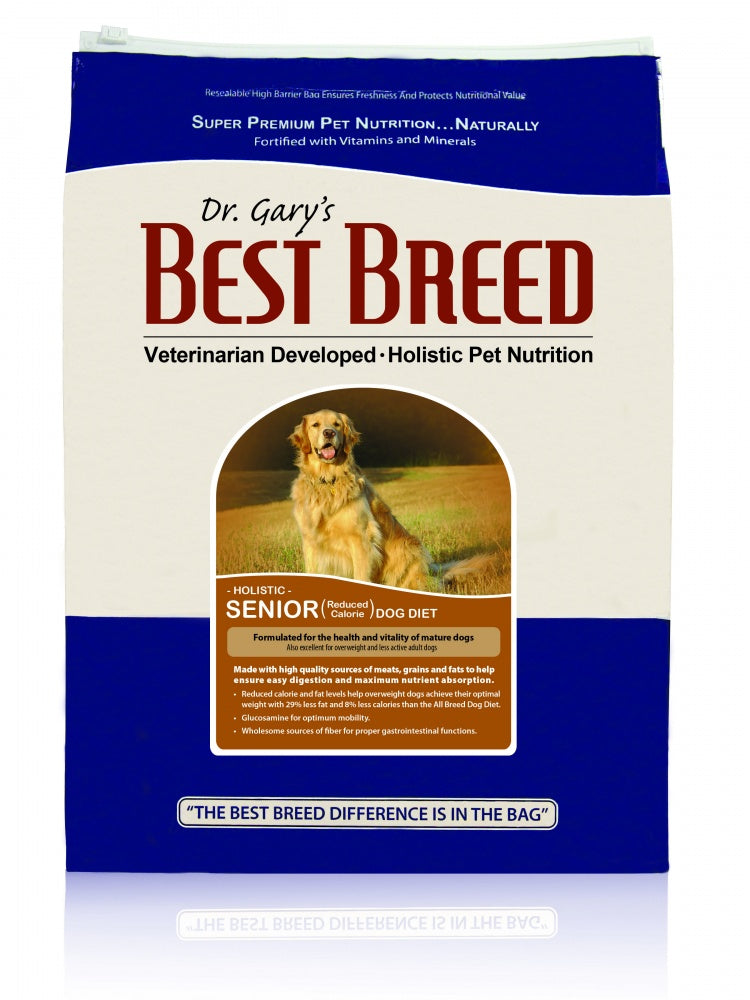
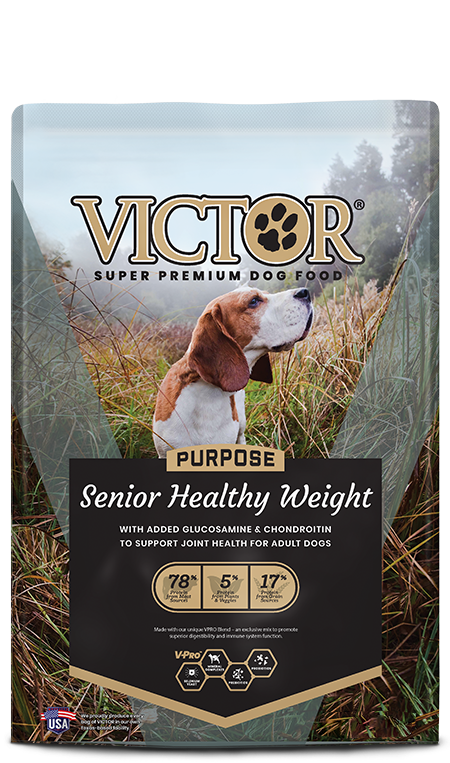
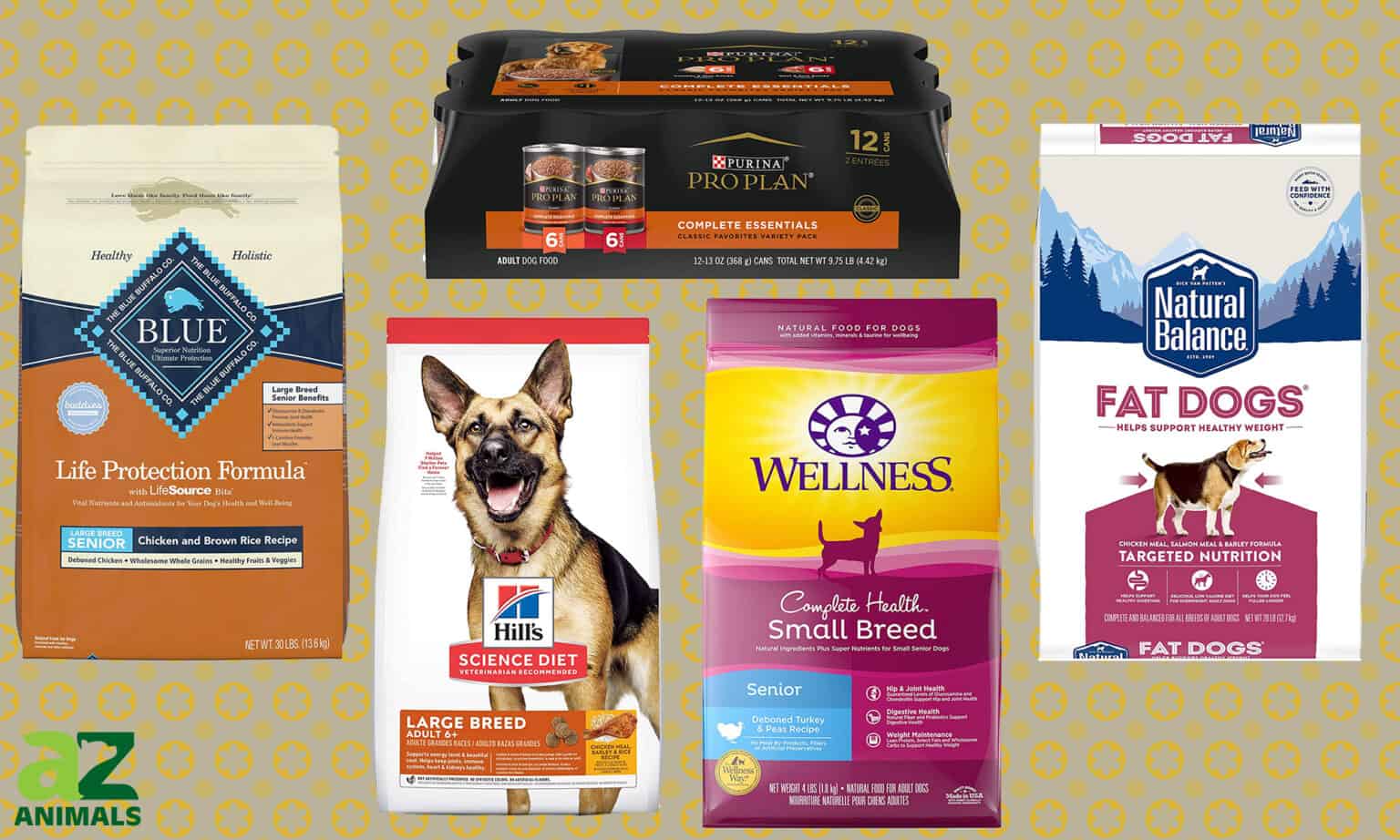
The chosen low calorie senior dog food should prioritize ingredients such as lean protein to help maintain muscle mass, increased fiber to promote satiety, and beneficial supplements like glucosamine and chondroitin for joint support. Always verify the calorie content per serving, as this can vary significantly between brands. Strict portion control is paramount; food should be accurately measured according to the guidelines on the packaging, adjusted for the dog’s ideal weight rather than its current weight, and often calibrated with veterinary advice.
Beyond diet, appropriate exercise is vital. While intense activity may be out of the question, gentle, consistent exercise like shorter, more frequent walks, swimming, or light play can help burn calories and maintain muscle tone without overtaxing joints. Mental stimulation through puzzle toys or sniff walks can also contribute to overall well-being. Treats should be factored into daily caloric intake or replaced with low-calorie alternatives such as plain carrots, green beans, or specially formulated low-calorie dog treats, offered sparingly. Regular weight monitoring at home, ideally weekly or bi-weekly, allows for proactive adjustments to the feeding plan.
When Professional Help May Be Needed
While many senior dogs thrive with a well-managed diet of low calorie senior dog food and appropriate exercise, certain situations warrant professional veterinary consultation. If a dog continues to gain weight despite consistent adherence to a low-calorie diet and increased activity, an underlying medical condition, such as hypothyroidism or Cushing’s disease, might be present. These conditions can interfere with metabolism and require specific diagnostic tests and treatment.
Conversely, any sudden or unexplained weight loss, even in an overweight senior dog, should also prompt immediate veterinary attention, as it could signal serious health issues. If mobility issues significantly worsen, if there are noticeable changes in appetite or thirst, or if a dog displays persistent lethargy or unusual behavioral changes, a veterinarian can conduct a thorough examination. They can provide a tailored dietary plan, recommend appropriate pain management strategies for joint issues, or investigate any other health concerns, ensuring the most comprehensive care for the aging canine companion.
Conclusion
The journey through a dog’s senior years is a special one, and providing appropriate nutrition with low calorie senior dog food stands as a cornerstone of their ongoing health and happiness. Recognizing the metabolic shifts and reduced activity levels inherent in aging canines is the first step towards proactive care. By selecting a specialized diet, implementing precise portion control, and ensuring gentle, consistent exercise, owners can significantly mitigate the risks of obesity and support their dog’s joint health, cardiovascular function, and overall vitality. Consistent observation of physical and behavioral changes, coupled with timely professional veterinary consultation when needed, ensures that any underlying issues are addressed promptly. Through informed decisions and unwavering dedication, owners empower their senior dogs to enjoy their golden years with comfort, energy, and an excellent quality of life.
Pet Care & Wellness Overview Table
| Life Stage | Daily Activity Level | Key Nutrition / Care Focus |
|---|---|---|
| Puppy / Kitten | High (frequent short bursts) | High-protein growth diet & early socialization |
| Adult Companion | Moderate (30–60 mins daily) | Balanced maintenance nutrition & dental hygiene |
| Senior Pets | Low to Gentle (mindful walks) | Joint support (Glucosamine) & routine vet checks |
Images References





For more expert pet care tips and advice, check out our dedicated Dog Nutrition guides to keep your companions healthy and happy.




