

According to the American Kennel Club, adolescence in large and working breeds typically begins around six months of age and can extend up to two years, bringing profound behavioral and neurological changes. During this turbulent period, households often experience a sudden escalation in impulsive actions, testing boundaries that were previously well-established. Observers in clinical practice frequently note that young Belgian Malinois, a medium-large herding breed renowned for intense energy and work ethic, undergo a dramatic surge in reactivity. Recognizing the roots of these sudden shifts helps transform daily frustration into constructive management.
💡 Pet Care Key Takeaways:
- Core Focus: Practical health, nutrition, and wellness guidelines for Malinois Teenage Biting Barking Phase.
- Target Scope: Pet owners, animal caregivers, and veterinary support staff.
- Best Recommendation: Maintain consistent daily routines and consult an accredited veterinarian before introducing major diet or medical changes.
The malinois teenage biting barking phase is a developmentally normal yet overwhelming behavioral stage driven by hormonal fluxes, neurological restructuring, and an innate herding-protection drive.
This transitional phase represents a time when canine brains undergo massive synaptic pruning, much like human teenagers. Young dogs test their environment through their most natural outlets: using their mouths to grasp, herd, or investigate, and vocalizing to express over-arousal, frustration, or demand. In working lines, this intense mouthiness and alert vocalization are amplified because these dogs were historically bred to control livestock and guard property. Consequently, everyday triggers—such as a sudden movement, a closed door, or an unexpected noise—can instantly provoke a sharp nip or a piercing bark. For more related activities, check out our Dog Uti Behavior Change.
Unchecked adolescent behaviors can quickly strain the human-canine bond and create safety hazards within the home if the underlying communicative intent is ignored.
Left unmanaged, adolescent reactivity can escalate into ingrained habits that prove difficult to modify later in life. Biting during this phase is rarely fueled by genuine malice; rather, it often stems from over-stimulation, lack of impulse control, or a desperate attempt to release bottled-up energy. Similarly, excessive barking serves as an auditory release valve for a canine mind struggling to process complex environmental stimuli. When caretakers respond with frustration or harsh physical corrections, the dog’s anxiety and arousal usually spike, worsening the very dynamic they wish to resolve.
Adolescent dogs exhibiting high reactivity often show significant improvements in impulse control when exposed to structured, positive reinforcement protocols for just fifteen minutes daily — American Kennel Club
Furthermore, failing to provide appropriate outlets for these genetic drives can lead to destructive chewing on household items, fence-fighting, or generalized household chaos. Establishing clear, predictable routines remains essential for lowering cortisol levels in young working dogs. Providing structured outlets ensures that natural urges find an appropriate target rather than manifesting as unwanted indoor behaviors.
Managing the malinois teenage biting barking phase successfully relies on redirection, mental enrichment, and teaching alternative behaviors rather than applying punitive discipline.
Proactive management starts with identifying the specific triggers that prompt a young dog to nip or vocalize. Instead of shouting, which the animal often misinterprets as joining in the excitement, handlers should redirect the dog’s attention to an acceptable interactive toy or a foundational obedience command like a hand-touch or a mat settle. Keeping heavy-duty chew toys readily available allows caretakers to seamlessly swap an inappropriate target, such as a hand or pant leg, for a durable rubber toy.
Incorporating daily mental challenges alongside physical exercise prevents the boredom that frequently fuels adolescent disruption.
Physical exercise alone will not exhaust a high-drive adolescent; in fact, endless physical conditioning can build stamina, requiring even more activity over time. Introducing scent work, puzzle feeders, and tracking games engages the thinking centers of the brain, promoting natural calming hormones. When structuring daily schedules, consistency prevents confusion and reinforces that calm behavior yields the best rewards.
Integrating scent discrimination and problem-solving tasks into a daily routine reduces destructive vocalization and mouthing behaviors by utilizing the dog’s natural predatory sequence — Association of Professional Dog Trainers
Pet Care & Wellness Overview Table
| Life Stage | Daily Activity Level | Key Nutrition / Care Focus |
|---|---|---|
| Puppy / Kitten | High (frequent short bursts) | High-protein growth diet & early socialization |
| Adult Companion | Moderate (30–60 mins daily) | Balanced maintenance nutrition & dental hygiene |
| Senior Pets | Low to Gentle (mindful walks) | Joint support (Glucosamine) & routine vet checks |
Images References


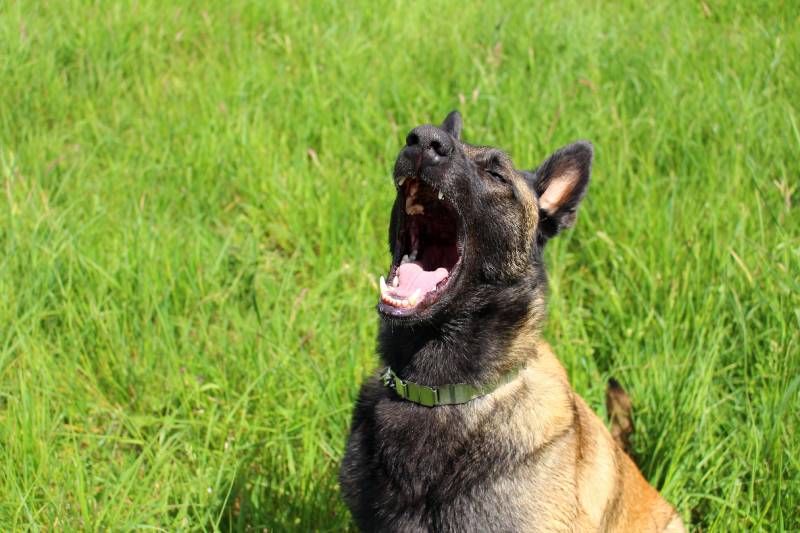
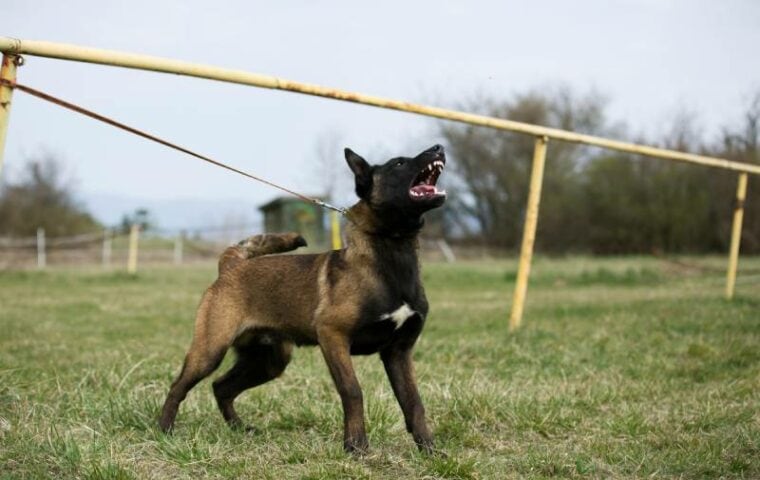

A common mistake during this stage is giving intermittent reinforcement to barking, such as turning around or speaking to the dog when it demands attention. Every reaction, even a negative one, can act as a jackpot reward for an adolescent seeking engagement.
Understanding the unique genetic temperament and high-drive baseline of this specific breed is vital for setting realistic expectations throughout adolescence.
Belgian Malinois possess exceptional sensitivity to handler body language and environmental changes, making them both remarkably trainable and easily overwhelmed. Their strong heritage means they are always scanning their surroundings for jobs to perform. Recognizing that this demanding stage is temporary helps maintain the patience required for long-term success. Careful socialization and continued exposure to novel environments without flooding the dog’s sensory capacity will build resilience during these crucial developmental months.
Consulting a certified professional trainer or veterinary behaviorist becomes necessary when adolescent behaviors cross into severe aggression, unmanageable fear, or persistent self-harming habits.
While normal teenage testing can test any household’s limits, true aggression characterized by hard biting, rigid body postures, or unpredictable attacks requires expert intervention. A qualified professional who specializes in positive reinforcement and behavioral science can design a tailored modification plan. Professional guidance ensures that underlying pain, medical conditions, or deep-seated behavioral anxieties are accurately diagnosed and addressed safely without compromising household welfare.
Supporting a young canine through this challenging lifecycle stage demands unwavering patience, clear boundaries, and an understanding of natural instincts. By prioritizing mental enrichment and positive reinforcement, households can cultivate a balanced partnership that lasts a lifetime. Explore more expert advice on Dog Training, Dog Behavior, and Dog Care to ensure your companion thrives. Visit PetsAnimalsWorld.com for additional educational resources designed to support every stage of your journey together.




