

Understanding the root causes of canine reactivity is essential for maintaining a harmonious household.
According to the American Kennel Club, Pembroke Welsh Corgis and Cardigan Welsh Corgis consistently rank among the most popular herding breeds globally, yet their spirited work ethic occasionally manifests as unwanted behavioral challenges. Many families welcome these short-legged dynamos into their homes expecting playful companions, only to encounter unexpected growling, snapping, or defensive lunging. Observing these small dogs in clinical and behavioral consultations reveals a recurring theme: behavior that looks like unprovoked hostility is frequently misdirected instinct or heightened sensitivity. Recognizing why a loyal family pet suddenly turns defensive requires looking past the surface reaction and examining the genetic history, environmental triggers, and internal motivations driving the conduct.
💡 Pet Care Key Takeaways:
- Core Focus: Practical health, nutrition, and wellness guidelines for Corgis Aggression.
- Target Scope: Pet owners, animal caregivers, and veterinary support staff.
- Best Recommendation: Maintain consistent daily routines and consult an accredited veterinarian before introducing major diet or medical changes.
Corgis aggression refers to context-specific displays of snarling, biting, or body-blocking rooted in fear, resource guarding, or herding drives.
Defining aggressive canine behavior accurately helps owners respond with empathy rather than panic. Scientifically speaking, canine reactivity and aggression encompass any behavior intended to increase distance from a perceived threat or to secure a valued resource. In the context of herding breeds, this often involves heel-nipping—a genetically hardwired technique used to move livestock—redirected toward human ankles or moving bicycle tires. Furthermore, fear-based reactivity occurs when an animal feels cornered, startled, or improperly socialized during puppyhood. Distinguishing between predatory drift, territorial defense, and protective guarding allows practitioners to design targeted behavior modification protocols that address the underlying emotional state.
Unchecked behavioral issues can severely impact the daily bond between animals and their human families, leading to stress and isolation.
Ignoring warning signs like lip-licking, stiffening, or low growling typically escalates the intensity of the response over time. In a bustling household, chronic reactivity creates an atmosphere of unpredictability, forcing owners to restrict visitors, avoid walks during peak hours, and constantly manage the environment. Beyond the social strain, physical tension takes a toll on the animal’s nervous system, elevating baseline cortisol levels and impairing overall well-being. Hands-on practice in behavioral clinics frequently shows that dogs subjected to harsh punishments for growling learn to suppress their warning signals entirely, biting without a preliminary growl in future stressful encounters.
Early socialization and positive reinforcement significantly reduce the incidence of fear-based biting in herding dogs. — American Kennel Club
Managing and preventing unwanted reactivity requires structured positive reinforcement, clear boundaries, and systematic desensitization.
Effective modification focuses on changing the animal’s emotional association with triggers rather than suppressing the symptom through intimidation. Certified behaviorists emphasize desensitization and counter-conditioning, which involve exposing the dog to a stimulus at a distance where they remain calm, immediately pairing the presence of that stimulus with high-value rewards. Consequently, the animal learns that strangers, other dogs, or veterinary examinations predict positive outcomes rather than danger. Additionally, providing adequate mental stimulation through puzzle toys and scent games channels high energy into productive outlets, reducing frustration-based outbursts.
Avoiding punitive training methods is crucial because dominance-based corrections often heighten fear and escalate defensive responses.
A common mistake among owners is attempting to physically dominate or alpha-roll a reacting animal, which invariably confirms the dog’s fear that the environment is unsafe and adversarial. Instead, consistency and patience yield lasting behavioral transformations. Management tools such as baby gates, secure crates, and muzzle training serve as vital safety nets during the learning process, preventing rehearsal of unwanted habits while new neural pathways form. Establishing predictable daily routines also lowers baseline anxiety, giving the animal a sense of security and control within the home environment.
Punishment-based training techniques frequently increase defensive biting by elevating fear and anxiety levels in companion animals. — American Society for the Prevention of Cruelty to Animals
Pet Care & Wellness Overview Table
| Life Stage | Daily Activity Level | Key Nutrition / Care Focus |
|---|---|---|
| Puppy / Kitten | High (frequent short bursts) | High-protein growth diet & early socialization |
| Adult Companion | Moderate (30–60 mins daily) | Balanced maintenance nutrition & dental hygiene |
| Senior Pets | Low to Gentle (mindful walks) | Joint support (Glucosamine) & routine vet checks |
Images References

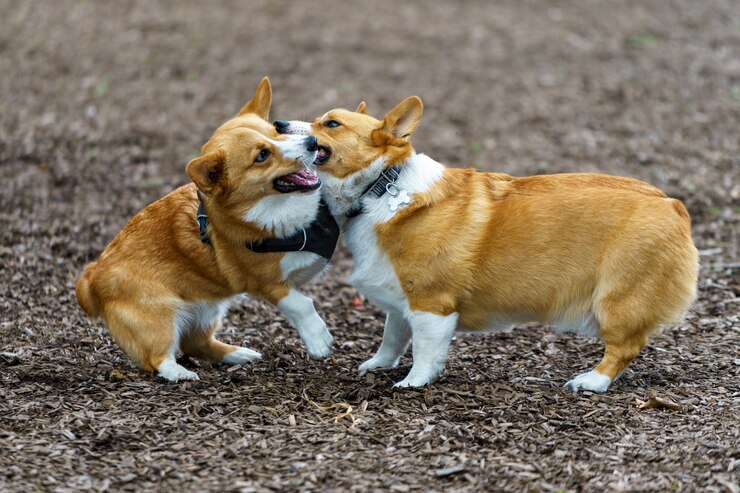


Breed heritage, individual temperament, and developmental milestones heavily influence how these dogs perceive and react to their surroundings.
The historical background of these cattle-droving dogs explains much of their modern-day tenancy toward boldness and protective guarding. Bred to work independently of human handlers while managing large livestock, they naturally possess strong decision-making tendencies and a low tolerance for rapid, unpredictable movements around them. Age also plays a vital role; adolescent dogs frequently undergo fear periods where familiar objects or people suddenly appear terrifying, triggering reactive displays. Understanding these innate predispositions prevents unrealistic expectations and guides owners toward appropriate management strategies tailored specifically to the physical and psychological traits of low-slung herders.
Consulting a qualified veterinary professional or certified behaviorist is necessary when behavioral issues pose safety risks or resist basic management.
Persistent, severe, or escalating reactivity warrants professional intervention to rule out underlying medical conditions that cause pain or neurological distress. Chronic joint discomfort, dental pain, or cognitive dysfunction can drastically lower an animal’s threshold for tolerance, manifesting as sudden irritability. General guidance serves educational purposes only and should never replace an individual behavioral diagnosis conducted by a certified applied animal behaviorist or veterinarian. Working alongside qualified professionals ensures a comprehensive safety plan that prioritizes the physical health and emotional rehabilitation of the companion animal.
Addressing canine behavioral challenges strengthens the lifelong partnership between owners and their cherished animal companions.
Navigating the complexities of canine reactivity demands dedication, patience, and a commitment to positive reinforcement methodologies. By understanding breed-specific instincts and providing structured, compassionate guidance, families can transform stressful encounters into opportunities for learning and trust-building. Exploring trusted resources on Dog Behavior, understanding proper Dog Training techniques, and maintaining general Dog Care standards will support a peaceful household. Visit PetsAnimalsWorld.com today for more expert insights on Dog Breeds and wellness guides.




