

Introduction
An 11-week-old puppy exhibiting persistent biting behavior is a common concern for many new dog owners. At this crucial developmental stage, puppies are actively exploring their world, and their mouths are their primary tools for investigation. Understanding why an 11 week old puppy keeps biting is the first step toward effective management. This phase is not merely a nuisance; it is a critical window for puppies to learn appropriate bite inhibition, which is the ability to control the force of their bites. Addressing this behavior early and correctly can significantly improve a dog’s long-term behavior, ensuring a well-adjusted companion and strengthening the bond with its human family. Ignoring persistent nipping can lead to more serious behavioral issues later in life, making early intervention paramount for a dog’s well-being and overall quality of life.
💡 Pet Care Key Takeaways:
- Core Focus: Practical health, nutrition, and wellness guidelines for My 11 Week Old Puppy Keeps Biting.
- Target Scope: Pet owners, animal caregivers, and veterinary support staff.
- Best Recommendation: Maintain consistent daily routines and consult an accredited veterinarian before introducing major diet or medical changes.
Common Causes and Key Factors
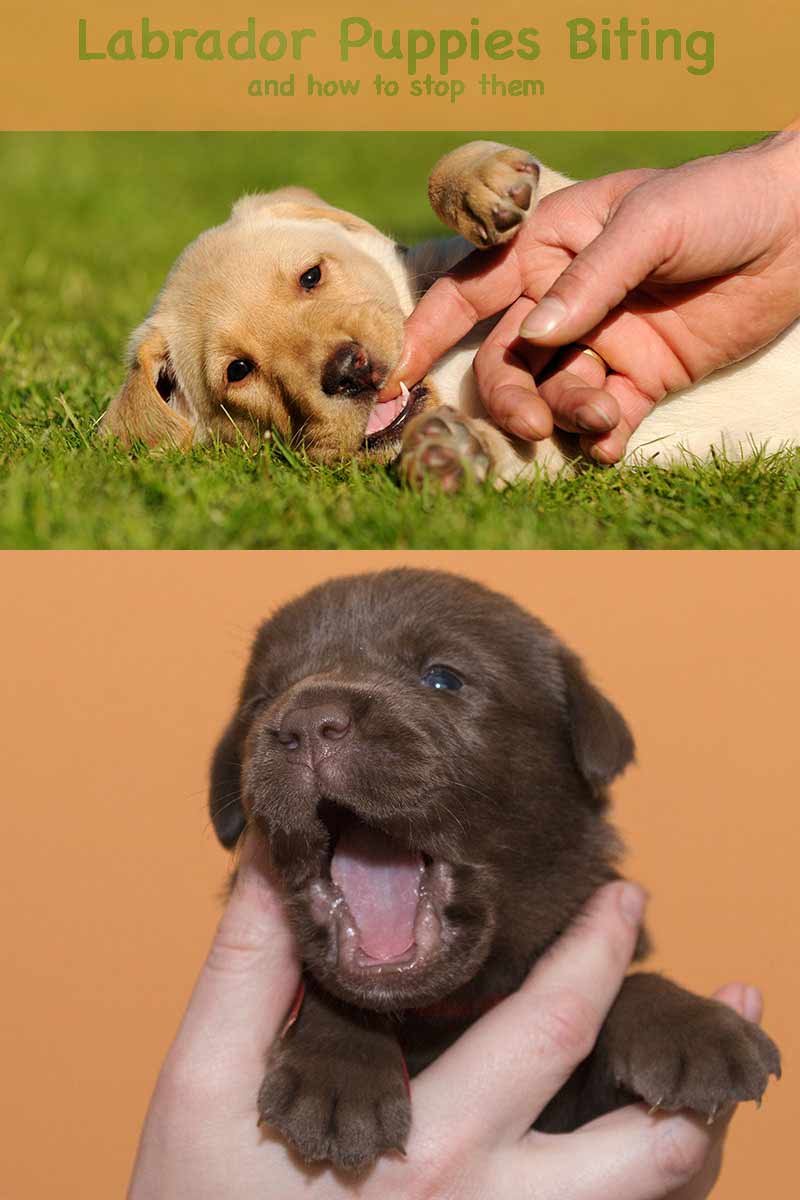
Several factors contribute to an 11-week-old puppy’s tendency to bite. One of the primary causes is teething. Around this age, puppies begin to lose their baby teeth and grow their adult teeth, a process that can be uncomfortable. Biting and chewing on various objects, including human hands and feet, provides relief from gum soreness and helps dislodge stubborn baby teeth. For more related activities, check out our Dog Unpredictable Behavior.
Another significant factor is exploration and play. Puppies learn about their environment and interact with littermates through mouthing and nipping. When brought into a new home, they naturally transfer these behaviors to their human companions. This is a normal part of puppy development, where they are learning social boundaries and communication.
Lack of bite inhibition is also a key component. In a litter, puppies learn from their siblings when a bite is too hard through yelps and disengagement. Without these clear signals from humans, a puppy may not understand the appropriate pressure to apply. Furthermore, overstimulation or fatigue can lead to increased nipping. Just like human children, overtired puppies can become cranky and more prone to undesirable behaviors.
Sometimes, biting can be a form of attention-seeking. If a puppy learns that nipping at a person results in a reaction, even a negative one, it may continue the behavior to gain attention. Lastly, inadequate physical or mental stimulation can contribute. Puppies with pent-up energy or insufficient mental engagement may resort to biting as an outlet for their frustration or boredom.
Signs and Symptoms to Observe
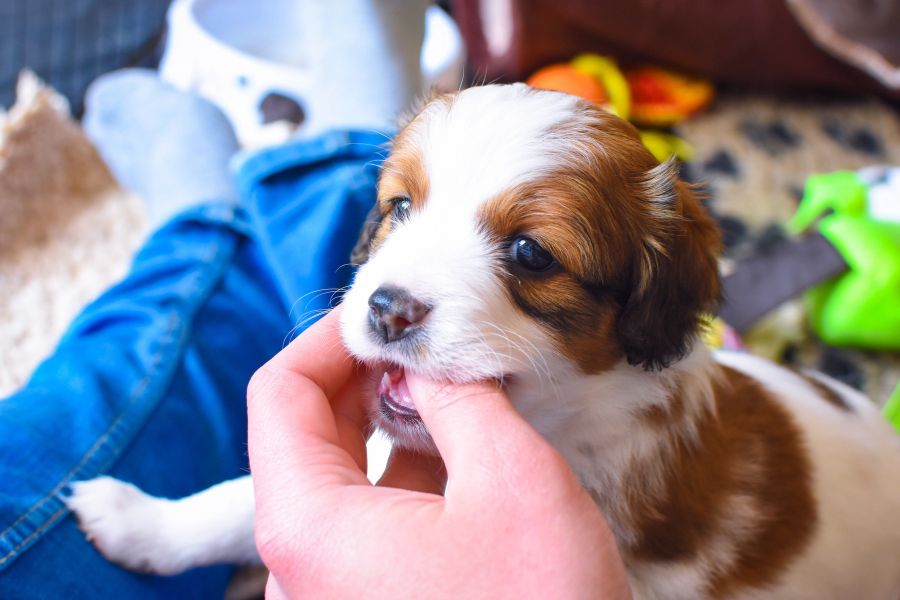
Observing the context and intensity of a puppy’s biting provides valuable insights into its underlying causes. Typically, an 11-week-old puppy exhibiting biting behavior will mouth at hands, ankles, and clothing during play sessions. The bites might start gently but could increase in pressure if not effectively managed.
Other observable signs include persistent nipping when a person attempts to pet or interact with the puppy. The puppy might also become excessively “mouthy” when tired, overexcited, or during times when it seeks attention. A puppy might also grab at leash or clothing during walks if feeling overstimulated or under-exercised.
The intensity of the biting can vary. Some puppies may only deliver gentle nips, while others might exert enough pressure to cause discomfort or leave red marks. It is crucial to distinguish between exploratory mouthing and more aggressive behaviors, such as growling, stiff body posture, or snapping, although these are less common for general biting at this young age. If the puppy’s biting is consistently breaking skin or accompanied by signs of fear or aggression, it indicates a more serious concern. The frequency and specific triggers for the biting, such as only during greetings or when being handled, should be carefully noted to tailor an appropriate response.
Practical Solutions and Management Strategies
Managing biting in an 11-week-old puppy requires consistency, patience, and a multi-faceted approach. One fundamental strategy is teaching bite inhibition. When a puppy’s bite becomes too hard during play, emitting a high-pitched yelp, similar to a littermate, often startles the puppy. Immediately withdraw attention and disengage from play for a brief period (10-20 seconds). This teaches the puppy that hard biting makes the fun stop.
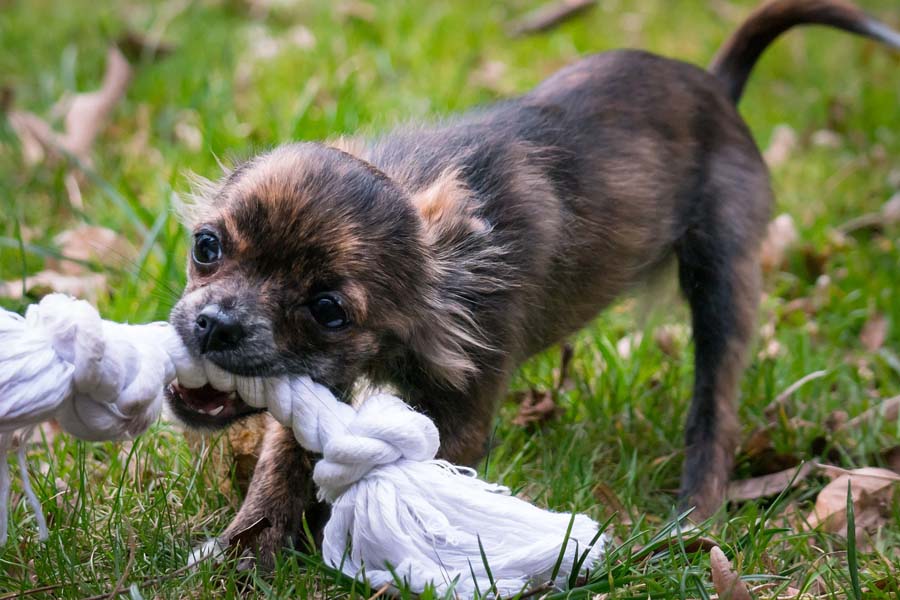
Redirection is another critical technique. Always have appropriate chew toys readily available. The moment a puppy attempts to nip at hands or clothing, firmly but gently redirect its mouth to an approved chew toy. Praise the puppy enthusiastically when it chews the toy instead of a person. Providing a variety of textures, such as rubber toys, rope toys, and safe chew bones, can keep the puppy engaged and satisfy its natural urge to chew, especially during teething.
Implementing reverse time-outs can be highly effective. If a puppy continues to nip despite redirection, calmly stand up and walk away, removing all attention. Return after a short period (around 30 seconds to a minute). This teaches the puppy that rough play results in isolation, reinforcing the idea that gentle interaction is rewarded with continued attention.
Ensuring adequate exercise and mental stimulation is vital. A tired puppy is less likely to engage in unwanted behaviors. Provide daily walks, structured play sessions, and puzzle toys that challenge a puppy’s mind. Enroll the puppy in positive reinforcement-based puppy classes to aid in socialization and basic obedience training, which builds impulse control.
It is important to avoid punishment, yelling, or hitting, as these methods can instill fear, damage the bond, and potentially escalate aggressive behaviors rather than resolve them. Focus on positive reinforcement, rewarding desired behaviors, and creating a clear understanding of boundaries. Consistent training from all household members ensures the puppy receives uniform messages about appropriate behavior.
When Professional Help May Be Needed
While a certain degree of nipping is normal for an 11-week-old puppy, there are situations where seeking professional guidance becomes crucial. If a puppy’s biting consistently breaks the skin, draws blood, or causes significant injury, it suggests a lack of appropriate bite inhibition that requires immediate, expert attention. Similarly, if the biting is accompanied by aggressive behaviors such as growling, snarling, prolonged stiffness of the body, or snapping even when not provoked, a consultation with a professional is warranted.
Persistent biting that cannot be redirected or managed through consistent application of the recommended strategies, despite dedicated effort, also signals a need for professional intervention. If a puppy exhibits fear or anxiety in conjunction with biting, for instance, biting out of panic when handled, this points to deeper emotional issues that a professional can help address.
A veterinarian should be consulted first to rule out any underlying medical conditions or pain that might be contributing to the biting behavior. Once physical health is confirmed, a referral to a certified professional dog trainer or a veterinary behaviorist may be appropriate. These experts can assess the specific nuances of the puppy’s behavior, develop a tailored training plan, and provide guidance on advanced techniques to manage and modify challenging biting tendencies, ensuring both the safety of the household and the well-being of the puppy.
Conclusion
An 11-week-old puppy exhibiting persistent biting is a common, yet manageable, stage of development. Understanding the reasons behind this behavior, such as teething, exploration, and the natural learning process of bite inhibition, is the foundation for effective intervention. By consistently applying strategies like redirection, positive reinforcement for appropriate chewing, and teaching reverse time-outs, owners can guide their puppies toward more desirable interactions. Ensuring adequate physical exercise and mental stimulation, alongside clear, patient communication, fosters a well-adjusted puppy. Owners must recognize the importance of early intervention in shaping a puppy’s future behavior. Should the biting escalate in intensity, cause injury, or prove unmanageable despite consistent effort, seeking professional help from a veterinarian or certified dog behaviorist is a responsible and recommended course of action. With dedication and informed guidance, a nippy puppy can transform into a gentle, beloved companion, enhancing the shared journey for many years.
Pet Care & Wellness Overview Table
| Life Stage | Daily Activity Level | Key Nutrition / Care Focus |
|---|---|---|
| Puppy / Kitten | High (frequent short bursts) | High-protein growth diet & early socialization |
| Adult Companion | Moderate (30–60 mins daily) | Balanced maintenance nutrition & dental hygiene |
| Senior Pets | Low to Gentle (mindful walks) | Joint support (Glucosamine) & routine vet checks |
Images References




For more expert pet care tips and advice, check out our dedicated Dog Behavior guides to keep your companions healthy and happy.




