

Introduction
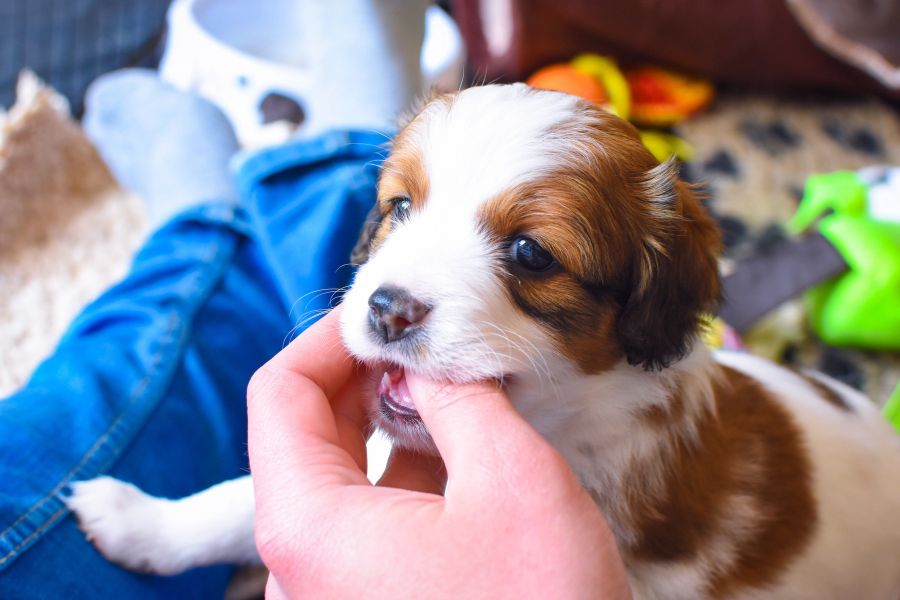
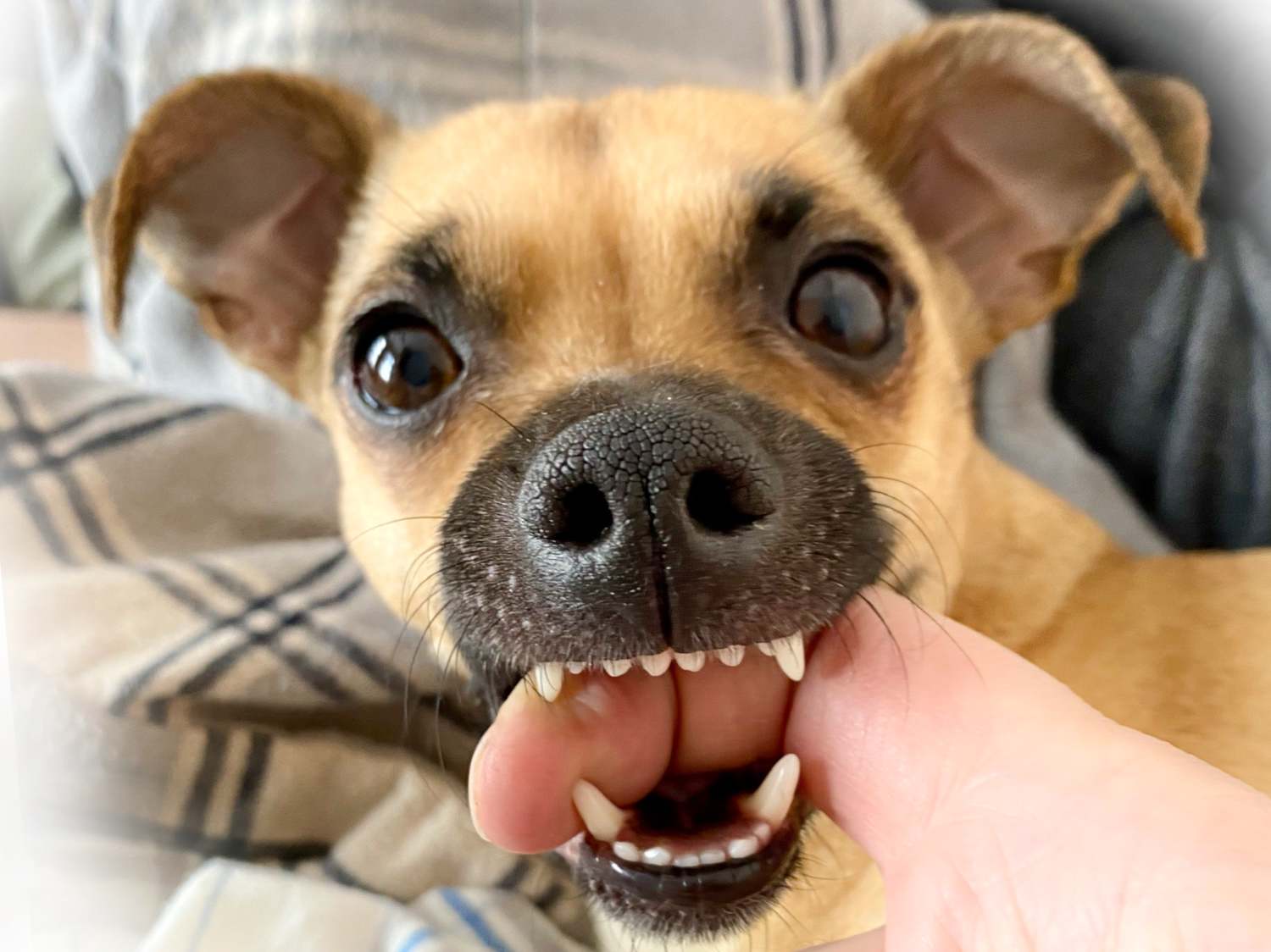
The phenomenon of a 4-month-old puppy consistently exhibiting biting behavior is a common concern for many dog owners. At this crucial developmental stage, puppies are actively exploring their environment and learning about the world through their mouths. The persistent nipping, mouthing, or biting that often accompanies a puppy’s development requires understanding and a structured approach. Addressing this behavior early is paramount for fostering a well-adjusted dog and ensuring a harmonious relationship between the animal and its human companions. Understanding the reasons behind a 4-month-old puppy’s biting habits can significantly improve the puppy’s socialization, training outcomes, and overall quality of life as it matures.
💡 Pet Care Key Takeaways:
- Core Focus: Practical health, nutrition, and wellness guidelines for My 4 Month Old Puppy Keeps Biting Me.
- Target Scope: Pet owners, animal caregivers, and veterinary support staff.
- Best Recommendation: Maintain consistent daily routines and consult an accredited veterinarian before introducing major diet or medical changes.
Common Causes and Key Factors
Several interconnected factors contribute to why a 4-month-old puppy might frequently bite. One of the primary biological reasons is teething. Around this age, puppies begin to lose their deciduous (baby) teeth and grow their permanent adult teeth. This process can cause discomfort and a strong urge to chew and bite to relieve gum pain and assist with tooth eruption. Puppies also use their mouths for exploration and play. Mouthing is a natural way for them to interact with objects and other beings, akin to human infants using their hands. For more related activities, check out our How Do You Correct A Dog’S Behavior.
Another significant factor is the lack of bite inhibition. In their litter, puppies learn from their siblings and mother how hard they can bite before it elicits a yelp or a corrective nip. Without this early learning or continued reinforcement from human guardians, puppies may not understand the appropriate pressure to apply with their jaws. Furthermore, seeking attention can become a learned behavior. If biting or nipping reliably results in a human reactioneven a negative one like shouting or pushingthe puppy might interpret this as a successful way to gain interaction. Lastly, over-stimulation or fatigue can lead to increased nipping. An overtired or overexcited puppy may become less inhibited and resort to biting as an outlet for their heightened energy or frustration.
Signs and Symptoms to Observe
When a 4-month-old puppy exhibits biting behavior, careful observation of specific signs can provide valuable insights into its underlying causes and potential solutions. The intensity of the bite is a critical indicator; some puppies deliver gentle nips during play, while others might bite with more force, potentially breaking skin. The frequency and context of the biting are also important: Does it happen during greetings, during play, when seeking attention, or when the puppy is left alone?
A puppy’s body language often accompanies the biting and offers further clues. During playful biting, a puppy might display a relaxed posture, wagging tail, and play bows. However, if the biting is accompanied by stiff body language, growling, or attempts to guard resources, it may indicate a different underlying issue requiring more specialized intervention. Observing what the puppy targetshands, ankles, clothing, or furniturecan also help tailor redirection strategies. A consistent pattern of biting a specific item or body part often points to a particular motivation, such as teething discomfort or a learned attention-seeking strategy. Monitoring whether the behavior is improving, worsening, or remaining static is essential for evaluating the effectiveness of management strategies.
Practical Solutions and Management Strategies
Addressing persistent biting in a 4-month-old puppy requires a consistent and multi-faceted approach. A fundamental strategy is teaching bite inhibition. When a puppy’s bite is too hard, a sharp “yelp” sound, mimicking a littermate’s reaction, can signal that the bite was painful. Immediately following the yelp, the human should withdraw attention, disengage from play, or even leave the room for a brief period (e.g., 10-30 seconds). This “reverse time-out” teaches the puppy that hard bites end desirable interactions.
Redirection is another powerful tool. When a puppy attempts to bite hands or clothing, a suitable, durable chew toy should be immediately offered as an acceptable alternative. Providing a variety of appropriate chew toys is especially helpful during the teething phase. Consistent positive reinforcement training for appropriate behaviors can also be beneficial. Teaching commands like “no bite” or “leave it” and rewarding compliance helps shape desired actions. Ensure the puppy receives adequate physical exercise and mental stimulation through walks, structured play, and puzzle toys, as an under-stimulated puppy may resort to biting out of boredom or excess energy.
Managing play sessions by keeping them short and supervised can prevent over-arousal. If a puppy becomes too excited or begins to bite excessively, a brief break can help it calm down. Utilizing teething aids, such as frozen chew toys or ice cubes, can provide relief for sore gums. Establishing a safe, designated space for the puppy, like a crate or playpen, for periods of calm and rest can prevent overtiredness, which often exacerbates nipping. Continued, controlled socialization with calm, vaccinated adult dogs can also help puppies learn appropriate play boundaries from their canine counterparts.
When Professional Help May Be Needed
While puppy nipping is a common developmental stage, there are instances where professional intervention becomes necessary. If a 4-month-old puppy’s biting behavior is consistently drawing blood, causing significant injury, or appears to stem from aggression rather than play or teething, a consultation with a veterinarian or a certified professional dog trainer/behaviorist is highly recommended. A lack of improvement despite consistent and appropriate training efforts over several weeks also warrants professional evaluation.
Other concerning indicators include an increase in the intensity or frequency of biting as the puppy ages, or if the biting is accompanied by other worrying behaviors such as persistent growling, resource guarding, or significant fear responses. These situations suggest that the underlying cause may be more complex than typical puppy mouthing and could benefit from a tailored behavioral modification plan developed by an expert. Early professional guidance can prevent the escalation of problem behaviors and ensure the puppy develops into a well-mannered adult dog.
Conclusion
A 4-month-old puppy’s persistent biting is a common challenge that, with understanding and consistent effort, can be effectively managed. Recognizing that factors such as teething, exploration, lack of bite inhibition, and attention-seeking contribute to this behavior is the first step. Implementing practical solutions like bite inhibition training, redirection with appropriate chew toys, consistent positive reinforcement, and ensuring adequate exercise and mental stimulation are crucial. Owners must remain patient and persistent, as behavior modification takes time and dedication. Early intervention and a structured approach will significantly contribute to a puppy’s proper development, fostering good manners and a strong, positive bond between the animal and its human family.
Pet Care & Wellness Overview Table
| Life Stage | Daily Activity Level | Key Nutrition / Care Focus |
|---|---|---|
| Puppy / Kitten | High (frequent short bursts) | High-protein growth diet & early socialization |
| Adult Companion | Moderate (30–60 mins daily) | Balanced maintenance nutrition & dental hygiene |
| Senior Pets | Low to Gentle (mindful walks) | Joint support (Glucosamine) & routine vet checks |
Images References



For more expert pet care tips and advice, check out our dedicated Dog Behavior guides to keep your companions healthy and happy.




