

Introduction
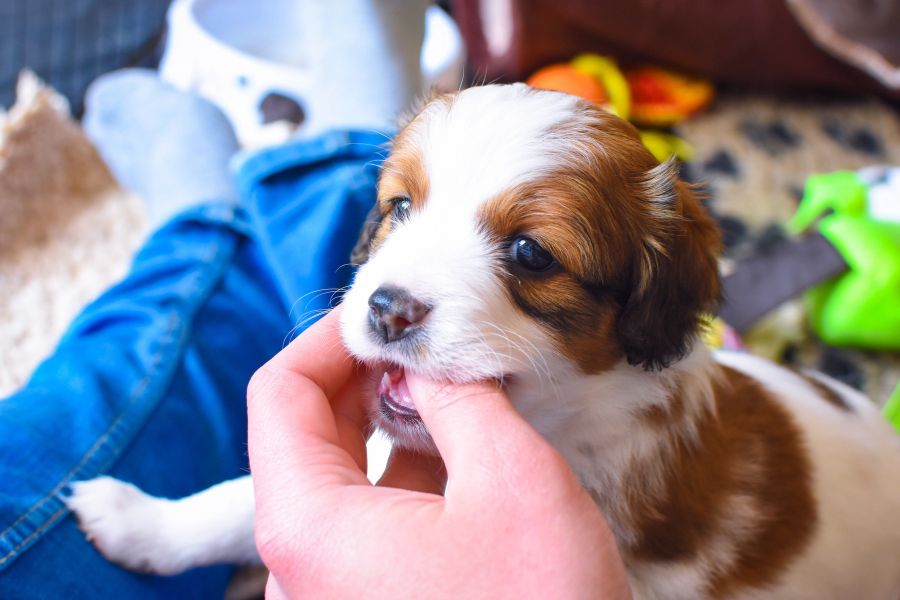
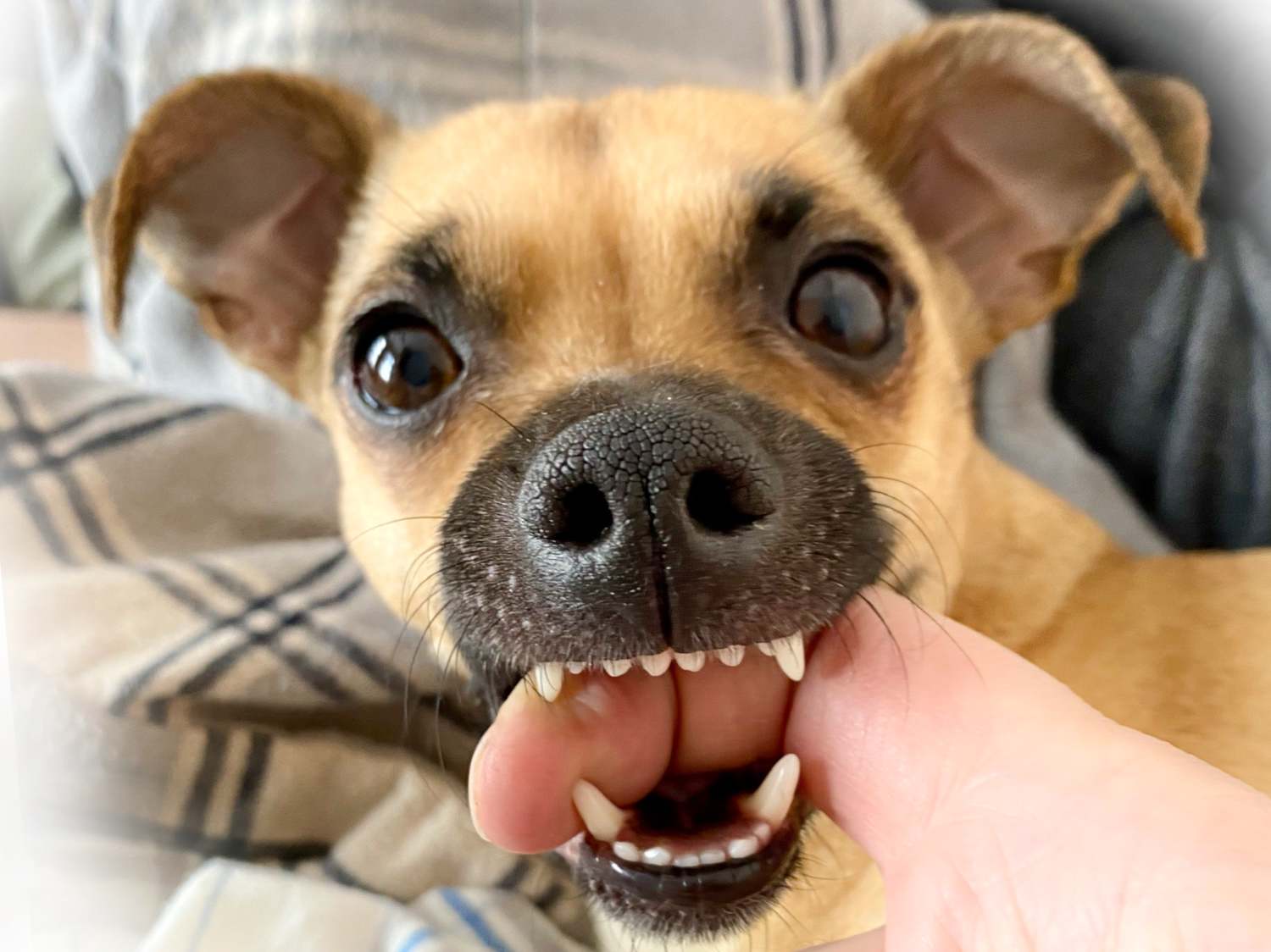
The phenomenon of a 5-month-old puppy persistently biting can be a common, yet often perplexing, challenge for many dog owners. At this developmental stage, puppies are actively exploring their world, growing rapidly, and navigating significant changes. The behavior of a 5-month-old puppy engaging in frequent biting or mouthing is not only a natural part of canine development but also a critical period for shaping future behavior. Understanding the underlying reasons behind this behavior is paramount for ensuring the puppy’s well-being and fostering a harmonious relationship between the animal and its human companions. Addressing this issue effectively can significantly improve a dogs behavior, promote appropriate social interactions, and contribute to an overall higher quality of life by preventing more serious behavioral problems later on.
💡 Pet Care Key Takeaways:
- Core Focus: Practical health, nutrition, and wellness guidelines for My 5 Month Old Puppy Keeps Biting Me.
- Target Scope: Pet owners, animal caregivers, and veterinary support staff.
- Best Recommendation: Maintain consistent daily routines and consult an accredited veterinarian before introducing major diet or medical changes.
Common Causes and Key Factors
Understanding why a 5-month-old puppy might display persistent biting behavior involves examining several key developmental and environmental factors. One of the most significant contributors at this age is teething. Puppies typically begin losing their deciduous (baby) teeth and growing permanent ones between three and seven months of age. This process can be uncomfortable, leading puppies to seek relief by chewing and nipping at anything available, including human hands and feet. For more related activities, check out our Dog Heat Behavior Changes.
Another primary factor is exploratory behavior. Puppies naturally use their mouths to investigate their surroundings, much like human babies explore with their hands. This oral exploration helps them learn about textures, tastes, and how objects interact. Coupled with this is play biting or mouthing, which is a natural way puppies interact with their littermates. During this play, they learn about bite inhibition how much pressure they can apply before causing pain. If a puppy has not adequately learned bite inhibition from its littermates or human intervention, it may not understand that its biting is too hard.
Furthermore, a lack of appropriate mental and physical stimulation can lead to puppies becoming bored or overly energetic, resulting in biting as an outlet for pent-up energy or frustration. Attention-seeking behavior can also play a role; if biting elicits a strong reaction (even negative attention), the puppy may learn that this behavior is an effective way to get noticed. Lastly, puppies can sometimes become over-stimulated or overtired, making them prone to nipping as a way to cope with their heightened arousal or fatigue, similar to how a human child might become irritable when tired.
Signs and Symptoms to Observe
When a 5-month-old puppy exhibits persistent biting, careful observation of the specific signs and accompanying behaviors can provide crucial insights into the underlying causes. One important aspect to note is the intensity of the bites. Is the puppy delivering gentle nips, or are the bites hard enough to cause pain or break skin? The former often indicates exploratory mouthing or play, while the latter might suggest a lack of bite inhibition or frustration.
The context in which the biting occurs is also highly informative. Does the biting happen during play sessions, when seeking attention, when the puppy is over-excited, or when it is being handled in a particular way? For example, biting that consistently occurs during petting might indicate discomfort or a dislike of certain types of touch. Observing the frequency of the biting and the specific targets (e.g., hands, ankles, clothing) can also help pinpoint triggers.
Additionally, paying close attention to the puppy’s body language immediately before, during, and after a bite is essential. A puppy that is loose, wiggly, and has an open-mouthed, relaxed expression during biting is likely engaging in play. In contrast, a puppy displaying stiff body posture, growling, a tucked tail, or flattened ears might be communicating discomfort, fear, or frustration, suggesting a more serious underlying issue. These observations can vary slightly based on the puppy’s breed and individual temperament, but a consistent pattern can usually be identified.
Practical Solutions and Management Strategies
Effectively managing persistent biting in a 5-month-old puppy requires a multi-faceted approach centered on consistent training, redirection, and environmental enrichment. One of the most crucial strategies is teaching bite inhibition. When a puppy’s teeth make contact with skin, a high-pitched yelp, similar to a puppy’s own vocalization when hurt, can signal that the bite was too hard. Immediately after the yelp, withdrawing attention by turning away or leaving the room for a short “time-out” (30-60 seconds) teaches the puppy that hard biting ends play.
Redirection is another vital tool. Always have appropriate chew toys readily available. When the puppy attempts to bite hands or clothing, calmly redirect its mouth to an acceptable toy. Praising and rewarding the puppy for chewing on the toy reinforces the desired behavior. For teething puppies, providing a variety of textured, durable, and sometimes frozen chew toys can offer significant relief and an appropriate outlet for their chewing needs.
Ensuring the puppy receives adequate structured play and exercise is also paramount. Daily walks, supervised playtime in a secure area, and interactive games like fetch can help burn off excess energy that might otherwise manifest as biting. Mental stimulation through puzzle toys, obedience training sessions, and short sniffing walks can also prevent boredom and reduce the likelihood of attention-seeking nipping.
Consistent positive reinforcement training for calm behavior and teaching commands such as “leave it” and “drop it” strengthens a puppy’s impulse control. Environmental management, such as puppy-proofing the home to remove tempting chew targets and avoiding situations where the puppy becomes overly stimulated, can also prevent biting incidents. For attention-seeking biting, the most effective response is to immediately withdraw all attention, reinforcing that biting does not yield the desired outcome. Patience and consistency are key to success.
When Professional Help May Be Needed
While persistent biting in a 5-month-old puppy is often a normal developmental phase, there are specific situations where seeking professional guidance becomes appropriate and advisable. If the biting consistently breaks skin, draws blood, or is accompanied by aggressive body language such as growling, snapping, or stiff posture, this indicates a problem beyond typical puppy mouthing and warrants immediate attention. A lack of significant improvement in the biting behavior despite consistent application of the recommended training and management strategies over several weeks also suggests that professional intervention may be beneficial.
Any signs of fear-based biting, such as the puppy attempting to bite when cornered, startled, or when approaching a specific resource like food or toys, should be taken seriously. Similarly, a sudden, unexplained change in a puppy’s behavior, including an increase in biting or new aggressive tendencies, could signal an underlying medical issue. In such cases, a veterinary consultation is crucial to rule out any pain, discomfort, or illness that might be contributing to the biting.
For persistent or escalating behavioral concerns, consulting a certified professional dog trainer or a veterinary behaviorist can provide tailored strategies and a deeper understanding of the puppy’s specific needs. These professionals possess the expertise to assess the root causes of the biting, implement specialized training plans, and address complex behavioral patterns, ultimately guiding owners toward a safer and more harmonious relationship with their growing canine companion.
Conclusion
The challenge of a 5-month-old puppy persistently biting is a common experience for many dog owners, representing a normal but critical stage of canine development. This behavior is typically rooted in factors such as teething discomfort, natural exploration, learning bite inhibition, or seeking attention and stimulation. Addressing these issues with patience, consistency, and appropriate techniques is fundamental to shaping a well-behaved adult dog. Through understanding the puppy’s motivations, providing suitable outlets for chewing, implementing positive reinforcement training, and managing the environment, owners can effectively guide their puppy towards more appropriate behaviors. Persistent observation of the puppy’s body language and the context of the biting helps in tailoring effective solutions. While many biting issues can be managed at home, recognizing when professional veterinary or behavioral intervention is necessary ensures the best possible outcome for the puppy’s health and long-term well-being. A commitment to responsible pet ownership during these formative months lays a strong foundation for a fulfilling companionship for years to come.
Pet Care & Wellness Overview Table
| Life Stage | Daily Activity Level | Key Nutrition / Care Focus |
|---|---|---|
| Puppy / Kitten | High (frequent short bursts) | High-protein growth diet & early socialization |
| Adult Companion | Moderate (30–60 mins daily) | Balanced maintenance nutrition & dental hygiene |
| Senior Pets | Low to Gentle (mindful walks) | Joint support (Glucosamine) & routine vet checks |
Images References



For more expert pet care tips and advice, check out our dedicated Dog Behavior guides to keep your companions healthy and happy.




