

Introduction
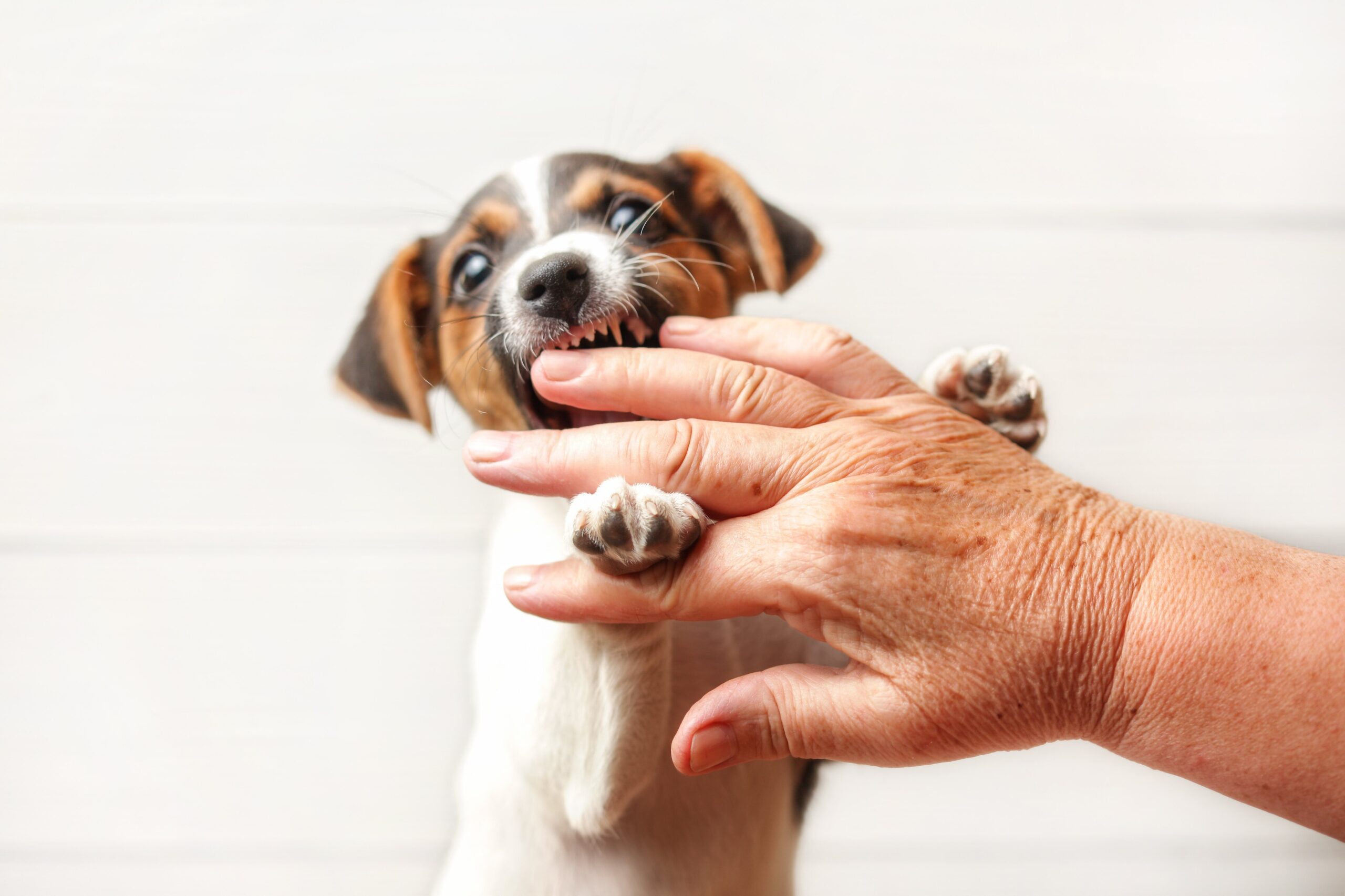
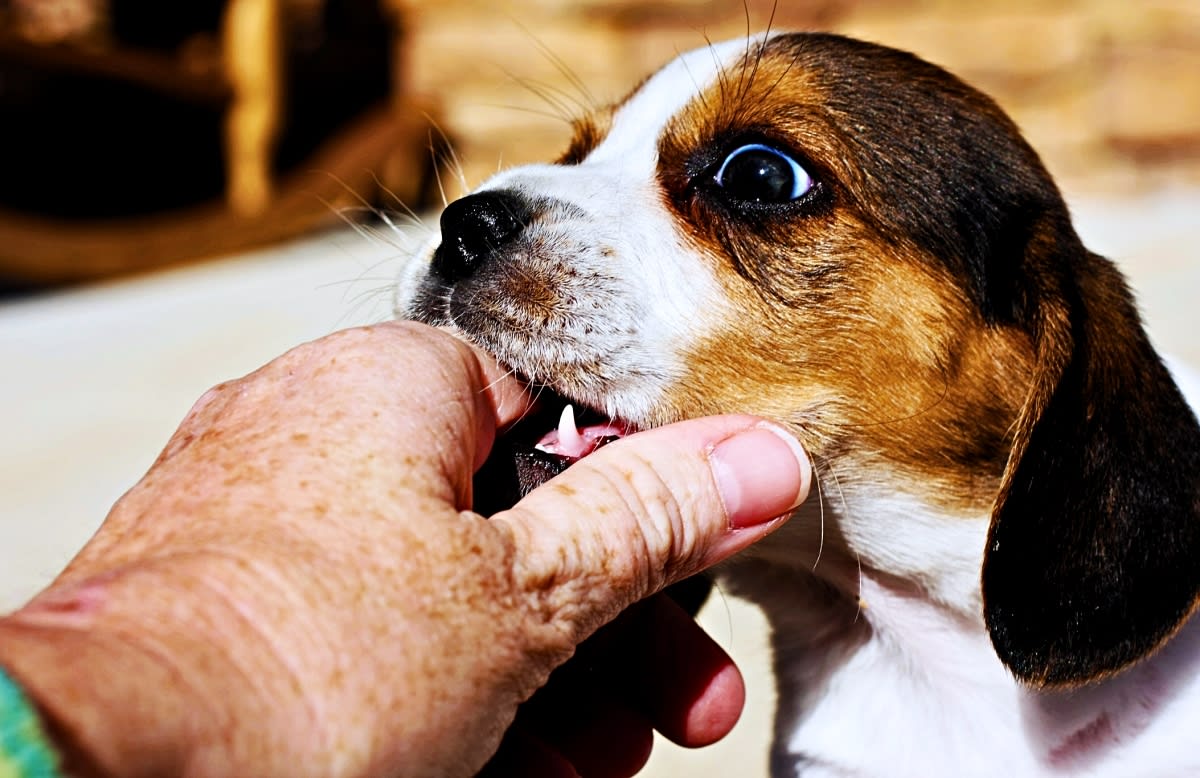
The phrase “my 6 month puppy keeps biting” resonates with many dog owners navigating the challenging, yet normal, developmental stages of their canine companions. At approximately six months of age, puppies are transitioning from early puppyhood into adolescence, a period marked by significant physical and behavioral changes. While earlier puppy nipping can be expected as a form of play and exploration, persistent biting at this stage often signals specific underlying factors that require understanding and appropriate intervention. Addressing this behavior early is crucial, as consistent biting can escalate into more serious issues if left unmanaged, impacting the dog’s future social interactions and the harmony within its human family. Understanding the motivations behind a 6-month-old puppy’s biting behavior is the first step toward fostering a well-mannered and contented companion, significantly improving their overall well-being and quality of life.
💡 Pet Care Key Takeaways:
- Core Focus: Practical health, nutrition, and wellness guidelines for My 6 Month Puppy Keeps Biting.
- Target Scope: Pet owners, animal caregivers, and veterinary support staff.
- Best Recommendation: Maintain consistent daily routines and consult an accredited veterinarian before introducing major diet or medical changes.
Common Causes and Key Factors
Persistent biting in a 6-month-old puppy can stem from a variety of factors, often occurring in combination. One of the most common biological reasons at this age is teething. Puppies typically lose their baby teeth and grow their adult teeth between four and six months, making them seek relief by chewing and mouthing objects, including human hands and feet. This natural discomfort can lead to increased biting. For more related activities, check out our Dog Unpredictable Behavior.
Another key factor is exploration and play behavior. Puppies naturally use their mouths to interact with the world around them, investigate objects, and engage in play. Without proper guidance, this natural instinct can easily transfer to human skin. Furthermore, a lack of adequate bite inhibition training during earlier puppy stages can contribute to the problem. Puppies learn how hard to bite from their littermates; if this lesson is missed or incomplete, a puppy may not understand the appropriate pressure to apply.
Attention-seeking behavior also plays a role. If a puppy learns that biting results in a reaction from its human companionseven a negative oneit may continue the behavior to gain attention. Over-stimulation, frustration, or tiredness can also trigger biting. Just like human children, puppies can become “over-stimulated” or cranky when they are overly tired or overwhelmed, leading to nipping and biting. Finally, insufficient physical exercise or mental stimulation can result in pent-up energy, which puppies may release through inappropriate chewing and biting. Addressing these underlying causes systematically is essential for resolving the behavior.
Signs and Symptoms to Observe
Observing the specific signs and circumstances surrounding a 6-month-old puppy’s biting behavior is vital for accurate assessment and effective intervention. The type of bite can vary significantly, ranging from gentle mouthing during play to more forceful nips that cause discomfort or even painful bites that break the skin. Owners should pay close attention to the context in which the biting occurs. Does the puppy bite when seeking attention, during energetic play sessions, when being petted, when tired, or when left alone? The circumstances often reveal the motivation behind the behavior.
The puppy’s body language immediately preceding or during the biting also offers crucial clues. A relaxed, wiggly body with a wagging tail might indicate playful nipping, while a stiff body, growling, or direct staring could signal frustration, fear, or an attempt to guard resources. The frequency and intensity of the biting are also important indicators. An increase in both suggests the behavior is becoming more ingrained or that underlying issues are escalating. Additionally, noting the targets of the bitingwhether primarily hands, feet, clothing, or household itemscan provide insight into the puppy’s preferred outlets for mouthing and chewing. These detailed observations help in tailoring the most appropriate management and training strategies for the specific individual.
Practical Solutions and Management Strategies
Managing and improving a 6-month-old puppy’s biting behavior requires consistent effort and a multi-faceted approach. One fundamental strategy involves redirection. When a puppy attempts to bite hands or feet, immediately offer an appropriate chew toy or a sturdy, designated puppy-safe bone. This teaches the puppy what is acceptable to chew on and redirects its natural mouthing instincts to proper outlets.
Teaching bite inhibition is also crucial. When the puppy bites too hard during play, a sharp, high-pitched “yelp” can be used to mimic the sound a littermate would make. Immediately withdraw attention by pulling the hand away and disengaging from play for a few seconds. This brief “time-out” teaches the puppy that hard bites end the fun. If the biting persists, more stringent “time-outs” can be implemented by briefly leaving the room or placing the puppy in a designated safe, quiet space for a minute or two. The key is consistency; time-outs should always be calm and without scolding.
Consistent training using positive reinforcement methods is highly effective. Teaching commands such as “Leave It” and “Drop It” helps puppies learn control over their mouths. Rewarding calm, non-biting behavior with praise or treats reinforces desirable actions. Ensuring adequate exercise and mental stimulation is another vital component. Structured play sessions, daily walks, puzzle toys, and short training sessions can help expend pent-up energy and fulfill the puppy’s need for engagement, reducing the likelihood of boredom-induced biting. Environmental management also plays a role; puppy-proofing the home prevents access to tempting but inappropriate chew items and removes opportunities for unwanted biting.
When Professional Help May Be Needed
While many cases of puppy biting can be managed with consistent home training and management, there are specific circumstances where professional intervention becomes necessary. Owners should consider consulting an expert if the puppy’s bites consistently break the skin. Any bite that causes injury indicates a serious lack of bite inhibition or an underlying issue that requires immediate attention from a professional. Similarly, if the biting behavior is accompanied by other concerning signs of aggression, such as growling, snarling, or lunging with the clear intent to harm, a certified professional dog trainer or veterinary behaviorist should be contacted promptly.
Another indicator for seeking professional help is when the biting stems from fear or possessiveness, particularly if the puppy exhibits resource guarding around food, toys, or specific locations. If despite consistent and appropriate training efforts, there is a lack of progress or the behavior seems to be escalating, it signifies that a tailored approach from an expert is likely needed. Any sudden change in behavior or an unexplained increase in biting intensity or frequency warrants a veterinary check-up to rule out underlying pain, discomfort, or other medical issues that could be contributing to the biting. Professional guidance can provide a personalized plan, offer advanced training techniques, and address complex behavioral patterns more effectively.
Conclusion
The experience of “my 6 month puppy keeps biting” is a common phase that requires careful attention and a proactive approach. Understanding that this behavior often stems from teething discomfort, playful exploration, or a need for clearer boundaries is the first step toward resolution. Through consistent redirection, teaching bite inhibition, implementing effective time-outs, and ensuring adequate exercise and mental stimulation, owners can guide their puppies toward more appropriate behaviors. Observing the specific contexts and body language surrounding the biting provides invaluable insights, allowing for tailored solutions. While many issues can be addressed at home, knowing when to seek professional help from a certified dog trainer or veterinary behaviorist is crucial for more severe or persistent cases. Patience, consistency, and a commitment to positive reinforcement are key components in transforming a mouthy puppy into a well-behaved and cherished family member, ensuring a harmonious and lasting bond.
Pet Care & Wellness Overview Table
| Life Stage | Daily Activity Level | Key Nutrition / Care Focus |
|---|---|---|
| Puppy / Kitten | High (frequent short bursts) | High-protein growth diet & early socialization |
| Adult Companion | Moderate (30–60 mins daily) | Balanced maintenance nutrition & dental hygiene |
| Senior Pets | Low to Gentle (mindful walks) | Joint support (Glucosamine) & routine vet checks |
Images References



For more expert pet care tips and advice, check out our dedicated Dog Behavior guides to keep your companions healthy and happy.




