

According to the American Society for the Prevention of Cruelty to Animals, inter-dog household integration succeeds best when established residents are allowed to set clear social boundaries without human interference. Watching a mature canine wheel around and snap at an exuberant newcomer can send panic rippling through a household. Yet, this dramatic behavior is frequently a normal part of canine communication rather than an act of pure malice. In daily behavioral practice, seasoned dogs often utilize swift, controlled snaps to establish rules that younger counterparts simply do not understand yet. Recognizing the underlying motivations behind canine interactions helps owners foster a peaceful multi-dog home without unnecessary anxiety. Understanding the nuances of canine social structure transforms a terrifying spectacle into an enlightening lesson on canine etiquette.
💡 Pet Care Key Takeaways:
- Core Focus: Practical health, nutrition, and wellness guidelines for Older Dogs Nip At Puppies.
- Target Scope: Pet owners, animal caregivers, and veterinary support staff.
- Best Recommendation: Maintain consistent daily routines and consult an accredited veterinarian before introducing major diet or medical changes.
Canine communication relies heavily on body language, vocalizations, and measured physical contact to convey messages. When older dogs nip at puppies, they are usually acting out canine etiquette lessons that a mother dog would typically provide during early development. Puppies lack inherent impulse control and often ignore subtle warnings like freezing, lip-licking, or turning the head away. Consequently, the senior dog escalates the signal to a quick, audible snap or muzzle grab that communicates immediate disapproval. This calibrated feedback is a cornerstone of Dog Behavior, teaching the newcomer about personal space and respectful engagement. Far from being random aggression, these interactions operate as strict linguistic rules within the canine world.
Ignoring these foundational boundary-setting behaviors can inadvertently escalate stress and lead to genuine conflict within the home.
Misinterpreting normal communicative nips as malicious attacks often prompts owners to punish the senior dog unfairly. Punishing a mature animal for setting a natural boundary creates anxiety and teaches the dog that the presence of the youngster predicts unpleasant human intervention. Over time, suppressed warnings can morph into unannounced, intense reactivity because the resident animal feels stripped of its voice. Furthermore, failing to protect the resident dog from a relentless juvenile can overwhelm a senior animal, particularly if underlying joint pain or sensory decline is present. Protecting the senior pet’s sanctuary ensures that Dog Health and emotional well-being remain prioritized throughout the integration process.
Proper socialization and controlled introductions significantly reduce the incidence of severe inter-dog conflict and resource guarding in multi-dog households — American Kennel Club
Managing this dynamic effectively involves providing adequate physical separation, safe zones, and structured supervision during all interactions.
Managing inter-dog dynamics requires active supervision and a proactive approach to environmental management in shared living spaces. Setting up baby gates or exercise pens allows the younger animal to observe household rules from a safe distance without overwhelming the resident dog. Professional guidance from a certified professional can transform chaotic introductions into structured learning opportunities, anchoring proper Dog Training principles into daily routines. Owners should observe body language closely, stepping in to redirect the juvenile whenever the senior dog displays visible signs of fatigue or annoyance. Consistency in management prevents either animal from developing chronic stress or defensive habits.
Establishing clear physical boundaries prevents the exhaustion of senior dogs while teaching juveniles essential impulse control skills.
Creating dedicated resting spaces where the mature dog can retreat unbothered is vital for maintaining household harmony. In professional training settings, teaching the juvenile a reliable “leave it” cue proves invaluable for interrupting hyperactive stalking before a correction becomes necessary. Avoid forcing physical closeness, and always allow the resident dog to walk away from an interaction without being blocked. Maintaining separate feeding stations and toy management protocols eliminates common triggers for resource guarding before habits solidify. Every routine should prioritize the emotional security of the established resident, ensuring the newcomer learns to respect existing household hierarchy naturally.
Canine communication relies heavily on clear spatial boundaries and predictable environmental routines to minimize stress-induced behavioral flare-ups — American Society for the Prevention of Cruelty to Animals
Pet Care & Wellness Overview Table
| Life Stage | Daily Activity Level | Key Nutrition / Care Focus |
|---|---|---|
| Puppy / Kitten | High (frequent short bursts) | High-protein growth diet & early socialization |
| Adult Companion | Moderate (30–60 mins daily) | Balanced maintenance nutrition & dental hygiene |
| Senior Pets | Low to Gentle (mindful walks) | Joint support (Glucosamine) & routine vet checks |
Images References


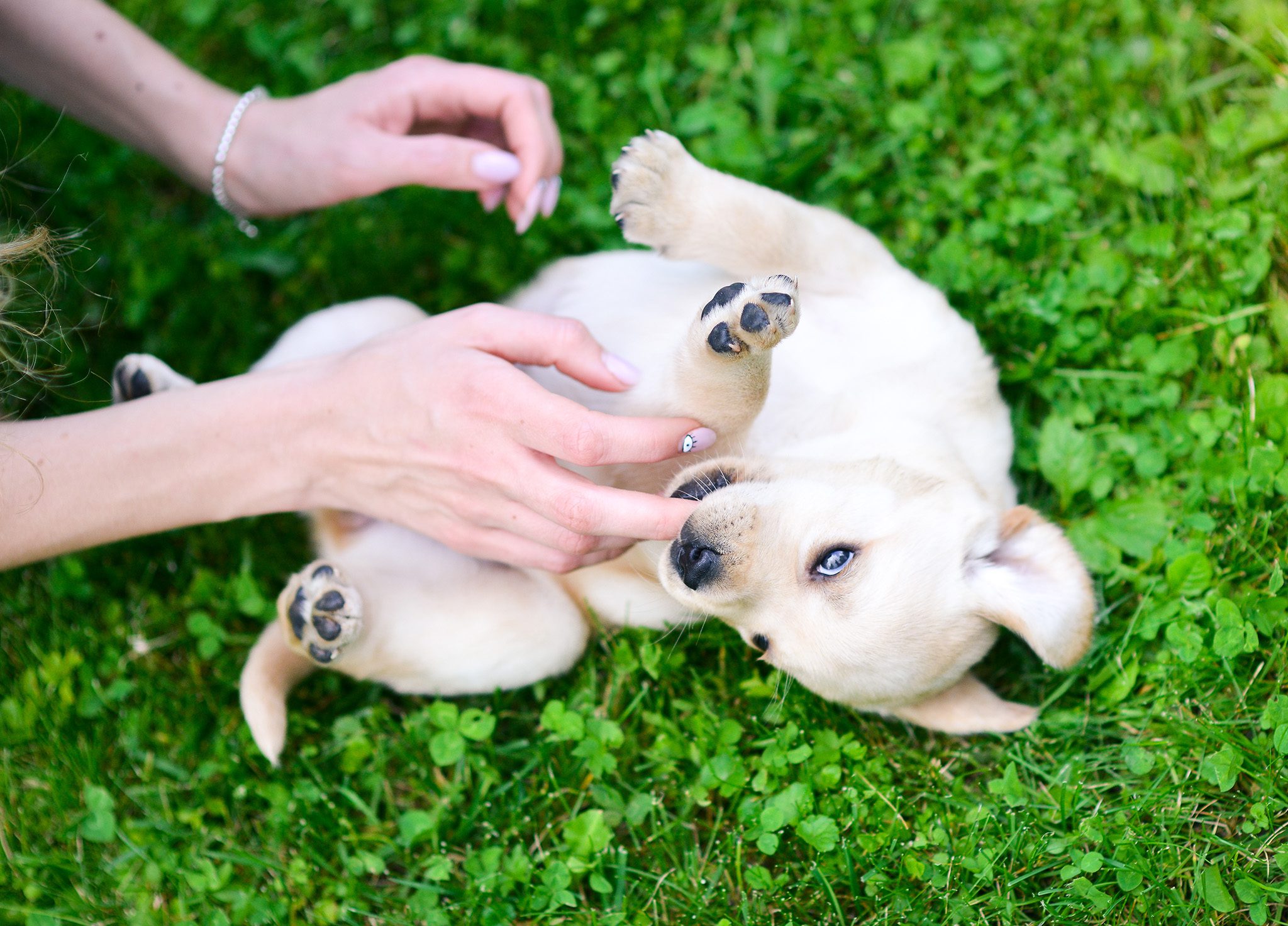


Breed traits, individual temperament, and age gaps heavily influence how mature dogs respond to the relentless energy of newcomers.
A senior toy breed facing an energetic large-breed adolescent will naturally have a much lower tolerance threshold than a robust working dog. Exploring different Dog Breeds reveals stark contrasts in play styles, vocalization tendencies, and innate social patience. Age also plays a definitive role, as geriatric dogs suffering from arthritis or cognitive decline possess drastically reduced patience for bouncing youngsters. Recognizing these physical and temperamental limitations allows owners to tailor daily Dog Care regimens to accommodate the specific needs of every resident animal. Tailoring expectations to match the biological reality of the senior dog prevents preventable friction.
Consulting a qualified professional behaviorist becomes essential when corrections escalate into unprovoked aggression or visible injury.
Professional guidance is necessary if the senior dog’s snaps break skin, involve relentless stalking, or if the puppy refuses to heed clear warnings. A certified veterinary behaviorist can perform a thorough diagnostic evaluation to rule out underlying pain, neurological decline, or pathological anxiety driving the conflict. Safety must remain the absolute priority, meaning immediate physical separation is required while awaiting professional assessment. Addressing severe behavioral friction early protects both animals and preserves the integrity of the household dynamic through scientifically sound, positive reinforcement methods.
Supporting a harmonious multi-dog household requires ongoing observation, empathy, and respect for canine communication channels.
PetsAnimalsWorld.com remains dedicated to providing insightful guidance for every stage of your animal companionship journey. By understanding why older dogs nip at puppies, owners can bridge the communication gap between generations with confidence and compassion. Integrating new family members into a multi-dog home is a rewarding journey that unfolds successfully through patience, structured management, and attentive observation. Explore additional resources across our platform to ensure every furry family member thrives in a safe, balanced, and loving environment.




