Understanding the Intense Biting Phase in Three-Month-Old Canines
The arrival of a young canine brings immense joy alongside unexpected behavioral challenges, particularly when innocent play transforms into relentless and seemingly obsessive mouthing. According to the American Society for the Prevention of Cruelty to Animals (ASPCA), normal exploratory nipping in juveniles is an instinctive behavior used to investigate the surrounding world, though certain individuals display an intensity that causes significant distress for human family members. When standard play nipping escalates into behavior that feels excessive, unrelenting, or unusually forceful, caregivers often search for guidance regarding a pathological biting 3 month old puppy. Navigating this developmental window requires a balanced understanding of canine physiology, environmental management, and positive reinforcement to help the young animal develop appropriate bite inhibition.
💡 Pet Care Key Takeaways:
- Core Focus: Practical health, nutrition, and wellness guidelines for Pathological Biting 3 Month Old Puppy.
- Target Scope: Pet owners, animal caregivers, and veterinary support staff.
- Best Recommendation: Maintain consistent daily routines and consult an accredited veterinarian before introducing major diet or medical changes.
Defining Severe Mouthing Versus Normal Juvenile Exploration
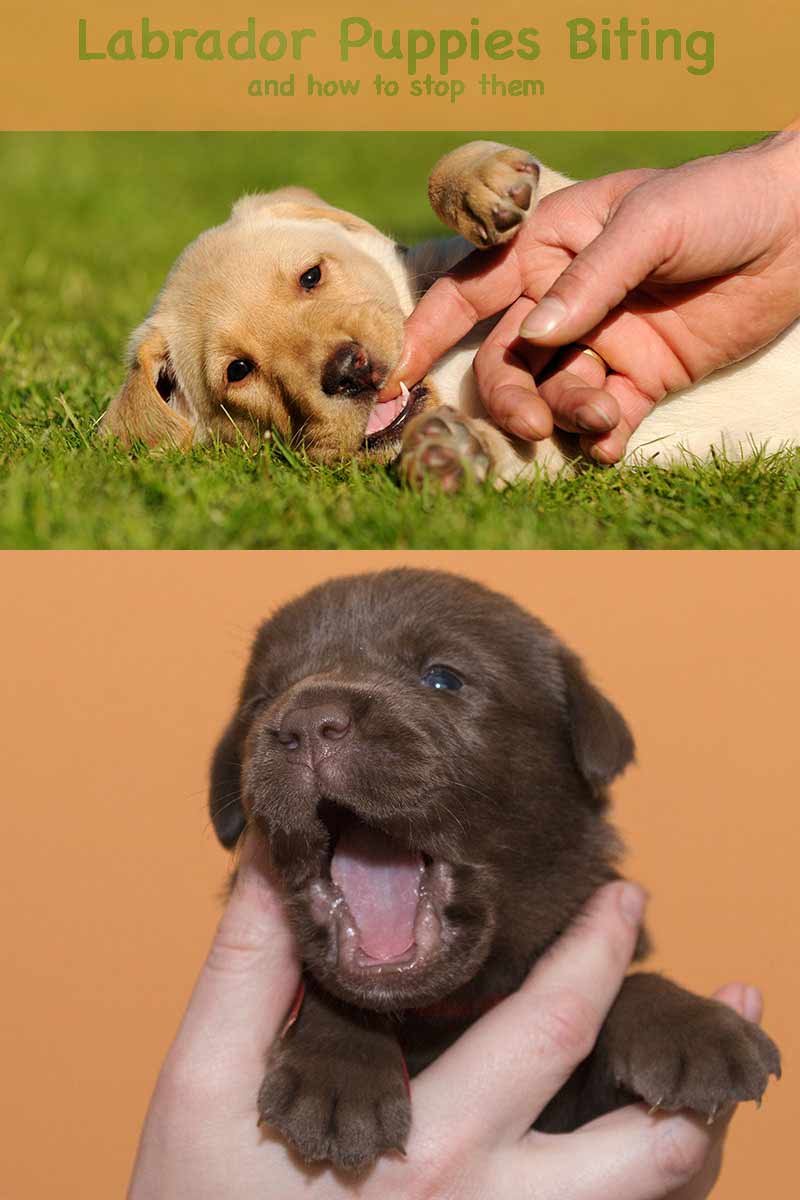
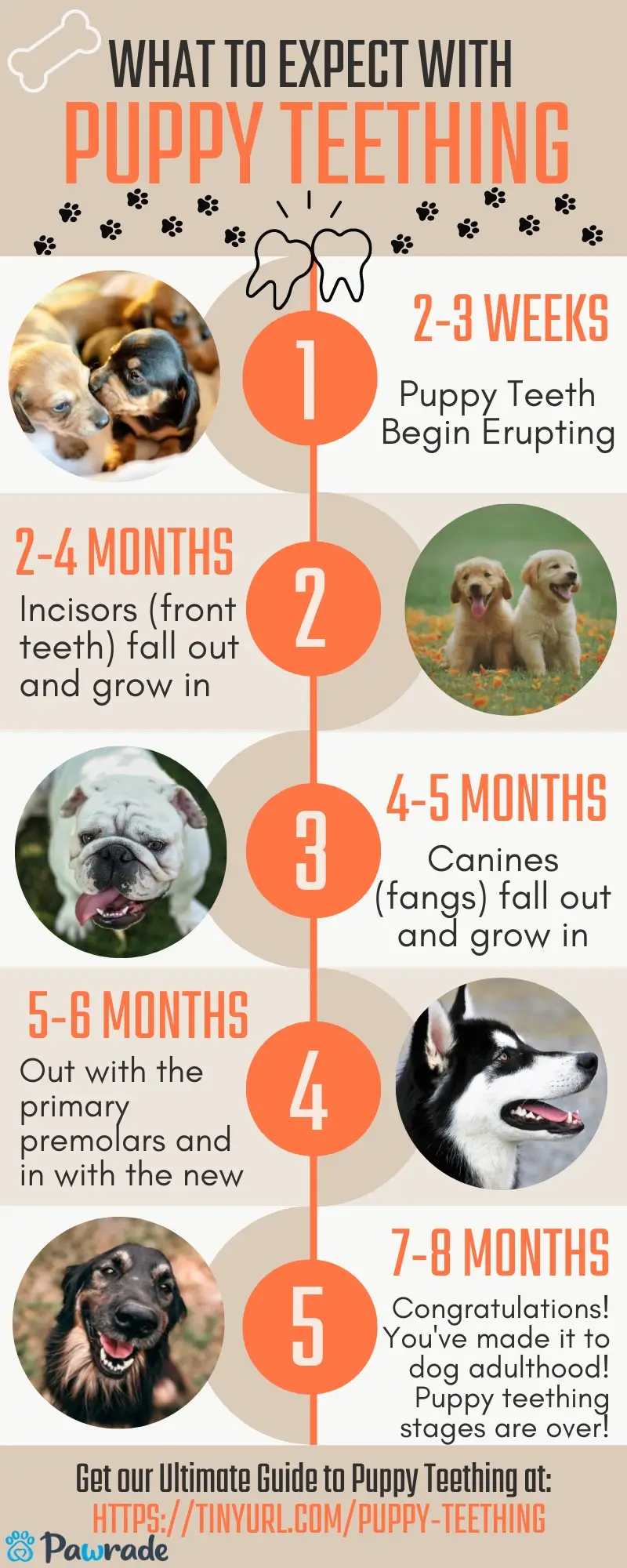
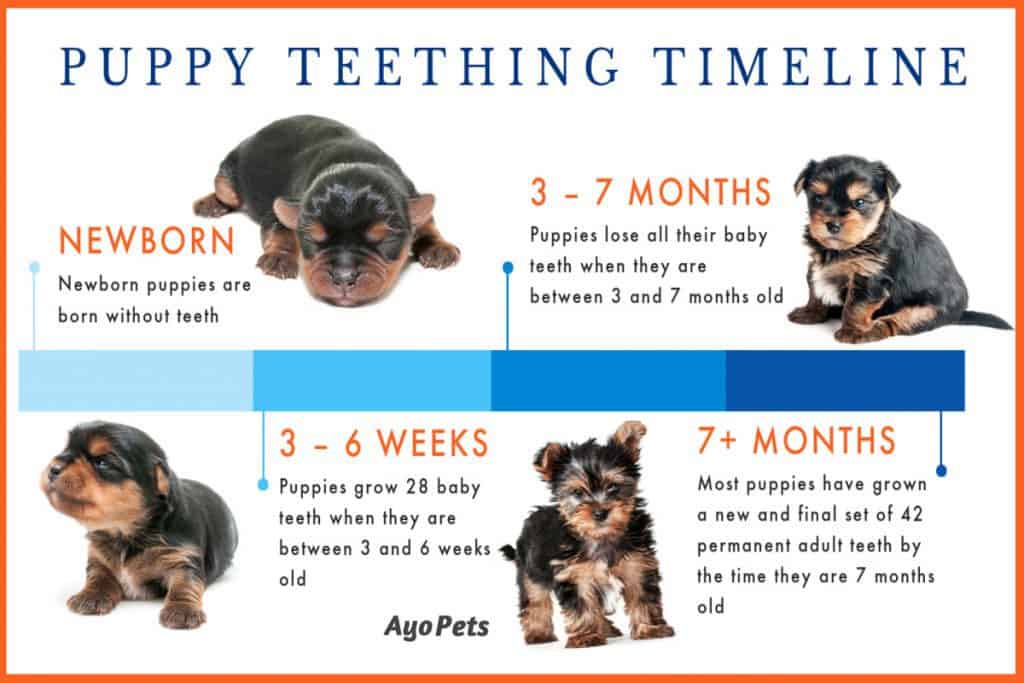
Distinguishing between typical developmental teething behavior and a pathological biting 3 month old puppy involves evaluating the frequency, intensity, and emotional state behind the canine’s actions. At twelve weeks of age, juveniles possess twenty-eight sharp deciduous teeth that erupt through tender gums, prompting an intense physical need to chew, grasp, and alleviate oral discomfort. While normal nipping occurs during active play and subsides quickly when redirected, severe or obsessive mouthing often persists despite calm disengagement, is accompanied by stiff body posture, and appears driven by overstimulation or emotional reactivity rather than simple curiosity. Recognizing these nuances helps caregivers avoid mislabeling standard developmental milestones as malicious aggression, ensuring that responses remain supportive rather than punitive.
Evaluating the Physical, Emotional, and Environmental Drivers
Unusual mouthing intensity is frequently influenced by physiological discomfort, environmental stressors, or insufficient rest rather than purely behavioral defiance. Young canines experiencing heavy teething pain, overtiredness, or inconsistent daily routines often struggle to regulate their arousal levels, leading to compulsive biting episodes that resemble a pathological biting 3 month old puppy scenario. In addition, erratic human reactions, such as squealing, running, or pulling away abruptly, can inadvertently transform mouthing into an exciting game of chase, reinforcing the very habit caregivers wish to discourage. Establishing predictable daily schedules and providing appropriate outlets for mental stimulation helps reduce the baseline stress that often fuels frantic biting behaviors.
Young canines require up to eighteen to twenty hours of sleep per day to support proper neurological development and emotional regulation — — American Kennel Club (AKC)
Implementing Evidence-Based Management and Redirection Strategies
Addressing intense mouthing effectively relies on proactive environmental management, clear communication, and consistent redirection toward appropriate chew items. When managing a pathological biting 3 month old puppy, caregivers should keep a variety of textured, safe chew toys readily accessible in every room to intercept teeth before skin contact occurs. If unwanted mouthing happens, calmly freezing movement and removing attention for a brief moment teaches the young animal that biting causes the fun to stop immediately. Pairing this technique with structured Dog Training sessions helps reinforce alternative behaviors, such as sitting quietly or holding a toy, which earn praise and rewards.
Best Practices and Common Mistakes to Avoid During Teething
Consistency and patience remain paramount when shaping the behavior of a rapidly growing juvenile, while harsh corrections must be strictly avoided. A frequent mistake involves using hands to push the puppy away or shouting, which many juveniles interpret as an invitation to engage in rough play or a sign of social conflict. Instead, caregivers should focus on positive Dog Nutrition by offering frozen rubber toys filled with safe, approved purees to soothe aching gums naturally. Monitoring interactions closely ensures that children and guests do not inadvertently encourage rough mouthing through erratic movements or high-pitched vocalizations that trigger predatory instincts.
Early socialization and structured bite inhibition classes significantly reduce the frequency of problematic biting in young canines — American Veterinary Medical Association (AVMA)
Pet Care & Wellness Overview Table
| Life Stage | Daily Activity Level | Key Nutrition / Care Focus |
|---|---|---|
| Puppy / Kitten | High (frequent short bursts) | High-protein growth diet & early socialization |
| Adult Companion | Moderate (30–60 mins daily) | Balanced maintenance nutrition & dental hygiene |
| Senior Pets | Low to Gentle (mindful walks) | Joint support (Glucosamine) & routine vet checks |
Images References





Temperament, Breed Tendencies, and Developmental Factors
Individual genetic predispositions and heritage play a substantial role in how intensely a young canine interacts with its environment through the mouth. Herding breeds, working lines, and terriers often display higher prey drive and greater oral tenacity during early development, making them more prone to displaying the characteristics associated with a pathological biting 3 month old puppy. Understanding these breed-specific traits allows owners to tailor appropriate outlets for mental and physical energy, ensuring the animal receives constructive jobs that satisfy natural instincts without compromising household harmony.
When to Seek Guidance from Veterinary Professionals and Behaviorists
Consulting a qualified professional becomes essential if mouthing is accompanied by rigid freezing, unprovoked growling, or an inability to calm down despite optimal rest and management. Persistent behavioral concerns warrant a comprehensive evaluation through Dog Health examinations to rule out underlying pain, neurological issues, or medical discomfort that may be lowering the animal’s threshold for tolerance. For ongoing behavioral challenges, partnering with a certified professional who utilizes humane, science-based methods ensures the development of a tailored plan that prioritizes long-term well-being.
Supporting Healthy Development Through Informed Care
Navigating the intense mouthing phase demands unwavering consistency, deep empathy, and a strong commitment to positive guidance as the young canine matures. By exploring resources dedicated to Dog Care and Dog Behavior, owners can better understand the complex developmental stages of their growing companions. Visit PetsAnimalsWorld.com today to discover expert-backed guides and comprehensive articles designed to help every pet thrive in a safe, nurturing environment.