Introduction
Understanding the intricate relationship between a dog’s mind and its response to training is fundamental for any dedicated owner. The “psychology of dog training” refers to the application of principles derived from canine cognitive science, learning theory, and behavioral studies to effectively teach, manage, and shape a dog’s actions. It moves beyond simply giving commands, delving into how dogs perceive the world, process information, feel emotions, and learn. This approach is crucial because it fosters a deeper bond, prevents and resolves common behavioral issues, and ultimately enhances a dog’s overall well-being and quality of life within a human household. Without an appreciation for canine psychology, training efforts can become frustrating and ineffective, potentially leading to misunderstandings that strain the human-animal relationship. Explore more in our Dog Behavior collection.
💡 Pet Care Key Takeaways:
- Core Focus: Practical health, nutrition, and wellness guidelines for Psychology Of Dog Training.
- Target Scope: Pet owners, animal caregivers, and veterinary support staff.
- Best Recommendation: Maintain consistent daily routines and consult an accredited veterinarian before introducing major diet or medical changes.
Common Causes and Key Factors
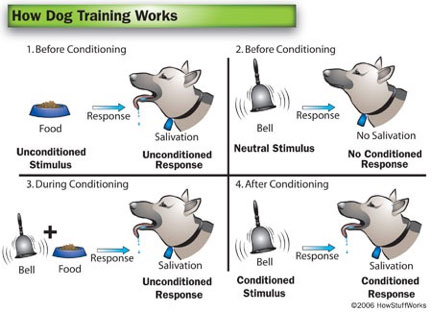
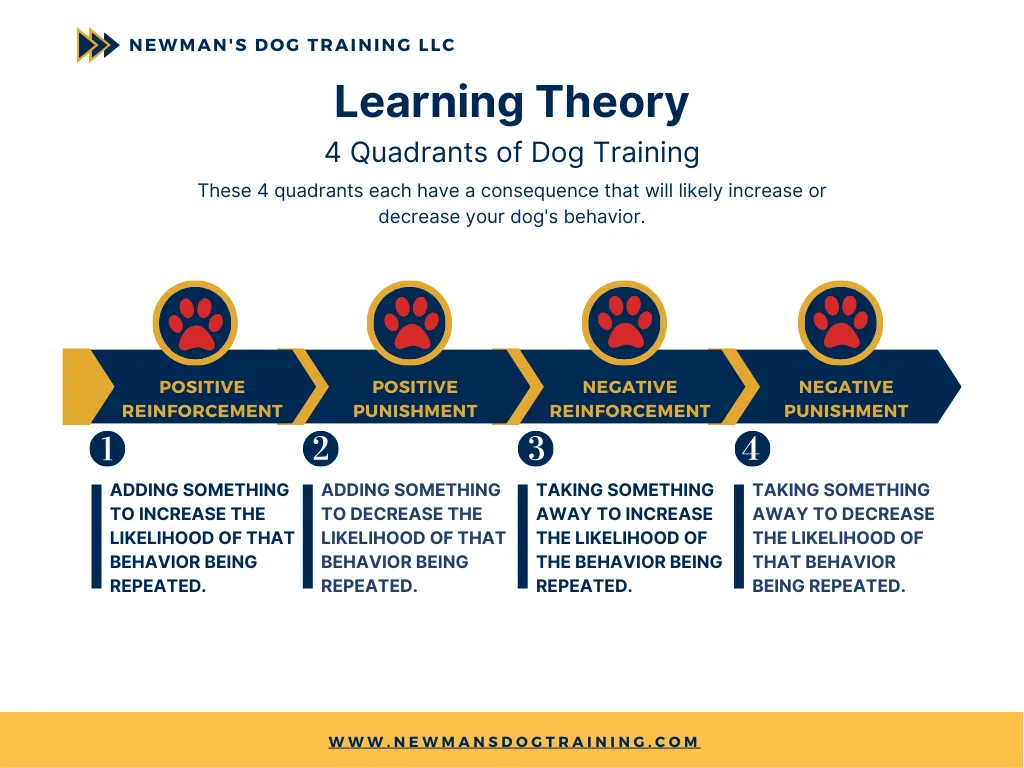
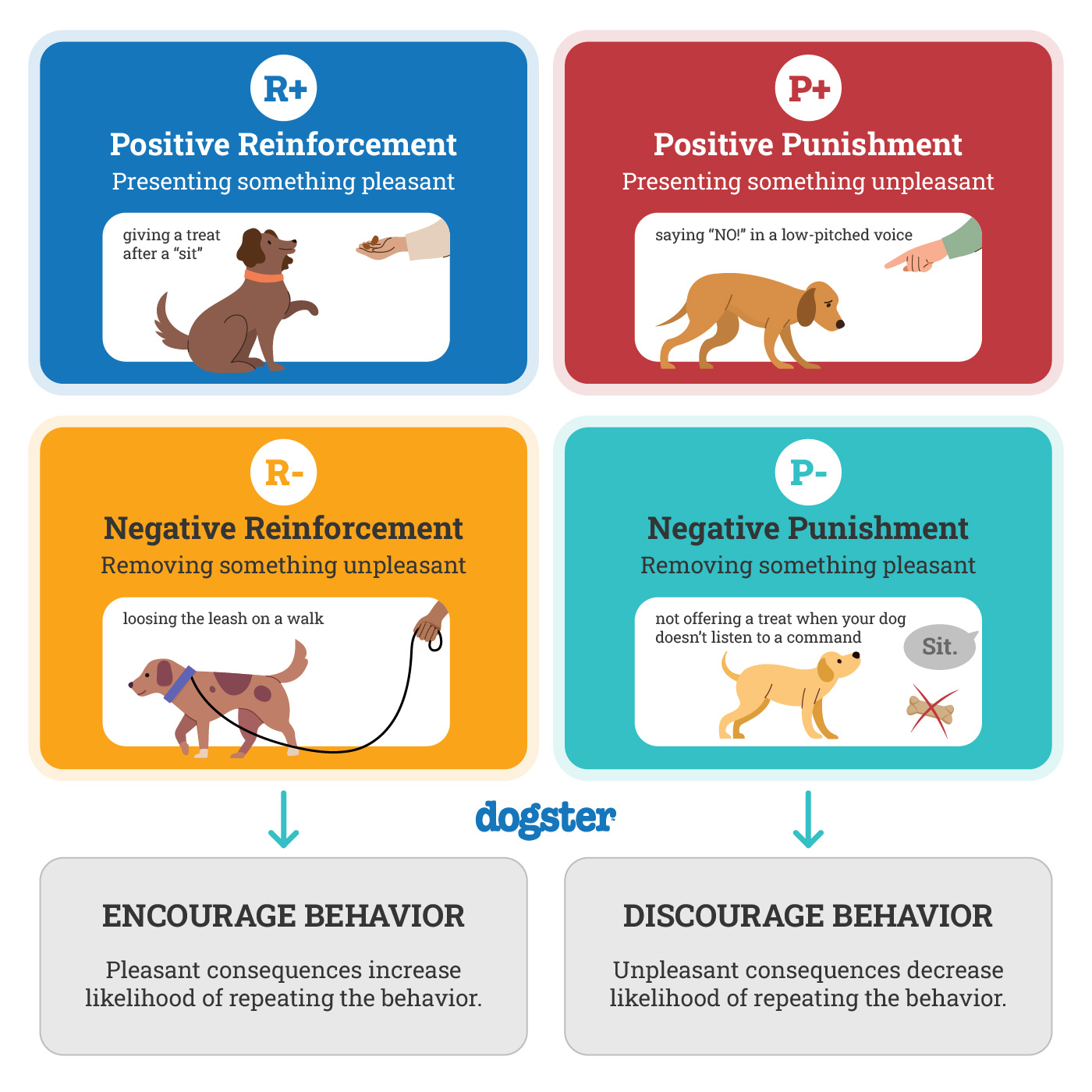
The effectiveness of dog training hinges on several psychological factors. At its core is learning theory, primarily operant and classical conditioning. Operant conditioning explains how behaviors are strengthened or weakened by their consequences. Positive reinforcement, where a desirable behavior is followed by a reward, is a cornerstone of humane and effective training due to its ability to create positive associations and motivation. Conversely, understanding how a dog learns through association (classical conditioning) helps in managing emotional responses to various stimuli. For more related activities, check out our Xolo Dog Behavior.
Canine cognition also plays a significant role. Dogs possess unique sensory perceptions, relying heavily on scent and sound, which can greatly influence their attention and responsiveness during training. Their ability to solve problems, interpret human cues, and remember past experiences shapes their learning curve. Furthermore, emotional states like fear, anxiety, excitement, or frustration profoundly impact a dog’s capacity to learn. A stressed or anxious dog is less likely to absorb new information or respond appropriately to cues. Discover more free resources across our collection library.
Breed predispositions and individual temperament contribute to a dog’s natural tendencies and learning style. Some breeds are genetically inclined towards certain behaviors or possess higher drive, while individual dogs within the same breed can vary greatly in their confidence levels and reactivity. Finally, environmental factors and early socialization are critical. A dog’s experiences during its formative weeks and months shape its understanding of the world, influencing its comfort level with novel situations, people, and other animals all of which bear directly on its trainability and behavior.
Signs and Symptoms to Observe
Observing a dogs behavior is key to understanding its psychological state during training. Signs that indicate a dog may be struggling or that current training methods are not aligning with its psychology include resistance to training. This can manifest as disinterest, refusal to perform commands, or excessive distraction, suggesting a lack of motivation or an inability to focus due to stress or confusion.
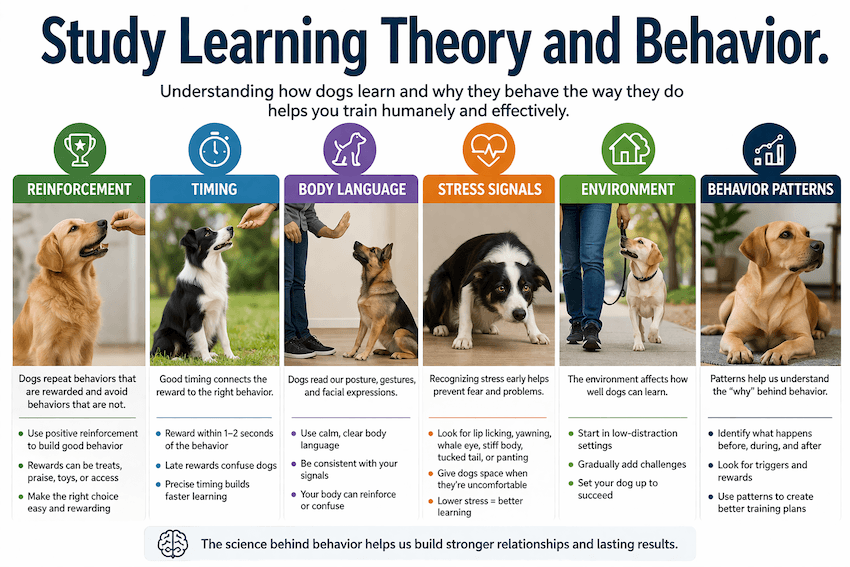
Stress signals are common indicators that a dog is uncomfortable or overwhelmed. These subtle cues include lip licking, yawning (when not tired), repetitive panting, tail tucked low, avoidance of eye contact, or repetitive pacing. In more intense situations, dogs may exhibit shaking, hiding, or even growling and snapping as defensive reactions driven by fear or anxiety.
Frustration can lead to excessive barking, digging, destructive chewing, or attention-seeking behaviors, particularly when a dog does not understand what is expected or is unable to achieve a desired outcome. Conversely, over-excitement can manifest as uncontrollable jumping, nipping, or an inability to settle, indicating a need for impulse control training rooted in understanding their emotional arousal. Any sudden regression in learned behaviors or an increase in reactivity towards specific triggers also warrants close observation, as it may signal underlying psychological distress or a mismatch in training approaches.
Practical Solutions and Management Strategies
Effective dog training leverages psychological principles to create a positive and productive learning environment. The bedrock of this approach is positive reinforcement, rewarding desired behaviors with high-value treats, praise, or toys. This method strengthens the desired action by creating a positive association, encouraging the dog to repeat it willingly. Crucially, timing and consistency are paramount; the reward must be delivered immediately after the desired behavior.
Understanding a dog’s individual learning style and adapting training accordingly is essential. Some dogs thrive on visual cues, while others respond better to verbal commands. Creating a structured, predictable routine helps dogs feel secure and understand expectations. Environmental management is another powerful tool; by preventing opportunities for unwanted behaviors (e.g., securing tempting items, using crates responsibly), dogs are set up for success, reducing frustration for both dog and owner.
Clear and consistent communication is vital. Using the same verbal cues and body language for specific commands prevents confusion. Building a strong, trusting bond through positive interactions, engaging play, and mutual respect further motivates a dog to learn and cooperate. Additionally, providing ample mental and physical enrichment through puzzle toys, regular exercise, and exploration helps to satisfy a dog’s natural instincts, reducing boredom and stress that can lead to behavioral issues. When addressing unwanted behaviors, focusing on redirecting the dog towards an appropriate alternative rather than solely punishing the undesirable action fosters a more resilient and confident learner.
When Professional Help May Be Needed
While many common behavioral challenges can be addressed with consistent, psychologically informed training, there are situations where professional intervention becomes invaluable. Owners should consider seeking expert guidance when confronted with persistent or escalating behavioral issues, especially those involving aggression towards humans or other animals, severe anxiety (e.g., separation anxiety, generalized anxiety), or destructive behaviors that defy standard management strategies.
Professional help is also warranted when previous training attempts have proven unsuccessful, leading to owner frustration or a feeling of being overwhelmed. Behavioral problems that pose a safety risk to the dog, other pets, or people in the household require immediate expert assessment. Consulting with a certified professional dog trainer, a certified animal behaviorist, or a veterinary behaviorist can provide tailored strategies, identify underlying medical conditions contributing to behavior, and offer advanced techniques not typically accessible to the average owner. These professionals possess a deep understanding of canine psychology and can effectively diagnose and create comprehensive behavior modification plans.
Conclusion
The psychology of dog training forms the bedrock of a harmonious and effective relationship between dogs and their human companions. By focusing on how dogs perceive, learn, and feel, owners can move beyond rote commands to truly understand their canine friends. Embracing positive reinforcement, clear communication, consistent application, and environmental awareness are not merely training techniques, but expressions of respect for a dog’s inherent nature. Continued observation and a commitment to understanding canine behavior ensure that training is not just about obedience, but about fostering a well-adjusted, confident, and happy dog. This informed approach leads to not only a better-behaved companion but also a stronger, more fulfilling bond for both dog and owner, aligning perfectly with the educational mission of petsanimalsworld.com.
Pet Care & Wellness Overview Table
| Life Stage | Daily Activity Level | Key Nutrition / Care Focus |
|---|---|---|
| Puppy / Kitten | High (frequent short bursts) | High-protein growth diet & early socialization |
| Adult Companion | Moderate (30–60 mins daily) | Balanced maintenance nutrition & dental hygiene |
| Senior Pets | Low to Gentle (mindful walks) | Joint support (Glucosamine) & routine vet checks |
Images References