

Introduction
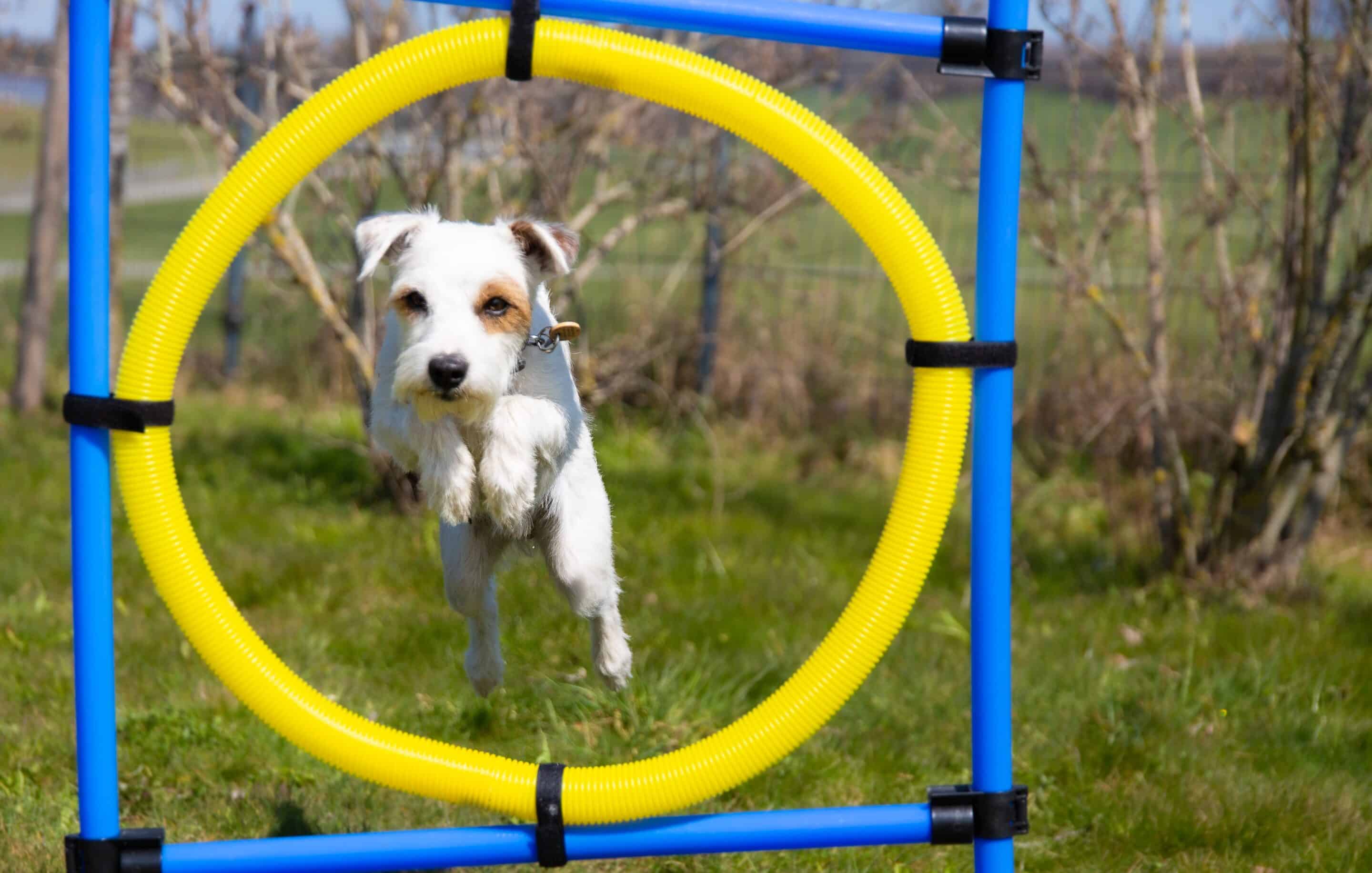
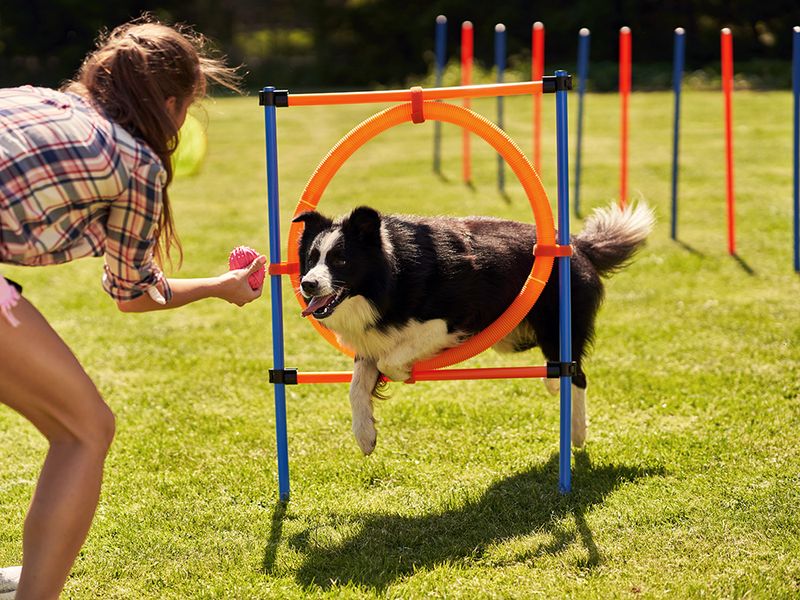
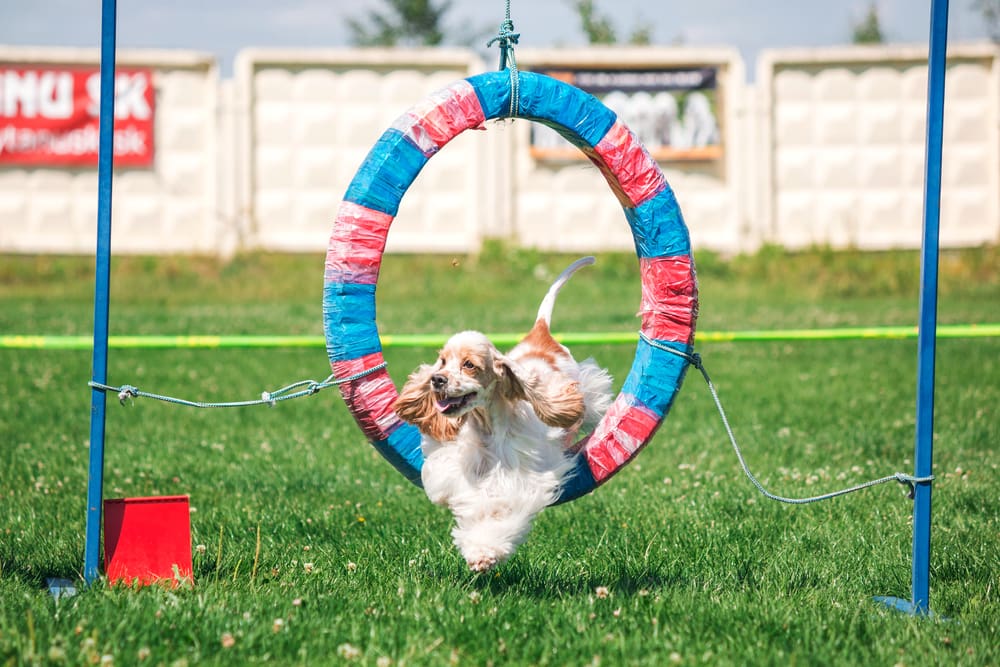
Puppy agility training involves guiding a young dog through a series of obstacles, such as tunnels, jumps, and weave poles, typically under the direction of a handler. This activity is a dynamic and engaging canine sport that combines physical exercise with mental stimulation. Introducing puppies to agility at an appropriate age provides numerous benefits beyond just physical fitness. It serves as an excellent outlet for a puppy’s abundant energy, helping to prevent boredom and destructive behaviors often stemming from a lack of engagement. Furthermore, it plays a crucial role in developing a puppy’s confidence, refining their motor skills, and strengthening the bond between the dog and its owner through shared, positive experiences. Understanding the principles of safe and age-appropriate puppy agility training can significantly improve a dogs overall well-being, behavior, and quality of life by fostering a well-rounded and happy companion.
💡 Pet Care Key Takeaways:
- Core Focus: Practical health, nutrition, and wellness guidelines for Puppy Agility Training.
- Target Scope: Pet owners, animal caregivers, and veterinary support staff.
- Best Recommendation: Maintain consistent daily routines and consult an accredited veterinarian before introducing major diet or medical changes.
Common Causes and Key Factors
The initiation of puppy agility training is driven by several key factors and can be highly beneficial for a dog’s development. Many puppies possess an inherent desire for activity and exploration, traits that agility training effectively channels into constructive outlets. High-energy breeds, in particular, often benefit immensely from structured activities that burn off excess energy and provide a sense of purpose. For more related activities, check out our How Much Do Animal Behaviorists Cost.
Another significant factor is the need for mental stimulation. Intelligent puppies thrive on challenges that engage their minds, and agility courses require problem-solving, focus, and quick decision-making. This mental engagement can prevent boredom, which often manifests as unwanted behaviors like excessive barking or chewing.
The desire to strengthen the bond between a dog and its owner is also a powerful motivator. Collaborative activities like agility build trust and communication, creating a deeper, more harmonious relationship. Early introduction to agility concepts, even in a modified form, also helps to establish a strong foundation in body awareness and responsiveness, which are crucial for a puppy’s overall development and future training endeavors. The emphasis during this early stage is always on fostering a positive experience and protecting the puppy’s developing joints and musculoskeletal system.
Signs and Symptoms to Observe
Observing a puppy’s behavior can provide valuable insights into its readiness and potential enjoyment of agility training. Puppies that exhibit high energy levels, constantly seeking engagement and play, are often excellent candidates. A strong curiosity and enthusiastic response to new environments or toys also indicate a potential aptitude for agility.
Good focus and responsiveness during basic obedience training are positive indicators. Puppies that demonstrate a willingness to learn and an ability to maintain attention for short periods will likely adapt well to the structured nature of agility. Physical coordination, even if slightly clumsy at a young age, coupled with a natural inquisitiveness about navigating obstacles, suggests a puppy may benefit from the sport.
Furthermore, certain breeds are genetically predisposed to activities requiring agility, speed, and problem-solving, often showing an early inclination towards such challenges. Regardless of breed, a general desire to please and work alongside an owner is a universal sign that a puppy is likely to thrive in this cooperative sport. Owners should always prioritize the puppy’s enjoyment and comfort over performance.
Practical Solutions and Management Strategies
Introducing puppies to agility training requires a careful, age-appropriate, and positive approach to ensure both safety and enjoyment. The foundation of any agility work begins with solid basic obedience, including commands such as “sit,” “stay,” “come,” and a reliable recall. These commands are essential for safety and control on an agility course.
For very young puppies (under six months), training should focus on confidence-building and body awareness. This involves introducing low-impact activities:
- Tunnels: Begin with short, straight tunnels placed flat on the ground. Encourage the puppy to walk through, using toys or treats.
- Flat Planks: Use a wide, sturdy board placed directly on the ground for the puppy to walk over, building comfort with different surfaces. Avoid any jumping or impact activities.
- Weave Poles: Start with only a few poles spaced widely apart, guiding the puppy through them in a straight line, rather than weaving.
- Balance Boards: Use very low, stable platforms to help the puppy understand body weight distribution.
Sessions should be kept very short, typically 5-10 minutes, to maintain the puppy’s attention and prevent overexertion. Positive reinforcement, using high-value treats, praise, and favorite toys, is crucial to make every experience fun and rewarding.
As puppies mature (six to twelve months), and with veterinary clearance, obstacles can be gradually introduced with extreme caution. Jumps should be set at the lowest possible height, or even just be a bar laid on the ground for the puppy to step over. Contact obstacles like A-frames and dog walks should be kept very low, or introduced by having the puppy walk on the flat approach ramps, avoiding the steep incline and descent. Emphasize proper technique and safety over speed or height. Always use safe, puppy-sized or adjustable agility equipment. Regular rest periods and a focus on enjoying the process are paramount, ensuring the puppy develops a positive association with agility without stressing developing joints.
When Professional Help May Be Needed
While many aspects of puppy agility training can be introduced at home, there are specific situations where professional guidance becomes highly beneficial or even necessary. If a puppy exhibits consistent fear or anxiety around obstacles, or struggles significantly with basic obedience commands despite consistent effort, a certified professional dog trainer can provide tailored strategies and support.
Behavioral challenges such as excessive excitement, reactivity towards other dogs, or difficulty focusing that impede training progress are also indicators for seeking expert help. A professional can assess the puppy’s temperament and suggest appropriate training modifications or behavioral interventions.
Any signs of lameness, discomfort, or an unusual gait during or after activity warrant immediate veterinary consultation. A veterinarian can rule out underlying health issues or structural concerns that might make agility unsuitable or require specific adaptations. For owners aspiring to participate in competitive agility, professional instructors offer invaluable expertise in teaching correct form, complex sequences, and advanced handling techniques safely. They ensure that both the puppy and handler develop skills properly, minimizing injury risk and maximizing performance. When an owner feels uncertain about the safety or efficacy of their training methods, or needs assistance with equipment use, a professional trainer provides reassurance and knowledgeable direction.
Conclusion
Puppy agility training offers a profoundly rewarding avenue for enhancing a dog’s life, contributing significantly to physical health, mental acuity, and the vital bond between a dog and its owner. By providing a structured outlet for energy and intellect, it fosters a confident, well-behaved, and engaged companion. The journey into agility should always prioritize safety, fun, and positive reinforcement, with a clear understanding of age-appropriate activities to protect a puppys developing body. Consistent observation of a puppy’s responses and a willingness to adapt training methods are key to success. Embracing puppy agility training means investing in a dog’s holistic well-being, paving the way for a vibrant, enriched life together.
Pet Care & Wellness Overview Table
| Life Stage | Daily Activity Level | Key Nutrition / Care Focus |
|---|---|---|
| Puppy / Kitten | High (frequent short bursts) | High-protein growth diet & early socialization |
| Adult Companion | Moderate (30–60 mins daily) | Balanced maintenance nutrition & dental hygiene |
| Senior Pets | Low to Gentle (mindful walks) | Joint support (Glucosamine) & routine vet checks |
Images References




For more expert pet care tips and advice, check out our dedicated Dog Training guides to keep your companions healthy and happy.




