

Introduction
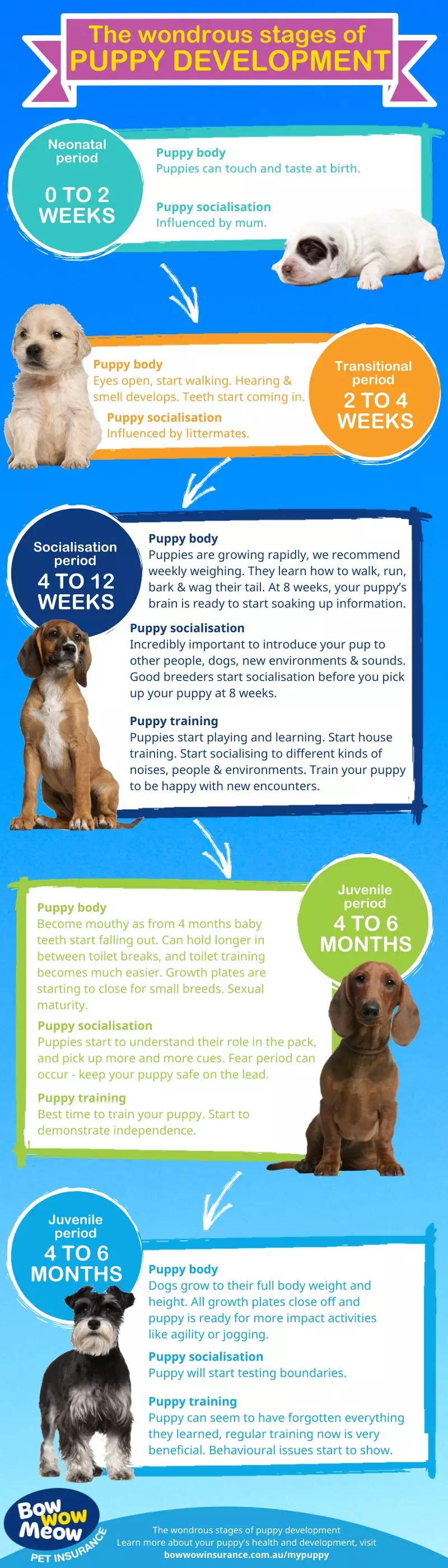
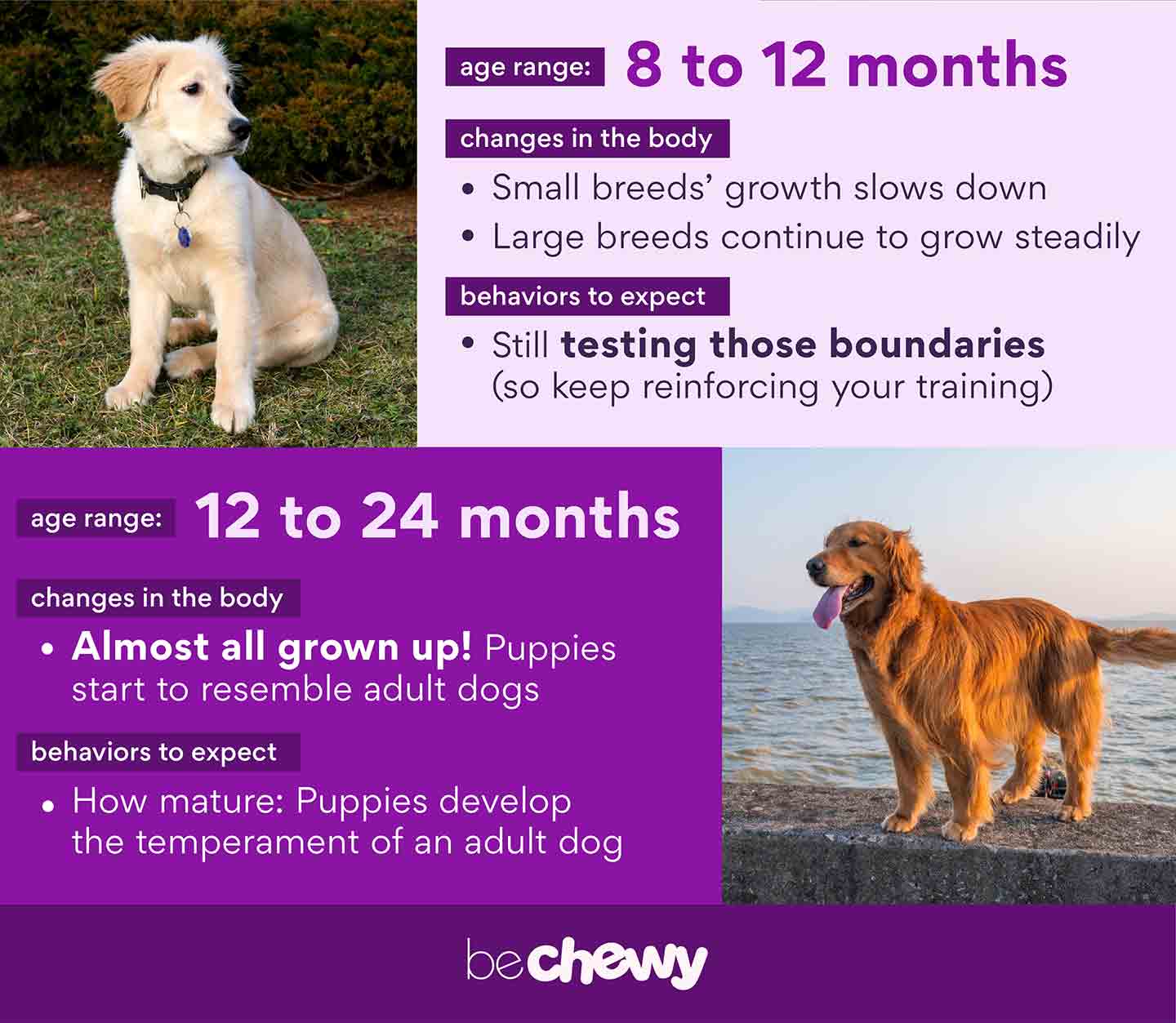
The six-month mark for a puppy represents a significant milestone, transitioning from early puppyhood into adolescence. Understanding “puppy behaviour 6 months” is crucial for any dog owner, as this period often brings about notable changes in temperament, energy levels, and responsiveness. This phase is akin to human teenage years, characterized by exploration, testing boundaries, and a surge in independence. Neglecting to acknowledge and address these evolving behaviors can lead to misunderstandings, frustration, and potential behavioral challenges later in life. By gaining insight into the typical developmental stages and accompanying behaviors at this age, owners can proactively guide their growing companion, fostering a well-adjusted, confident, and harmonious relationship, ultimately improving the dog’s well-being and overall quality of life.
💡 Pet Care Key Takeaways:
- Core Focus: Practical health, nutrition, and wellness guidelines for Puppy Behaviour 6 Months.
- Target Scope: Pet owners, animal caregivers, and veterinary support staff.
- Best Recommendation: Maintain consistent daily routines and consult an accredited veterinarian before introducing major diet or medical changes.
Common Causes and Key Factors
The distinctive behaviors observed in puppies around six months of age are driven by a combination of biological, developmental, and environmental factors. A primary cause is the onset of canine adolescence, a crucial developmental stage marked by significant hormonal shifts. For male puppies, testosterone levels begin to rise, potentially leading to increased marking behavior and a greater interest in female dogs. Female puppies may approach their first heat cycle, bringing hormonal fluctuations that can influence mood and behavior. For more related activities, check out our How Do You Correct A Dog’S Behavior.
Brain development also plays a critical role. While puppies are gaining cognitive abilities, impulse control and decision-making centers are still maturing. This often manifests as selective hearing, a tendency to ignore known commands, and a seemingly rebellious streak as the puppy tests established rules and boundaries. Furthermore, growth spurts at this age contribute to an abundance of energy, requiring ample physical and mental stimulation. Insufficient outlets for this energy can lead to destructive behaviors, excessive barking, or boisterous play. Environmental consistency, or a lack thereof, also heavily influences how these innate developmental changes manifest, with inconsistent training or unclear expectations exacerbating behavioral challenges.
Signs and Symptoms to Observe
Observing a puppy at six months reveals a range of behaviors indicative of this transitional phase. One common sign is increased independence and a noticeable tendency to “test” established boundaries. This may present as ignoring recall commands, counter-surfing for food, or destructive chewing on inappropriate items even if previously trained. Energy levels typically surge, leading to more frequent “zoomies,” intense play sessions, and a greater demand for exercise. If this energy is not adequately channeled, it can result in restlessness, digging, or excessive barking.
Social interactions may also evolve. Puppies might show a heightened interest in other dogs, sometimes displaying boisterous or less inhibited play. For some, a second “fear period” can occur around this age, where previously confident puppies may suddenly become wary or fearful of new experiences, people, or objects. Mouthiness or nipping, while often reduced from early puppyhood, can persist as a learned behavior for attention-seeking or a habit from teething, even if the primary teething phase is largely complete. Physical changes include improved coordination and gait, making their movements less clumsy than during earlier months. The timing and intensity of these signs can vary significantly based on the dog’s breed, individual temperament, and early socialization experiences.
Practical Solutions and Management Strategies
Successfully navigating the six-month mark requires a proactive and consistent approach to training, exercise, and management. Reinforcing basic obedience commands is paramount; this is the time to “proof” behaviors by practicing in various environments with increasing distractions. Employing positive reinforcement techniques, such as rewarding desired actions with treats, praise, or toys, remains the most effective way to build a strong behavioral foundation.
Providing ample physical exercise and mental enrichment is critical for managing the puppy’s surging energy. Daily walks, structured play sessions, puzzle toys, and scent work can help channel energy productively and prevent destructive behaviors. Consistent boundary setting is also essential; ensure all household members adhere to the same rules regarding acceptable behaviors, access to furniture, and feeding protocols. Management strategies, such as continued use of a crate for safe containment or puppy-proofing areas of the home, can prevent undesirable behaviors before they start. Continued, positive socialization with a variety of people, places, and well-behaved dogs is vital to ensure the puppy develops into a confident and well-adjusted adult. Discussions with a veterinarian about spaying or neutering should also occur around this age, considering both health and potential behavioral implications.
When Professional Help May Be Needed
While many behaviors observed at six months are typical for an adolescent puppy, there are situations where seeking professional guidance becomes advisable. Persistent or escalating aggression, such as growling, snapping, or biting towards people or other animals, warrants immediate attention from a qualified professional. Excessive fear or anxiety that significantly impacts the puppy’s daily life, leading to extreme reactivity, hiding, or trembling in common situations, also suggests a need for intervention.
Other indicators include severe destructive behavior that cannot be managed through environmental changes or increased enrichment, sudden and unexplained regression in house-training after being reliably potty-trained, or an inability of owners to control the puppy’s behavior despite consistent effort. Any unexplained lethargy, changes in appetite, or other physical symptoms should prompt a veterinary consultation to rule out underlying health issues. In cases of persistent behavioral challenges, consulting a certified professional dog trainer or a veterinary behaviorist can provide tailored strategies and support, helping to address specific issues and ensure the puppy develops into a well-behaved adult companion.
Conclusion
The six-month mark is a pivotal stage in a puppy’s development, presenting both exciting progress and unique challenges. Understanding “puppy behaviour 6 months” empowers owners to navigate this adolescent period with patience, consistency, and insight. The characteristic testing of boundaries, surge in energy, and evolving social dynamics are normal aspects of growth. By providing consistent training, ample enrichment, clear boundaries, and continued positive socialization, owners can effectively guide their companions through this crucial phase. Awareness, observation, and proactive management are key to fostering a strong bond and ensuring the development of a well-adjusted, happy adult dog. Seeking professional advice when faced with persistent or concerning behaviors ensures that any issues are addressed promptly, supporting the long-term well-being of the cherished family member.
Pet Care & Wellness Overview Table
| Life Stage | Daily Activity Level | Key Nutrition / Care Focus |
|---|---|---|
| Puppy / Kitten | High (frequent short bursts) | High-protein growth diet & early socialization |
| Adult Companion | Moderate (30–60 mins daily) | Balanced maintenance nutrition & dental hygiene |
| Senior Pets | Low to Gentle (mindful walks) | Joint support (Glucosamine) & routine vet checks |
Images References





For more expert pet care tips and advice, check out our dedicated Dog Behavior guides to keep your companions healthy and happy.




