

Introduction
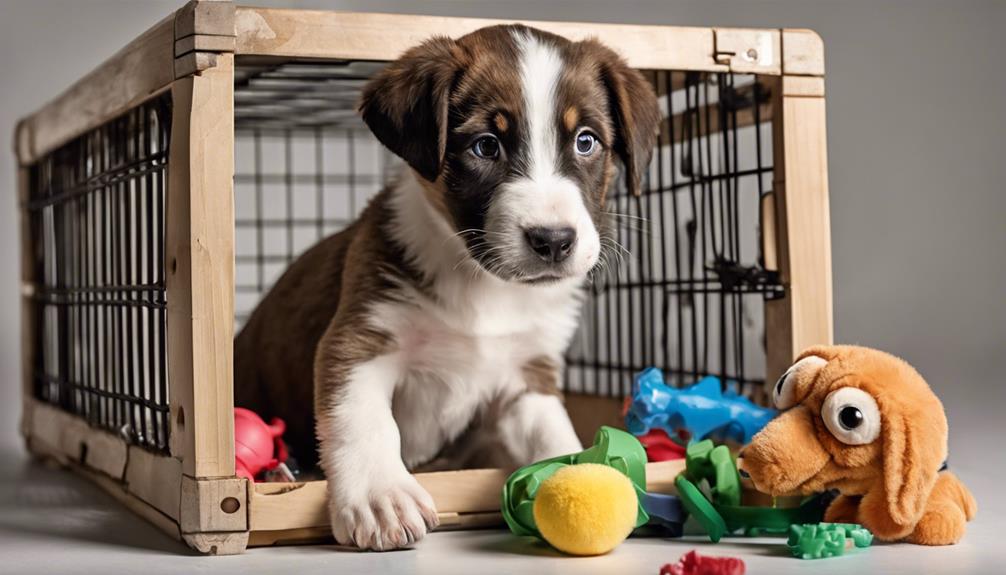
The sight of a puppy chewing its crate can be a common, and sometimes concerning, experience for dog owners. This behavior, where a young dog mouths, gnaws, or bites at the bars or floor of its enclosure, often signals underlying needs or developmental stages. Understanding why a puppy engages in crate chewing is crucial for ensuring its safety, promoting healthy behavioral development, and maintaining a positive relationship with its confinement space. Addressing this issue effectively can prevent potential injury, mitigate property damage, and significantly improve a dogs comfort and well-being within its crate, which is intended as a secure den.
💡 Pet Care Key Takeaways:
- Core Focus: Practical health, nutrition, and wellness guidelines for Puppy Chewing Crate.
- Target Scope: Pet owners, animal caregivers, and veterinary support staff.
- Best Recommendation: Maintain consistent daily routines and consult an accredited veterinarian before introducing major diet or medical changes.
Common Causes and Key Factors
Several factors contribute to a puppy’s tendency to chew on its crate. One primary reason is teething. Puppies experience discomfort as their adult teeth emerge, and chewing provides relief by massaging their gums. The hard surfaces of a crate can be particularly appealing during this period. For more related activities, check out our Dog Care Electric Collar.
Boredom and lack of mental stimulation also play a significant role. Without sufficient exercise, interactive play, or challenging toys, a puppy may resort to chewing its crate out of sheer idleness, seeking an outlet for its energy and natural exploratory instincts.
Anxiety, particularly separation anxiety or confinement anxiety, can manifest as destructive chewing. A puppy feeling isolated or distressed when left alone in a crate may attempt to chew its way out, viewing the crate as a barrier rather than a safe haven. This can be exacerbated by improper crate training methods or an overly large crate that does not provide a den-like feel.
Furthermore, exploration is a natural canine behavior. Puppies use their mouths to investigate their environment, and the crate, being a prominent part of their space, becomes a subject of this tactile exploration. Incorrect crate size, where the crate is either too small or too large, can also contribute. A crate that is too small can increase anxiety, while one that is too large might allow enough space for a puppy to eliminate in one corner and chew in another, disrupting the den concept.
Signs and Symptoms to Observe
Recognizing the signs of problematic crate chewing involves observing both the puppy’s behavior and the condition of the crate. A common indicator is visible damage to the crate itself, such as bent bars, chew marks on plastic trays, or worn fabric liners if applicable. Small pieces of plastic or metal around the crate might also indicate ingestion, which is a serious concern.
Behavioral signs include excessive licking, mouthing, or gnawing at the crate walls, often accompanied by focused attention on the crate structure. A puppy might also exhibit vocalizations like whining or barking while chewing, especially if the behavior is linked to anxiety. Some puppies may appear agitated or stressed when placed in the crate, immediately resorting to chewing as a coping mechanism. The presence of these signs can vary depending on the puppy’s age, with younger puppies more likely to chew due to teething or exploration, while older puppies might display anxiety-driven chewing.
Practical Solutions and Management Strategies
Addressing puppy chewing crate requires a multi-faceted approach focused on prevention, redirection, and positive reinforcement. One essential strategy involves providing an abundance of appropriate chew toys. These should be durable, size-appropriate, and offer varying textures to satisfy a puppy’s chewing needs. Rotating toys regularly helps maintain interest.
Ensuring a puppy receives sufficient physical exercise and mental stimulation before being crated can significantly reduce boredom-driven chewing. Daily walks, play sessions, and interactive puzzle toys can expend excess energy and provide mental engagement.
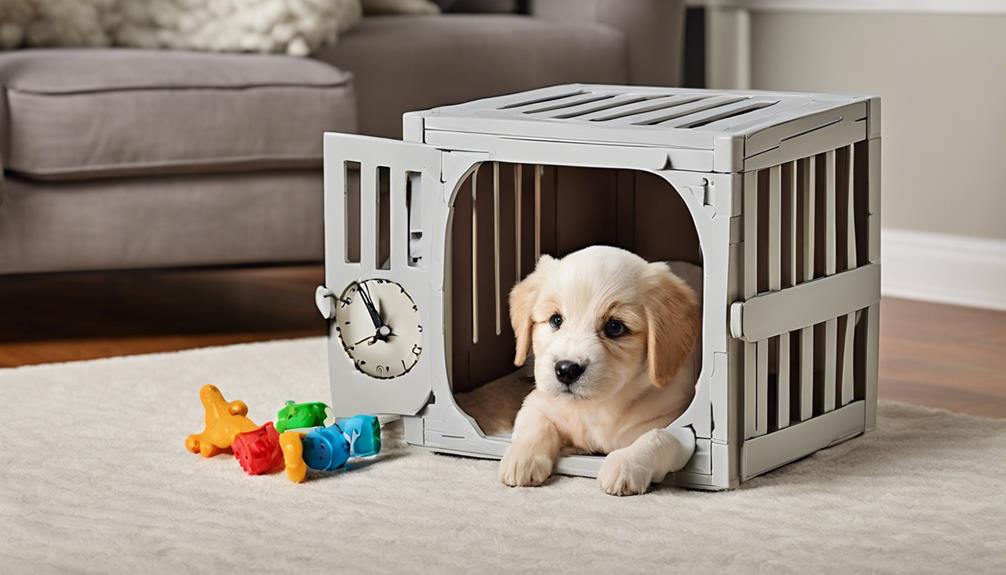
Effective crate training is paramount. The crate should be introduced gradually and associated with positive experiences, such as treats, toys, and comfortable bedding. Never use the crate as punishment. The goal is for the puppy to view the crate as a safe, comfortable den. The crate’s size should be appropriate, allowing the puppy to stand up, turn around, and lie down comfortably, but not so large that it can eliminate in one area and rest in another.
For puppies exhibiting anxiety, gradual desensitization to being alone in the crate can be helpful. This involves leaving the puppy in the crate for very short periods, gradually increasing the duration as comfort levels improve. A cover over the crate can also provide a sense of security and den-like privacy. Some owners find applying a bitter-tasting spray (safe for pets) to the crate bars can deter chewing, though this should be used cautiously and in conjunction with other training methods.
When Professional Help May Be Needed
While many cases of puppy chewing crate can be managed with consistent training and environmental adjustments, certain situations warrant professional intervention. If a puppy’s chewing behavior is persistent, severe, and continues despite the implementation of various management strategies, a consultation with a veterinarian is recommended. This is especially important if there is any suspicion that the puppy has ingested parts of the crate, which can lead to serious internal injuries or blockages.
Additionally, if the chewing is accompanied by signs of severe anxiety, such as excessive drooling, persistent vocalization, self-harm, or frantic attempts to escape, consulting a certified professional dog trainer or a veterinary behaviorist can provide specialized guidance. These professionals can assess the root cause of the anxiety and develop a tailored behavior modification plan that may include counter-conditioning, desensitization, or, in some cases, medication to help manage severe anxiety.
Conclusion
Puppy chewing its crate is a behavior that, while common, requires understanding and a proactive approach. By recognizing the underlying causeswhether it is teething, boredom, anxiety, or natural explorationdog owners can implement effective strategies to redirect this behavior. Providing appropriate chew toys, ensuring sufficient exercise and mental stimulation, and employing positive, consistent crate training are key components of a successful management plan. Awareness of a puppy’s cues, observation of the crate’s condition, and a commitment to its well-being are essential. When in doubt or facing persistent challenges, seeking guidance from veterinary professionals or certified trainers ensures the best possible outcome for the puppy’s safety and emotional health, fostering a positive and secure relationship with its crate environment for years to come.
Pet Care & Wellness Overview Table
| Life Stage | Daily Activity Level | Key Nutrition / Care Focus |
|---|---|---|
| Puppy / Kitten | High (frequent short bursts) | High-protein growth diet & early socialization |
| Adult Companion | Moderate (30–60 mins daily) | Balanced maintenance nutrition & dental hygiene |
| Senior Pets | Low to Gentle (mindful walks) | Joint support (Glucosamine) & routine vet checks |
Images References





For more expert pet care tips and advice, check out our dedicated Dog Behavior guides to keep your companions healthy and happy.




