Introduction
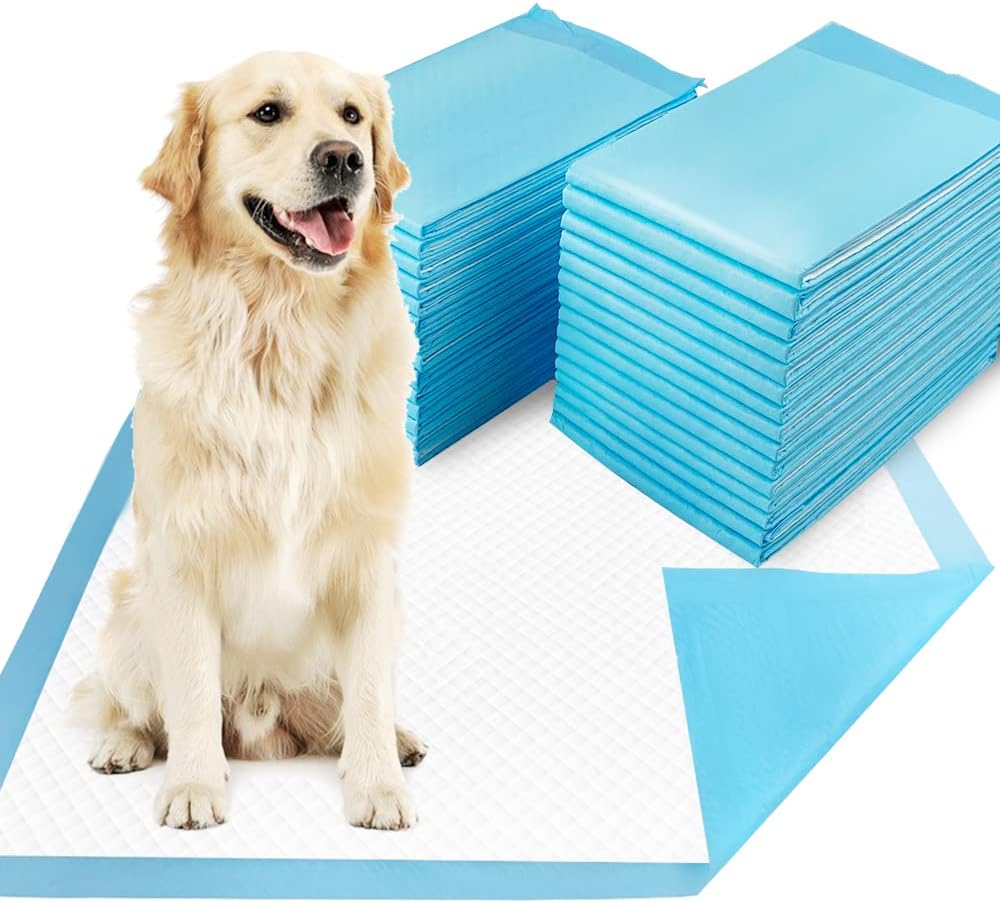
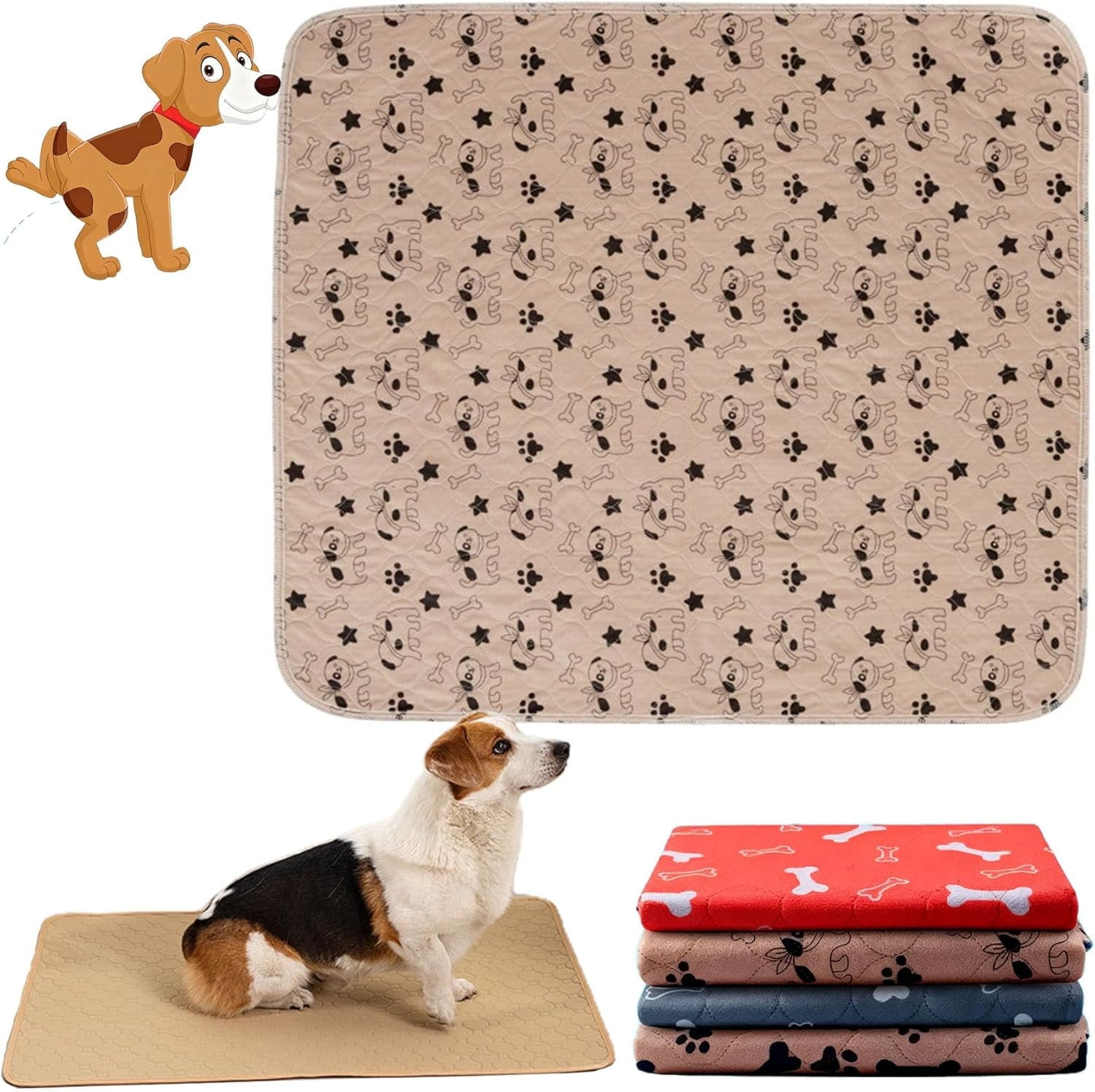
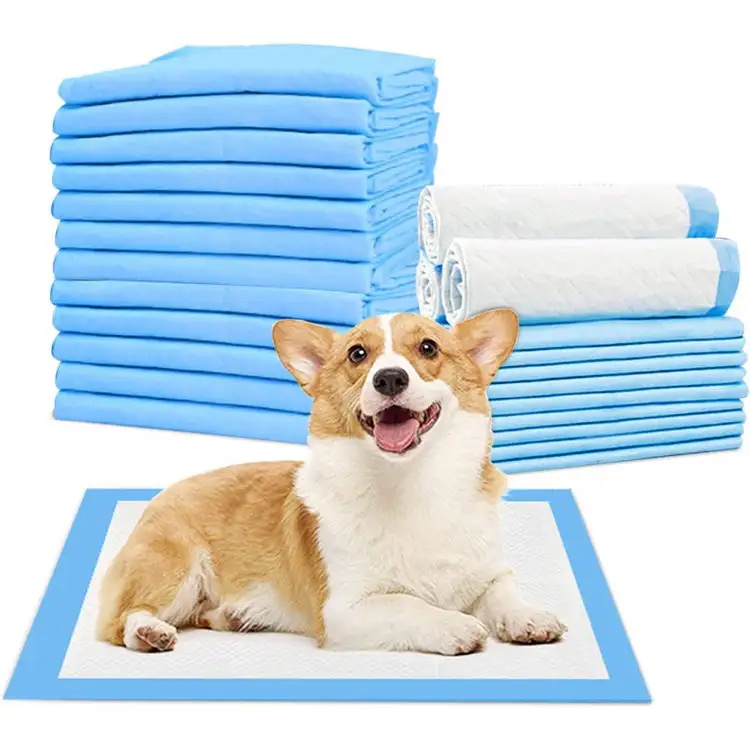
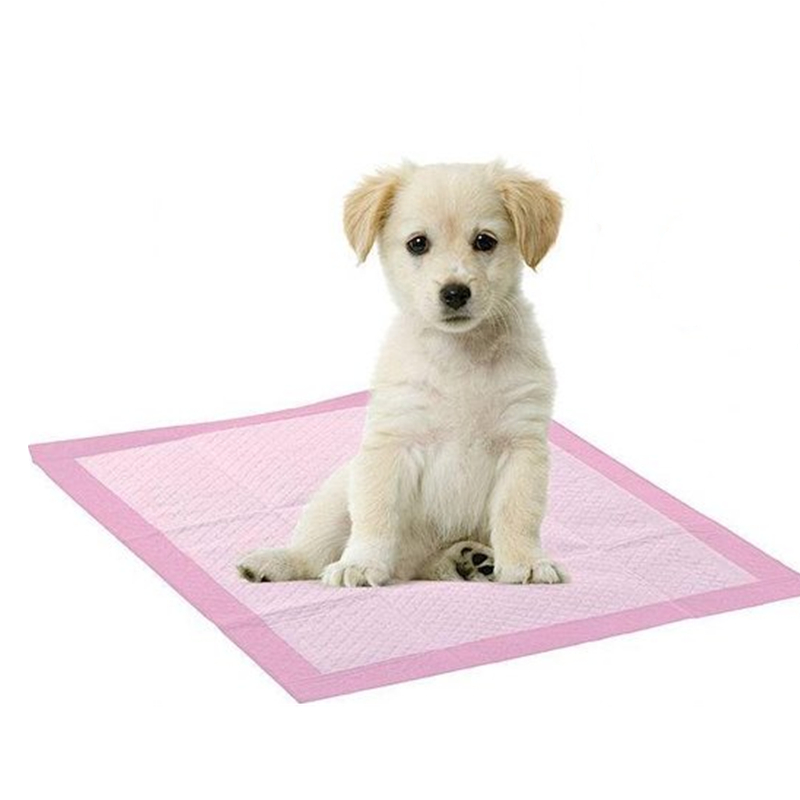
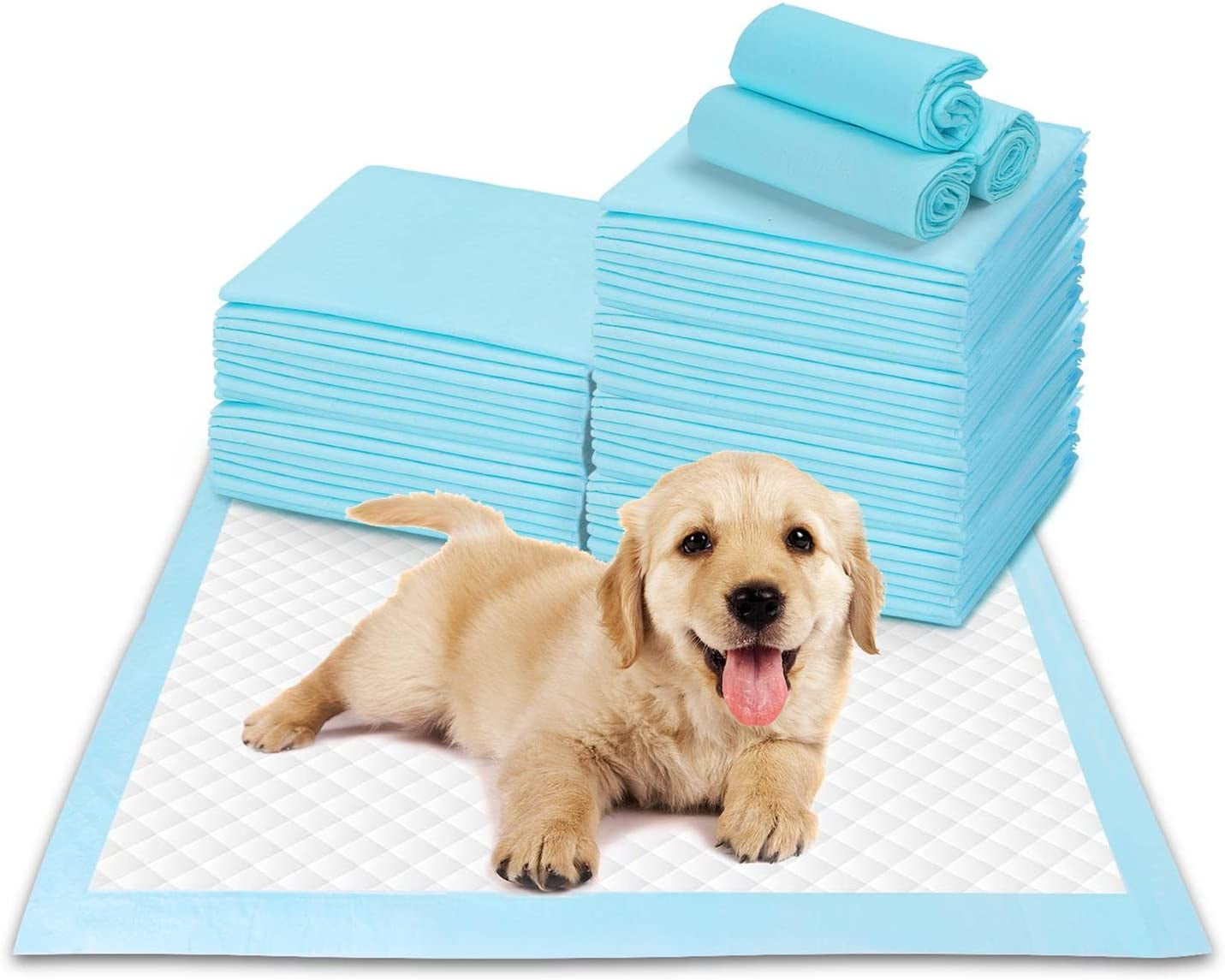
The term puppy pad refers to an absorbent mat specifically designed to help puppies and dogs eliminate indoors. These pads serve as a crucial tool for dog owners, particularly during the early stages of house-training or for situations where outdoor access is limited. Understanding the appropriate use and limitations of a puppy pad is essential for fostering good potty habits and maintaining a clean living environment. This training aid can significantly ease the transition for a new puppy into a household, providing a designated and acceptable area for urination and defecation while preventing accidents on floors or carpets. Proper integration of puppy pads into a training regimen can greatly improve a dogs overall well-being and behavior by reducing stress associated with house-training and promoting a cleaner home. Explore more in our Dog Training collection.
💡 Pet Care Key Takeaways:
- Core Focus: Practical health, nutrition, and wellness guidelines for Puppy Pad.
- Target Scope: Pet owners, animal caregivers, and veterinary support staff.
- Best Recommendation: Maintain consistent daily routines and consult an accredited veterinarian before introducing major diet or medical changes.
Common Causes and Key Factors
The primary reason for utilizing a puppy pad revolves around the developmental stage of puppies. Young canines possess small bladders and have not yet developed full sphincter control, necessitating frequent opportunities for elimination. For individuals residing in apartments or urban environments without immediate yard access, puppy pads offer a practical solution. They are also invaluable during periods of inclement weather, protecting a puppy from harsh outdoor conditions. For more related activities, check out our How Much Do Animal Behaviorists Cost.
Beyond puppies, some small breeds or older dogs experiencing incontinence due to age or health conditions may also benefit from the convenience of a puppy pad. For owners with demanding schedules, a puppy pad can serve as a temporary indoor relief station when frequent outdoor trips are not feasible. Crucially, the success of puppy pad training depends on several factors: consistent placement, the pad’s absorbency and size, and the application of positive reinforcement. Using a puppy pad should ideally be a stepping stone towards outdoor potty training, not a permanent substitute for it. Discover more free resources across our collection library.
Signs and Symptoms to Observe
When a dog is successfully adapting to puppy pad training, observable signs include consistently seeking out and using the puppy pad for elimination. The dog may exhibit clear signals, such as sniffing around the pad’s location, circling, or suddenly stopping play to approach the pad. Positive and accurate use of the puppy pad indicates effective communication and learning.
Conversely, several signs may indicate challenges in the training process. Accidents occurring off the puppy pad suggest issues with pad placement, size, or the dog’s understanding of its purpose. Some dogs might chew or shred the puppy pad, a behavior often stemming from boredom, anxiety, or a preference for the texture as a plaything rather than a potty area. Reluctance to use a soiled pad, even when it is the designated area, highlights a dog’s natural instinct for cleanliness. Furthermore, a dog that consistently prefers other indoor surfaces to the puppy pad may be indicating a specific surface preference or an aversion to the pad itself. These signs can vary depending on a dog’s age, breed, and individual temperament, requiring a tailored approach to training and adjustment.
Practical Solutions and Management Strategies
Effective management of puppy pad training involves a structured and patient approach. Initial placement of the puppy pad should be in a consistent, easily accessible location, typically away from food and sleeping areas, but close enough for immediate access. Immediately after waking up, eating, or engaging in play, puppies should be gently guided to the puppy pad.
Positive reinforcement is paramount. When a dog successfully uses the puppy pad, immediate praise and a small treat should be given. This consistent positive association helps the dog understand the desired behavior. Close supervision is also crucial, enabling intervention before accidents occur and redirecting the dog to the pad when signs of needing to eliminate are observed. For older puppies or dogs, gradually moving the puppy pad closer to the exterior door and eventually outside can facilitate a smooth transition to outdoor potty habits.
Environmental adjustments can also support success. Using a pad holder can prevent a dog from shredding or moving the puppy pad. Promptly cleaning soiled pads is essential to maintain hygiene and encourage continued use. For accidents occurring off the pad, enzyme-based cleaners are recommended to neutralize odors, preventing the dog from being attracted back to the same spot. Consistency in these strategies is the cornerstone of successful puppy pad training.
When Professional Help May Be Needed
While many house-training challenges can be resolved with consistent effort, certain situations warrant professional intervention. If a dog persistently fails to use the puppy pad despite a diligent and consistent training regimen, it may indicate underlying issues. A sudden and unexplained change in elimination habits, such as an increase in frequency or accidents, should always prompt a visit to a veterinarian. Such changes can be symptoms of medical conditions like urinary tract infections, kidney issues, or even diabetes, which require prompt diagnosis and treatment.
Furthermore, if the dog exhibits extreme anxiety, fear, or aggression related to elimination or the puppy pad itself, a professional dog trainer or a certified veterinary behaviorist can offer tailored guidance. These specialists can help identify and address complex behavioral issues that extend beyond basic house-training. Seeking expert advice ensures that any medical causes are ruled out and that behavioral challenges are addressed with appropriate, humane, and effective strategies, ultimately supporting the dog’s health and well-being.
Conclusion
The puppy pad stands as a valuable and versatile tool in the repertoire of responsible dog ownership, particularly for house-training young puppies or accommodating specific needs of adult dogs. Its effective use hinges on understanding a dog’s developmental stage, environmental context, and individual learning pace. Patience, consistency, and positive reinforcement are the pillars of successful puppy pad training, guiding dogs toward appropriate elimination habits. While serving as a convenient indoor solution, the ultimate goal often remains a transition to outdoor potty routines. Continuous observation of a dog’s behavior provides crucial insights into their health and training progress, allowing for timely adjustments or professional consultation when necessary. Prioritizing consistent care and proactive management through tools like the puppy pad significantly contributes to a dog’s comfort, a cleaner home, and a stronger human-animal bond, aligning with the educational mission of petsanimalsworld.com.
Pet Care & Wellness Overview Table
| Life Stage | Daily Activity Level | Key Nutrition / Care Focus |
|---|---|---|
| Puppy / Kitten | High (frequent short bursts) | High-protein growth diet & early socialization |
| Adult Companion | Moderate (30–60 mins daily) | Balanced maintenance nutrition & dental hygiene |
| Senior Pets | Low to Gentle (mindful walks) | Joint support (Glucosamine) & routine vet checks |
Images References