

Understanding the Importance of Precise Nutritional Management
Providing balanced nutrition is the cornerstone of responsible canine ownership, directly influencing a dog’s longevity, energy levels, and immune system function. A feeding chart serves as a primary tool for pet owners to navigate the complexities of caloric intake, ensuring that the animal receives the appropriate amount of energy without the risks associated with overfeeding or undernourishment. According to the American Veterinary Medical Association (AVMA), obesity is the most common nutritional disorder in dogs, contributing to a variety of health complications including joint stress, diabetes, and cardiovascular issues. By utilizing a standardized feeding guide provided by manufacturers like Pure Balance, owners can establish a baseline for healthy portion control that accounts for the specific metabolic needs of their companions.
💡 Pet Care Key Takeaways:
- Core Focus: Practical health, nutrition, and wellness guidelines for Pure Balance Dog Food Feeding Chart.
- Target Scope: Pet owners, animal caregivers, and veterinary support staff.
- Best Recommendation: Maintain consistent daily routines and consult an accredited veterinarian before introducing major diet or medical changes.
Defining the Pure Balance Dog Food Feeding Chart
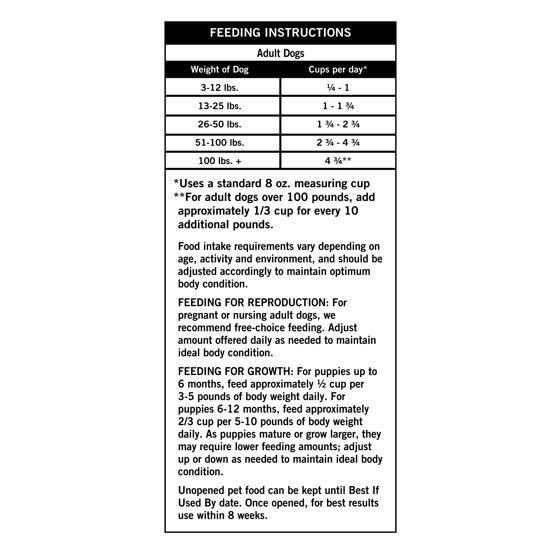
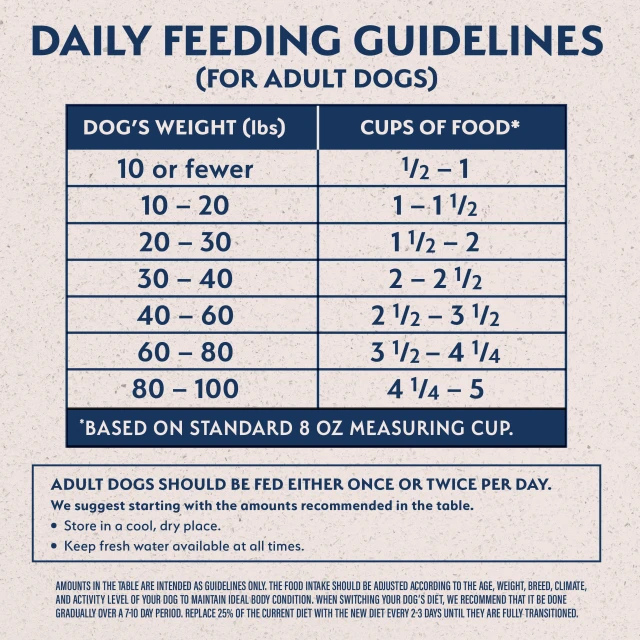
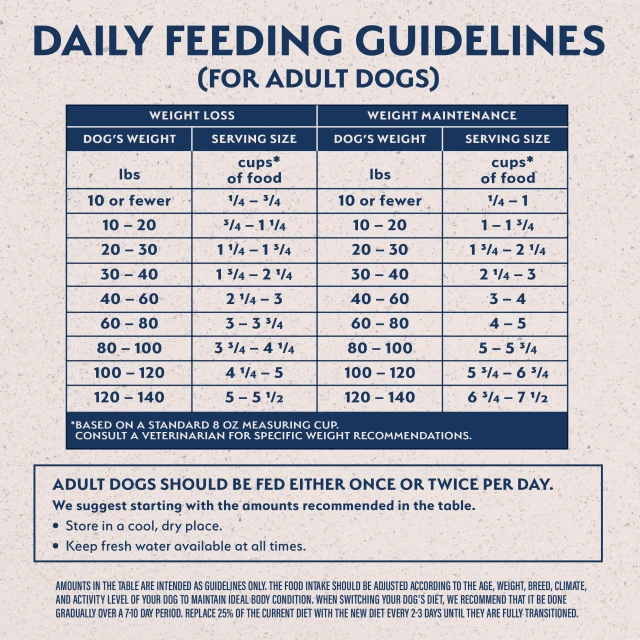
The Pure Balance dog food feeding chart is a manufacturer-provided guideline that correlates a dog’s weight, age, and activity level with a recommended daily volume of food. These charts are formulated based on the caloric density of the specific recipe—such as chicken, lamb, or salmon—and are intended to serve as a starting point for daily portioning. Because every dog possesses a unique metabolism, these charts are not absolute prescriptions but rather calibrated estimates designed to maintain a healthy body condition. Understanding that the caloric requirements for an active, working dog differ significantly from those of a sedentary, senior dog is essential when interpreting these visual or numerical guides found on packaging.
The Impact of Feeding Accuracy on Canine Health
Adhering to nutritional guidelines has a profound impact on a dog’s physiological well-being, as precise feeding supports optimal body composition and organ function. Consistent overfeeding, even by small margins, can lead to chronic weight gain, which exacerbates orthopedic conditions such as hip dysplasia or arthritis. Conversely, underfeeding can result in nutrient deficiencies, poor coat quality, and a diminished ability to fight off environmental stressors. Proper Dog Nutrition requires a balance between the energy provided by the food and the energy expended by the dog through daily activity. When owners monitor these metrics closely, they can identify subtle changes in appetite or weight that might indicate underlying health concerns early in the development of a condition.
The Association of American Feed Control Officials (AAFCO) establishes the nutritional standards for dog food in the United States, ensuring that products labeled as “complete and balanced” meet the minimum requirements for essential nutrients. — AAFCO
Managing Daily Intake and Portion Control
Managing a dog’s diet effectively involves more than simply filling a bowl to a specific line; it requires an ongoing process of observation and adjustment. Owners should utilize a standard measuring cup rather than estimating portions to ensure consistency across every meal. If a dog appears to be gaining weight despite following the chart, the portion size should be incrementally reduced, or the dog’s exercise routine should be evaluated. It is also important to account for treats and snacks, which often contribute significant “hidden” calories to a dog’s daily intake. By documenting the total amount of food consumed over a 24-hour period, owners can maintain better control over their pet’s weight and overall metabolic health.
Best Practices and Common Nutritional Mistakes
One common mistake is failing to account for a dog’s life stage, as puppies, adults, and seniors require vastly different nutrient profiles and caloric densities. Puppies, for instance, require more frequent, smaller meals to support rapid growth, whereas senior dogs often need fewer calories to prevent weight gain due to a slower metabolism. Another frequent error is ignoring the “transition period” when switching brands or formulas; a sudden change in diet can cause gastrointestinal distress, including vomiting or diarrhea. To avoid this, experts recommend gradually introducing the new food over a period of seven to ten days, slowly increasing the ratio of new food to old food until the transition is complete.
Monitoring a dog’s Body Condition Score (BCS) is a practical, non-invasive method for assessing weight; a healthy dog should have a visible waist when viewed from above and a slight tuck in the abdomen when viewed from the side. — American Kennel Club
Pet Care & Wellness Overview Table
| Life Stage | Daily Activity Level | Key Nutrition / Care Focus |
|---|---|---|
| Puppy / Kitten | High (frequent short bursts) | High-protein growth diet & early socialization |
| Adult Companion | Moderate (30–60 mins daily) | Balanced maintenance nutrition & dental hygiene |
| Senior Pets | Low to Gentle (mindful walks) | Joint support (Glucosamine) & routine vet checks |
Images References



Considerations for Breed, Age, and Activity Levels
Individual characteristics such as breed predisposition, age, and activity level significantly influence how much a dog should eat. High-energy breeds, such as Border Collies or Vizslas, may require higher caloric intake than more sedentary breeds, regardless of what a general chart might suggest. Furthermore, spayed or neutered dogs may experience a shift in their metabolic rate, often requiring a reduction in daily portions to maintain an ideal weight. Owners should regularly consult Dog Care resources to understand how these factors interact with nutritional needs, ensuring that the feeding plan remains dynamic and responsive to the dog’s evolving life requirements.
When to Consult a Veterinary Professional
While feeding charts provide a reliable baseline, they cannot replace the diagnostic oversight of a veterinarian, especially for dogs with specific health conditions or sensitivities. If a dog shows a sudden loss of appetite, persistent weight fluctuations despite strict portion control, or symptoms such as lethargy or digestive issues, a veterinary examination is necessary. Professionals can calculate a more precise Resting Energy Requirement (RER) based on the dog’s specific medical history and physical condition. When in doubt regarding a change in diet or the management of a weight-related issue, seeking guidance from a veterinary clinic ensures that the approach is safe and tailored to the individual animal’s needs.
Conclusion and Further Resources
Maintaining a consistent feeding schedule and monitoring caloric intake are foundational elements of long-term wellness for any canine companion. By using the Pure Balance dog food feeding chart as a flexible guide rather than an inflexible rule, owners can foster a healthier lifestyle for their pets. For further information on maintaining your dog’s health, behavior, and nutritional needs, please visit PetsAnimalsWorld.com. Explore our dedicated sections on Dog Health and Dog Training to ensure your pet receives comprehensive care that supports a vibrant and active life.




