

Introduction
For many canine companions, the departure of a human family member can trigger a profound sense of distress known as separation anxiety. This common behavioral challenge manifests as extreme anxiety when a dog is left alone or separated from its attachment figure. The impact extends beyond emotional discomfort, often leading to destructive behaviors, excessive vocalization, and house-soiling. Understanding and addressing this condition is crucial for a dogs well-being and a harmonious household. Among the various strategies employed to manage this issue, separation anxiety toys for dogs have emerged as valuable tools. These specialized toys are designed to provide mental stimulation, physical distraction, and a sense of comfort, helping to mitigate stress and promote calmer behavior during periods of solitude. Integrating appropriate toys into a dog’s routine can significantly improve its ability to cope with being alone, contributing to better overall behavior and an enhanced quality of life.
💡 Pet Care Key Takeaways:
- Core Focus: Practical health, nutrition, and wellness guidelines for Separation Anxiety Toys For Dogs.
- Target Scope: Pet owners, animal caregivers, and veterinary support staff.
- Best Recommendation: Maintain consistent daily routines and consult an accredited veterinarian before introducing major diet or medical changes.
Common Causes and Key Factors
Separation anxiety in dogs typically stems from a complex interplay of factors, influencing why separation anxiety toys for dogs become necessary interventions. A significant cause relates to changes in a dog’s routine or environment. Events such as a household move, a change in family dynamics, or an alteration in an owner’s work schedule (e.g., returning to an office after prolonged home presence) can disrupt a dog’s sense of security. For more related activities, check out our How Do You Correct A Dog’S Behavior.
Environmental factors also play a role. Dogs adopted from shelters or those with a history of abandonment may be more prone to developing intense attachment issues. Furthermore, a lack of early socialization or insufficient exposure to being alone during puppyhood can contribute to the development of anxiety later in life. In some cases, genetic predispositions or a dog’s breed may increase its susceptibility.
Emotional factors, such as an overly strong attachment to a primary caregiver, can exacerbate feelings of distress when that person is absent. When these underlying causes are present, a dog may struggle with boredom, a heightened need for comfort, or an urge to engage in destructive chewing, making targeted toys an essential part of the management strategy.
Signs and Symptoms to Observe
Recognizing the signs of separation anxiety is the first step toward effective intervention, including the strategic use of separation anxiety toys for dogs. The observable indicators often manifest specifically when a dog is left alone or during the owner’s preparations to leave.
Common signs include excessive barking, howling, or whining, which can persist for extended periods after a human companion’s departure. Destructive chewing is another prevalent symptom, often directed at exit points like doors and windows, or at personal items of the owner. Inappropriate urination or defecation inside the home, despite being house-trained, can also signal distress.
Other behaviors to observe include pacing, excessive drooling, or panting, even in cool environments. Some dogs may attempt to escape from their confinement, potentially causing self-injury. These signs can vary in intensity depending on a dog’s age, breed, and the severity of its anxiety. For instance, younger dogs might show more overt destructive tendencies, while older dogs might exhibit increased vocalization or lethargy. Observing these behaviors helps determine the specific challenges a dog faces, informing the selection and application of appropriate anxiety-reducing toys.
Practical Solutions and Management Strategies
Managing separation anxiety in dogs requires a multifaceted approach, with separation anxiety toys for dogs serving as a critical component. These specialized tools offer vital distraction, mental stimulation, and comfort during periods of solitude.
1. Types of Separation Anxiety Toys
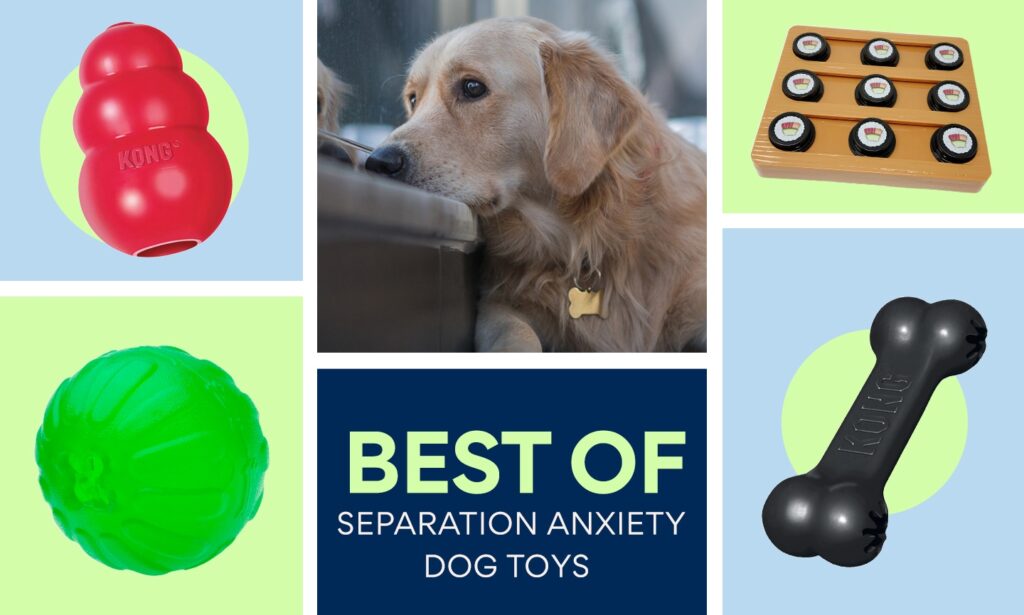
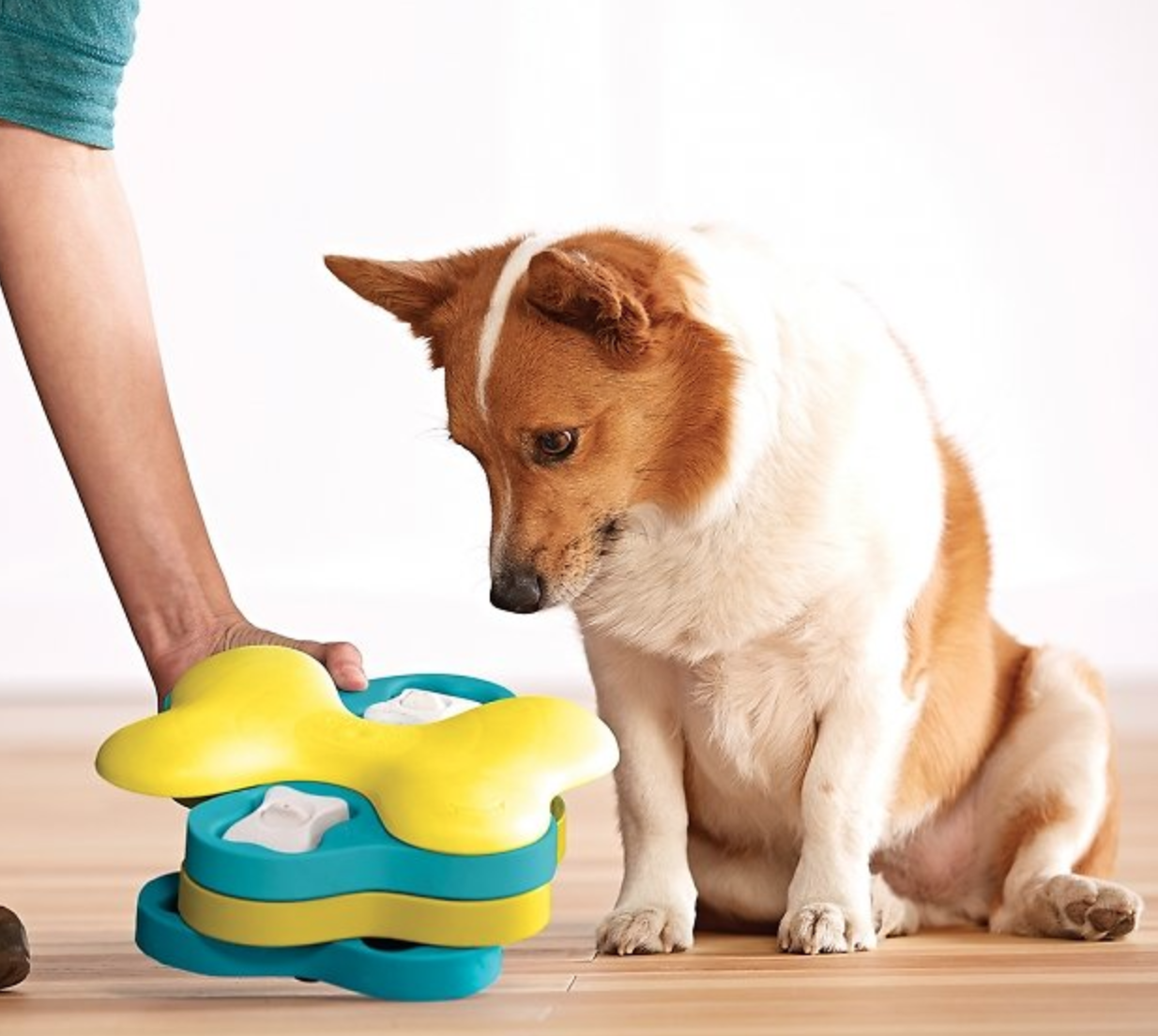
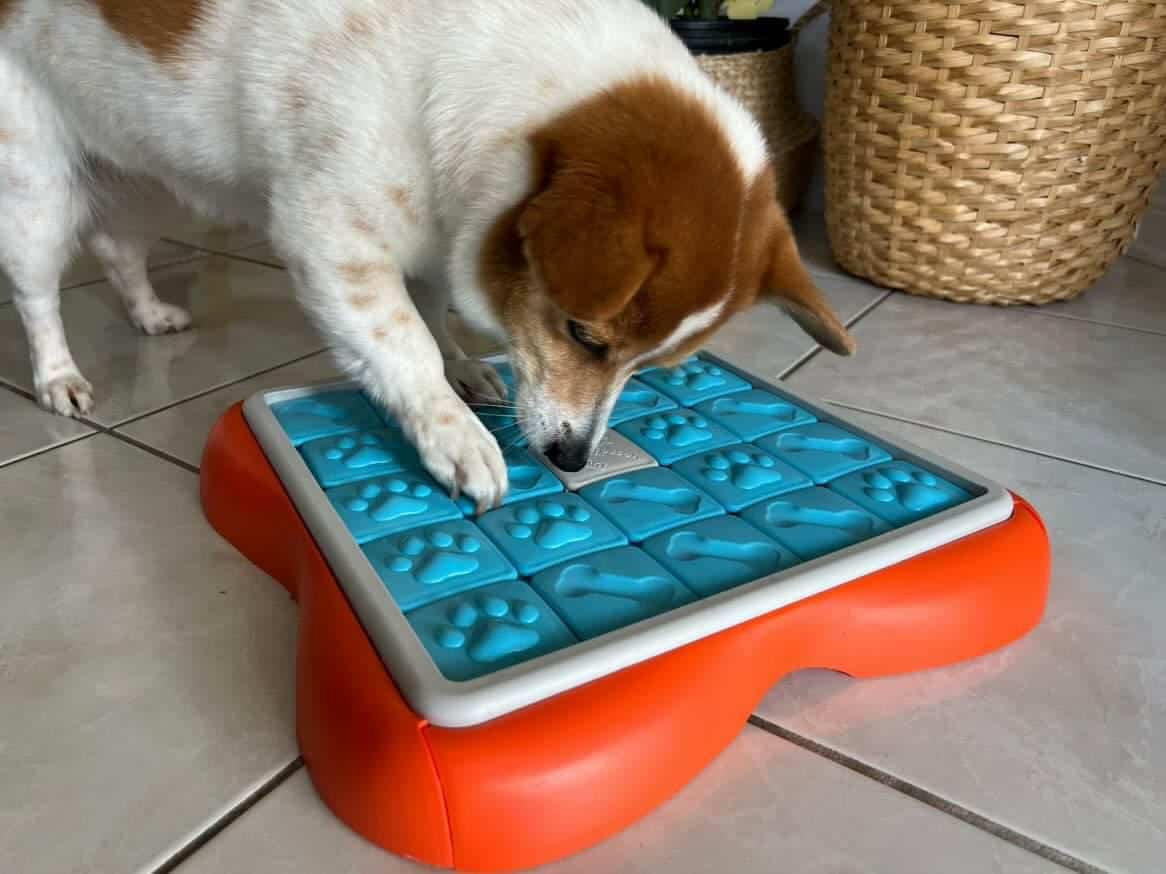
- Puzzle and Interactive Toys: Toys like rubber treat dispensers (e.g., Kongs, West Paw Toppls) or snuffle mats are excellent for mental enrichment. These toys require a dog to work to extract treats, engaging its mind and keeping it occupied for extended periods. Filling them with high-value, spreadable treats or frozen food prolongs the engagement, rewarding calm, focused behavior.
- Durable Chew Toys: For dogs prone to destructive chewing, robust and safe chew toys (e.g., Nylabone, Benebone, sturdy rubber toys) redirect this behavior onto appropriate objects. Chewing is a natural, stress-relieving activity for dogs, and providing an appealing outlet can reduce damage to household items.
- Comfort and Scent Toys: Toys designed to provide comfort, such as soft toys with a familiar scent from a human companion or “heartbeat” toys that mimic a mother’s pulse, can offer a sense of security and reduce feelings of loneliness.
- Lick Mats and Slow Feeders: These tools extend meal times and provide a calming, repetitive licking action that can soothe an anxious dog. Spreading a favorite paste or wet food onto a lick mat can occupy a dog for significant durations.
2. Effective Toy Usage and Complementary Strategies
To maximize the effectiveness of separation anxiety toys for dogs, it is beneficial to introduce them shortly before departure. Rotating toys regularly helps maintain novelty and interest. High-value toys should ideally be reserved exclusively for alone time, making the dog associate these periods with positive reinforcement. Safety is paramount, so ensuring toys are appropriately sized and durable for a dog’s chewing habits is crucial.
Beyond toys, a comprehensive strategy includes desensitization and counter-conditioning training, which involves gradually increasing alone time while associating departure cues with positive experiences. Establishing a consistent daily routine, providing ample exercise before alone time, and creating a comfortable, safe “den” area can also significantly aid in managing anxiety. Environmental enrichment, such as calming music or specialized dog television programs, can further contribute to a serene environment.
When Professional Help May Be Needed
While the strategic use of separation anxiety toys for dogs and implementing home-based management techniques can significantly help, there are instances when professional intervention becomes necessary. Owners should consider seeking expert guidance if a dog’s separation anxiety symptoms are severe, persistent, or pose a risk to its safety or the integrity of the home.
Situations warranting professional help include instances where a dog causes self-harm in attempts to escape, exhibits extreme destructive behavior despite interventions, or shows no improvement with consistent at-home strategies. A veterinary consultation is always recommended to rule out any underlying medical conditions that might contribute to or mimic anxiety symptoms. A veterinarian can also discuss potential medication options that may be used in conjunction with behavioral modification.
For tailored behavior modification plans, consulting a certified professional dog trainer or a veterinary behaviorist is highly advisable. These experts possess the knowledge and experience to assess individual cases, identify specific triggers, and develop a customized training regimen that addresses the root causes of the anxiety effectively. Professional support ensures a holistic and humane approach to alleviating a dog’s distress.
Conclusion
Understanding and addressing canine separation anxiety is an act of profound care for a beloved companion. The distress experienced by dogs when left alone can be overwhelming, impacting their well-being and the household environment. Separation anxiety toys for dogs stand out as indispensable tools within a broader, integrated management plan. These specialized toys provide much-needed mental stimulation, physical outlets, and comfort, helping to transform solitary moments from stressful experiences into periods of engagement and calm.
Successful management hinges on a combination of consistent observation, patience, and the strategic application of various techniques, including targeted toy usage, routine adjustments, and training. While toys offer significant support, recognizing the signs that warrant professional assistance from veterinarians or certified behaviorists ensures that every dog receives the comprehensive care it deserves. With dedication and the right resources, canine companions can learn to cope with alone time more effectively, leading to a happier, more balanced life for both the dog and its human family.
Pet Care & Wellness Overview Table
| Life Stage | Daily Activity Level | Key Nutrition / Care Focus |
|---|---|---|
| Puppy / Kitten | High (frequent short bursts) | High-protein growth diet & early socialization |
| Adult Companion | Moderate (30–60 mins daily) | Balanced maintenance nutrition & dental hygiene |
| Senior Pets | Low to Gentle (mindful walks) | Joint support (Glucosamine) & routine vet checks |
Images References




For more expert pet care tips and advice, check out our dedicated Dog Behavior guides to keep your companions healthy and happy.




