

Introduction
The concept of “smartest dog breeds” often sparks curiosity among current and prospective dog owners. While canine intelligence manifests in various forms, understanding the breeds widely recognized for their cognitive abilities provides invaluable insights into their needs, behaviors, and potential. This knowledge empowers owners to foster a more harmonious and fulfilling relationship with their canine companions. When considering a new furry family member or seeking to enhance the life of an existing one, recognizing the innate intelligence of certain breeds is crucial for providing appropriate mental stimulation, effective training, and overall well-being. A dog’s intelligence significantly impacts its trainability, problem-solving skills, and capacity for complex tasks, directly influencing its behavior and quality of life within a household.
💡 Pet Care Key Takeaways:
- Core Focus: Practical health, nutrition, and wellness guidelines for Top 20 Smartest Dog Breeds.
- Target Scope: Pet owners, animal caregivers, and veterinary support staff.
- Best Recommendation: Maintain consistent daily routines and consult an accredited veterinarian before introducing major diet or medical changes.
Common Causes and Key Factors
The designation of certain breeds as “smartest” is not arbitrary but rooted in centuries of selective breeding and inherent genetic predispositions. Dog intelligence is generally categorized into three main types: instinctive intelligence (what a dog is bred to do, e.g., herding, retrieving), adaptive intelligence (a dog’s ability to solve problems on its own), and working and obedience intelligence (how well a dog learns from humans). Breeds that consistently rank high in intelligence often demonstrate a remarkable aptitude across these categories. For more related activities, check out our Golden Spanial.
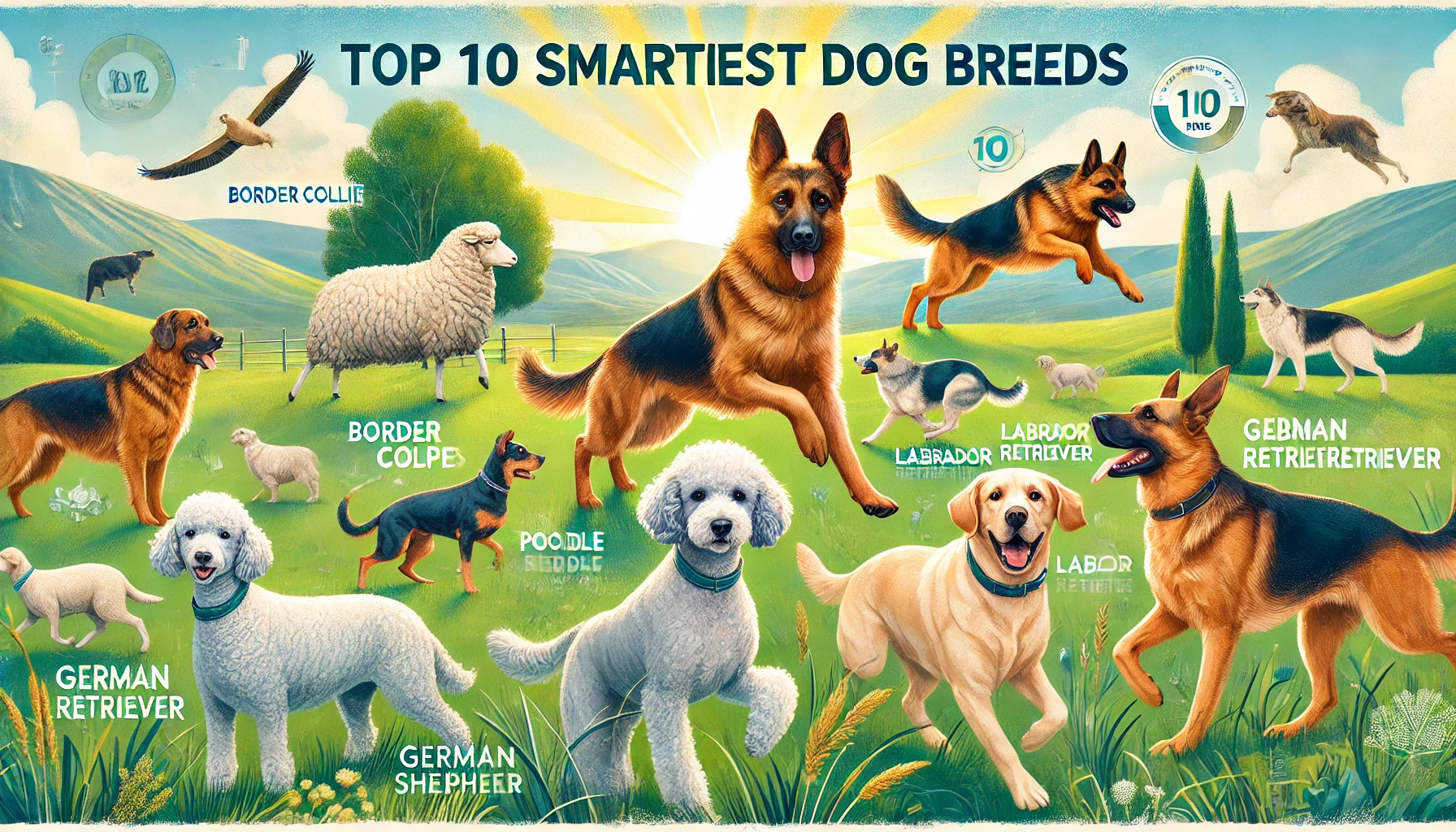
The primary factor contributing to a breed’s perceived intelligence is its historical purpose. Breeds developed for demanding tasks such as herding livestock, retrieving game, or guarding property required dogs capable of understanding complex commands, working independently, and adapting to changing situations. For instance, Border Collies were bred to gather and control sheep, demanding exceptional focus, problem-solving, and responsiveness. Similarly, Poodles, originally water retrievers, needed keen intelligence to understand elaborate commands and navigate challenging environments. Genetic factors play a significant role, as specific temperaments and cognitive abilities were intentionally passed down through generations. Environmental factors, including early socialization, consistent training, and stimulating experiences during formative years, also contribute significantly to a dog’s cognitive development and expression of its innate intelligence.
Signs and Symptoms to Observe
Observing signs of high intelligence in a dog can be fascinating and highly practical for owners. Highly intelligent dogs often exhibit several key behavioral indicators. One of the most apparent signs is an exceptional capacity for learning. Such dogs tend to pick up new commands and tricks with remarkable speed, sometimes after only a few repetitions. They also show a strong desire to please and a high level of focus during training sessions.
Another common sign is advanced problem-solving ability. Intelligent dogs may figure out how to open gates, retrieve out-of-reach toys, or manipulate objects to achieve a goal. Their adaptability to new environments, routines, and situations is also a strong indicator, as they adjust quickly and show minimal stress. Owners might notice their dogs possessing an excellent memory for people, places, and past experiences. Furthermore, highly intelligent breeds often require significant mental stimulation, which, if not provided, can lead to boredom-related behaviors such as excessive barking, destructive chewing, or digging. These behaviors are often the dog’s attempt to entertain itself or solve a perceived problem. The manifestation of these signs can vary slightly depending on the breed’s primary instinctive intelligence; a highly intelligent herding dog might display different problem-solving tendencies than an intelligent working dog.
Practical Solutions and Management Strategies
Owning a highly intelligent dog breed comes with unique responsibilities and opportunities for engagement. Effective management revolves around providing consistent mental stimulation alongside physical exercise. One crucial strategy is implementing advanced training beyond basic obedience. This can include learning complex command sequences, trick training, or engaging in scent work, which taps into their natural foraging instincts.
Environmental enrichment is another vital component. Puzzle toys that require manipulation to dispense treats, interactive feeders, and rotating novel toys can keep a smart dog engaged and prevent boredom. Regular participation in organized dog sports such as agility, flyball, obedience trials, or rally obedience provides an outlet for both physical energy and mental prowess. These activities challenge a dog to learn new skills, follow instructions, and work collaboratively with its handler. Establishing a clear routine with varied activities helps intelligent dogs thrive, providing structure while also offering diverse challenges. Consistency in positive reinforcement training methods is paramount, as intelligent dogs respond well to clear communication and rewards, solidifying their learning and encouraging desirable behaviors. Ensuring a balanced diet rich in essential nutrients, including omega-3 fatty acids, can also support optimal brain function and overall canine health.
When Professional Help May Be Needed
Despite the many advantages of owning an intelligent dog, situations may arise where professional guidance becomes beneficial. If a highly intelligent dog begins to display persistent behavioral challenges stemming from undersimulation, such as excessive destructive chewing, digging, barking, or anxiety, consulting a certified professional dog trainer or a veterinary behaviorist is advisable. These experts can assess the root cause of the behavior and recommend tailored strategies for enrichment, training, and behavior modification.
Owners who wish to delve into advanced training or competitive dog sports may also benefit from professional instruction. Experienced trainers specializing in specific disciplines can guide both the dog and owner, helping to unlock the dog’s full potential and ensure correct technique and progression. Furthermore, any sudden or significant change in a dog’s behavior, even in highly intelligent breeds, warrants a veterinary check-up to rule out underlying medical conditions. Physical discomfort or illness can often manifest as behavioral issues, and professional medical assessment is essential before embarking on behavioral interventions.
Conclusion
Understanding the characteristics and needs of “top 20 smartest dog breeds” offers significant advantages for dedicated owners. These intelligent companions thrive on mental engagement and purposeful activity, requiring more than just physical exercise to live a fulfilling life. By recognizing the intrinsic desire to learn and problem-solve that defines these breeds, owners can proactively provide appropriate training, enrichment, and consistent care. This proactive approach not only prevents common behavioral issues stemming from boredom but also strengthens the bond between dog and owner. The journey with an intelligent dog is a rewarding one, demanding awareness, observation, and a commitment to nurturing their exceptional cognitive abilities, ultimately leading to a well-adjusted, happy, and responsive canine family member within any household.
Pet Care & Wellness Overview Table
| Life Stage | Daily Activity Level | Key Nutrition / Care Focus |
|---|---|---|
| Puppy / Kitten | High (frequent short bursts) | High-protein growth diet & early socialization |
| Adult Companion | Moderate (30–60 mins daily) | Balanced maintenance nutrition & dental hygiene |
| Senior Pets | Low to Gentle (mindful walks) | Joint support (Glucosamine) & routine vet checks |
Images References








For more expert pet care tips and advice, check out our dedicated Dog Breeds guides to keep your companions healthy and happy.




