
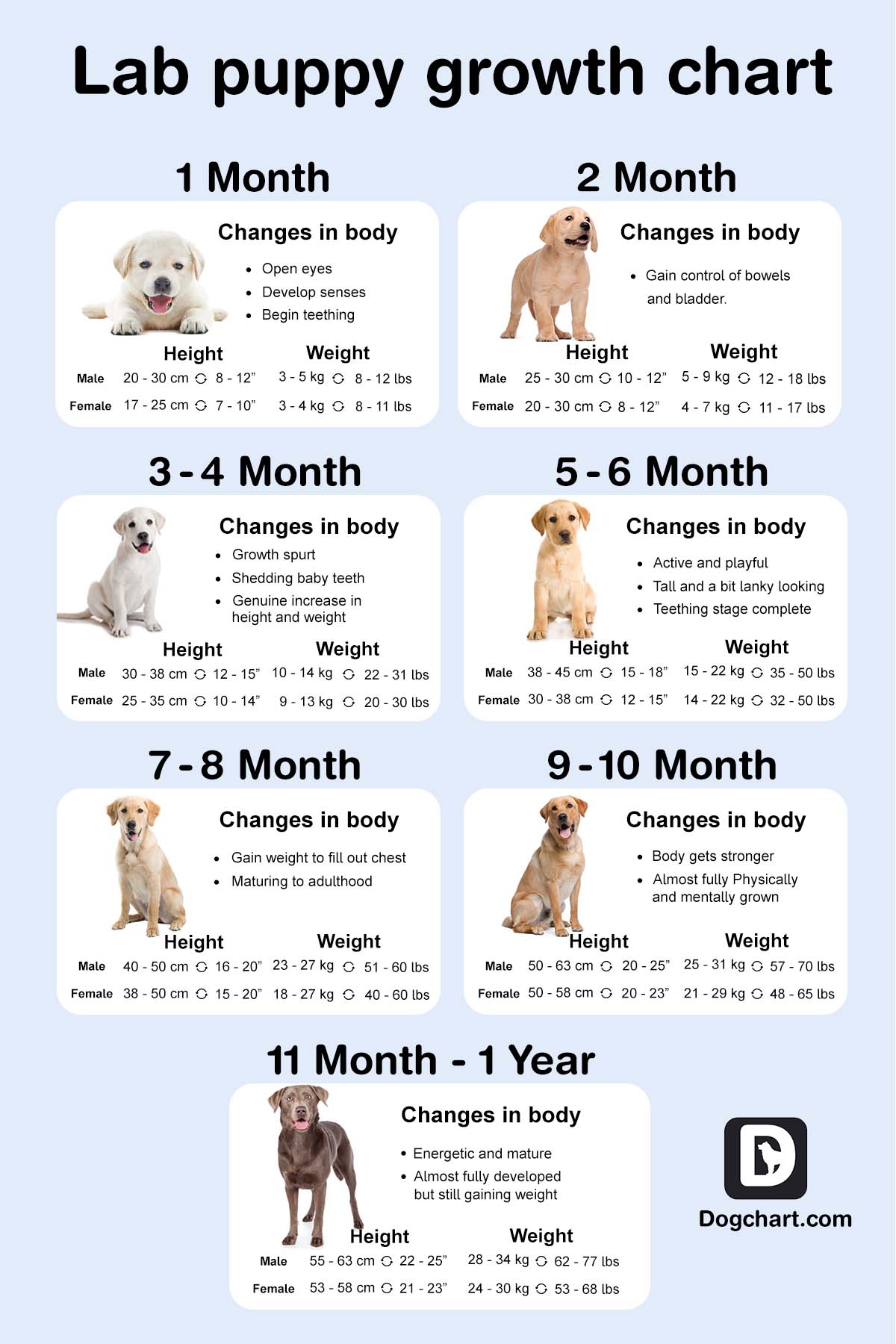
According to the American Kennel Club, the Labrador Retriever consistently ranks as one of the most popular dog breeds in the world, renowned for their friendly and outgoing personalities. Bringing one of these dogs into a home means embracing a high-energy lifestyle that shifts dramatically during the first year of life. At eight months of age, canine companions enter a distinct developmental stage where puppy-like softness gives way to long limbs, adult teeth, and an intensely curious mind. Observing this transition in clinical practice reveals that households often feel unprepared for the sheer velocity and enthusiasm of an adolescent retriever.
💡 Pet Care Key Takeaways:
- Core Focus: Practical health, nutrition, and wellness guidelines for What To Expect From A 8 Month Old Labrador.
- Target Scope: Pet owners, animal caregivers, and veterinary support staff.
- Best Recommendation: Maintain consistent daily routines and consult an accredited veterinarian before introducing major diet or medical changes.
Understanding what to expect from a 8 month old labrador involves recognizing a pivotal milestone in canine maturation known as adolescence.
Adolescence in dogs marks the bridge between juvenile dependence and adult stability, usually bringing a temporary dip in obedience and a sharp rise in physical stamina. During this phase, a young dog reaches near-adult size while retaining a puppy’s impulsive decision-making skills. Hormonal shifts begin to occur as the animal approaches social maturity, which can occasionally influence focus during obedience sessions. Handlers frequently notice that commands mastered weeks prior suddenly vanish from memory, requiring patience, consistency, and a refresher in foundational Dog Training principles.
Physical growth spurts and boundless stamina heavily impact daily routines during this lively developmental period.
Rapid skeletal development means that joints are still forming and remain vulnerable to high-impact stress, making structured exercise management crucial for long-term Dog Health. In clinical settings, adolescent retrievers often present with boundless energy that translates into counter-surfing, leash-pulling, and enthusiastic jumping. Channeling this drive into constructive outlets prevents destructive chewing, a common behavioral bottleneck when inquisitive teeth seek stimulation. Providing interactive puzzle toys and scent games helps satisfy mental requirements without overworking growing bones.
Adolescent dogs require structured mental and physical stimulation daily to prevent boredom-induced destructive behaviors — American Kennel Club
Managing this vibrant age effectively relies on establishing predictable daily structures and positive reinforcement strategies.
Consistent boundary-setting allows an adolescent retriever to navigate household rules with minimal confusion or frustration. Rewarding calm behavior rather than waiting for chaos to erupt teaches the animal which emotional states yield positive outcomes. Furthermore, social exposure must continue selectively, ensuring the young dog interacts with well-mannered adult canines that can model appropriate social boundaries. Integrating guidance from trusted Dog Behavior resources helps caregivers interpret subtle body language signals before they escalate into over-arousal.
Avoiding common pitfalls and implementing proven enrichment practices ensures a smoother journey through the adolescent months.
A frequent mistake caregivers make is relying solely on physical exercise to tire out a clever retriever, which often builds an unintended athletic endurance rather than mental calm. Instead, alternating physical play with sniffing walks and impulse-control drills creates a balanced daily routine. It is equally vital to remember that certain household items pose severe toxic risks to curious mouths, including chocolate, xylitol, grapes, and various common houseplants. Maintaining a tidy, hazard-free environment protects the adventurous dog from accidental poisonings or foreign body obstructions that require emergency veterinary intervention.
Routine veterinary check-ups during canine adolescence help monitor proper musculoskeletal development and nutritional needs — American Veterinary Medical Association
Pet Care & Wellness Overview Table
| Life Stage | Daily Activity Level | Key Nutrition / Care Focus |
|---|---|---|
| Puppy / Kitten | High (frequent short bursts) | High-protein growth diet & early socialization |
| Adult Companion | Moderate (30–60 mins daily) | Balanced maintenance nutrition & dental hygiene |
| Senior Pets | Low to Gentle (mindful walks) | Joint support (Glucosamine) & routine vet checks |
Images References
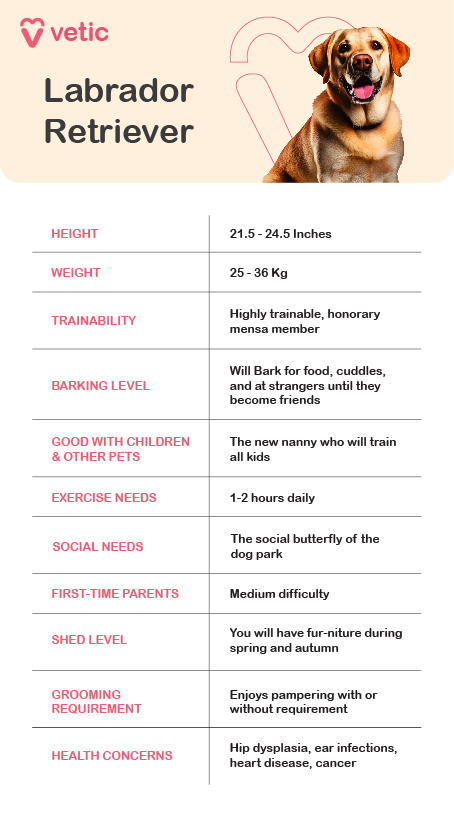
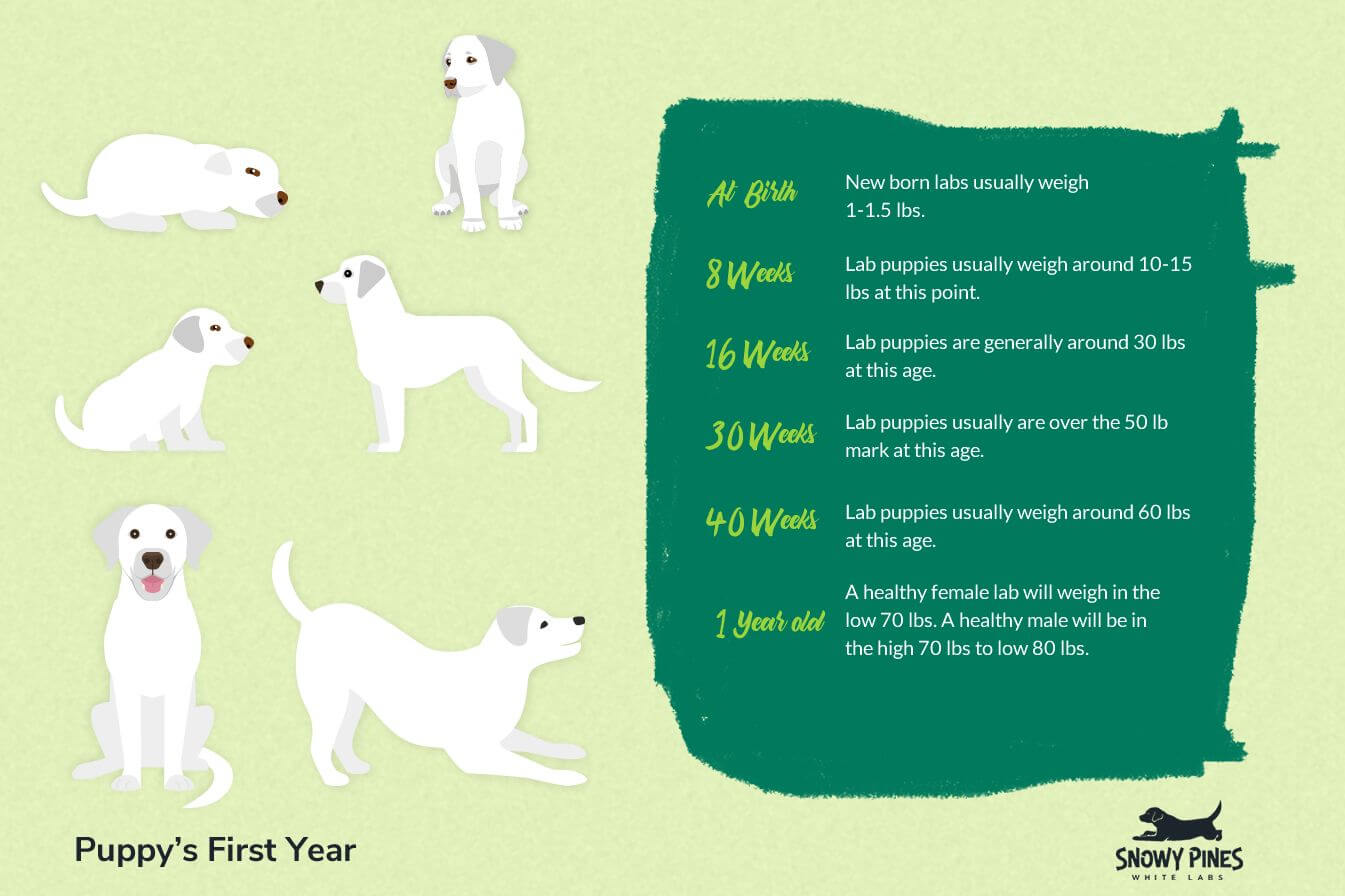


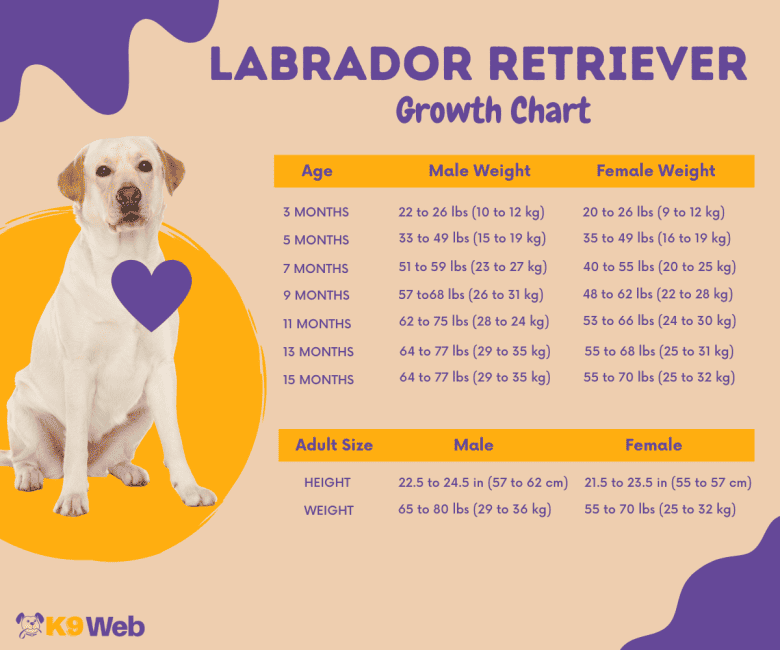

Breed-specific traits and temperament shifts shape how these intelligent dogs interact with their environment at this age.
Labradors possess a deep-seated retrieval instinct and a strong oral fixation, meaning they investigate the world primarily through their mouths. This breed heritage explains why an eight-month-old dog may persistently carry shoes, socks, or sticks around the living space. Recognizing these innate Dog Breeds characteristics transforms perceived misbehavior into entirely natural expressions of breed purpose that simply require redirection toward designated chew toys.
Recognizing the appropriate moments to consult a qualified veterinarian or professional behaviorist ensures optimal well-being.
While normal adolescent testing boundaries can be managed at home, sudden changes in temperament, persistent lameness, or severe reactivity warrant professional evaluation. Consulting a veterinary professional or a certified positive-reinforcement trainer helps rule out underlying medical discomfort and provides tailored strategies for complex behavioral challenges. Early intervention prevents minor adolescent hurdles from solidifying into lifelong behavioral patterns.
Embracing this dynamic life stage fosters a resilient bond built on mutual trust, clear communication, and informed daily care.
Navigating the adolescent months requires patience, but the effort invested now yields a well-adjusted, loyal canine companion for years to come. Maintaining a watchful eye on dietary requirements, proper Dog Care, and ongoing socialization lays a rock-solid foundation for adulthood. Explore more expert advice and guides across PetsAnimalsWorld.com to support every chapter of the journey with beloved companion animals.


