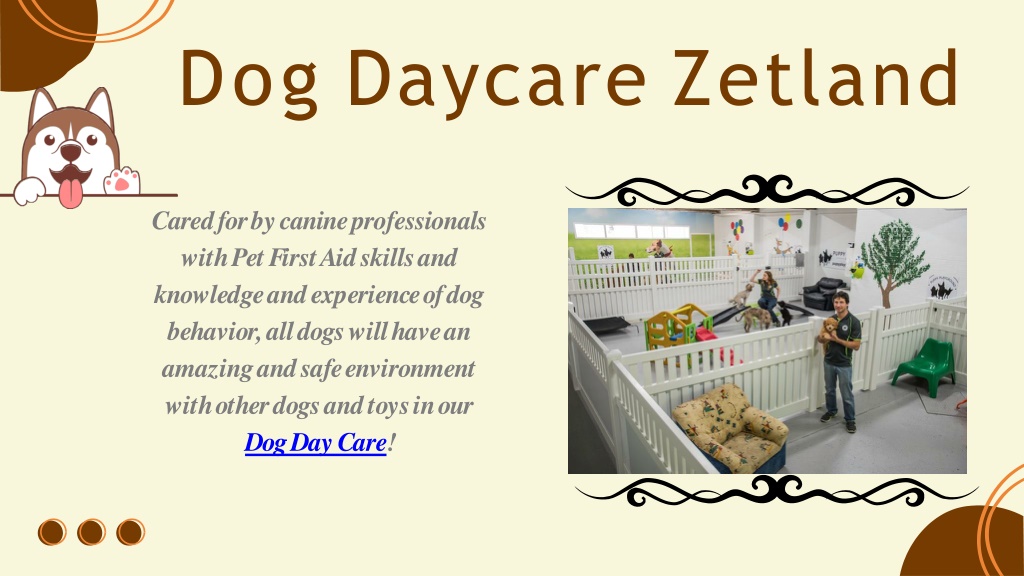
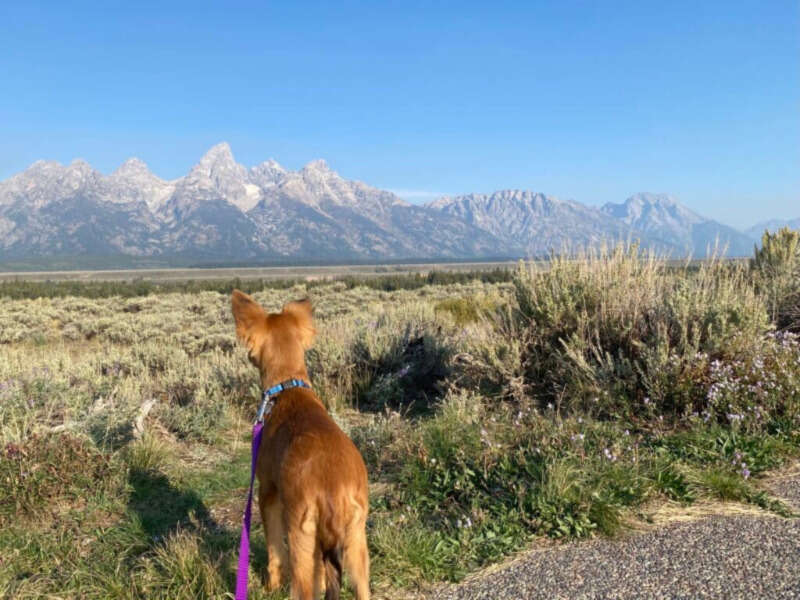
Planning a trip to a major national park often presents significant logistical challenges for canine companions. Zion National Park, located in southwestern Utah, is renowned for its dramatic red cliffs and narrow canyons, yet it maintains strict regulations regarding pet access to protect fragile ecosystems and native wildlife. According to the National Park Service, pets are generally prohibited on almost all trails within the park, with the notable exception of the Pa’rus Trail. Because of these limitations, many travelers seek professional pet services in the surrounding areas, such as Springdale, to ensure their dogs remain safe, comfortable, and well-cared for while owners explore restricted areas of the park. Finding reliable doggy day care near Zion National Park is a critical step in responsible travel planning for those accompanied by a four-legged family member.
💡 Pet Care Key Takeaways:
- Core Focus: Practical health, nutrition, and wellness guidelines for Doggy Day Care Zion National Park.
- Target Scope: Pet owners, animal caregivers, and veterinary support staff.
- Best Recommendation: Maintain consistent daily routines and consult an accredited veterinarian before introducing major diet or medical changes.
Understanding Doggy Day Care Options Near Zion
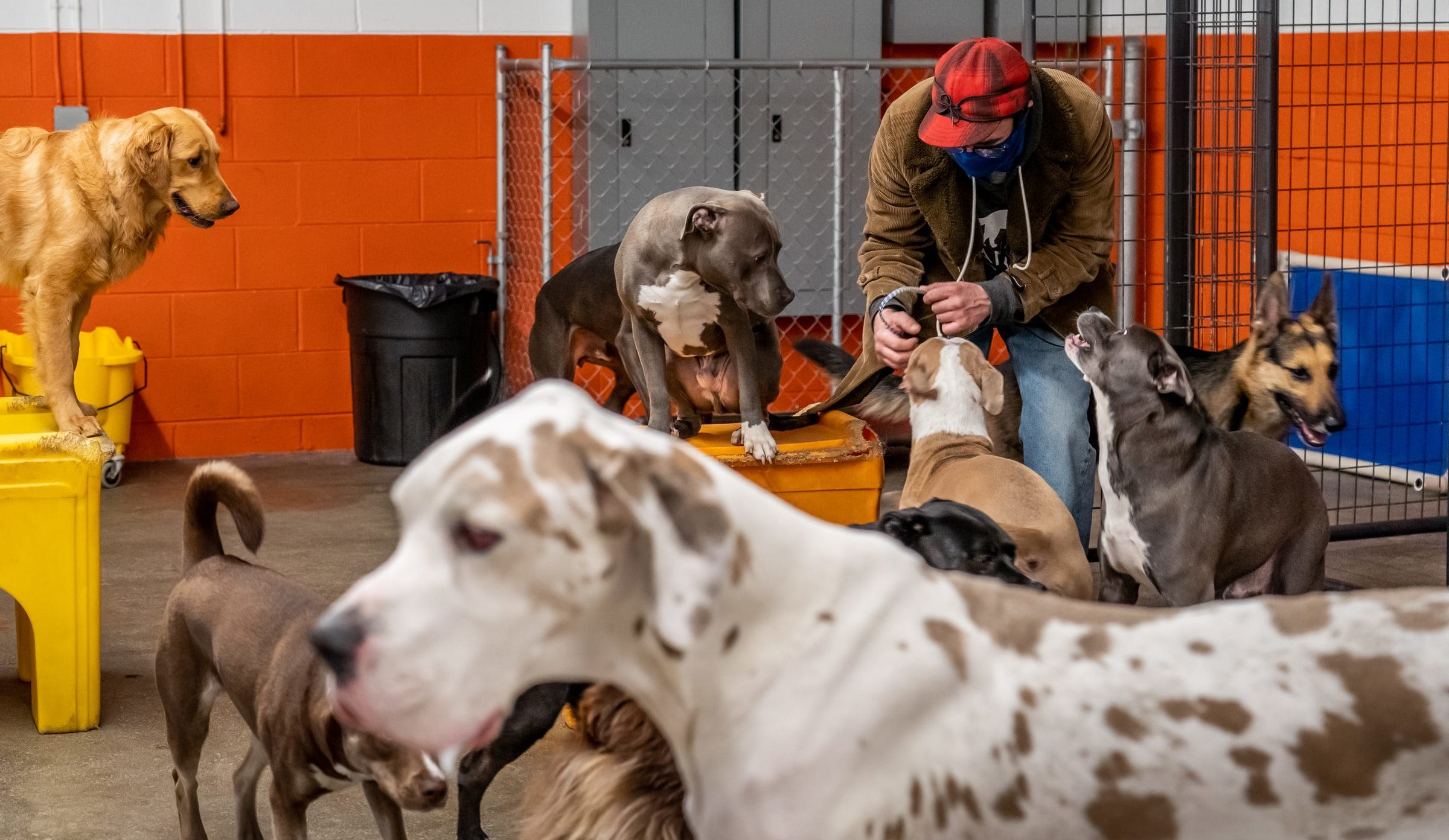
Doggy day care near Zion National Park typically refers to boarding or daytime supervision facilities located in the gateway town of Springdale or nearby communities like Hurricane and St. George. These facilities serve as essential resources for visitors who wish to participate in activities where dogs are not permitted, such as hiking the more strenuous trails or visiting areas where pet presence would cause undue stress to local fauna. Professional day care providers offer a structured environment, which often includes monitored socialization, consistent feeding schedules, and secure play areas. Utilizing such services prevents the dangerous practice of leaving a dog unattended in a vehicle, which poses a severe risk of heatstroke, particularly in the high-desert climate of southern Utah where temperatures can rise rapidly.
The Impact of Environment on Canine Well-Being
Transitioning a dog into a temporary day care environment requires careful consideration of the animal’s physical and psychological health. The unfamiliar surroundings of a kennel or day care facility can act as a stressor, potentially leading to anxiety or behavioral changes in sensitive individuals. Veterinary professionals often emphasize that maintaining a consistent routine is vital for canine mental health, even during travel. When selecting a facility, it is important to evaluate the cleanliness of the environment, the staff-to-dog ratio, and the procedures in place for handling potential medical emergencies. Exposure to other dogs in a group setting also necessitates up-to-date vaccinations to prevent the transmission of common infectious diseases, such as canine cough or parvovirus.
The American Veterinary Medical Association (AVMA) recommends that all dogs be vaccinated against core diseases, including rabies, distemper, parvovirus, and adenovirus, to protect them from preventable illnesses when interacting with other dogs in social settings. — AVMA
Managing Canine Care During National Park Visits
Effective management of a dog’s needs during a trip involves proactive preparation and clear communication with care providers. Before arriving at a day care facility, owners should prepare a comprehensive “care package” that includes the dog’s regular food, any necessary medications with clear instructions, and items that provide comfort, such as a familiar blanket or toy. It is also beneficial to conduct a trial run or a brief visit to the facility if time permits, allowing the dog to acclimate to the staff and the layout. For those interested in understanding more about maintaining healthy habits for their pets while traveling, additional information can be found in our Dog Care resources. Clear documentation of the dog’s veterinary history, including proof of current vaccinations and parasite prevention, is a standard requirement for reputable facilities.
Best Practices for Selecting a Facility
When evaluating day care options, prioritize transparency and safety protocols. A high-quality facility will readily allow owners to view the play areas and will ask detailed questions about the dog’s temperament, history of aggression, and any specific fears or triggers. Avoid facilities that refuse to provide information on their emergency veterinary protocols or that lack secure fencing and supervision. Observing how the staff interacts with the animals provides insight into their professional approach; staff should remain calm, attentive, and knowledgeable about Dog Behavior. Ensuring that the facility is licensed and carries appropriate insurance is another essential step in vetting potential providers for a safe experience.
Heatstroke in dogs is a life-threatening condition that can occur within minutes if a dog is left in a parked car, even with windows cracked, as internal vehicle temperatures can soar well above ambient outdoor temperatures. — ASPCA
Pet Care & Wellness Overview Table
| Life Stage | Daily Activity Level | Key Nutrition / Care Focus |
|---|---|---|
| Puppy / Kitten | High (frequent short bursts) | High-protein growth diet & early socialization |
| Adult Companion | Moderate (30–60 mins daily) | Balanced maintenance nutrition & dental hygiene |
| Senior Pets | Low to Gentle (mindful walks) | Joint support (Glucosamine) & routine vet checks |
Images References





Considerations for Breed, Age, and Temperament
Every dog possesses unique characteristics that influence how they adapt to temporary care. High-energy breeds may require more physical activity to remain balanced, while senior dogs or those with mobility issues might need specialized accommodations to ensure their comfort throughout the day. Temperament also plays a significant role; a dog that is naturally shy or reactive toward other dogs may not be a suitable candidate for a high-density, group-play day care environment. In such cases, seeking a facility that offers individual play time or private suites may be more appropriate. Understanding these individual needs helps owners make informed decisions that prioritize the dog’s comfort over the convenience of the travel itinerary.
When to Consult a Veterinary Professional
Professional veterinary advice is essential when determining if a specific dog is fit for the stresses of travel and temporary boarding. Owners should consult their veterinarian prior to a trip to ensure the dog is in good health, up-to-date on preventative care, and physically prepared for the environment. If a dog displays signs of severe separation anxiety, illness, or chronic behavioral issues, a veterinary behaviorist or a certified trainer may be able to provide strategies to manage these concerns. Always seek immediate veterinary attention if a dog exhibits signs of acute distress, such as difficulty breathing, lethargy, or refusal to eat while in a new environment, as these can be indicators of underlying health complications.
Conclusion
Ensuring a positive experience for a dog while visiting Zion National Park requires thoughtful planning and a commitment to the animal’s safety. By utilizing professional day care services, owners can fulfill their travel goals while ensuring their dogs remain in a secure and monitored environment. Whether exploring the diverse needs of different Dog Breeds or focusing on long-term Dog Nutrition, continued learning is the hallmark of a responsible pet owner. For more guidance on traveling with pets and general animal welfare, visit PetsAnimalsWorld.com, your dedicated resource for comprehensive pet care information.