Introduction
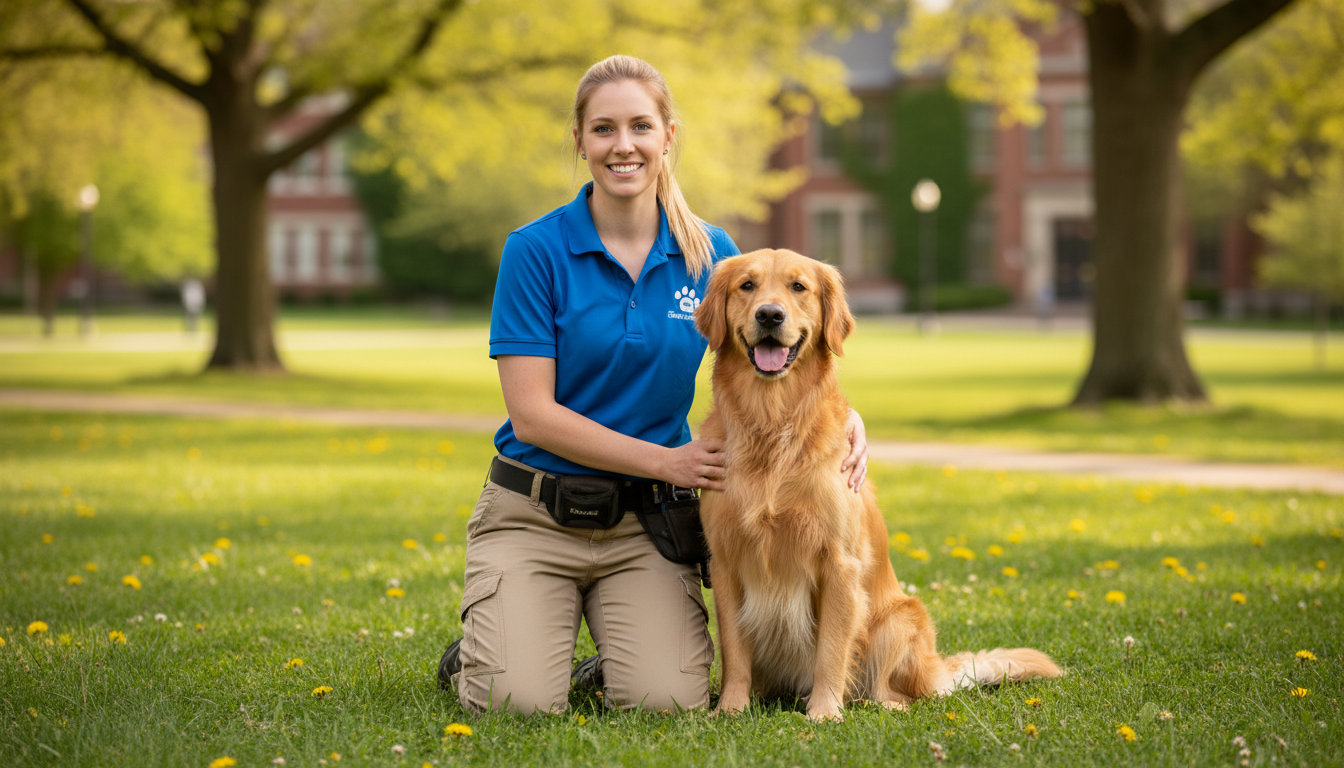
Dog training hobart encompasses structured behavioral shaping and obedience conditioning designed to cultivate domestic canine reliability within local environments. According to the International Association of Animal Behavior Consultants (IAABC), implementing science-based positive reinforcement methodologies significantly decreases chronic stress responses while accelerating cooperative learning in companion animals. Professional trainers operating within the southern Tasmanian climate must account for specific regional stimuli, ranging from native wildlife distractions to variable weather patterns influencing outdoor exposure. Aligning obedience protocols with veterinary health indicators ensures that physical discomfort or nutritional deficits never hinder behavioral progression. Effective behavior modification requires a holistic approach that integrates daily cognitive engagement, preventive medicine, and customized Dog Training frameworks tailored to individual canine temperaments.
Pet Wellness & Behavior Snapshot:
- Core Focus: Systematic canine behavioral shaping and obedience conditioning tailored for domestic and regional environmental demands.
- Target Scope: Companion animal caregivers, veterinary support staff, and professional trainers managing canine socialization.
- Key Recommendation: Combine positive reinforcement protocols with regular Dog Health evaluations to rule out underlying pain.
Core Principles and Detailed Overview
Systematic behavioral modification relies on operant conditioning, classical counter-conditioning, and clear communicative signals between the animal and the handler. Dog training hobart integrates these behavioral sciences to address common domestic challenges such as leash reactivity, resource guarding, and separation anxiety. Environmental desensitization helps habituate dogs to urban noises, livestock encounters, and pedestrian traffic typical of Tasmanian municipal zones. Concurrently, optimizing Dog Nutrition stabilizes blood glucose levels and prevents dietary deficiencies that otherwise manifest as hyperactivity or lethargy during learning sessions. Maintaining consistent behavioral boundaries reinforces neurological pathways, transforming repetitive training drills into reliable, long-term habits that protect public safety and enhance canine welfare.
Key Specifications and Breakdown
| Observed Indicator / Factor | Veterinary & Behavioral Explanation | Actionable Management Protocol |
|---|---|---|
| Leash Reactivity | Heightened sympathetic nervous system activation triggered by territorial boundaries or unfamiliar sensory stimuli. | Implement controlled distance increases, reward calm focus, and consult resources on Dog Behavior. |
| Inattention and Distraction | Sensory overload or insufficient motivational drive during high-stimulation outdoor excursions. | Utilize high-value biological rewards and shorten training intervals to maintain optimal cognitive engagement. |
| Destructive Chewing | Exploratory oral fixation, canine teething discomfort, or secondary displacement behavior stemming from boredom. | Provide veterinarian-approved chew items and enrich the environment as outlined in expert Dog Care guidelines. |
Comprehensive veterinary evaluations must precede any intensive behavioral modification program to ensure that underlying medical conditions or pain syndromes are not driving observed reactivity or obedience failures. — American Veterinary Medical Association (AVMA)
Step-by-Step Practical Application and Guidelines
Establishing a reliable obedience foundation requires structured daily sessions characterized by clear markers, consistent timing, and predictable rewards. Dog training hobart protocols begin in low-distraction indoor environments before progressively advancing toward high-stimulus public parks and urban corridors. Caregivers must utilize precise secondary reinforcers, such as clickers or verbal markers, immediately followed by primary rewards like high-grade food treats or play items to reinforce desired motor patterns. Recording training milestones allows handlers to track cognitive retention and adjust difficulty parameters proactively. Integrating these exercises with insights from specialized Dog Breeds literature ensures that breed-specific drives, such as herding or scent-tracking instincts, are channeled into appropriate outlets rather than suppressed.
Common Challenges and How to Avoid Them
Inconsistent cue delivery, delayed reinforcement, and emotional frustration by handlers represent the primary obstacles hindering effective canine education. Dog training hobart sessions often fail when caregivers introduce complex distractions prematurely or rely on aversive techniques that elevate cortisol levels and damage the human-animal bond. Maintaining neutral emotional states, utilizing clear mechanical timing, and keeping sessions brief prevent cognitive fatigue in developing puppies and adult dogs alike. Routine veterinary check-ups remain essential for identifying subclinical illnesses that might suddenly alter an animal’s tolerance threshold or learning capacity. Addressing behavioral regressions with patience and empirical adjustments safeguards long-term rehabilitation success.
💬 Frequently Asked Questions
Explore More Pet Care and Animal Health Guides on PetsAnimalsWorld
Mastering canine education requires continuous learning and access to verified veterinary insights spanning behavioral science, nutritional planning, and preventive medicine. Caregivers seeking further knowledge to support their animal companions can explore the comprehensive digital library curated by veterinary experts at Pets Animals World to discover additional resources dedicated to raising healthy, well-adjusted Pets.
Visual Reference Gallery