Introduction
Dog behavior for kids encompasses the systematic observation, interpretation, and safe navigation of canine physical cues during human-animal interactions within domestic environments. According to the American Veterinary Medical Association (AVMA), educating youth on proper canine body language and safe physical boundaries drastically reduces bite incidents and fosters harmonious households. Understanding how dogs communicate stress, excitement, or contentment prevents misunderstandings that compromise animal welfare and child safety. Integrating structured Dog Training principles into household routines establishes predictable expectations for both children and companion animals. This educational framework ensures that physical healthcare management, routine Dog Nutrition schedules, and daily play remain stress-free for the entire family.
Pet Wellness & Behavior Snapshot:
- Core Focus: Safe interaction mechanics and canine communication decoding for children.
- Target Scope: Domestic environments involving juvenile humans and companion canines.
- Key Recommendation: Implement continuous adult supervision and teach strict zero-tolerance rules regarding resting animals.
Core Principles and Detailed Overview
Recognizing subtle canine stress signals requires constant attention to posture, tail carriage, and facial tension during youth-dog engagements. Direct answer: Canine communication relies heavily on micro-expressions, such as lip-licking, yawning when not tired, and avoidance behaviors, which serve as early warning signs of discomfort before escalation occurs. Pet parents and caregivers must instruct youth to halt all interactions immediately upon observing these displacement behaviors. Furthermore, comprehensive Dog Care involves shielding animals from chaotic environments that provoke defensive reactions. Maintaining predictable daily routines stabilizes emotional responses, making animals significantly more resilient and tolerant during domestic activities.
Key Specifications and Breakdown
| Observed Indicator / Factor | Veterinary & Behavioral Explanation | Actionable Management Protocol |
|---|---|---|
| Stiff body and hard stare | Indicates high arousal, hyper-focus, and imminent defensive reactivity. | Immediately redirect the child away calmly without sudden movements or loud noises. |
| Resource guarding food or toys | Instinctive territorial protection of valued items, often exacerbated by high-value treats. | Enforce strict feeding isolation and consult Dog Behavior professionals for desensitization protocols. |
| Whale eye (showing whites of eyes) | Classic physiological manifestation of acute anxiety, fear, or impending aggression. | Cease all physical contact instantly and allow the animal complete spatial withdrawal. |
Proper supervision and spatial management remain the absolute foundation of preventing domestic bite incidents and preserving human-animal safety. — American Veterinary Medical Association (AVMA)
Step-by-Step Practical Application and Guidelines
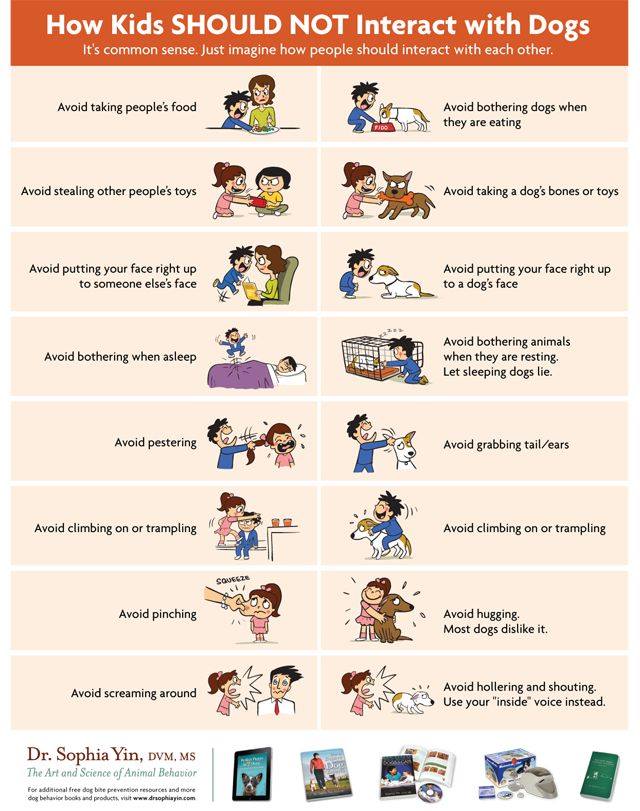
Establishing rigorous behavioral rules protects both children and pets from preventable injuries during daily routines. Direct answer: Every household interaction must follow the three core tenets of respectful engagement: never disturb a sleeping animal, never approach a dog eating or chewing a bone, and always request permission from an adult before touching an unfamiliar pet. Caregivers should also monitor Dog Health metrics regularly, as underlying medical pain frequently triggers uncharacteristic snapping or irritability in previously gentle companions. Practicing consent tests—such as petting an animal for three seconds, pausing, and observing if the animal solicits more contact—teaches youth valuable lessons in mutual respect.
Common Challenges and How to Avoid Them
Overlooking subtle appeasement gestures often leads to escalating behavioral issues that endanger family members. Direct answer: The most frequent pitfall involves misinterpreting nervous tail wagging as friendliness, when a stiff, high wag actually signals high agitation. Caregivers must actively correct rough play, high-pitched screaming, and running indoors, as these behaviors trigger predatory chase instincts in certain Dog Breeds with high drive levels. Implementing consistent boundaries across all household members prevents confusion and reinforces positive behavioral habits over time.
💬 Frequently Asked Questions
Explore More Pet Care and Animal Health Guides on PetsAnimalsWorld
Mastering canine communication requires continuous education, dedication, and ongoing observation of psychological and physical health indicators. Readers are encouraged to explore the comprehensive resource library available at Pets Animals World to further enhance domestic safety, animal welfare standards, and overall Pets management practices.
Visual Reference Gallery