

Understanding the Significance of Professional Canine Education
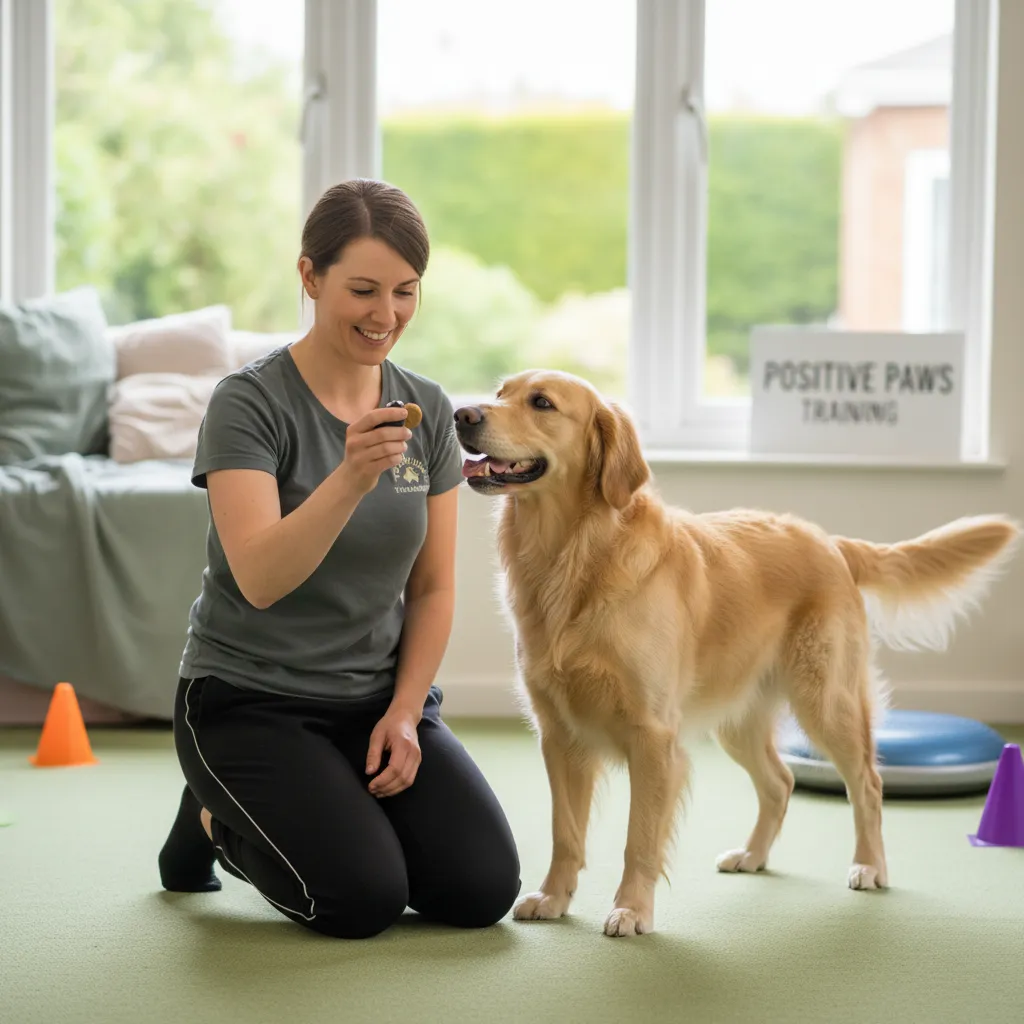
Navigating complex canine conduct often requires specialized knowledge far beyond basic obedience commands. According to the American Society for Prevention of Cruelty to Animals (ASPCA), behavioral issues represent one of the primary reasons companion animals are relinquished to shelters, making proper guidance essential for household harmony. Many families struggle to interpret subtle signs of canine stress, fear, or over-arousal. Unlocking the underlying causes of these actions helps prevent misunderstandings between humans and their canine companions. Exploring dog behavior specialist training illuminates how knowledgeable practitioners study learning theory, ethology, and humane management strategies to address deep-seated behavioral challenges safely and effectively.
💡 Pet Care Key Takeaways:
- Core Focus: Practical health, nutrition, and wellness guidelines for Dog Behavior Specialist Training.
- Target Scope: Pet owners, animal caregivers, and veterinary support staff.
- Best Recommendation: Maintain consistent daily routines and consult an accredited veterinarian before introducing major diet or medical changes.
Defining the Scope of Professional Behavior Education
Dog behavior specialist training refers to the comprehensive academic and practical curriculum required to evaluate, manage, and modify complex psychological and emotional responses in domestic canines. Unlike general obedience instructors who focus primarily on manners like sitting, staying, and walking nicely on a leash, certified behavior specialists dive deeply into the root causes of distress. These professionals study classical and operant conditioning, neurobiology, stress signaling, and species-specific communication. The curriculum emphasizes humane, evidence-based methodologies that prioritize emotional well-being over outdated dominance theories. By understanding how animals perceive their environments, qualified specialists develop tailored modification plans that address triggers systematically rather than simply suppressing visible symptoms. For more related activities, check out our Dog Care Electric Collar.
The Impact of Expert Guidance on Animal Welfare
Implementing structured behavioral interventions profoundly influences overall animal wellness, strengthening the human-animal bond while mitigating chronic stress. Chronic anxiety can elevate stress hormones like cortisol, potentially impacting physical health and immune function over time. When knowledgeable professionals intervene early using positive reinforcement, dogs learn to navigate stressful triggers with confidence. This proactive approach reduces the likelihood of reactive responses, resource guarding, or separation distress escalating into dangerous situations. Community support systems and educational initiatives also help bridge the gap between scientific research and everyday household implementation.
Behavioral modification rooted in positive reinforcement significantly reduces stress-related cortisol spikes in domestic canines compared to punitive methods. — American Veterinary Medical Association
Approaching Behavioral Modification with Evidence-Based Methods
Addressing persistent behavioral challenges requires a systematic methodology centered around environmental management and systematic desensitization. Desensitization involves gradual, low-intensity exposure to a trigger while pairing the experience with high-value rewards, allowing the animal to build positive associations over time. Counter-conditioning shifts the emotional response from fear or aggression to a calm, neutral state. For instance, a dog reactive to loud street noises might initially observe traffic from a safe distance indoors before gradually moving closer during structured sessions. Consistency, patience, and careful observation of body language remain paramount throughout every stage of the modification process.
Best Practices and Common Pitfalls in Behavioral Support
Navigating canine behavioral care requires strict adherence to ethical, humane practices while avoiding common strategic mistakes. A frequent error involves rushing exposure protocols, which can overwhelm the animal and worsen the underlying emotional response. Practitioners and owners must always monitor subtle physiological indicators of discomfort, such as lip-licking, yawning, or averted gaze, before stress escalates into reactivity. Utilizing intimidation-based techniques or physical punishments is strictly discouraged, as these methods heighten fear and can increase the risk of defensive biting. Establishing clear boundaries, maintaining predictable routines, and celebrating small milestones foster a supportive learning environment.
Early identification of subtle stress signals prevents escalation into severe behavioral reactivity in over seventy percent of observed companion cases. — Association of Professional Dog Trainers
Pet Care & Wellness Overview Table
| Life Stage | Daily Activity Level | Key Nutrition / Care Focus |
|---|---|---|
| Puppy / Kitten | High (frequent short bursts) | High-protein growth diet & early socialization |
| Adult Companion | Moderate (30–60 mins daily) | Balanced maintenance nutrition & dental hygiene |
| Senior Pets | Low to Gentle (mindful walks) | Joint support (Glucosamine) & routine vet checks |
Images References






Individual Variations Across Breeds, Ages, and Temperaments
Every canine presents a unique combination of genetic predispositions, life experiences, and individual temperament that influences learning capacity. Working alongside Dog Breeds requires an appreciation of historical traits, such as herding instincts or guarding tendencies, which can shape everyday reactions. Younger puppies undergo critical socialization windows where positive exposures shape lifelong resilience, whereas adult rescue animals may carry previous trauma requiring sensitive, slow-paced rehabilitation. Environmental factors, physical maturity, and individual sensory sensitivities further dictate how a specific animal responds to training stimuli. Tailoring educational approaches to fit the exact profile of the individual ensures more reliable and sustainable behavioral progress.
Recognizing When to Consult a Veterinarian or Specialist
Identifying the precise moment to seek professional veterinary or behavioral intervention prevents minor habits from developing into severe safety concerns. Sudden shifts in conduct, persistent house-soiling, unprovoked aggression, or lethargy frequently signal underlying medical discomfort or pain that requires immediate veterinary examination. For complex emotional hurdles such as severe separation anxiety, phobias, or generalized fear, guardians should collaborate with a board-certified veterinary behaviorist or a certified dog behavior consultant. These experts possess the clinical knowledge required to design comprehensive safety plans and, when appropriate, coordinate medical support alongside environmental modifications.
Concluding Thoughts on Professional Canine Development
Investing time in understanding professional canine education elevates the standard of care provided to our animal companions. By embracing humane, science-backed strategies, owners and practitioners create environments where dogs feel secure, understood, and capable of positive growth. Exploring resources within Dog Behavior, Dog Training, and general Dog Care expands your capacity to support your pet effectively. Visit PetsAnimalsWorld.com to discover more guides designed to enhance the health, happiness, and well-being of your beloved animal companions.



