Short-Term Canine Management: Why Proper Planning for Two Days Matters
Short-term planning ensures a canine companion remains safe, comfortable, and emotionally secure during brief periods of altered routine. According to the American Society for the Prevention of Cruelty to Animals (ASPCA), maintaining consistency in daily schedules helps minimize anxiety and behavioral distress in domestic dogs. Whether sudden travel, unexpected home repairs, or brief scheduling conflicts arise, arranging forty-eight hours of reliable oversight requires careful coordination. Neglecting fundamental needs during this window can lead to house-soiling, excessive vocalization, or accidental ingestion of harmful household items.
💡 Pet Care Key Takeaways:
- Core Focus: Practical health, nutrition, and wellness guidelines for Dog Care For 2 Days.
- Target Scope: Pet owners, animal caregivers, and veterinary support staff.
- Best Recommendation: Maintain consistent daily routines and consult an accredited veterinarian before introducing major diet or medical changes.
Defining Temporary Canine Care Logistics Over Forty-Eight Hours
Managing temporary dog care for 2 days involves establishing a reliable system of feeding, elimination breaks, environmental enrichment, and emergency preparedness. This brief duration is often bridged through in-home pet sitting, boarding facilities, or trusted friends visiting the residence. Unlike longer absences that require extensive acclimation, a forty-eight-hour arrangement focuses heavily on maintaining familiarity. Keeping the dog within its usual home environment drastically reduces the stress associated with displacement, provided that a competent individual visits frequently to handle basic needs. Related guide: Boarding For Unneutered Male Dogs.
Evaluating Health and Behavioral Stability During Brief Transitions
Even a brief disruption in routine can trigger mild stress responses, altering digestion, sleep patterns, or baseline reactivity. Stress colitis, characterized by acute diarrhea due to nervous tension, is a common physiological reaction in sensitive dogs experiencing even minor changes in household dynamics or primary human companionship. Monitoring hydration and dietary intake remains critical throughout the forty-eight hours to catch early signs of gastrointestinal distress before complications escalate.
Routine disruptions can trigger stress-related gastrointestinal upset, making continuous monitoring of hydration and appetite essential during short-term changes. — American Veterinary Medical Association
Practical Protocols for Managing a Two-Day Canine Schedule
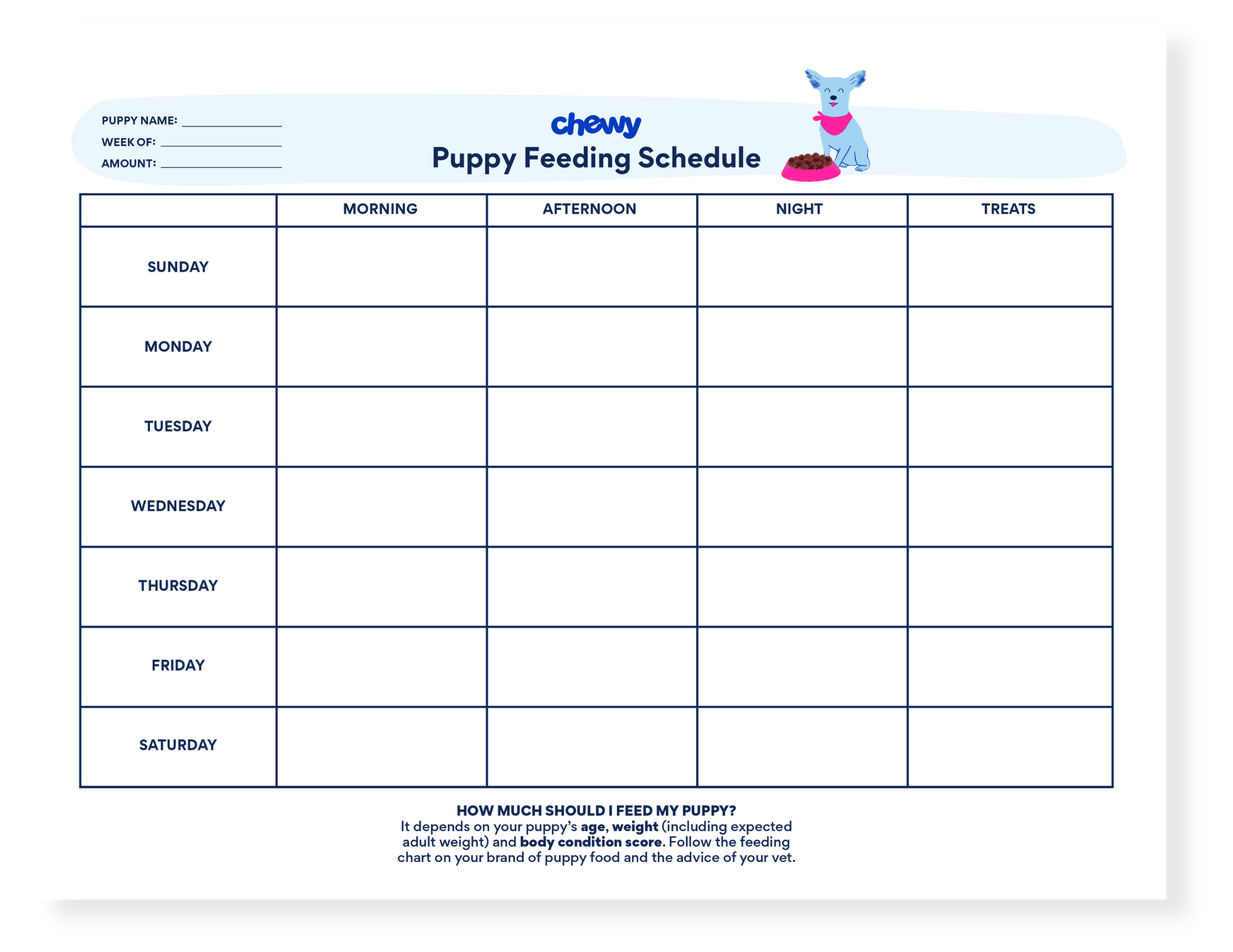
Execution of a successful forty-eight-hour care plan relies on pre-measured meals, explicit instructions, and scheduled physical activity. Clear communication with any temporary caregiver prevents dangerous dietary indiscretions, such as feeding toxic foods like chocolate, grapes, or xylitol-sweetened products. Each meal should be portioned into individual containers beforehand, and emergency contact details—including the local veterinary hospital and a poison control hotline—must be displayed prominently in the kitchen.
Best Practices and Common Pitfalls in Short-Term Management
Avoiding common oversights, such as failing to secure dangerous household cleaners or forgetting to stock adequate prescription medication, protects the animal from preventable harm. Caregivers should never introduce unapproved human medications or home remedies to treat minor ailments like anxiety or loose stool. Adhering strictly to established household rules prevents confusion and reinforces positive habits, ensuring the dog feels secure until the primary owner returns.
Clear labeling of daily medications and pre-measured food portions significantly reduces the risk of accidental overfeeding or missed doses during short absences. — American Kennel Club
Pet Care & Wellness Overview Table
| Life Stage | Daily Activity Level | Key Nutrition / Care Focus |
|---|---|---|
| Puppy / Kitten | High (frequent short bursts) | High-protein growth diet & early socialization |
| Adult Companion | Moderate (30–60 mins daily) | Balanced maintenance nutrition & dental hygiene |
| Senior Pets | Low to Gentle (mindful walks) | Joint support (Glucosamine) & routine vet checks |
Images References








Tailoring Short-Term Care to Breed, Age, and Temperament
Individual characteristics dictate how a dog experiences a forty-eight-hour separation or schedule alteration. Senior dogs, puppies, and brachycephalic breeds—dogs with shortened snouts susceptible to respiratory issues—require specialized attention regarding temperature control, medication schedules, and frequency of elimination breaks. High-energy working breeds need substantial mental and physical stimulation to prevent destructive behaviors driven by boredom during the temporary care window.
Recognizing When to Involve Veterinary Professionals
Immediate veterinary consultation becomes necessary if the dog exhibits signs of acute illness, persistent vomiting, severe lethargy, breathing difficulties, or trauma during the forty-eight-hour period. Caregivers must never attempt to diagnose medical emergencies independently. For guidance on maintaining balanced daily routines and supporting emotional well-being, explore comprehensive resources on Dog Care and Dog Behavior.
Ensuring Continuity and Comfort for Every Canine Companion
Successfully navigating a brief forty-eight-hour schedule shift reinforces the bond between human and animal through proactive preparation and safety. Maintaining predictable feeding times, regular exercise, and familiar comforts protects both physical health and psychological stability. Discover additional insights on Dog Health to keep companions thriving through every life stage, and visit PetsAnimalsWorld.com for continuous guidance on responsible pet ownership.